

Choosing the Right Industrial Oil Heater for Efficient Space Heating
Choosing the Right Industrial Oil Heater for Your Needs
Maintaining a comfortable and safe working environment is crucial for productivity, especially in colder climates. An industrial oil heater provides a powerful and efficient solution for heating large spaces, from warehouses and factories to construction sites and agricultural buildings. Selecting the right heater depends on several factors, including the size of the space, ventilation requirements, and desired level of control. This guide will explore the benefits of oil heaters, key features to consider, different types available, safety precautions, and how to choose the best option for your specific application. Investing in a reliable and efficient heating system is vital for ensuring worker comfort and operational efficiency.
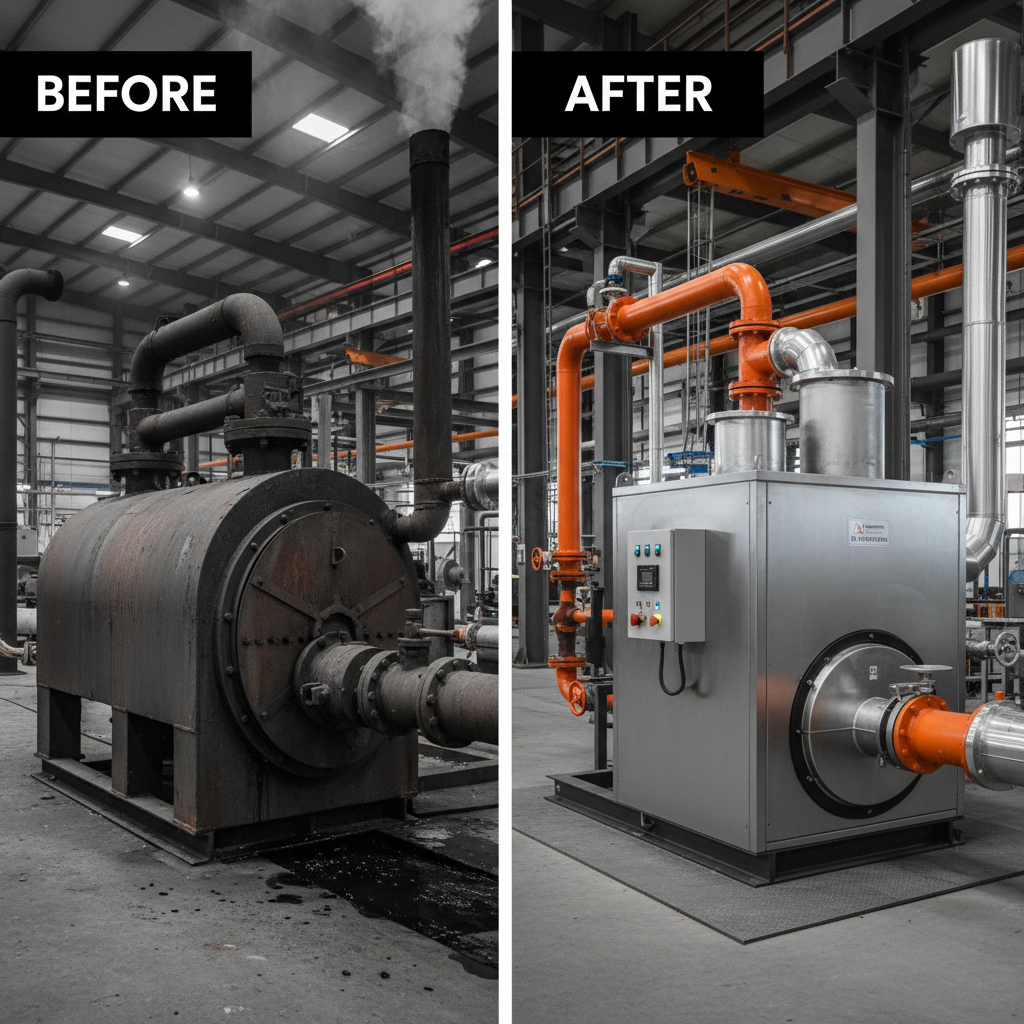
Benefits of Using an Industrial Oil Heater
Oil heaters offer several advantages over other heating methods. They provide a high heat output, making them ideal for quickly warming large areas. Unlike electric heaters, oil heaters continue to radiate heat even after they are turned off, providing consistent warmth and reducing energy costs. They are also relatively portable and easy to operate. Furthermore, oil heaters are generally considered safer than gas-fired heaters as they don’t produce carbon monoxide. The use of diesel or kerosene as fuel makes them an independent heating solution, not reliant on electricity or natural gas lines. Choosing a reputable brand like Yineng Boilers ensures quality and reliability.
Key Advantages: High heat output, consistent warmth, portability, safety, fuel independence, and cost-effectiveness.
Types of Industrial Oil Heaters
Several types of industrial oil heaters are available, each suited for different applications. Forced-air heaters use a fan to distribute heat quickly and evenly, making them ideal for large, open spaces. Radiant heaters emit infrared radiation, directly heating objects and people without heating the air, which is efficient for focused heating. Infrared heaters are also available as a subset of radiant heaters. Indirect-fired heaters vent exhaust gases outside, making them safe for indoor use without proper ventilation. Understanding the differences between these types is critical to selecting the heater that best fits your needs. Yineng Boilers offers a diverse range of these heater types.
Heater Type Comparison:
• Forced-Air: Quick, even heating for large spaces.
• Radiant: Efficient, focused heating for objects and people.
• Indirect-Fired: Safe for indoor use without ventilation.
Key Features to Consider When Choosing an Industrial Oil Heater
When selecting an oil heater, consider factors like BTU output (British Thermal Units), fuel tank capacity, safety features, and portability. Higher BTU ratings indicate greater heating capacity. Larger fuel tanks allow for longer run times between refills. Safety features such as automatic shut-off, overheat protection, and tip-over protection are essential. Portability is crucial if you need to move the heater frequently. Also, look for heaters with efficient combustion systems to minimize fuel consumption and emissions. Yineng Boilers’ heaters are designed with these critical features in mind.
Safety Precautions When Using an Industrial Oil Heater
Safety is paramount when operating an oil heater. Ensure adequate ventilation, especially with direct-fired heaters, to prevent carbon monoxide buildup. Never use the heater in enclosed spaces without proper ventilation. Keep flammable materials away from the heater. Regularly inspect the heater for leaks or damage. Always follow the manufacturer's instructions for operation and maintenance. Never leave a heater unattended while in operation. Proper safety practices will significantly reduce the risk of accidents.
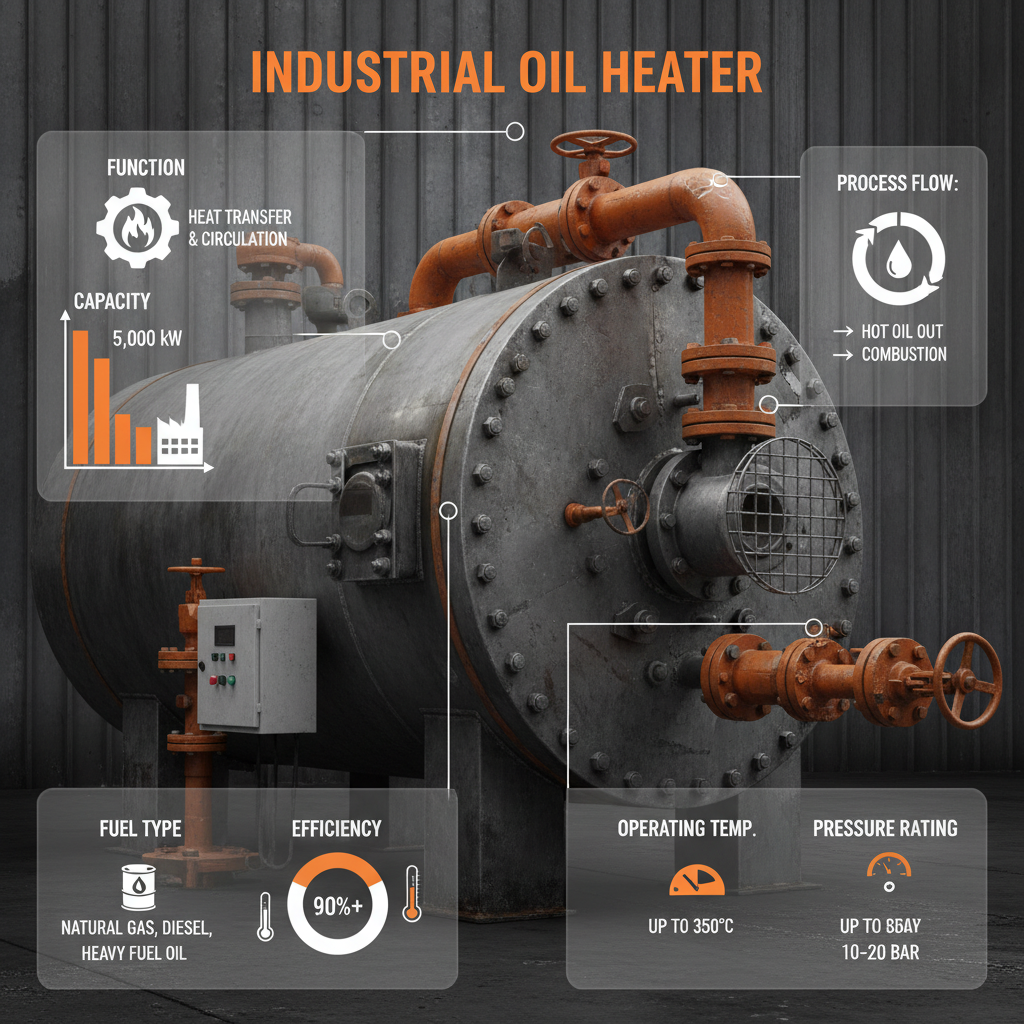
Conclusion: Investing in Reliable Heating
Investing in an industrial oil heater is a wise investment for maintaining a comfortable and productive work environment. By carefully considering your needs and following safety guidelines, you can select the ideal heater for your application. Yineng Boilers offers a comprehensive range of high-quality, reliable oil heaters to meet diverse industrial requirements.
Frequently Asked Questions (FAQs)
What type of fuel can I use in my industrial oil heater?
Most industrial oil heaters are designed to operate on diesel fuel or kerosene. It's crucial to consult the manufacturer's specifications to ensure compatibility with the fuel you intend to use. Using the incorrect fuel can damage the heater and void the warranty. Using fuels with high sulfur content may also require additional ventilation and can impact air quality. Always prioritize using high-quality, clean fuel for optimal performance and longevity.
How often should I perform maintenance on my oil heater?
Regular maintenance is essential for ensuring the safe and efficient operation of your oil heater. At a minimum, you should inspect the heater before each use for any signs of damage or leaks. Clean the air filter regularly to maintain optimal airflow. At least annually, a qualified technician should perform a comprehensive inspection, including checking the burner, fuel lines, and safety controls. Following a regular maintenance schedule will significantly extend the life of your heater and prevent costly repairs.
What is the difference between direct-fired and indirect-fired heaters?
Direct-fired heaters release exhaust gases directly into the heated space, making them less suitable for indoor use without proper ventilation. Indirect-fired heaters, on the other hand, vent exhaust gases outside through a flue, making them safe for indoor use. While direct-fired heaters are generally more efficient, indirect-fired heaters are preferred for applications where air quality is a concern. The choice depends on your specific needs and ventilation capabilities.
What safety features should I look for in an industrial oil heater?
Essential safety features include automatic shut-off in case of tip-over, overheat protection to prevent fires, and flame failure detection to shut down the heater if the flame goes out unexpectedly. Look for heaters with robust construction and certifications from reputable safety organizations. Always prioritize safety when selecting and operating an industrial oil heater. Ensure the heater meets all relevant safety standards for your region.
-
Industrial Efficiency Guide for Waste Heat Recovery BoilerNewsApr.16,2026
-
Top Industrial Water Boiler Manufacturer for Heating SuccessNewsApr.09,2026
-
Comprehensive Guide to Choosing the Right Electric Water Boiler for Your NeedsNewsApr.07,2026
-
Comprehensive Guide to Industrial Water Boiler Systems and ApplicationsNewsApr.04,2026
-
Comprehensive Guide to Skid Mounted Thermal Oil Boiler Systems and ApplicationsNewsMar.31,2026
-
Comprehensive Guide to Industrial Thermal Oil Heater Systems and ApplicationsNewsMar.28,2026