

Comprehensive Guide to Boiler Thermal Oil Systems and Industrial Applications
Boiler Thermal Oil: A Comprehensive Guide
Thermal oil boilers are integral to numerous industrial processes, providing efficient and reliable heat transfer. This article explores the benefits, applications, and considerations surrounding boiler thermal oil systems, focusing on their efficient heat transfer capabilities and suitability for diverse industries. We’ll delve into the operational principles, key components, and safety measures crucial for optimal performance. Choosing the right thermal oil boiler is critical for streamlining operations and minimizing energy costs.
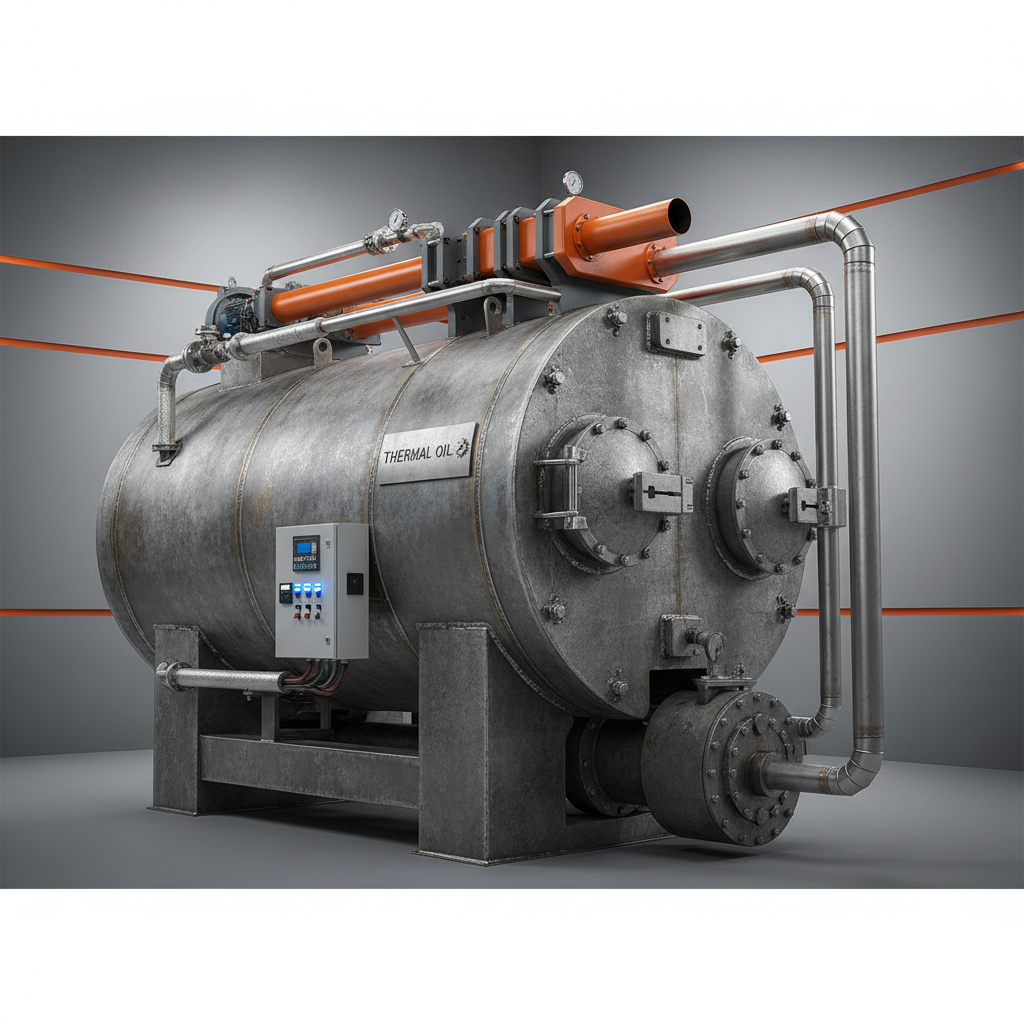
Understanding Boiler Thermal Oil Systems
Thermal oil boilers utilize a specialized heat transfer fluid – thermal oil – to distribute heat efficiently and safely. Unlike steam boilers, these systems operate at lower pressures, reducing operational risks and eliminating the need for complex steam management infrastructure. The thermal oil circulates through a closed loop, transferring heat to various processes without phase change, offering precise temperature control and consistent performance. These boilers are prized for their capability to maintain stable temperatures, vital in applications requiring precise heat regulation. Yineng Boilers provides a range of thermal oil solutions tailored to diverse industrial needs.
Key Benefits: Lower operating pressures, precise temperature control, efficient heat transfer, reduced energy consumption, and minimized maintenance requirements.
Applications of Thermal Oil Boilers
Thermal oil boilers find widespread use across various industries. In the chemical industry, they provide precise temperature control for reactors and distillation processes. The plastics industry utilizes them for molding and extrusion applications. Food processing benefits from their hygienic and efficient heating capabilities. Pharmaceutical companies depend on their accurate temperature regulation for sensitive manufacturing processes. Furthermore, they are commonly employed in textile manufacturing, woodworking, and numerous other sectors where consistent and controlled heating is essential.
Industries Utilizing Thermal Oil Boilers:
• Chemical Processing
• Plastics Manufacturing
• Food Processing
• Pharmaceutical Production
Thermal Oil Boiler Types and Specifications
Thermal oil boilers come in various configurations, including horizontal and vertical designs. Horizontal boilers are typically more accessible for maintenance, while vertical boilers often have a smaller footprint. Different models offer varying heat capacities, ranging from a few hundred kilowatts to several megawatts, catering to diverse industrial demands. Choosing the appropriate type and capacity depends on the specific application and required heat load. Yineng Boilers offers customized thermal oil boiler solutions to meet specific operational requirements.
Safety Considerations and Maintenance
Safety is paramount when operating thermal oil boilers. Regular inspections, pressure testing, and leak detection are crucial to prevent accidents. Thermal oil degradation can occur over time, impacting its heat transfer efficiency and potentially leading to equipment damage. Therefore, periodic oil analysis and replacement are essential. Qualified personnel should conduct all maintenance and repair work, following manufacturer's guidelines and safety protocols. Investing in preventative maintenance extends the boiler's lifespan and ensures safe, reliable operation.
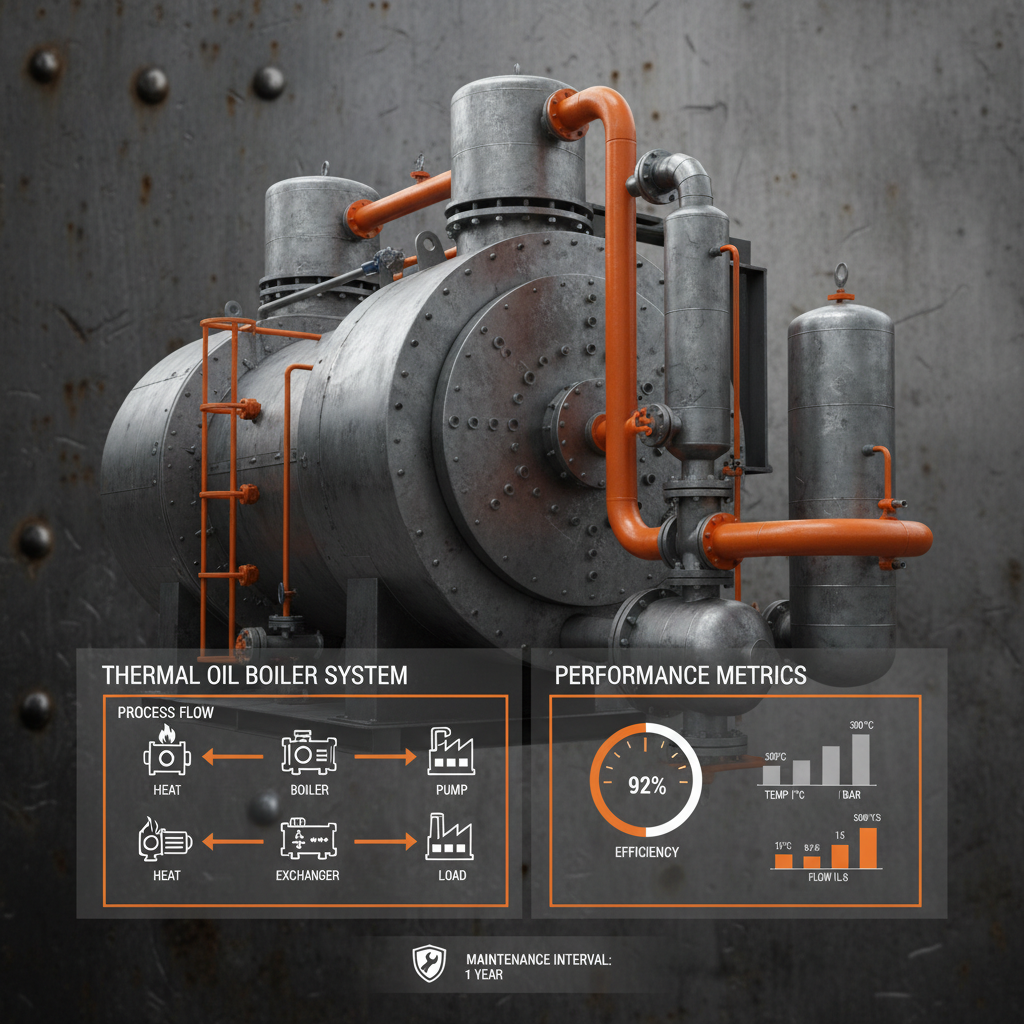
Boiler Thermal Oil: A Sustainable Choice
Thermal oil boilers offer inherent energy efficiency compared to other heating methods. Their precise temperature control minimizes heat loss and optimizes energy utilization. Modern boilers incorporate advanced combustion technologies and insulation materials to further enhance efficiency and reduce emissions. By choosing a high-efficiency boiler thermal oil system, businesses can lower their carbon footprint and reduce operating costs.
Conclusion: Optimizing Industrial Heating with Thermal Oil
Investing in a reliable and efficient thermal oil boiler is a strategic decision for industries requiring precise and consistent heating. From enhanced efficiency and safety to versatile applications and reduced environmental impact, the benefits are substantial. Yineng Boilers provides high-quality systems and expert support to help businesses optimize their heating processes and achieve their operational goals.
Frequently Asked Questions (FAQs)
What is the typical lifespan of thermal oil in a boiler?
The lifespan of thermal oil depends on operating temperatures and maintenance practices. Generally, thermal oil should be replaced every 5-7 years, or sooner if analysis indicates degradation. Factors like excessive temperature, oxygen exposure, and contamination can shorten the oil's lifespan. Regular oil analysis, including acidity, viscosity, and flashpoint measurements, helps determine when replacement is necessary. Maintaining a sealed system and avoiding over-temperature conditions are crucial for prolonging oil life.
What are the advantages of thermal oil boilers over steam boilers?
Thermal oil boilers operate at lower pressures than steam boilers, enhancing safety and reducing operating costs. They offer more precise temperature control, eliminating the temperature fluctuations common in steam systems. Thermal oil systems also minimize heat loss due to radiation and condensation, leading to higher energy efficiency. Furthermore, they require less maintenance and are less susceptible to scaling and corrosion issues prevalent in steam boilers.
What safety features are typically included in thermal oil boilers?
Thermal oil boilers are equipped with multiple safety features, including high-temperature alarms and shutoffs, low-oil level sensors, pressure relief valves, and flame failure detection systems. These features are designed to prevent overheating, oil degradation, and other potential hazards. Regular safety inspections and testing are crucial to ensure these systems function correctly. Proper training for operators is also essential for safe operation and maintenance.
-
Industrial Efficiency Guide for Waste Heat Recovery BoilerNewsApr.16,2026
-
Top Industrial Water Boiler Manufacturer for Heating SuccessNewsApr.09,2026
-
Comprehensive Guide to Choosing the Right Electric Water Boiler for Your NeedsNewsApr.07,2026
-
Comprehensive Guide to Industrial Water Boiler Systems and ApplicationsNewsApr.04,2026
-
Comprehensive Guide to Skid Mounted Thermal Oil Boiler Systems and ApplicationsNewsMar.31,2026
-
Comprehensive Guide to Industrial Thermal Oil Heater Systems and ApplicationsNewsMar.28,2026