
Optimizing Industrial Efficiency with Advanced Waste Heat Boiler Systems
Waste Heat Boiler: Harnessing Lost Energy for Efficiency
In the pursuit of sustainable industrial practices, optimizing energy usage is paramount. A waste heat boiler offers a crucial solution, capturing otherwise lost heat and converting it into usable energy. This article delves into the principles, benefits, applications, and key considerations when implementing a waste heat boiler system. Recovering waste heat not only reduces operational costs but also minimizes environmental impact, contributing to a greener and more efficient industrial landscape. Yineng Boilers specializes in delivering tailored waste heat boiler solutions for a wide range of industries.

Understanding Waste Heat Boilers and Their Function
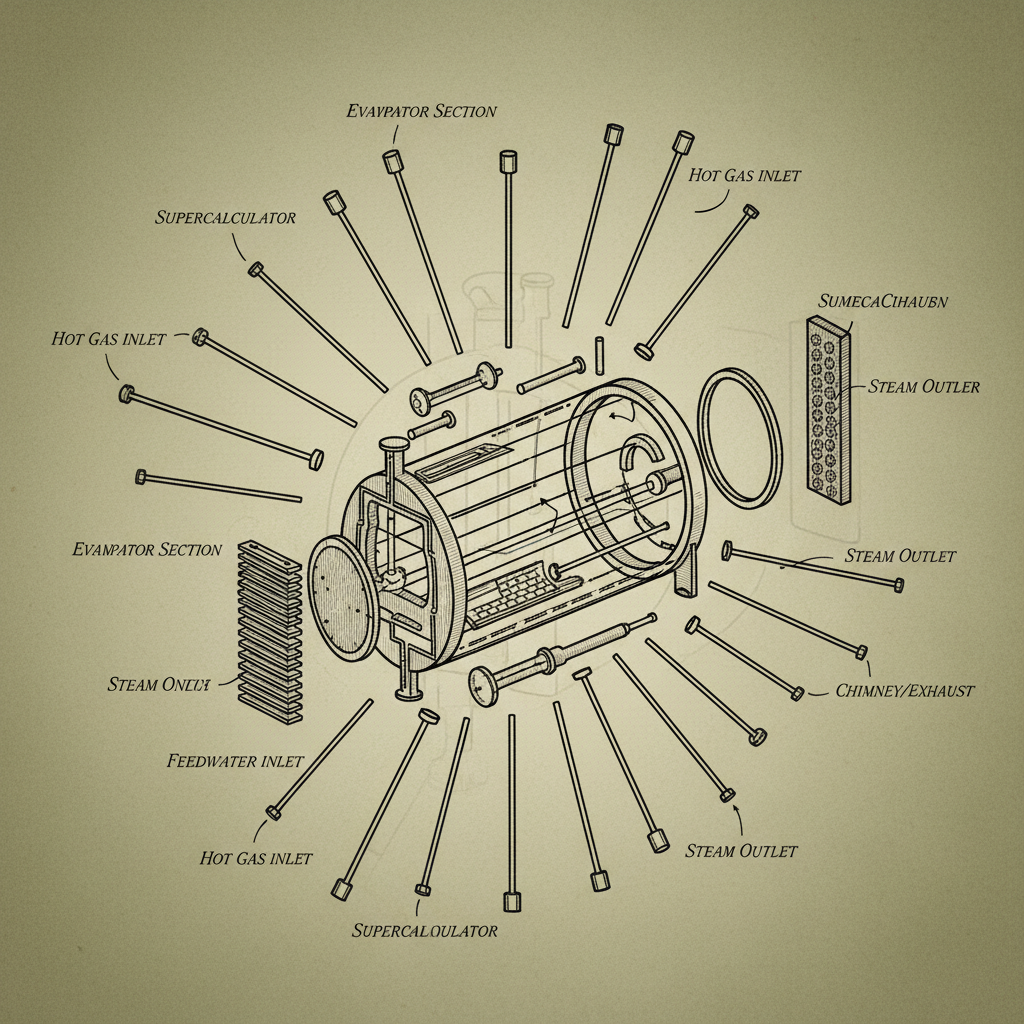
A waste heat boiler is a heat exchanger designed to recover heat from hot exhaust gases or other waste heat streams. Instead of releasing this heat into the atmosphere, the boiler utilizes it to heat water, producing steam or hot water. This recovered energy can then be used for various purposes, such as generating electricity, providing process heat, or space heating. The core principle lies in transferring thermal energy from a high-temperature fluid to a lower-temperature fluid, maximizing energy efficiency. Effective waste heat recovery systems significantly reduce fuel consumption and lower carbon emissions.
Key Benefit: Reducing operational costs by minimizing fuel consumption and maximizing energy utilization. Waste heat boilers are an environmentally sound investment.
Applications of Waste Heat Boilers Across Industries
Waste heat boilers find application in a diverse range of industries where substantial heat is generated as a byproduct of primary processes. Common sectors include power generation (capturing exhaust heat from gas turbines and reciprocating engines), cement production (recovering heat from kiln exhaust), steel manufacturing (utilizing heat from blast furnaces and rolling mills), chemical processing, and oil & gas refining. The specific design and configuration of the boiler are tailored to the characteristics of the waste heat source, ensuring optimal heat recovery. Yineng Boilers provides specialized solutions for each of these industries.
Common Applications:
• Power Generation
• Cement Production
• Steel Manufacturing
• Chemical Processing
Waste Heat Boiler Types: A Comparative Overview
Various types of waste heat boilers are available, each suited to specific operating conditions and heat source characteristics. The most common types include shell-and-tube boilers, fire-tube boilers, and packaged boilers. Shell-and-tube boilers are often used for high-pressure applications and offer excellent heat transfer efficiency. Fire-tube boilers are typically more cost-effective for lower-pressure applications. Packaged boilers offer a compact and pre-assembled solution for simpler installations. Selecting the optimal type requires careful consideration of factors such as heat source temperature, flow rate, and desired steam/hot water parameters.
Key Considerations for Selecting a Waste Heat Boiler
Several factors influence the selection of an appropriate waste heat boiler. These include the temperature and composition of the waste heat stream, the required steam/hot water parameters (pressure, temperature, flow rate), space limitations, and budget constraints. Material selection is also critical to ensure corrosion resistance and long-term reliability. Proper insulation is essential to minimize heat loss and maximize overall efficiency. It’s crucial to collaborate with experienced boiler manufacturers, such as Yineng Boilers, to conduct a thorough site assessment and develop a customized solution.
Maintenance and Operational Best Practices
Regular maintenance is essential for ensuring the optimal performance and longevity of a waste heat boiler. Key maintenance tasks include periodic inspection of tubes for fouling or corrosion, cleaning of heat transfer surfaces, and inspection of seals and gaskets. Monitoring key performance indicators (KPIs), such as steam temperature, pressure, and flow rate, can help identify potential issues before they escalate. Following the manufacturer's recommended maintenance schedule and adhering to best practices will maximize efficiency and minimize downtime. Yineng Boilers provides comprehensive maintenance and support services to ensure seamless operation.
Conclusion: Investing in a Sustainable Future with Waste Heat Recovery
Implementing a waste heat boiler is a strategic investment that delivers significant economic and environmental benefits. By recovering and utilizing waste heat, industries can reduce energy costs, lower carbon emissions, and enhance their sustainability profile. Yineng Boilers is committed to providing innovative and reliable waste heat boiler solutions tailored to your specific needs.
Frequently Asked Questions (FAQs)
What is the typical payback period for a waste heat boiler investment?
The payback period varies depending on factors such as the amount of recovered heat, energy costs, and the initial investment cost. However, typical payback periods range from 2 to 5 years. The savings achieved through reduced fuel consumption and lower energy bills often offset the initial investment within a relatively short timeframe. Government incentives and tax credits can further accelerate the payback period. A detailed feasibility study conducted by Yineng Boilers can provide an accurate estimate for your specific application.
What level of maintenance is required for a waste heat boiler?
Waste heat boilers require regular maintenance to ensure optimal performance and reliability. This includes periodic inspections for corrosion, cleaning of heat transfer surfaces, and checking of seals and gaskets. The frequency of maintenance depends on the operating conditions and the type of boiler. Yineng Boilers offers comprehensive maintenance contracts to simplify upkeep and minimize downtime.
Can a waste heat boiler be retrofitted into an existing facility?
Yes, waste heat boilers can often be retrofitted into existing facilities. However, careful planning and a thorough site assessment are crucial. Factors such as available space, exhaust gas ductwork, and steam/hot water piping need to be considered. Yineng Boilers specializes in providing customized retrofit solutions that seamlessly integrate with existing infrastructure.
What safety measures are incorporated into waste heat boiler design?
Safety is paramount in waste heat boiler design. Key safety features include pressure relief valves, level controls, flame arrestors, and emergency shutdown systems. Boilers are designed and manufactured to comply with relevant safety standards and regulations. Regular inspections and maintenance are essential to ensure the continued safe operation of the boiler.
-
Optimizing Industrial Efficiency with Advanced Waste Heat Boiler SystemsNewsJan.30,2026
-
Thermal Oil Boiler For Plywood Industry – Efficient Heating Solutions from YN BoilersNewsJan.07,2026
-
Thermal Oil Boiler For Press Machine - Efficient Industrial Heating Solutions | YN BoilersNewsJan.07,2026
-
Thermal Oil Boiler for Food Plant – Efficient & Safe Heating SolutionsNewsJan.06,2026
-
Efficient Steam Boiler For Sugar | Durable Industrial Boilers by YN BoilersNewsJan.06,2026
-
Efficient Steam Boiler for Laundry – Reliable Industrial SolutionsNewsJan.06,2026