
Top Industrial Water Boiler Manufacturer for Heating Success
Choosing the Right Water Boiler Manufacturer for Industrial Success
In the demanding world of industrial heating and steam generation, partnering with a reputable water boiler manufacturer is the cornerstone of operational efficiency. Whether you are managing a textile mill, a food processing plant, or a large-scale pharmaceutical facility, the reliability of your boiler system directly impacts your production uptime and energy costs. A high-quality boiler doesn't just heat water; it optimizes thermal energy, ensures workplace safety, and reduces the carbon footprint of your facility. In this comprehensive guide, we will explore the critical factors to consider when selecting a manufacturer and how advanced engineering can transform your industrial heating processes.
The Role of a Professional Water Boiler Manufacturer
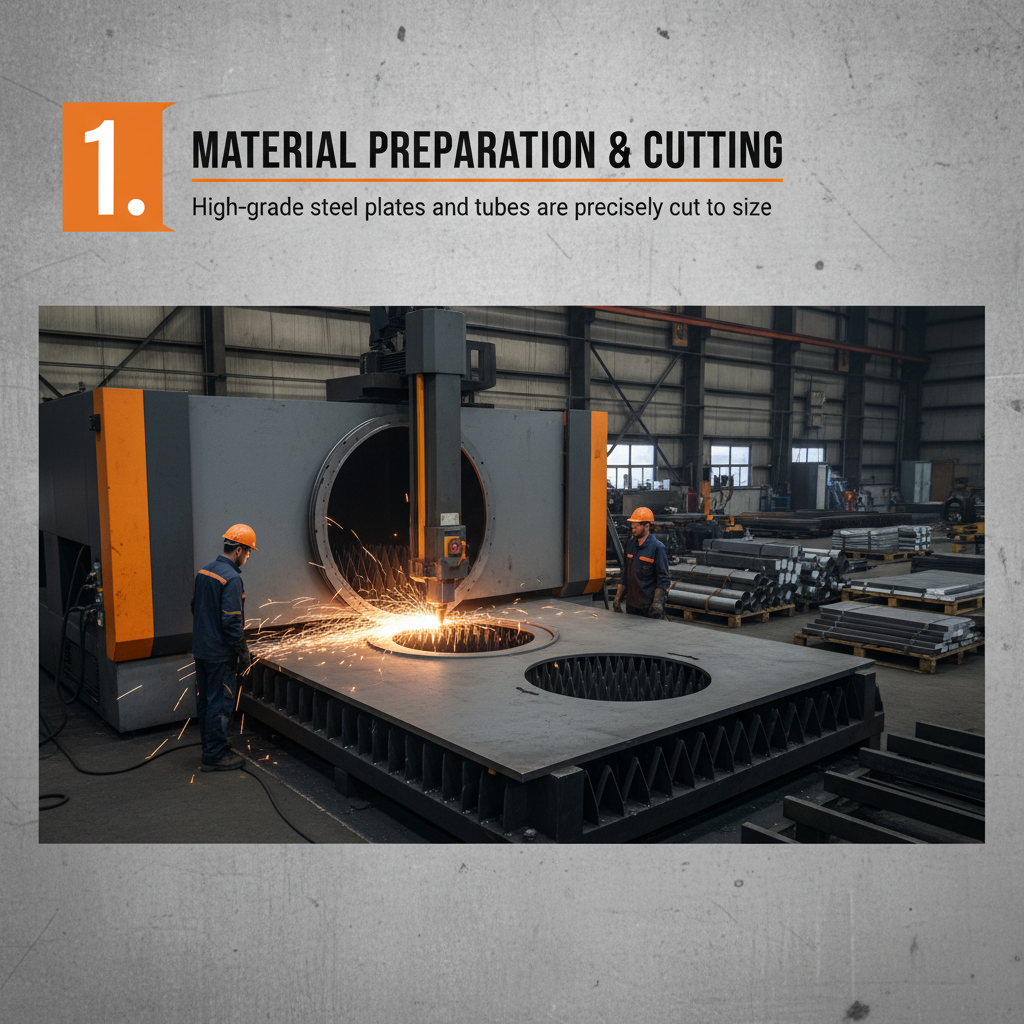
A professional water boiler manufacturer does more than assemble components; they provide integrated thermal solutions. From the initial design phase to installation and after-sales maintenance, the manufacturer's expertise ensures that the boiler is perfectly matched to the facility's specific load requirements. Precision engineering in the combustion chamber and heat exchanger reduces heat loss, which translates directly into lower fuel consumption. Furthermore, adherence to international safety standards (such as ASME or ISO) is non-negotiable, as industrial boilers operate under high pressure and require rigorous quality control to prevent accidents.
Expert Insight: The best manufacturers utilize Computational Fluid Dynamics (CFD) to simulate water flow and heat transfer, ensuring maximum efficiency before the first piece of steel is ever cut.
Key Technologies in Modern Boiler Production
Innovation is driving the industry toward "smart boilers." Leading manufacturers are now integrating PLC (Programmable Logic Controller) systems that allow operators to monitor pressure, temperature, and fuel efficiency in real-time via digital dashboards. Additionally, the shift toward low-NOx burners helps companies meet increasingly strict environmental regulations. By optimizing the air-to-fuel ratio, a modern water boiler manufacturer can help clients reduce emissions while maintaining high steam output. These technological advancements not only protect the environment but also lower the total cost of ownership over the equipment's lifecycle.
Comparing Boiler Types from a Top Water Boiler Manufacturer
Depending on your application, you may require a fire-tube boiler or a water-tube boiler. Fire-tube boilers are generally simpler and better for low-to-medium pressure applications, while water-tube boilers are essential for high-pressure, high-capacity needs. A versatile water boiler manufacturer provides a diverse portfolio to meet these varying needs. The following table provides a clear comparison to help you decide which system aligns with your operational goals.
Evaluating Technical Specifications
When requesting a quote from a water boiler manufacturer, the technical specification sheet is your most important document. You must look beyond the maximum steam output and analyze the thermal efficiency percentage and the fuel consumption rate per hour. Quality boilers utilize high-grade alloy steels that resist corrosion and scale buildup, which are the two primary enemies of boiler longevity. Ensuring the manufacturer provides detailed data on heat transfer coefficients and pressure vessel thickness is essential for verifying the safety and durability of the investment.
Customization Options for Diverse Industrial Needs
No two factories are identical, which is why customization is a hallmark of a top-tier water boiler manufacturer. Whether it is adapting the boiler to burn biomass, natural gas, or oil, or designing a compact footprint for facilities with limited space, flexibility is key. Advanced manufacturers offer "turnkey" solutions, meaning they handle everything from the water treatment system (to prevent scaling) to the steam distribution piping. This holistic approach ensures that the boiler operates within its optimal parameters, maximizing the return on investment (ROI) and minimizing unexpected downtime.
Customization Check-list:
• Fuel type compatibility (Gas, Oil, Biomass, Coal)
• Integration with existing facility piping
• Automated control system requirements
• Specific emission level targets
Conclusion: Partnering for Sustainable Energy
Choosing a water boiler manufacturer is a strategic decision that influences your operational costs for decades. By prioritizing technical expertise, safety certifications, and a commitment to energy efficiency, you ensure that your facility remains competitive and sustainable. Remember that the lowest initial price often leads to the highest long-term cost; instead, focus on the total value, including efficiency gains and reliable support. Invest in quality engineering today to power your industrial growth tomorrow.
Frequently Asked Questions (FAQs)
How do I choose between a fire-tube and water-tube boiler?
The choice depends primarily on your steam demand and pressure requirements. Fire-tube boilers are excellent for smaller operations or processes that require a steady, low-pressure steam supply because they have a large water capacity that acts as a thermal buffer. Water-tube boilers, however, are designed for high-pressure applications and can generate steam much faster, making them ideal for large power plants or heavy industrial processes. A professional water boiler manufacturer will analyze your hourly steam load to recommend the most cost-effective option.
What is the average lifespan of an industrial boiler?
On average, a high-quality industrial boiler can last between 20 to 30 years, provided it is maintained correctly. The primary factors affecting lifespan are water quality and the frequency of descaling. If a facility ignores water treatment, scale buildup can cause localized overheating and premature failure of the tubes. Regular inspections by a certified technician and adhering to the manufacturer's maintenance schedule are critical to ensuring the equipment reaches its full design life.
How can a manufacturer help me reduce my energy bills?
An experienced water boiler manufacturer can reduce your costs through several means: implementing economizers (which recover waste heat from exhaust gases to preheat feed water), optimizing burner efficiency to reduce fuel waste, and installing automated control systems that adjust steam production based on real-time demand. Even a 2-3% increase in efficiency can result in thousands of dollars in annual savings for large-scale operations.
What safety certifications should I look for in a boiler?
Safety is the most critical aspect of boiler operation. You should look for certifications such as ASME (American Society of Mechanical Engineers) for pressure vessel construction, ISO 9001 for quality management, and CE marking for European markets. Additionally, ensure the boiler comes with redundant safety valves, low-water cut-off switches, and flame failure sensors. A reputable manufacturer will provide full documentation of these certifications and the testing reports for each unit before shipment.
-
Top Industrial Water Boiler Manufacturer for Heating SuccessNewsApr.09,2026
-
Comprehensive Guide to Choosing the Right Electric Water Boiler for Your NeedsNewsApr.07,2026
-
Comprehensive Guide to Industrial Water Boiler Systems and ApplicationsNewsApr.04,2026
-
Comprehensive Guide to Skid Mounted Thermal Oil Boiler Systems and ApplicationsNewsMar.31,2026
-
Comprehensive Guide to Industrial Thermal Oil Heater Systems and ApplicationsNewsMar.28,2026
-
Understanding the Efficiency and Applications of a Thermo Oil HeaterNewsMar.26,2026