BOILER EXPERT
Since 1983, more than 40 years boiler experience

Advanced thermal oil boiler Solutions for New Zealand Industry

Engineered for efficiency and sustainability, providing high-performance heating systems tailored to the unique climatic and industrial requirements of Oceania.

Advanced thermal oil boiler Solutions for New Zealand Industry

We deliver world-class industrial heating infrastructure, ensuring that New Zealand's manufacturing and energy sectors operate with maximum thermal efficiency and minimum carbon footprint.

Current Landscape of the Boiler Industry in New Zealand

Analyzing the intersection of geothermal abundance and industrial heating demands in Oceania.

New Zealand's industrial sector is characterized by a strong commitment to decarbonization and the utilization of renewable energy. The demand for a reliable boiler has shifted from traditional heavy fuel oil systems to high-efficiency gas and biomass alternatives to align with the country's strict environmental regulations.

Geographically, the temperate climate and varied topography of the North and South Islands create diverse heating needs. From dairy processing in Waikato to timber milling in the South Island, there is a critical need for versatile equipment like the steam boiler to maintain consistent operational temperatures.

Furthermore, the integration of heat recovery systems has become a priority. Many facilities are now implementing waste heat boiler technology to capture exhaust energy, reflecting New Zealand's global leadership in sustainable resource management and energy efficiency.
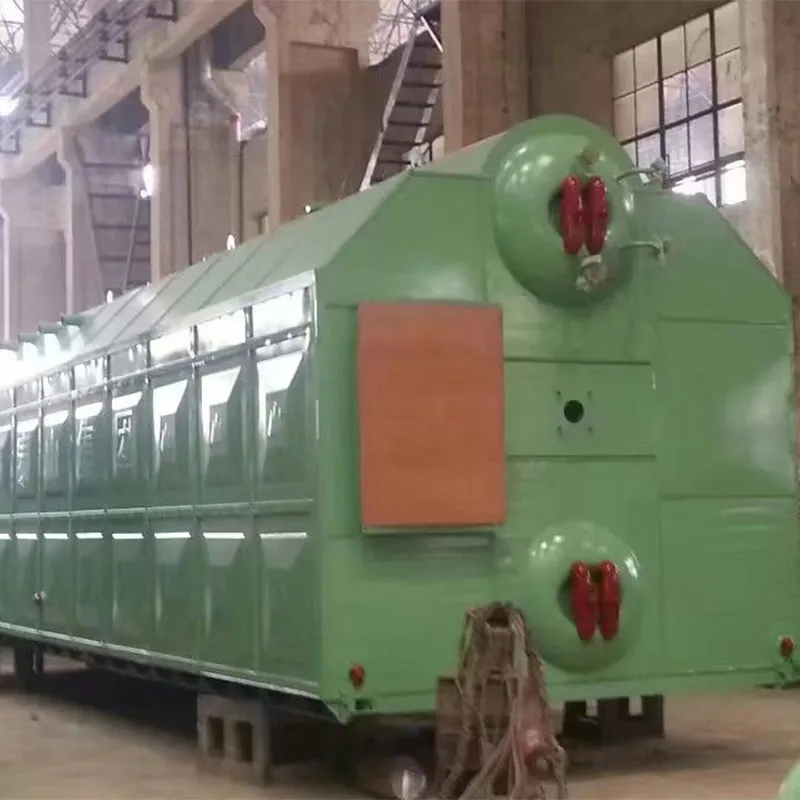
Evolution and Development Trajectory of Thermal Equipment

From traditional combustion to smart, low-emission thermal energy systems.

Market Development History

In the early industrial era (1950s-1980s), New Zealand relied heavily on basic coal and oil-fired water boiler units. These systems provided necessary heat for basic processing but lacked the precision and efficiency required for modern standards.

Between 1990 and 2010, the market transitioned toward automated control systems and cleaner fuels. The introduction of modulated burners and improved metallurgy allowed for safer and more durable equipment, reducing downtime in critical food and beverage production lines.

From 2010 to the present, the focus has pivoted toward "Green Heating." The adoption of digital twin technology and IoT integration has transformed the standard boiler into an intelligent energy center, focusing on precise heat distribution and emissions monitoring.

Future Development Trends

Electrification of Heat

With the growth of New Zealand's wind and solar grids, we anticipate a shift toward electric-driven heating systems to completely eliminate on-site combustion emissions.

Hydrogen Integration

The transition to hydrogen-ready burners is expected to be a key trend, allowing industries to switch to zero-carbon fuels without replacing their entire infrastructure.

AI-Driven Thermal Optimization

Predictive maintenance and AI-optimized combustion cycles will become standard, ensuring that energy consumption is dynamically adjusted based on real-time production demand.

Industry Trends and Future Outlook

Strategic projections for the next 3-5 years in the New Zealand energy equipment market.

Net-Zero Compliance
Accelerated adoption of ultra-low NOx burners to meet New Zealand's strict 2050 carbon neutrality goals.
Modular Design
Shift toward skid-mounted, modular boilers for rapid deployment in remote New Zealand agricultural sites.
Digital Twin Integration
Implementing virtual replicas of thermal systems to optimize performance and predict failure before it occurs.
Biomass Synergies
Utilizing forestry waste as a primary fuel source for industrial boilers to reduce reliance on imported fossil fuels.

Industry Outlook

Based on Google search trends in Oceania, there is a rising interest in "sustainable industrial heating" and "carbon capture boilers." This indicates that New Zealand businesses are no longer just looking for a heat source, but for a comprehensive energy management strategy.

The future will see a convergence of thermal engineering and data science. We expect the market to move toward autonomous thermal plants that can shift between fuel sources based on real-time carbon pricing and energy availability.

Localized Application Scenarios in New Zealand

Tailored thermal solutions for the diverse economic pillars of Oceania.

01. Dairy and Milk Powder Processing

Using high-capacity steam boiler units to provide consistent sterilization and evaporation heat for the Waikato and Canterbury dairy hubs.

02. Forestry and Timber Milling

Integrating a waste heat boiler to capture thermal energy from bark combustion, providing free heating for kiln drying processes.

03. Viticulture and Winery Heating

Applying precision thermal oil boiler systems to maintain stable fermentation temperatures in Marlborough's premium wineries.

04. Municipal District Heating

Deploying large-scale water boiler systems to provide efficient space heating for community centers in colder southern regions.

05. Geothermal Energy Co-generation

Developing hybrid systems that combine geothermal steam with industrial boilers to ensure 100% uptime for heavy manufacturing plants.

Brand Story

Global Development Journey of Hebei Yineng Boiler Co., Ltd.

Foundational Excellence

Started with a mission to redefine industrial combustion, focusing on the core engineering of high-pressure vessels and thermal efficiency.

Technological Breakthroughs

Pioneered the integration of smart control systems, reducing fuel consumption by 15% across our global product line.

Global Market Expansion

Extended our footprint into Oceania, bringing customized thermal solutions to the New Zealand and Australian markets.

Commitment to Green Energy

Developed a specialized series of low-carbon boilers to help our clients meet the most stringent global emission standards.

Future Vision

Striving to be the global leader in carbon-neutral thermal energy, bridging the gap between industrial productivity and environmental preservation.

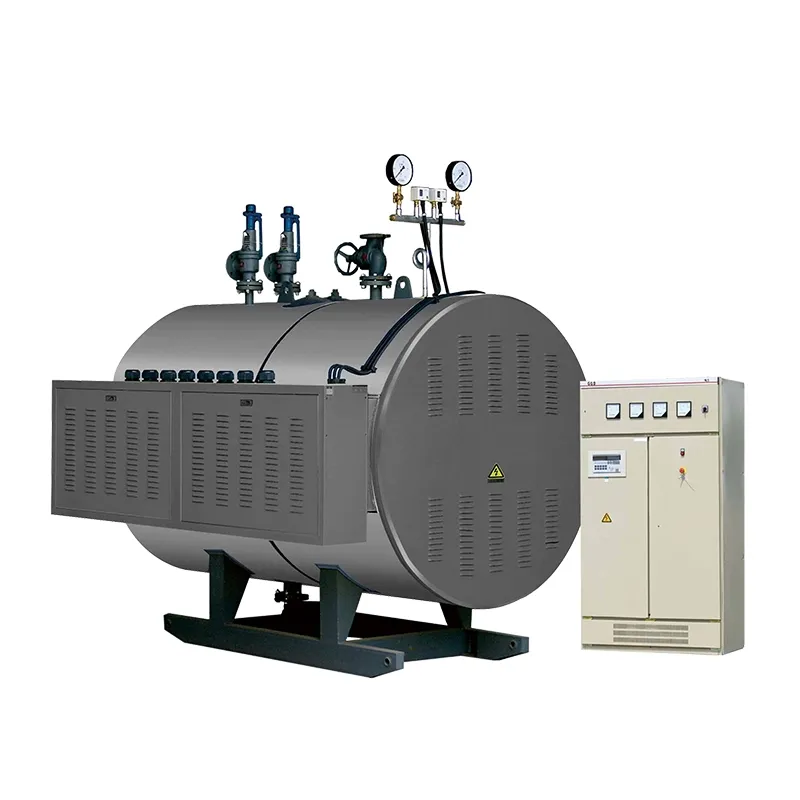
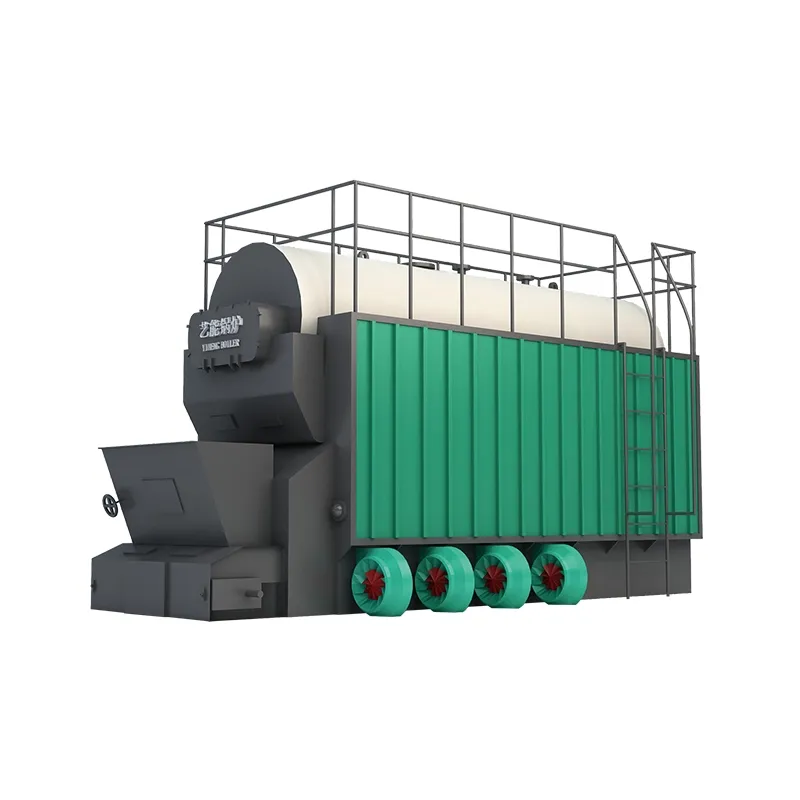
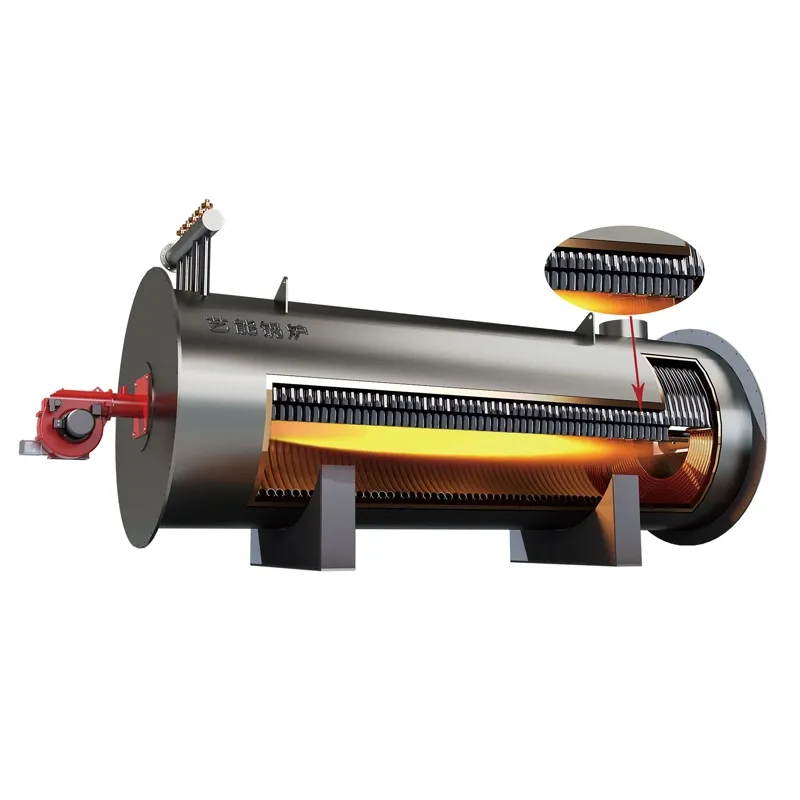
Comprehensive Thermal Product Portfolio for New Zealand

A complete range of energy solutions designed for the specific demands of the Oceania region.

Industrial Heating FAQs for New Zealand

Expert answers to common technical and regulatory questions in the local market.

Which steam boiler is most efficient for New Zealand dairy factories?

For dairy processing, we recommend high-efficiency condensing steam boilers that maximize heat recovery, significantly reducing operational costs in high-volume environments.

How does a thermal oil boiler differ from a water-based system for wineries?

Thermal oil boilers provide higher temperatures at lower pressures and offer superior temperature stability, which is critical for the delicate process of wine fermentation.

What are the regulations for waste heat boiler installation in New Zealand?

Installations must comply with AS/NZS 3800 and local health and safety regulations. Our equipment is designed to meet these rigorous safety and performance standards.

Can a water boiler be converted to run on biomass fuel?

Yes, with the correct combustion chamber modification and fuel feed system, many water boilers can be adapted to utilize forestry waste or wood pellets.

How often should I perform maintenance on my industrial boiler in Oceania?

We recommend a comprehensive quarterly check and an annual deep-service to ensure peak efficiency and compliance with New Zealand's safety certifications.

What is the expected lifespan of a modern industrial boiler?

With proper water treatment and regular maintenance, our high-grade alloy boilers typically have an operational lifespan of 20 to 30 years.

Ready to Optimize Your Thermal Energy?

Consult with our senior engineers to design a high-efficiency heating system tailored for your facility in New Zealand.

Contact Us Now

If you are interested in our products, you can choose to leave your information here, and we will be in touch with you shortly.