

Comprehensive Guide to Hot Conduction Oil Boilers for Industrial Heating Solutions
Understanding Hot Conduction Oil Boilers: A Comprehensive Guide
Hot conduction oil boilers are vital components in numerous industrial processes requiring precise and consistent heat transfer. These systems, known for their efficiency and reliability, offer a unique advantage over traditional steam boilers in certain applications. This article will delve into the workings, benefits, applications, and maintenance of hot conduction oil boilers, providing valuable insights for engineers, facility managers, and anyone seeking to optimize their heating processes. Selecting the correct boiler ensures process stability, optimal thermal efficiency, and long-term cost savings.
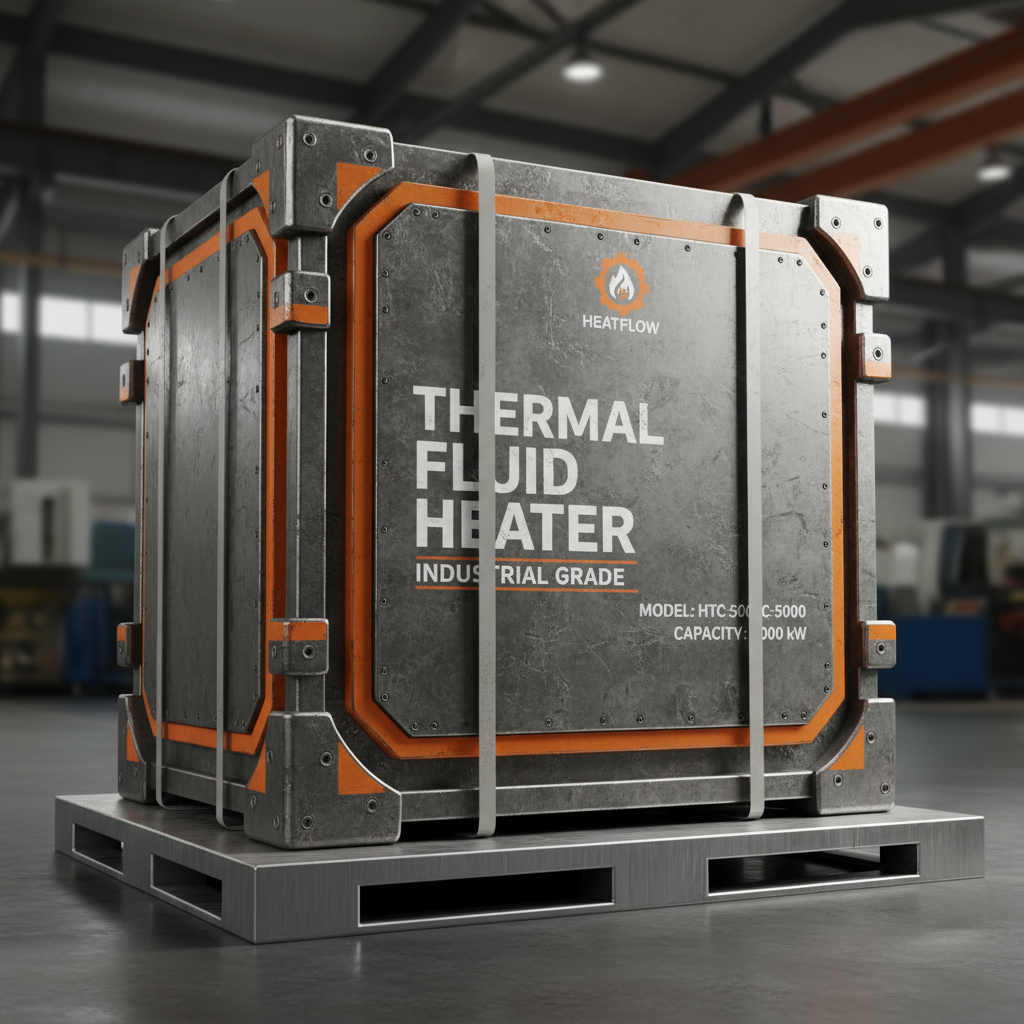
How Do Hot Conduction Oil Boilers Work?
Unlike steam boilers which generate steam as the heat transfer medium, hot oil boilers utilize a specialized heat transfer fluid – often referred to as thermal oil. This oil is heated within the boiler using various fuel sources such as natural gas, oil, or electricity. The heated oil is then circulated through a closed-loop system to provide consistent and precisely controlled heat to industrial processes. The closed-loop nature of the system minimizes losses and ensures efficient heat distribution. The oil itself doesn't phase change, meaning no pressure vessel is needed, simplifying design and operation. Yineng Boilers specializes in designing and manufacturing high-performance conduction oil boilers, tailored to diverse industrial needs.
Key Benefits of Using Hot Conduction Oil Boilers
The advantages of employing hot conduction oil boilers are significant. Primarily, they operate at lower pressures compared to steam systems, enhancing safety and reducing associated costs. They provide precise temperature control, crucial for sensitive processes requiring consistent heating. Furthermore, they offer excellent heat transfer efficiency, minimizing energy waste. These boilers also exhibit excellent thermal stability, reducing the risk of thermal breakdown. Finally, the absence of steam-related issues like condensate return simplifies operation and maintenance.
Key Benefits: Lower operating pressure, precise temperature control, high thermal efficiency, excellent thermal stability, simplified operation & maintenance.
Applications of Hot Conduction Oil Boilers
Hot conduction oil boilers find widespread application across various industries. They are extensively used in chemical processing for maintaining precise reaction temperatures. The plastics industry leverages them for injection molding and extrusion processes. The pharmaceutical sector utilizes their accurate temperature control for drug manufacturing. Textile industries rely on them for dyeing and finishing processes. Furthermore, they are employed in food processing, wood processing, and paper manufacturing, showcasing their versatility. Yineng Boilers provides tailored solutions for each of these sectors, ensuring optimal performance and efficiency.
Hot Conduction Oil Boiler vs. Steam Boiler: A Comparative Analysis
Choosing between a hot conduction oil boiler and a steam boiler depends on specific application requirements. Steam boilers are often more economical for large-scale heating applications, while hot oil boilers excel in processes demanding precise temperature control and lower operating pressures. Here's a comparative overview:
Maintenance and Safety Considerations for Hot Conduction Oil Boilers
Regular maintenance is crucial for ensuring the longevity and safe operation of hot conduction oil boilers. Key aspects include periodic oil analysis to monitor degradation, inspection of the heating surfaces for buildup, and checking the system for leaks. Maintaining the correct oil level is paramount. Adhering to recommended oil change intervals is vital to prevent oil breakdown and maintain optimal heat transfer properties. Always follow manufacturer’s safety guidelines and ensure qualified personnel perform maintenance tasks. Yineng Boilers offers comprehensive maintenance services and support to maximize your boiler’s performance and safety.
Conclusion: Choosing the Right Hot Conduction Oil Boiler
Selecting the right hot conduction oil boiler is a critical decision impacting industrial efficiency and safety. Understanding the principles of operation, benefits, and maintenance requirements is essential for making an informed choice. Yineng Boilers provides tailored solutions, expert support, and reliable equipment to meet diverse industrial heating needs. Invest in quality and reliability – choose Yineng Boilers.
Frequently Asked Questions (FAQs)
What is the typical lifespan of a hot conduction oil boiler?
With proper maintenance and adherence to manufacturer recommendations, a hot conduction oil boiler can reliably operate for 15-20 years or even longer. The lifespan is heavily influenced by factors such as operating conditions, oil quality, and the frequency of preventative maintenance. Regularly scheduled inspections, oil analysis, and timely replacement of worn components are crucial for maximizing the boiler's service life. Choosing a reputable manufacturer like Yineng Boilers, known for quality construction and durable materials, contributes to a longer operational lifespan.
How often should the thermal oil be replaced?
The frequency of thermal oil replacement depends on the oil’s degradation rate, which is influenced by operating temperature and duration of use. Generally, it’s recommended to analyze the oil every 6-12 months. Oil replacement is typically required every 5-10 years, or sooner if analysis indicates significant degradation, such as increased viscosity, acidity, or carbonization. Using high-quality thermal oil and maintaining consistent operating temperatures helps extend the oil’s lifespan.
What safety features are incorporated into Yineng Boilers' hot conduction oil boilers?
Yineng Boilers’ hot conduction oil boilers are equipped with a comprehensive suite of safety features, including high-limit temperature sensors, low-level alarms, pressure relief valves, and interlocking systems. These features prevent overheating, overpressure, and other potentially hazardous conditions. The boilers are designed and manufactured in accordance with stringent safety standards, ensuring reliable and safe operation. Furthermore, we offer optional safety features tailored to specific application requirements.
Are hot oil boilers suitable for use with renewable energy sources?
Yes, hot oil boilers can be effectively integrated with renewable energy sources such as solar thermal collectors and biomass heating systems. The boiler can act as a thermal energy storage system, utilizing excess renewable energy to heat the thermal oil, which can then be drawn upon as needed. This integration enhances energy efficiency and reduces reliance on fossil fuels. Yineng Boilers offers solutions for integrating renewable energy sources with our hot oil boiler systems.
-
Industrial Efficiency Guide for Waste Heat Recovery BoilerNewsApr.16,2026
-
Top Industrial Water Boiler Manufacturer for Heating SuccessNewsApr.09,2026
-
Comprehensive Guide to Choosing the Right Electric Water Boiler for Your NeedsNewsApr.07,2026
-
Comprehensive Guide to Industrial Water Boiler Systems and ApplicationsNewsApr.04,2026
-
Comprehensive Guide to Skid Mounted Thermal Oil Boiler Systems and ApplicationsNewsMar.31,2026
-
Comprehensive Guide to Industrial Thermal Oil Heater Systems and ApplicationsNewsMar.28,2026