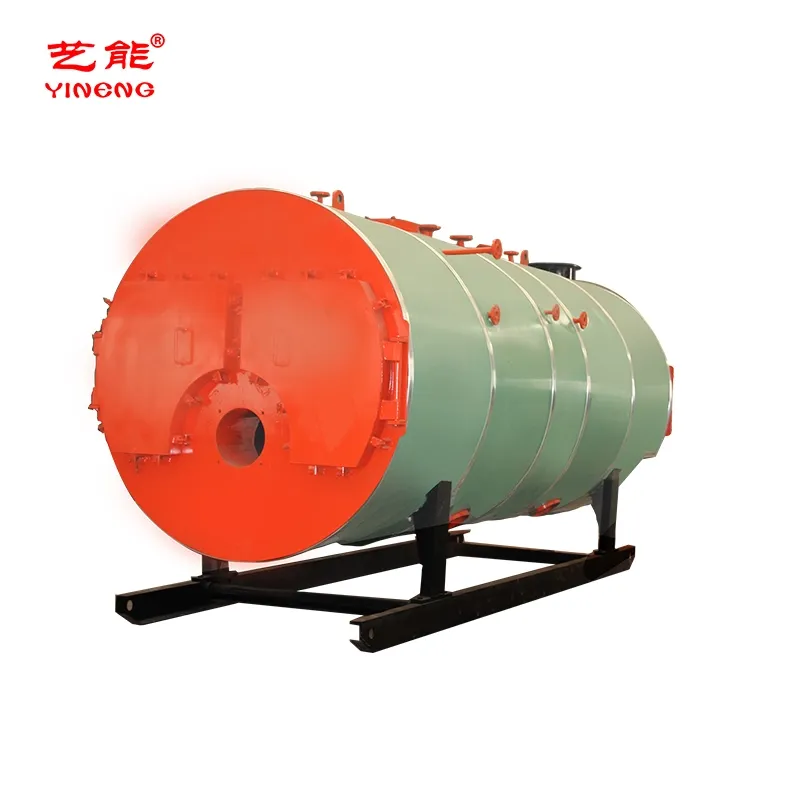
In Gambia, the industrial landscape is characterized by a growing need for reliable heat sources in food processing and agriculture. However, many facilities still rely on outdated boiler units that suffer from low efficiency and high fuel consumption, which is exacerbated by the humid, salty coastal air causing rapid corrosion of metal components.
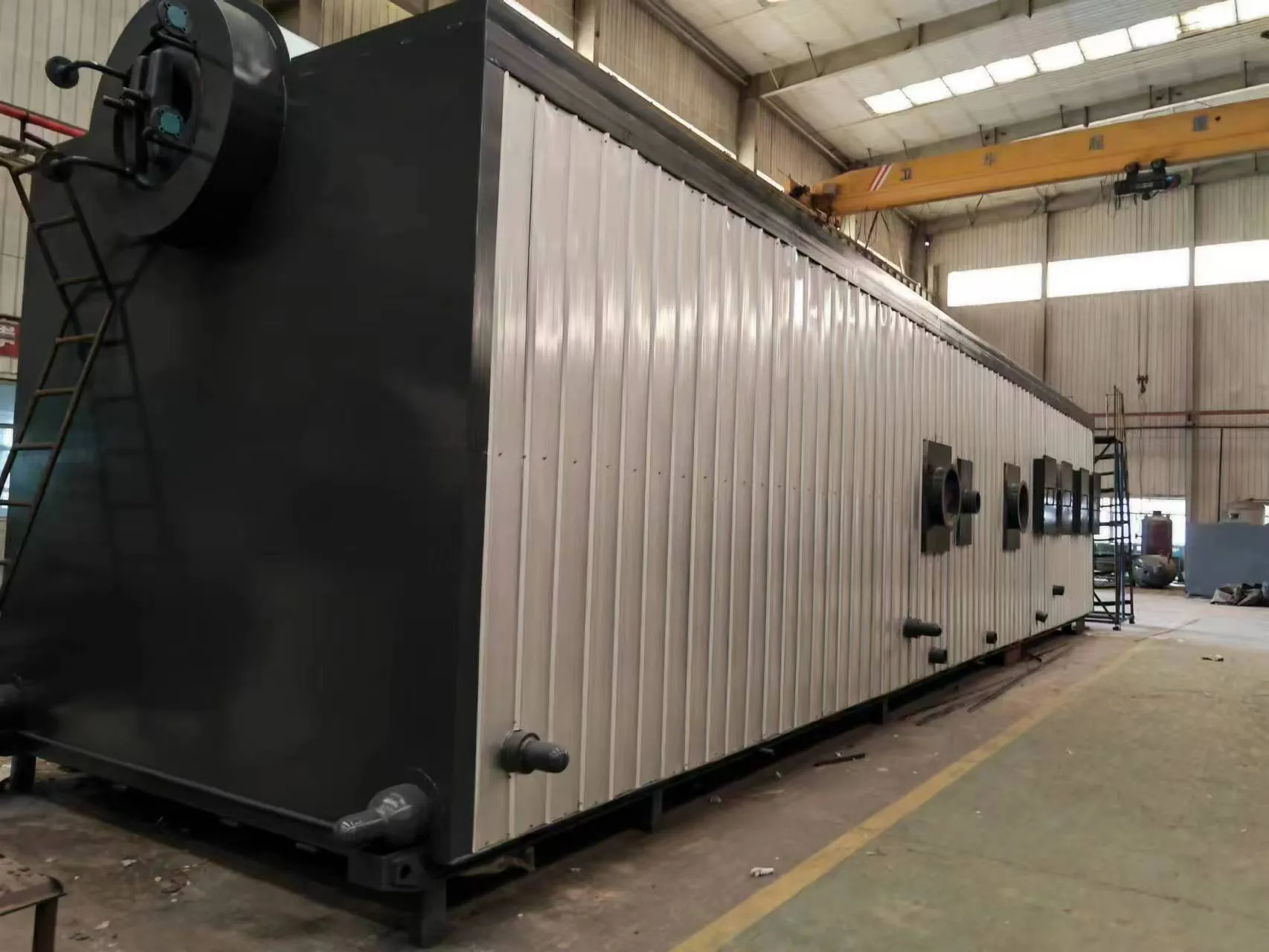
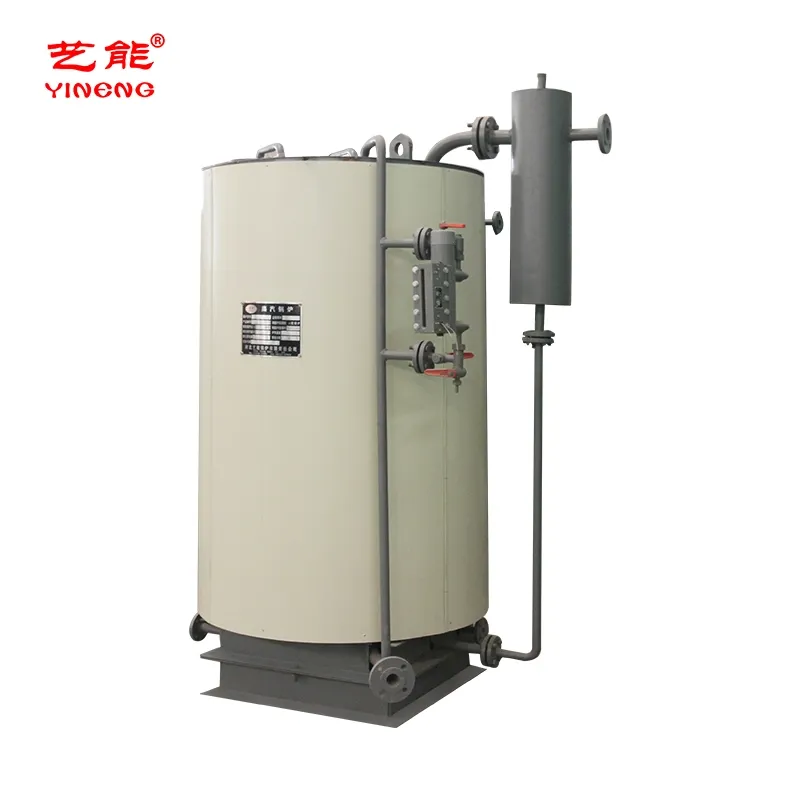
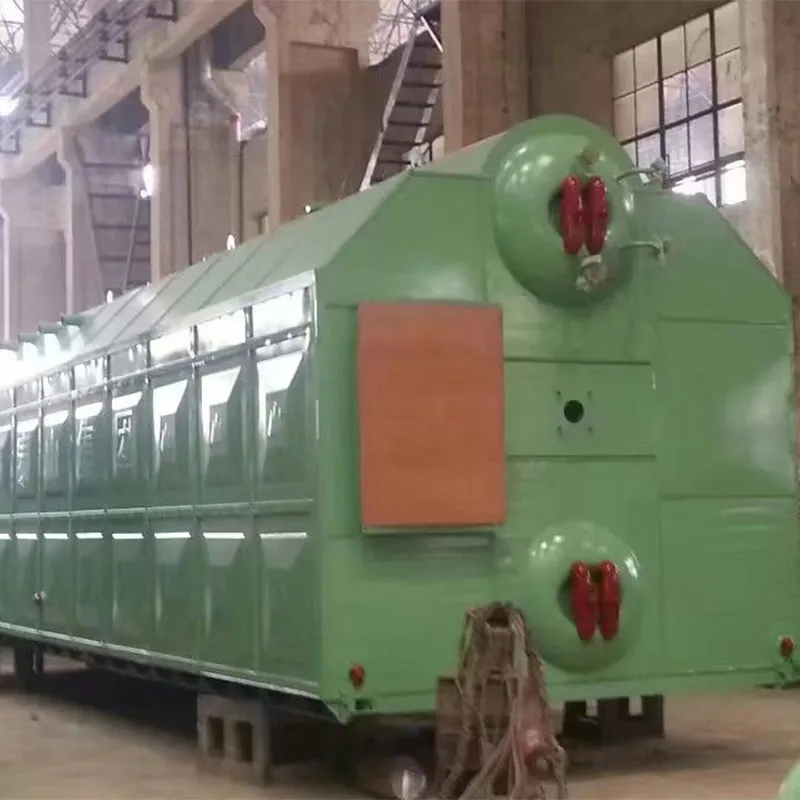
The energy market is currently transitioning toward more versatile systems. While basic water heating is common, there is a critical shortage of high-performance steam boiler installations capable of supporting large-scale sterilization or textile processing, limiting the scalability of local manufacturing enterprises.
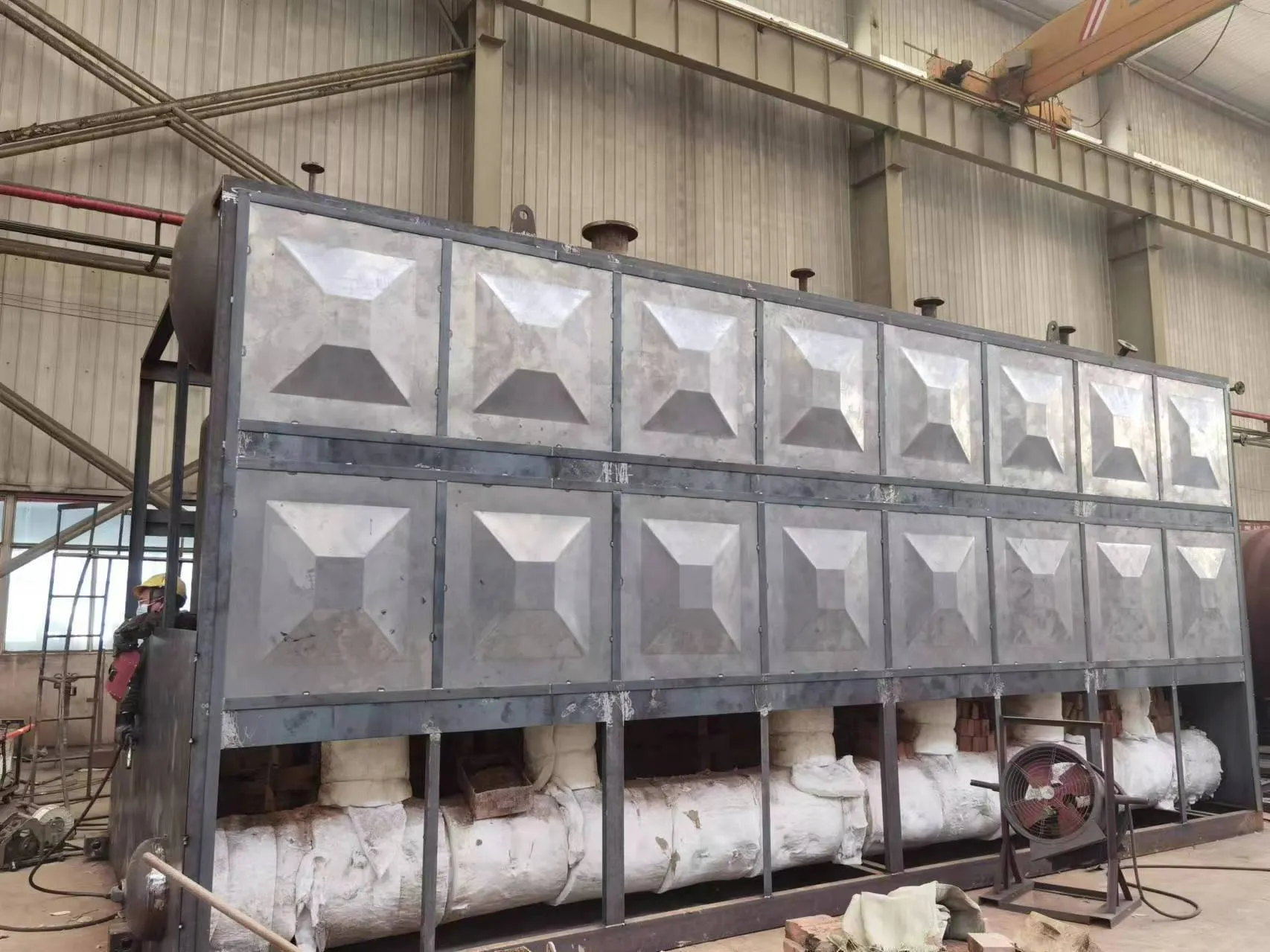
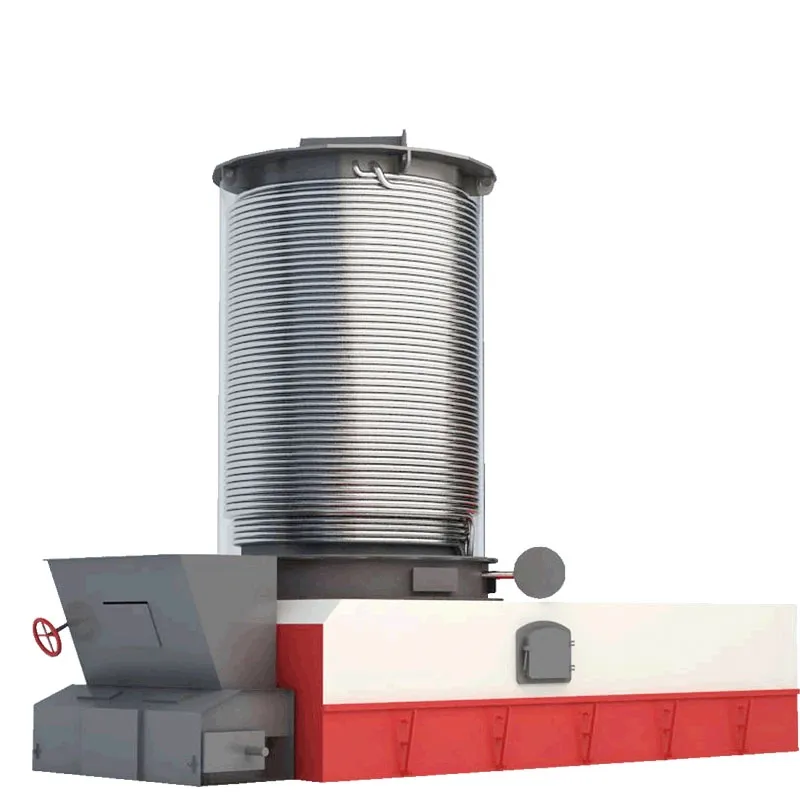
Furthermore, the high cost of imported fuels has created a surge in demand for energy-efficient technology. Industries are now seeking systems that can integrate local biomass or recover energy, making the adoption of a waste heat boiler a strategic priority for reducing operational overhead in the Gambian market.