BOILER EXPERT
Since 1983, more than 40 years boiler experience

Industrial Heating Solutions for Libya: High-Efficiency thermal oil boiler Systems

Providing robust, energy-efficient thermal energy equipment engineered for the challenging climatic conditions of North Africa to power Libya's industrial resurgence.

Industrial Heating Solutions for Libya: High-Efficiency thermal oil boiler Systems

Tailored thermal energy solutions integrating advanced combustion technology and heat recovery to meet the rigorous demands of Libya's oil, gas, and manufacturing sectors.

Current State of Thermal Energy in Libya

Analyzing the intersection of industrial demand and environmental constraints in the Libyan market.

The industrial landscape in Libya is heavily centered around petroleum refining and petrochemicals, creating a massive demand for reliable boiler systems. However, the region faces unique challenges including extreme ambient temperatures and high salinity in coastal areas, which accelerate the corrosion of traditional heating equipment.

Many existing facilities rely on aging infrastructure from previous decades. There is a critical transition happening where operators are moving away from inefficient legacy systems toward modern steam boiler technology to reduce operational costs and carbon footprints in line with global energy shifts.

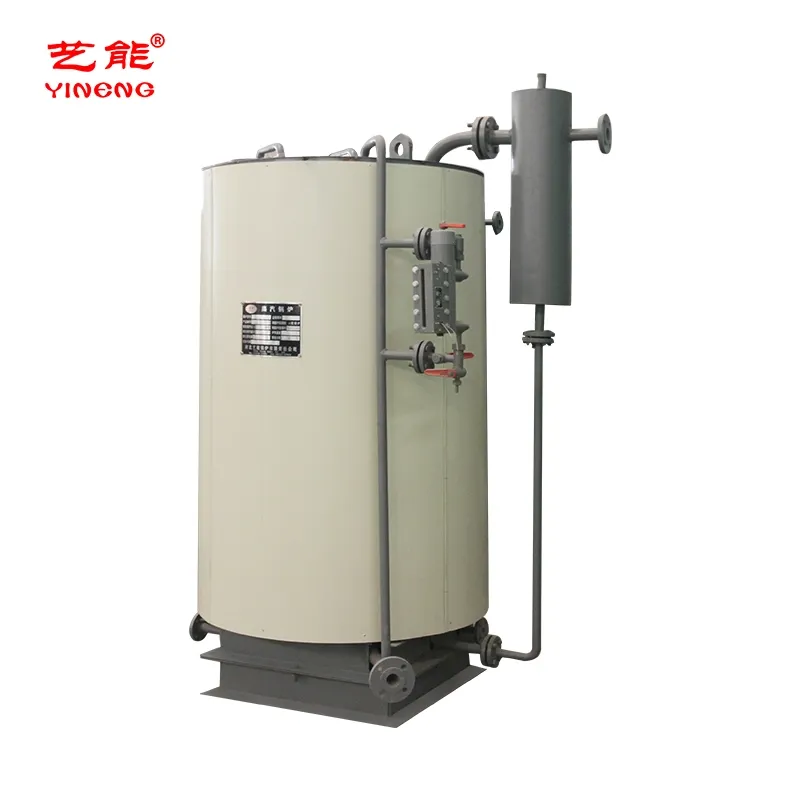
Furthermore, the volatility of water quality in certain Libyan districts makes the selection of a water boiler complex, requiring advanced water treatment integration to prevent scale buildup and ensure long-term equipment stability in arid environments.
Technological Evolution and Development Trajectory

From basic combustion to intelligent, low-emission thermal recovery systems.

Market Development History

In the early stages (1970s-1990s), the Libyan market was dominated by oversized, manual-fire boilers focused purely on capacity. These systems were robust but lacked efficiency and precise temperature control, leading to significant fuel waste in heavy industries.

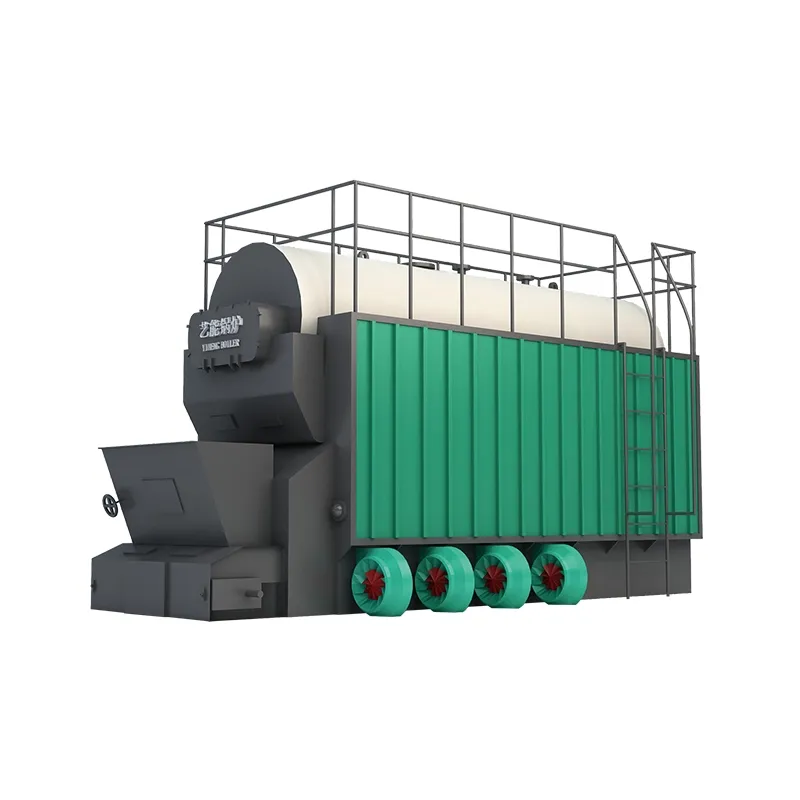
Between 2000 and 2015, the shift toward automation began. The introduction of PLC-controlled systems allowed for better synchronization between heat production and industrial load, marking the rise of the high-pressure steam boiler as the standard for power and process heat.

From 2016 to the present, the focus has pivoted toward "circular energy." The adoption of the waste heat boiler has become a strategic priority, allowing factories to capture exhaust heat and convert it back into usable energy, drastically lowering the cost per unit of production.

Future Development Trends

Hybrid Fuel Integration

Transitioning from pure heavy oil or gas to hybrid systems that can utilize renewable biomass or hydrogen blends to reduce GHG emissions.

IoT-Driven Predictive Maintenance

Implementing real-time sensor arrays to monitor tube corrosion and flame stability, reducing unplanned downtime in remote Libyan desert sites.

Ultra-Low NOx Combustion

Adopting advanced burner technologies to meet stricter international environmental standards, focusing on reducing nitrogen oxide emissions.

Future Trends and Strategic Outlook

The roadmap for energy efficiency in the North African manufacturing sector.

Decarbonization of Heat
Shift toward electric-assisted boilers and carbon capture integration to meet the 2030 sustainability goals.
Smart Grid Integration
Linking boiler operations with smart energy grids to optimize fuel consumption based on peak load periods.
Modular Construction
Increasing use of skid-mounted, pre-fabricated boiler units to reduce installation time in remote Libyan sites.
Heat Pump Synergy
Combining high-temperature heat pumps with traditional boilers to maximize COP in mild weather seasons.

Industry Outlook

Based on regional growth data, the Libyan industrial boiler market is expected to transition from "replacement-driven" to "efficiency-driven." Google search trends indicate a rising interest in sustainable heating and automated thermal management within the MENA region.

Over the next 5 years, we anticipate a 20% increase in the installation of heat recovery systems. Companies that integrate digital twin technology to simulate thermal loads before installation will dominate the market by offering guaranteed ROI and reduced operational risk.

Localized Application Scenarios in Libya

Real-world implementations of thermal equipment across Libya's key industrial hubs.

01. Oil Refinery Process Heating

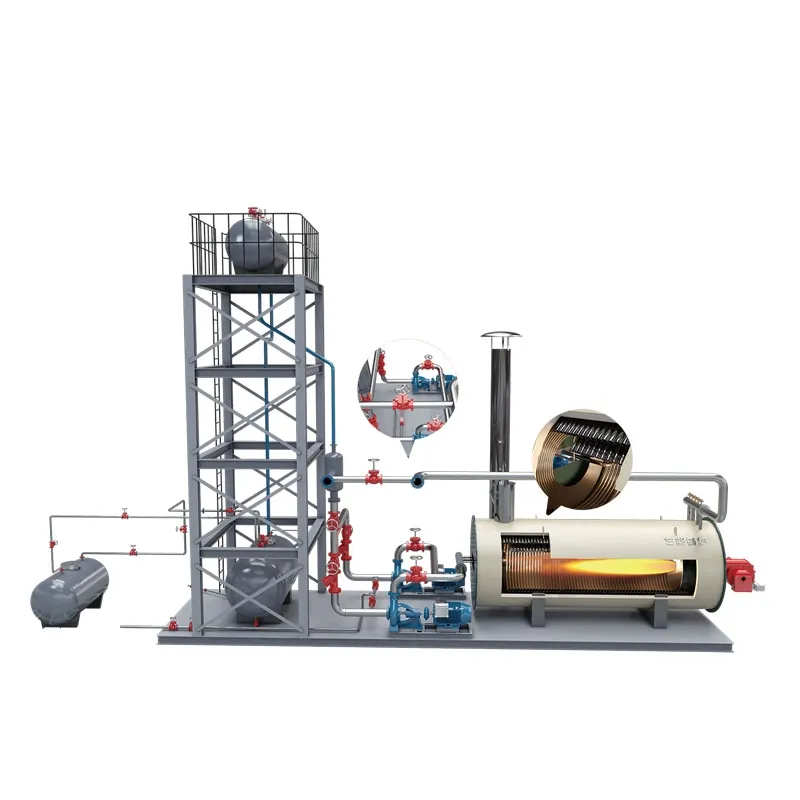
Utilizing high-capacity thermal oil systems to provide precise, uniform heating for crude oil distillation columns in the Sirte Basin, ensuring stability despite external temperature fluctuations.

02. Desalination Plant Steam Generation

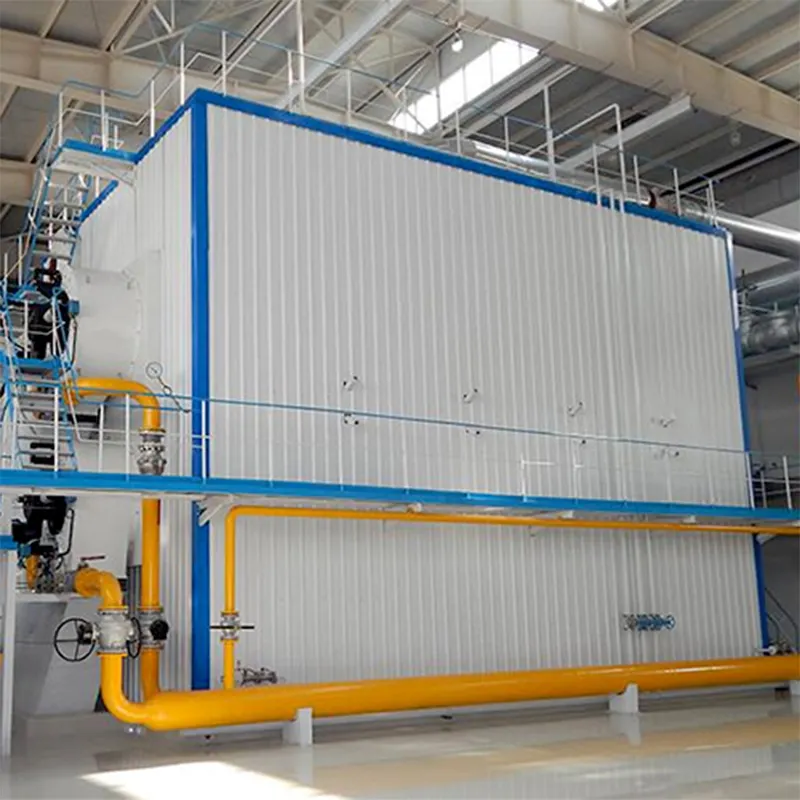
Implementation of multi-stage steam boilers to power thermal desalination units along the Mediterranean coast, providing critical fresh water to urban centers.

03. Food & Beverage Sterilization

Deploying compact water boilers for sterilization and pasteurization in Tripoli's growing food processing sector, ensuring strict hygiene standards with rapid heat-up times.

04. Petrochemical Waste Heat Recovery

Installing waste heat boilers to capture energy from exhaust gases in ethylene plants, converting waste into steam for other plant processes to minimize fuel consumption.

05. Remote Mining Site Heating

Providing ruggedized, modular heating units for mining camps in the southern desert, designed to operate under extreme dust and heat conditions with minimal maintenance.

Brand Story

Global Development Journey of Hebei Yinen Boiler Co., Ltd.

Foundational Excellence

Established with a mission to solve the inefficiency of industrial heating, we began by perfecting the core combustion chamber technology for high-durability boilers.

Technological Breakthroughs

Developed proprietary heat exchange surfaces that increased thermal efficiency by 15%, setting new benchmarks for the industry's energy conservation.

Global Market Expansion

Expanded our footprint across Africa and Asia, adapting our equipment to withstand extreme climates, from Arctic cold to Sahara heat.

Sustainability Commitment

Pivoted toward green energy, launching a series of low-emission and waste-recovery systems to help global clients achieve carbon neutrality.

Industry Leadership

Today, we stand as a premier partner for specialized equipment manufacturing, integrating AI and IoT into every thermal solution we deliver.

Complete Thermal Product Portfolio for Libya

A comprehensive range of boilers designed for durability, efficiency, and high performance in North African environments.

Common Questions for Boiler Users in Libya

Expert answers to the most frequent technical and operational queries from our local clients.

How to prevent corrosion in a steam boiler due to Libya's salty coastal air?

We recommend using specialized anti-corrosion coatings on the boiler exterior and implementing a rigorous multi-stage water softening and demineralization system to protect the internal tubes from salt and mineral deposits.

What are the advantages of a thermal oil boiler over steam in oil refineries?

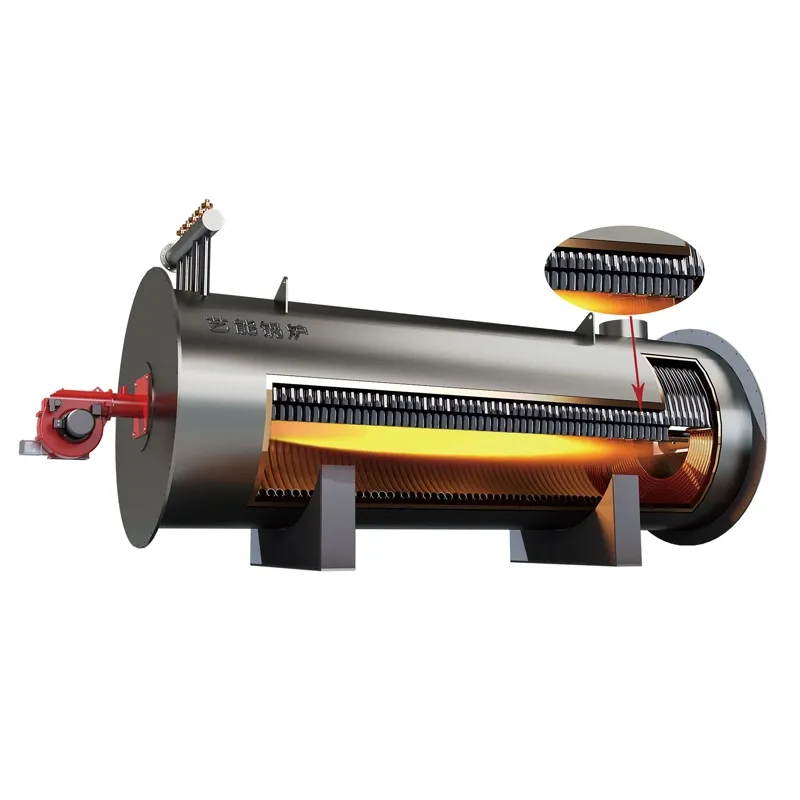
Thermal oil systems operate at lower pressures for the same temperatures, reducing the risk of explosions, eliminating the need for extensive water treatment, and providing more uniform heat distribution for viscous fluids.

Can a waste heat boiler be retrofitted into an existing Libyan factory?

Yes, we specialize in auditing existing exhaust streams to design a custom heat recovery system that integrates into your current piping, allowing you to recycle energy without replacing your primary boiler.

Which water boiler is best for areas with limited freshwater access in the desert?

For water-scarce regions, we recommend boilers with high-efficiency condensate recovery systems and integrated water recycling loops to minimize makeup water consumption.

How do I optimize fuel consumption for industrial boilers in high ambient temperatures?

Utilizing O2 trim control and variable speed drives (VSD) for combustion fans allows the boiler to adjust the air-fuel ratio in real-time as the ambient air density changes due to heat.

What maintenance schedule is recommended for boilers operating in dusty environments?

We suggest monthly inspections of air intake filters and quarterly cleaning of the heat exchange surfaces to prevent dust accumulation, which can significantly reduce heat transfer efficiency.

Ready to Optimize Your Thermal Energy?

Our engineering team is ready to provide customized boiler consultations and installation services across Libya.

Contact Us Now

If you are interested in our products, you can choose to leave your information here, and we will be in touch with you shortly.