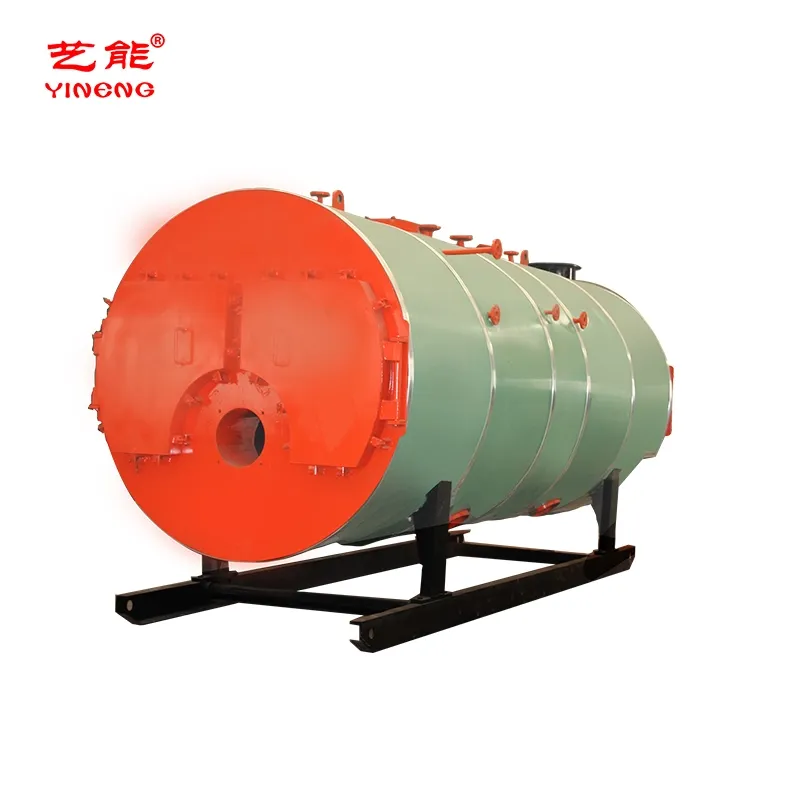
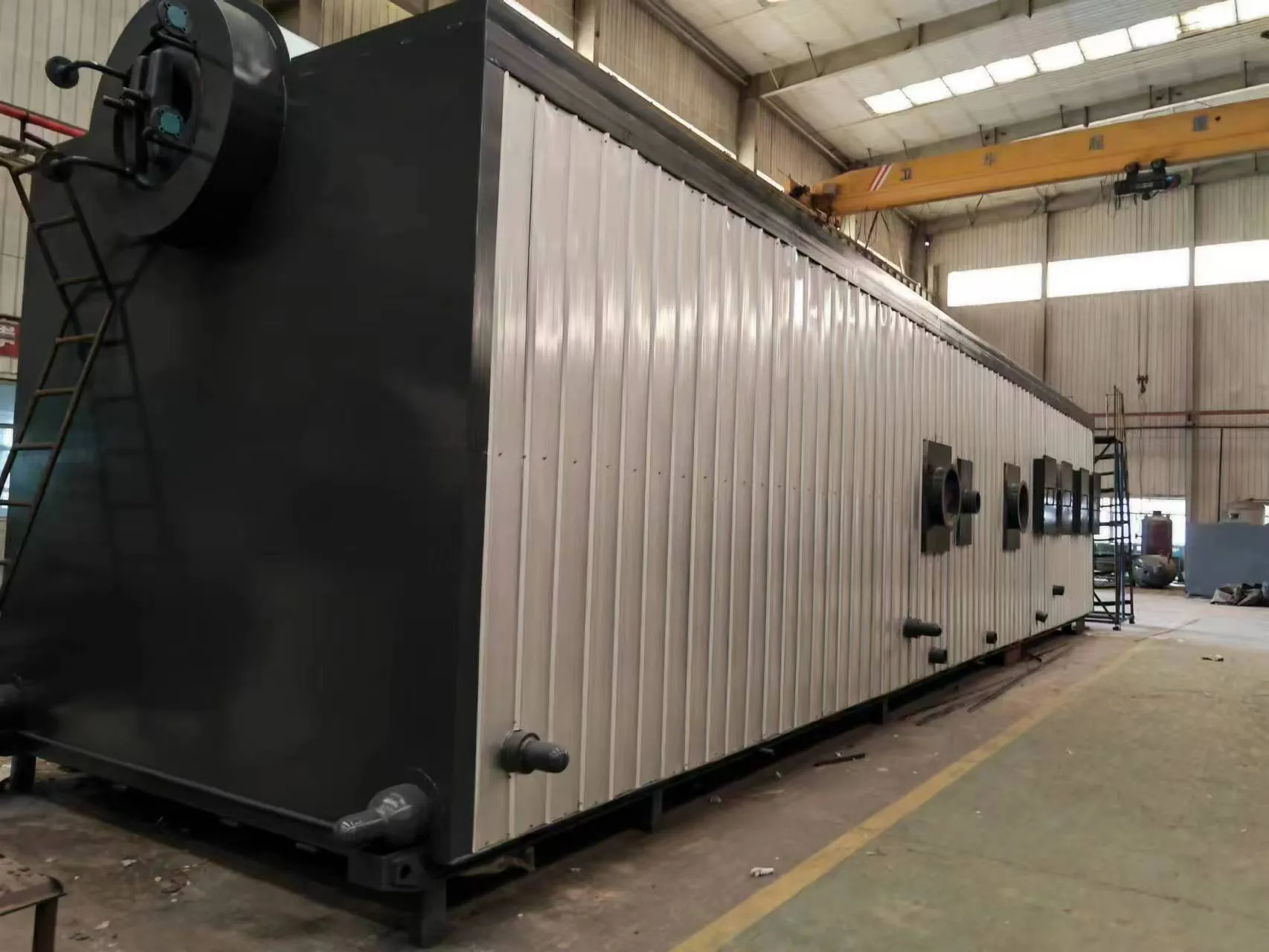
BOILER EXPERT
Since 1983, more than 40 years boiler experience

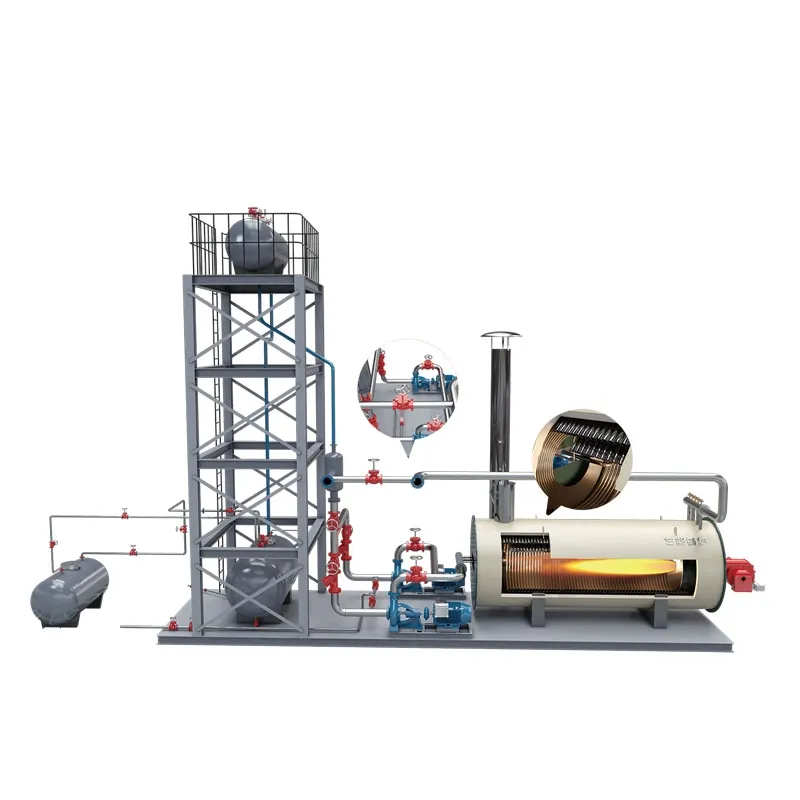
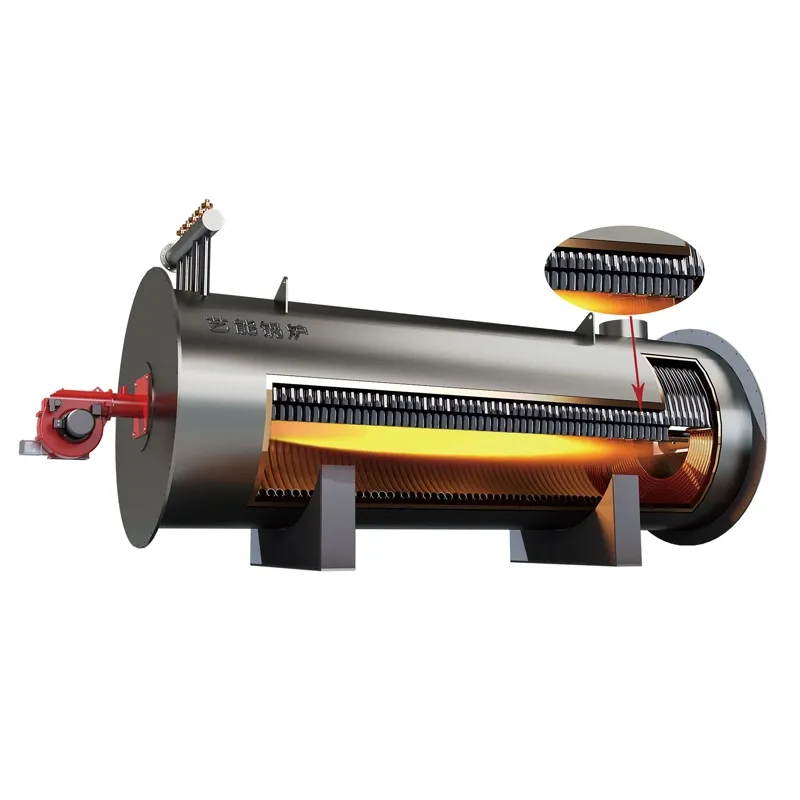
Industrial Heating Solutions for Russia: Advanced thermal oil boiler Systems

Engineered for extreme climates and heavy industrial loads, providing stable thermal energy across the Russian Federation's diverse manufacturing sectors.

Industrial Heating Solutions for Russia: Advanced thermal oil boiler Systems

Comprehensive high-efficiency heating equipment designed to withstand Arctic temperatures while maximizing fuel economy and operational safety.

The State of Thermal Energy Equipment in Russia

Analyzing the intersection of harsh climatic demands and industrial modernization.

Russia's industrial landscape is characterized by extreme temperature variances, requiring a boiler that can operate reliably from -40°C to peak summer heat. The reliance on heavy industry in the Ural and Siberian regions has created a massive demand for robust heating systems that prioritize thermal inertia and leak prevention.

Currently, many Russian facilities are transitioning from aging Soviet-era infrastructure to modern, automated systems. The shift is driven by a need for higher energy efficiency and the integration of steam boiler technology that supports remote monitoring, reducing the need for manual intervention in hazardous or isolated locations.

Furthermore, the Russian market is seeing a surge in the adoption of specialized heating mediums. The implementation of a water boiler for district heating and high-pressure systems for chemical processing reflects a move toward diversified energy applications and stricter environmental compliance.
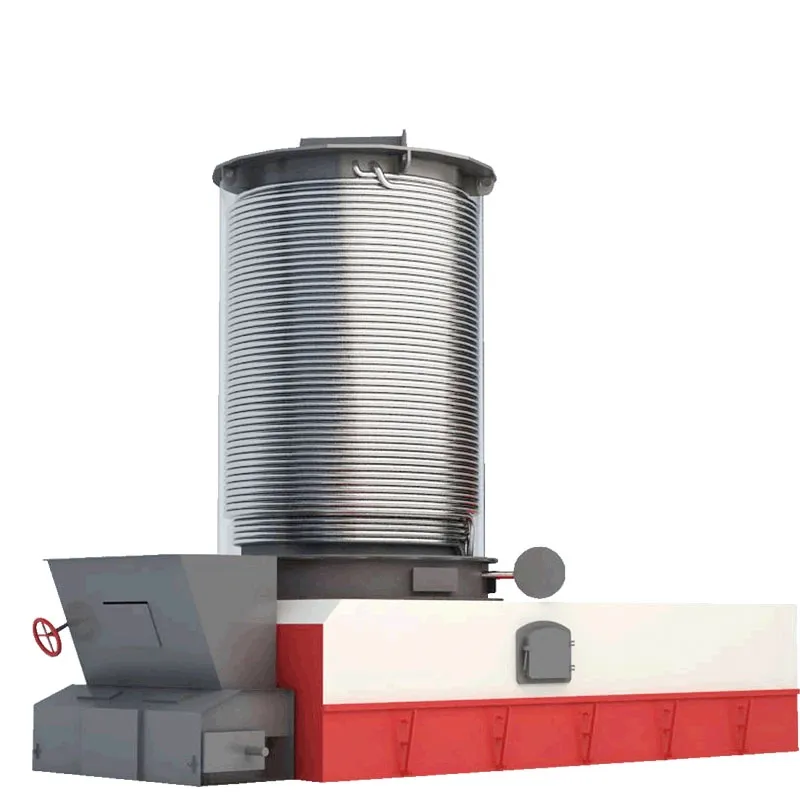
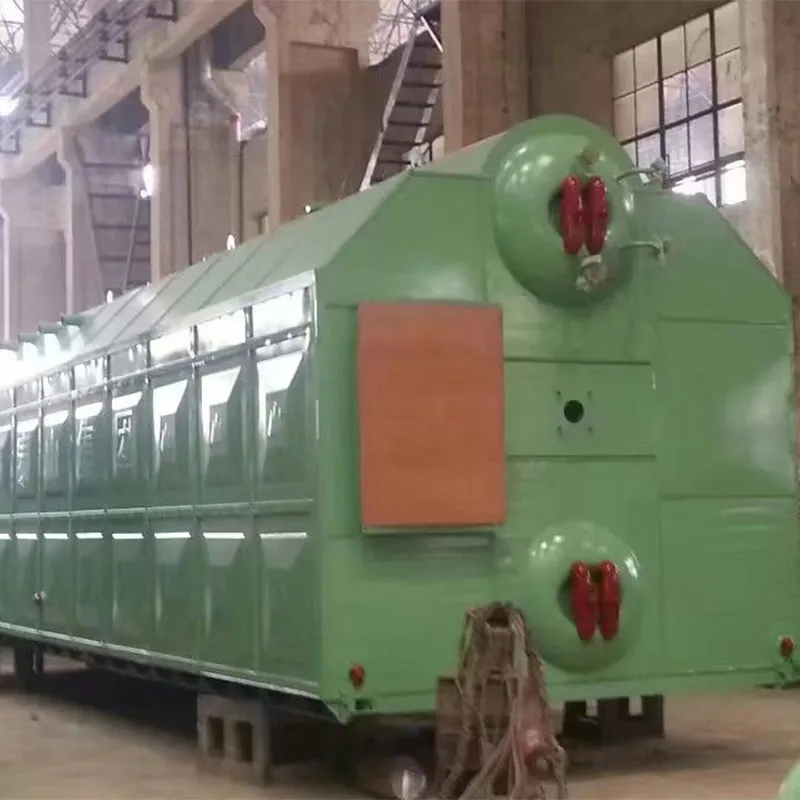
Evolution and Trajectory of Russian Boiler Technology

From centralized coal-fired giants to decentralized, intelligent thermal plants.

Market Development History

Between 1960 and 1990, the Russian heating sector was dominated by massive, centralized coal-fired plants. These systems were designed for scale rather than efficiency, focusing on basic heat delivery to vast industrial complexes.

Entering the 2000s, the focus shifted toward fuel flexibility. The introduction of natural gas-fired equipment allowed for a significant reduction in emissions and a transition toward the modular waste heat boiler to recover energy from exhaust gases in metallurgical plants.

From 2015 to the present, the trajectory has moved toward "Industry 4.0." Modern Russian plants now integrate PLC-controlled combustion systems and high-performance materials to extend the lifespan of equipment in corrosive environments.

Future Development Trends

Hydrogen-Ready Combustion

Integration of hydrogen blending in burners to meet the emerging carbon-neutral targets within the Eurasian economic zone.

AI-Driven Predictive Maintenance

Utilizing IoT sensors to predict tube failure and scale buildup, minimizing unplanned downtime in critical heating cycles.

Hybrid Energy Recovery

Combining solar thermal capture with traditional combustion to optimize energy loads during seasonal transitions.

Industry Trends & Future Outlook for Russia

Strategic foresight into the evolution of energy manufacturing in Eastern Europe.

Ultra-Low Emission Burners
Transitioning to NOx and SOx reduction technologies to comply with evolving Russian environmental laws.
Modular Plant Design
Rapid deployment of skid-mounted boiler units for remote oil and gas fields in Northern Russia.
Digital Twin Integration
Using virtual models to simulate heat distribution and stress tests under extreme Siberian winters.
Energy Circularity
Implementing closed-loop waste heat recovery to minimize primary fuel consumption.

Industry Outlook

The next 3-5 years will see a decisive shift toward decentralized energy clusters. As Russia continues to modernize its industrial zones, the demand for highly efficient, compact heating units will outpace the demand for massive central plants.

Search trends indicate a rising interest in "low-carbon industrial heating" and "automated thermal control," suggesting that the market is ready for high-tech, integrated solutions that reduce operational overhead and carbon footprints.

Localized Application Scenarios in Russia

Tailored thermal solutions for the unique industrial needs of the Russian region.

01. Oil & Gas Refineries in Siberia

Utilizing high-pressure thermal oil systems to maintain fluid viscosity in pipelines and processing units during extreme sub-zero temperatures.

02. Chemical Processing in the Urals

Deployment of precision-controlled steam systems for catalyst heating and reaction vessel temperature stabilization.

03. Food & Beverage Plants in Moscow Region

Integrating efficient water heating systems for large-scale sterilization and pasteurization processes with strict energy quotas.

04. Metallurgical Smelters in Chelyabinsk

Installing massive waste heat recovery units to capture furnace exhaust, converting waste energy back into usable plant power.

05. District Heating for Remote Settlements

Implementing modular, automated boiler stations that provide reliable heat and hot water to isolated Arctic communities.

Brand Story

Global Development Journey of Hebei Yinen Boiler Co., Ltd.

Foundational Engineering

Established with a mission to solve the core inefficiency of industrial combustion, focusing on high-durability heat exchangers.

Technological Breakthrough

Pioneered advanced welding and metallurgy techniques to create boilers that resist high-pressure fatigue and thermal shock.

Global Expansion

Extended operations into the European and Russian markets, adapting designs for cold-climate resilience and international safety standards.

Smart Integration

Incorporated IoT and AI automation, transforming traditional hardware into intelligent energy management systems.

Sustainable Future

Dedicated to leading the transition toward zero-emission industrial heating through hydrogen and biomass innovations.

Common Questions for the Russian Market

Technical clarifications for engineers and procurement managers in Russia.

How do your boilers handle extreme Siberian winter temperatures?

Our equipment features reinforced insulation, anti-freeze protection for piping, and specialized alloys that maintain structural integrity at -40°C.

Can a thermal oil boiler be integrated into existing Russian plant infrastructure?

Yes, our systems are designed for modular integration, allowing them to either supplement or replace legacy steam systems with minimal downtime.

What fuel types are supported for industrial boilers in the Russian region?

We offer multi-fuel burners supporting natural gas, diesel, heavy fuel oil (HFO), and various biomass options to ensure energy security.

How is the efficiency of a waste heat boiler measured in heavy industry?

Efficiency is measured by the percentage of exhaust energy recovered as steam or hot water, significantly reducing the primary fuel load of the plant.

What certifications do your steam boilers hold for the Eurasian market?

Our products are manufactured to meet GOST standards and international ISO certifications, ensuring full legal and safety compliance in Russia.

What is the maintenance cycle for a high-capacity water boiler?

We recommend a quarterly diagnostic check and an annual comprehensive overhaul, which can be managed via our remote monitoring software.

Ready to Optimize Your Thermal Energy?

Consult with our experts to design a custom heating solution for your facility in Russia.

Contact Us Now

If you are interested in our products, you can choose to leave your information here, and we will be in touch with you shortly.