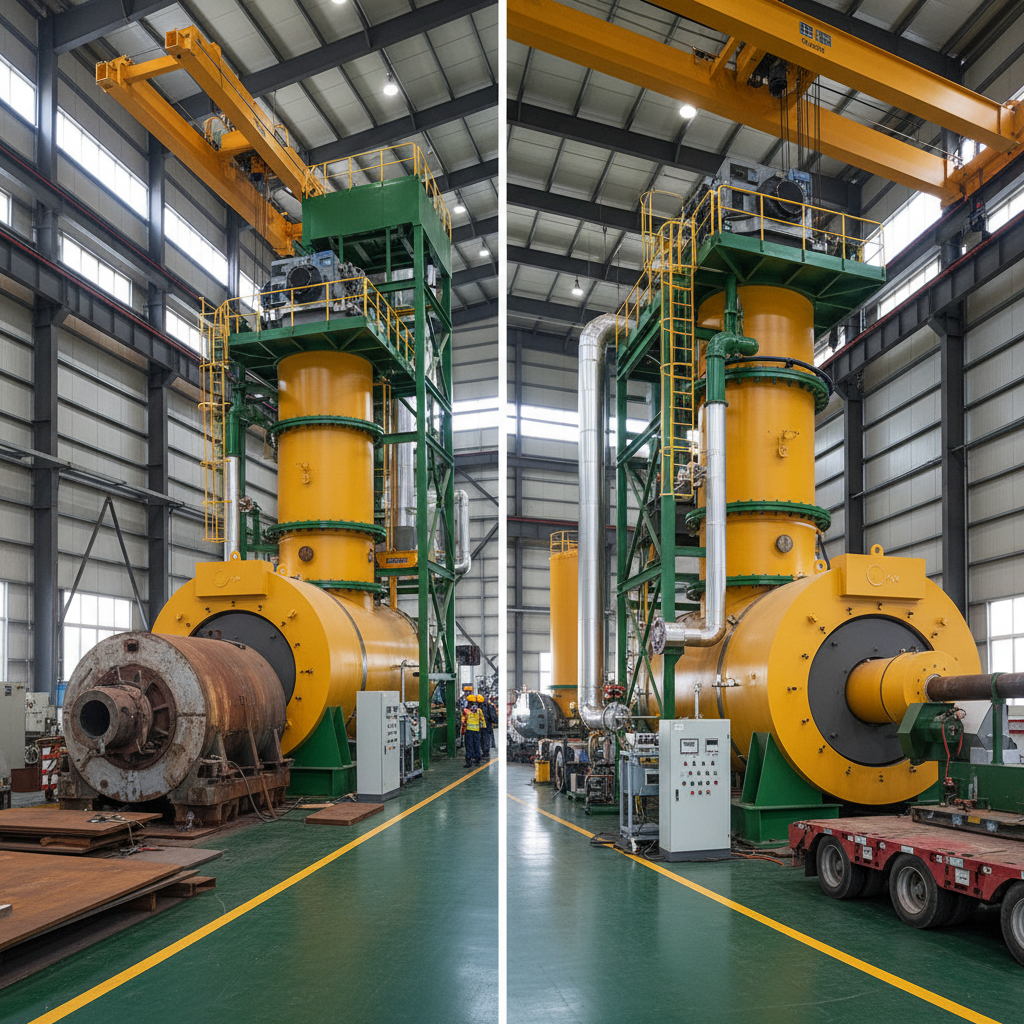
The global transition toward cleaner energy sources has positioned the natural gas boiler as a critical bridge between traditional fossil fuels and a fully sustainable future. As industries strive to reduce their carbon footprint while maintaining high thermal efficiency, the adoption of natural gas-fired systems has surged. These systems offer a compelling balance of reliability, controllability, and lower emissions compared to coal or oil alternatives.
Understanding the intricacies of these systems is not merely a technical requirement for engineers but a strategic necessity for business owners in the manufacturing and energy sectors. By optimizing heat generation and recovery, companies can significantly lower operational costs and comply with increasingly stringent international environmental regulations. The versatility of these boilers makes them indispensable across various scales, from small commercial enterprises to massive industrial complexes.
In this comprehensive guide, we will explore the technological foundations, global applications, and future trajectories of the natural gas boiler. Whether you are looking to upgrade an existing facility or design a new energy plant, grasping the core components and efficiency drivers of this technology will ensure a sustainable and cost-effective thermal strategy.
Global Relevance of Natural Gas Boilers
On a global scale, the shift toward the natural gas boiler is driven by the urgent need to decarbonize the industrial heating sector. Data from international energy agencies indicate that natural gas emits significantly less CO2 and particulate matter than coal or heavy fuel oils. This has led to a widespread policy shift in Europe and North America, where government subsidies often encourage the decommissioning of older, pollutant-heavy boilers in favor of cleaner gas-fired technology.
Beyond environmental concerns, the logistical advantage of piped gas infrastructure allows for a continuous, automated fuel supply, eliminating the need for massive on-site storage and the labor-intensive handling associated with biomass or coal. This streamlined approach to energy management enhances safety and reliability, ensuring that critical industrial processes—from pharmaceutical sterilization to textile dyeing—remain uninterrupted.
Defining the Modern Natural Gas Boiler
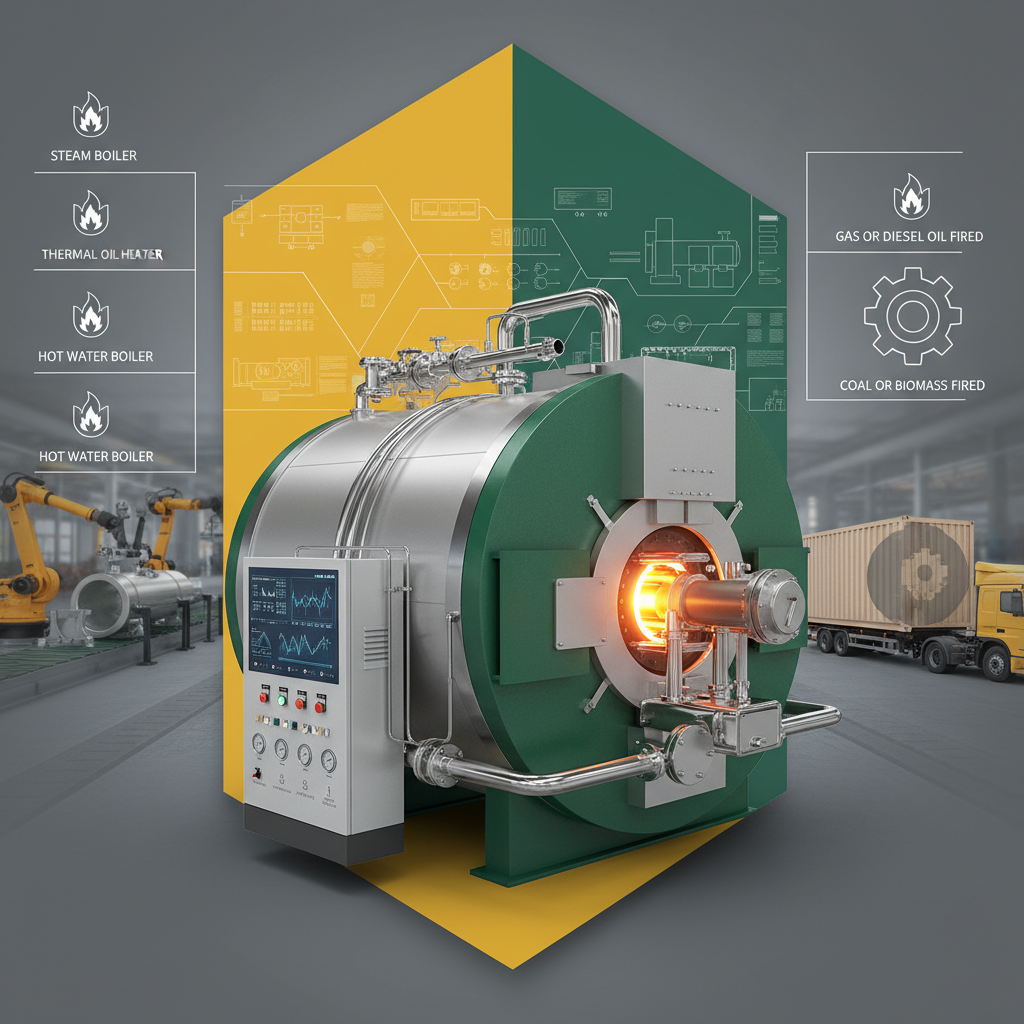
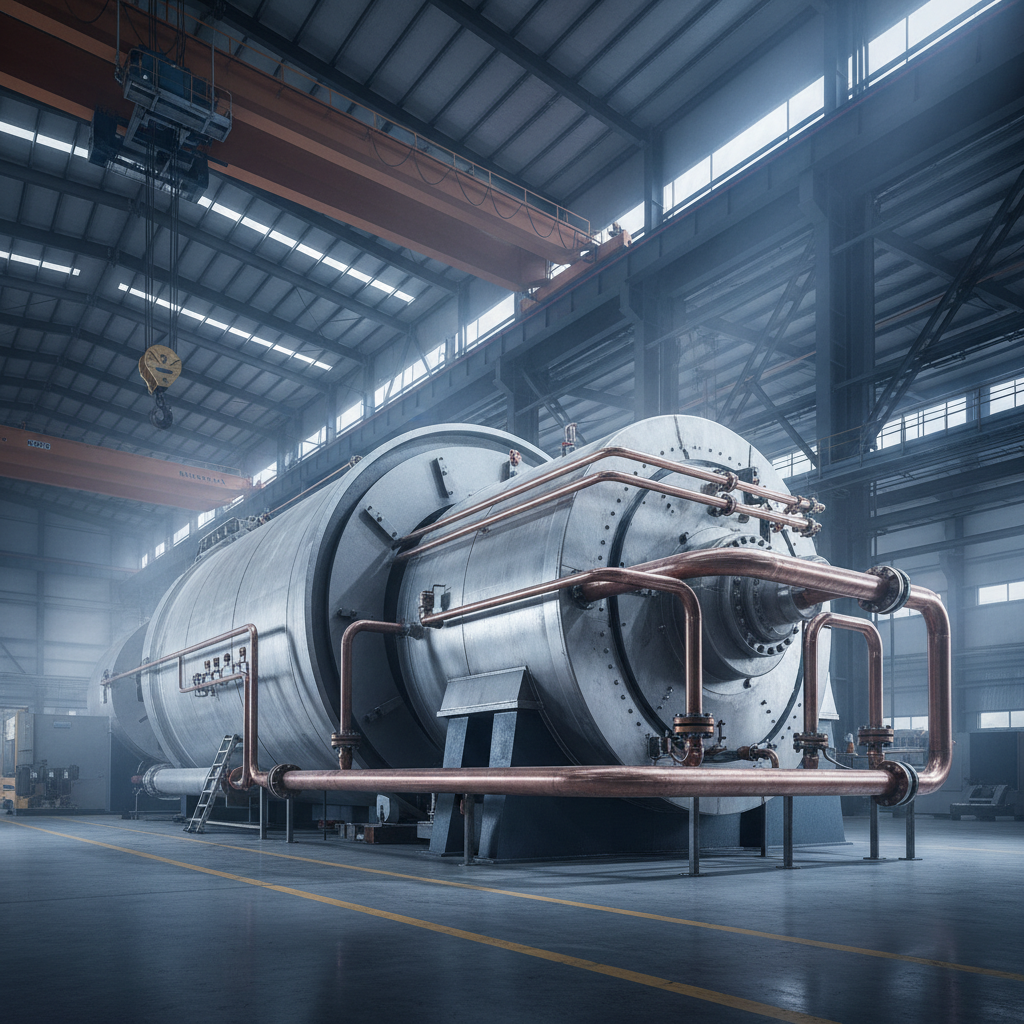
In simple technical terms, a natural gas boiler is a pressurized vessel designed to transfer heat energy from the combustion of natural gas to a fluid, typically water or thermal oil. Unlike primitive furnaces, modern gas boilers utilize sophisticated burner systems and heat exchangers to maximize the amount of energy extracted from every cubic meter of gas, often achieving efficiencies that exceed 90% in condensing models.
These systems are integral to modern humanitarian and industrial needs because they provide a scalable solution for heating and steam generation. Whether it is providing hot water for a regional hospital or generating high-pressure steam for a chemical processing plant, the gas boiler offers a level of precision control over temperature and pressure that is difficult to achieve with solid fuel systems.
The connection between these boilers and modern industry lies in their ability to integrate with Digital Twin technology and IoT monitoring. By utilizing sensors to track combustion efficiency in real-time, operators can fine-tune the air-to-fuel ratio, reducing waste and extending the lifespan of the equipment, thereby supporting a more sustainable industrial ecosystem.
Core Components and Efficiency Factors
The operational excellence of a natural gas boiler depends heavily on its burner system and heat exchanger. The burner is responsible for the precise mixing of fuel and air, while the heat exchanger ensures that the thermal energy is transferred to the water with minimal loss. High-grade alloys and corrosion-resistant coatings are typically employed to ensure that these components can withstand extreme thermal cycling.
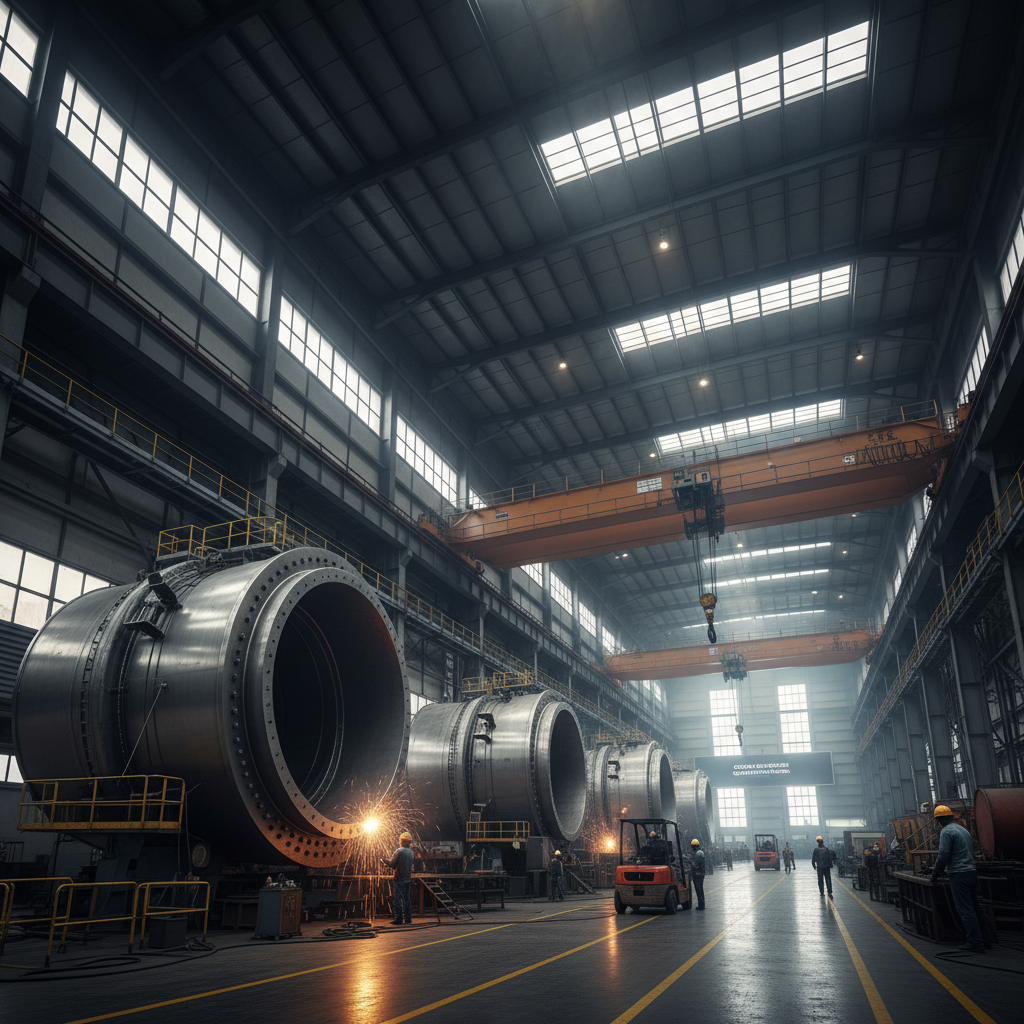
Scalability and modularity are key factors in the design of a professional natural gas boiler. By employing a modular layout, industrial facilities can start with a baseline capacity and add additional boiler units as their production needs grow. This avoids the massive upfront capital expenditure of an oversized system while ensuring that the plant remains agile.
Finally, the integration of economizers and condensing technology represents the pinnacle of efficiency for the natural gas boiler. These components capture latent heat from the exhaust gases—which would otherwise be wasted—and use it to preheat the incoming feed water. This "closed-loop" thermal logic significantly reduces fuel consumption and lowers the overall cost per unit of steam produced.
Industrial Applications and Use Cases
The application of the natural gas boiler spans an incredible array of sectors. In the food and beverage industry, for example, these boilers provide the sterile steam required for pasteurization and canning processes, where precise temperature control is mandatory for food safety. Similarly, in the textile industry, gas boilers drive the dyeing and drying machines that require vast amounts of consistent thermal energy.
In more specialized contexts, such as remote industrial zones or newly developed economic hubs, the deployment of modular gas boilers allows for rapid infrastructure setup. For instance, in large-scale pharmaceutical labs, the stability of a gas-fired steam system ensures that volatile chemical reactions are maintained at exact temperatures, preventing batch failures and ensuring product purity.
Performance Comparison of Natural Gas Boiler Configurations
Long-Term Value and Sustainability
Investing in a high-quality natural gas boiler provides tangible long-term value by slashing maintenance overheads and fuel costs. Because natural gas burns cleaner than coal or oil, there is significantly less soot and ash buildup within the boiler tubes. This reduces the frequency of manual cleaning and lowers the risk of premature corrosion, thereby extending the operational life of the asset.
Beyond the financial metrics, there is a powerful emotional and logical appeal to the safety and trust associated with modern gas systems. Automated safety shut-off valves and real-time leak detection provide peace of mind for plant managers, knowing that the risk of catastrophic failure is minimized. This reliability fosters a culture of innovation, as companies can focus on scaling their production rather than worrying about energy instability.
Future Trends in Thermal Engineering
The future of the natural gas boiler is inextricably linked to the rise of "Green Hydrogen." Engineers are currently developing hybrid burners capable of switching between natural gas and hydrogen blends. As hydrogen production becomes more cost-effective, these boilers will allow industries to transition to zero-carbon heating without replacing their entire infrastructure.
Digital transformation is also reshaping the landscape. The integration of AI-driven predictive maintenance allows a natural gas boiler to signal its own need for service before a breakdown occurs. By analyzing vibration patterns and temperature fluctuations, AI algorithms can predict tube leaks or burner malfunctions, reducing unplanned downtime to nearly zero.
Furthermore, we are seeing a shift toward "Cogeneration" or Combined Heat and Power (CHP) systems. In these setups, the gas boiler doesn't just provide heat; the waste heat from electricity generation is captured to feed the boiler's processes. This holistic approach to energy maximizes every joule of energy, pushing the boundaries of what is possible in industrial sustainability.
Overcoming Operational Challenges
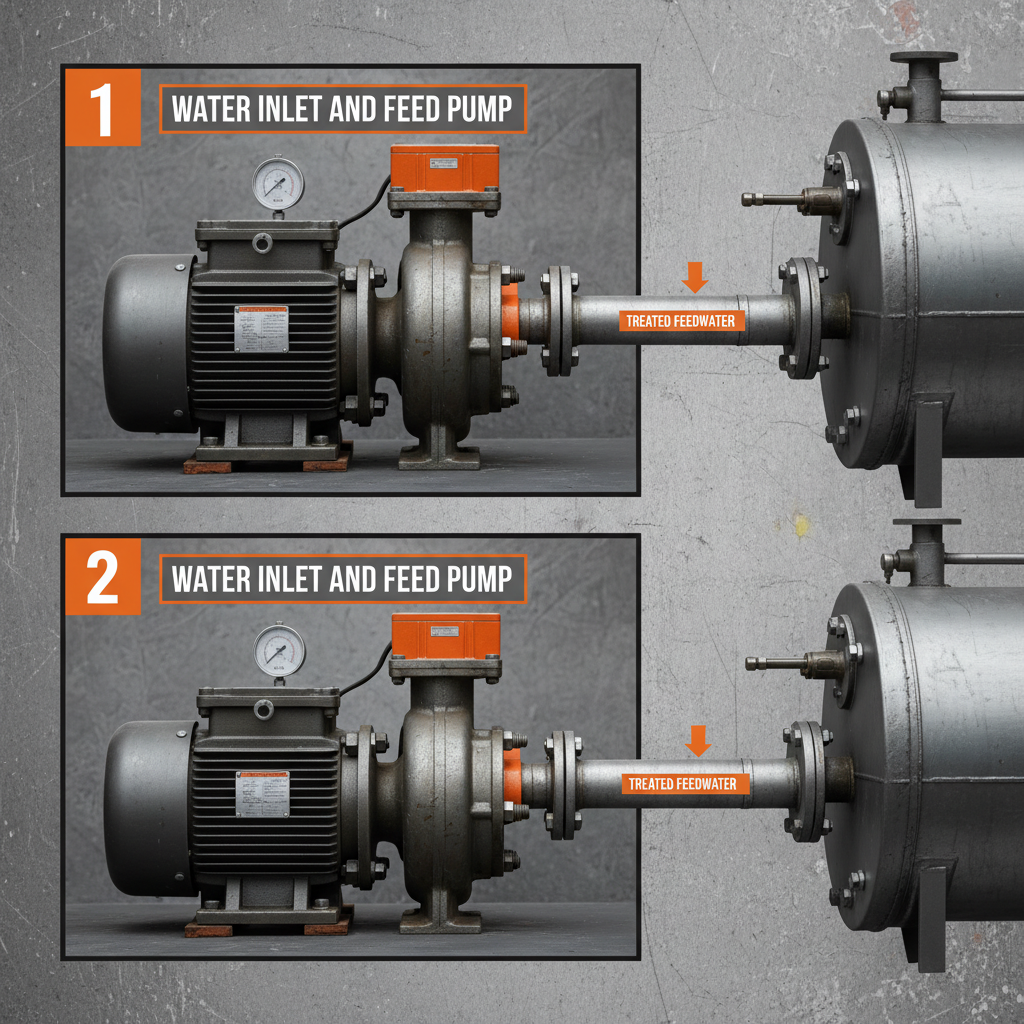
Despite their advantages, the operation of a natural gas boiler is not without challenges. One of the most common issues is "water scaling," where mineral deposits build up inside the heat exchanger, insulating the tubes and forcing the boiler to burn more gas to achieve the same temperature. To solve this, professional operators implement advanced water softening and reverse osmosis systems.
Another challenge is the volatility of natural gas prices. To mitigate this risk, many forward-thinking companies are adopting dual-fuel capabilities. By installing a natural gas boiler that can temporarily switch to diesel or LPG during gas price spikes, businesses can maintain price stability and operational continuity regardless of geopolitical fluctuations.
Lastly, strict emission standards (such as NOx limits) require constant tuning of the combustion process. The solution lies in the adoption of Low-NOx burners and Flue Gas Recirculation (FGR) technology. These innovations lower the peak flame temperature, significantly reducing the formation of nitrogen oxides and ensuring that the facility remains compliant with environmental laws.
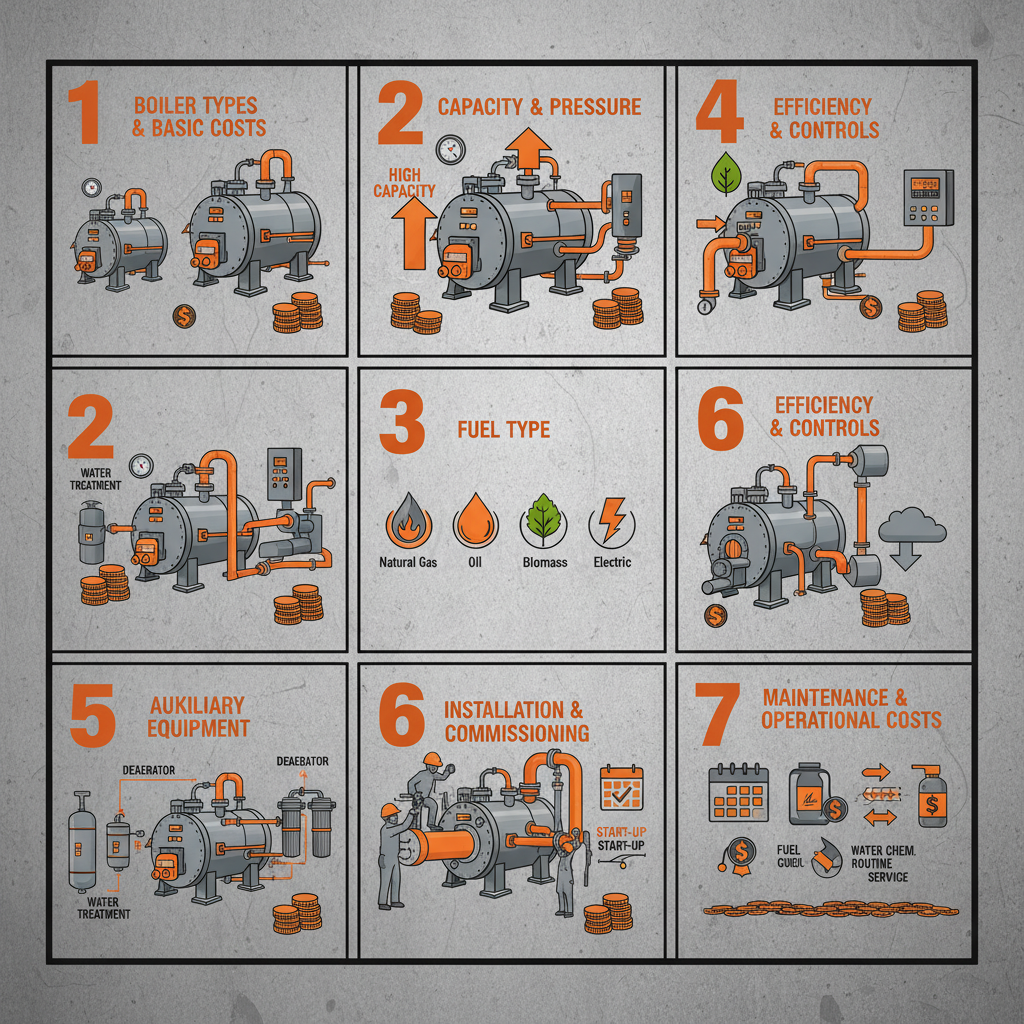
Comparative Analysis of Natural Gas Boiler Optimization Strategies
|
Optimization Method
|
Implementation Cost
|
Efficiency Gain
|
ROI Period
|
| Condensing Economizer |
Medium |
High (8-12%) |
18-24 Months |
| Low-NOx Burner Upgrade |
Low |
Moderate (2-4%) |
12 Months |
| AI Predictive Control |
Medium |
Moderate (5-7%) |
24-36 Months |
| Water Softening System |
Low |
High (Preventative) |
6-12 Months |
| Dual-Fuel Conversion |
High |
Low (Risk Mgmt) |
Variable |
| Modular Expansion |
High |
High (Scalability) |
36+ Months |
FAQS
The efficiency advantage stems from the chemical properties of natural gas and the design of the burner. Natural gas burns more cleanly and predictably, allowing for tighter combustion control. Additionally, modern gas boilers often incorporate condensing technology that recovers latent heat from flue gases, a process much harder to implement in coal systems due to high ash and sulfur content.
While gas systems are cleaner, quarterly inspections of the burner and annual deep cleans of the heat exchanger are recommended. Most industrial operators schedule a major shutdown once a year for pressure vessel testing and sensor calibration to ensure safety and maintain peak efficiency ratings.
Yes, many high-end natural gas boilers are being designed with "hydrogen-ready" burners. This means the metallurgy and burner head are capable of handling the higher flame temperature and different combustion characteristics of hydrogen, allowing companies to transition to green energy without replacing the entire unit.
With proper water treatment and regular maintenance, a high-quality industrial gas boiler can last between 20 to 30 years. The primary factors that shorten this lifespan are poor water quality (leading to scaling) and extreme thermal cycling caused by poor load management.
Impurities in water, such as calcium and magnesium, create a hard scale on the interior walls of the boiler. This scale acts as an insulator, reducing the heat transfer from the gas flame to the water. This forces the boiler to burn more fuel to reach the desired temperature, increasing costs and risking tube failure due to overheating.
Modular systems offer superior flexibility. They allow you to match the energy output exactly to the current demand, meaning you don't run a massive boiler at 20% capacity (which is inefficient). They also provide redundancy; if one small module requires maintenance, the others keep the plant running.
Conclusion
In summary, the natural gas boiler stands as a cornerstone of modern industrial heating, offering an optimized blend of environmental compliance, operational reliability, and cost-efficiency. By integrating advanced components like condensing economizers and AI-driven controls, industries can drastically reduce their energy waste and carbon output while ensuring a stable supply of steam or thermal oil for their critical processes.
Looking forward, the evolution toward hydrogen-ready systems and digital twin monitoring will further enhance the value of this technology. For enterprises seeking to balance immediate productivity with long-term sustainability, investing in a high-efficiency gas-fired system is not just a technical upgrade—it is a strategic move toward a greener, more resilient industrial future. Visit our website to explore our professional solutions: www.yinengboilers.com