BOILER EXPERT
Since 1983, more than 40 years boiler experience

Industrial Thermal Oil Boiler Solutions for Mali

Providing high-efficiency thermal energy systems tailored for Mali's industrial growth, ensuring stability in extreme Sahelian climates.

Industrial Thermal Oil Boiler Solutions for Mali

Our advanced thermal energy solutions are engineered to withstand high ambient temperatures and unstable power grids, providing Mali's manufacturing sector with reliable, sustainable heat.

Current Thermal Energy Landscape in Mali

Analyzing the operational challenges of industrial heating in the Sahel region.

In Mali, the industrial sector predominantly relies on legacy heating systems that struggle with the extreme heat of the Sahel. The prevalence of hard water in many regions makes the maintenance of a standard water boiler a significant challenge, often leading to rapid scale accumulation and reduced efficiency.

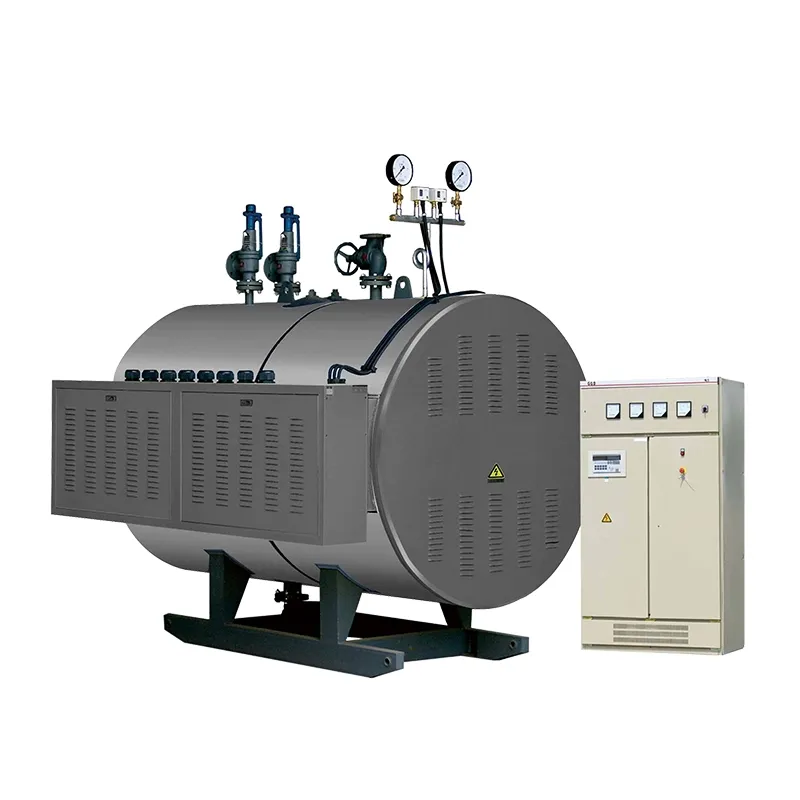
Energy costs and fuel availability remain volatile, pushing local enterprises to seek more versatile options. While basic combustion systems are common, there is a growing demand for a high-performance steam boiler to support the expansion of textile and food processing industries in Bamako and surrounding areas.

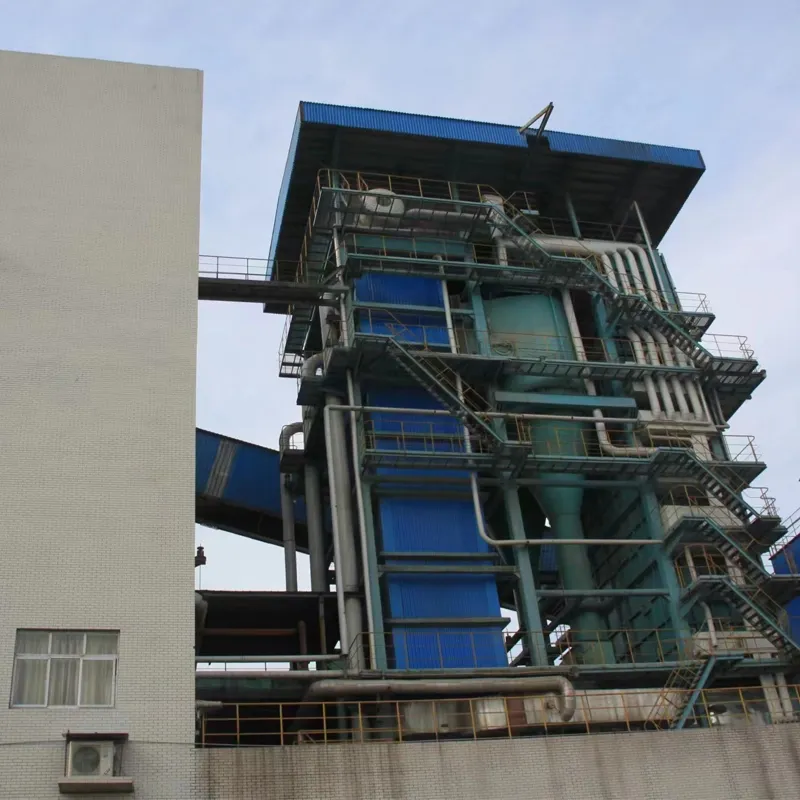
Environmental constraints and the need for energy independence have highlighted a critical gap in waste recovery. Currently, most industrial heat is vented, creating a massive opportunity for the implementation of a waste heat boiler to lower operational costs and carbon footprints.
Evolution and Trajectory of Boiler Technology in Mali

From traditional biomass firing to smart thermal management.

Market Development History

From 1990 to 2010, the Malian market was dominated by simple, manually operated atmospheric boiler units, primarily utilizing wood or agricultural residues, which suffered from low thermal efficiency and high emissions.

Between 2010 and 2020, a shift toward imported semi-automated systems occurred. The introduction of modulated burners allowed for better fuel control, particularly in the mining and gold processing sectors where consistent heat is mandatory.

Since 2020, the focus has shifted toward "Modularization and Intelligence." Industries are now adopting compact, pre-fabricated units that can be easily transported to remote sites, reducing installation time and technical barriers.

Future Development Trends

Hybrid Fuel Integration

Integrating solar-thermal collectors with existing boiler systems to leverage Mali's abundant sunlight, reducing reliance on imported diesel.

Low-Emission Combustion

Transitioning toward ultra-low NOx burners to comply with emerging West African environmental standards and improve air quality in urban hubs.

IoT-Based Remote Monitoring

Implementation of cloud-based diagnostics to allow experts to monitor boiler health remotely, solving the local shortage of specialized maintenance engineers.

Industry Trends and Future Outlook

Strategic directions for thermal equipment in the African market.

Energy Diversification
Shifting from single-fuel to multi-fuel capabilities to hedge against fuel supply disruptions in Mali.
Thermal Efficiency
Implementing high-density insulation to prevent heat loss during high-temperature ambient spikes.
Water Conservation
Developing closed-loop systems to minimize water consumption in Mali's arid regions.
Smart Grid Readiness
Designing controls that can withstand voltage fluctuations common in Malian power grids.

Industry Outlook

Google search trends indicate a rising interest in "renewable industrial heat" and "energy efficiency" across West Africa. This suggests that the next 3-5 years will see a pivot toward systems that can integrate biomass and solar power into their heating cycles.

The Malian government's push for agricultural industrialization will drive demand for scalable thermal units. We expect a shift toward high-automation systems that reduce the need for constant manual oversight, enhancing safety and reliability.

Localized Application Scenarios in Mali

Customized heating solutions for Mali's core industrial sectors.

01. Gold Mining and Ore Processing

Utilizing high-pressure thermal systems to facilitate chemical leaching and ore drying, ensuring continuous production despite external temperature fluctuations.

02. Cotton and Textile Manufacturing

Deploying precision steam systems for fabric dyeing and drying, focusing on energy recovery to lower the cost per unit of textile produced.

03. Agro-Processing (Mango & Cashew)

Implementing low-pressure heating for sterilization and pasteurization of local produce to meet international export standards.

04. Chemical and Soap Production

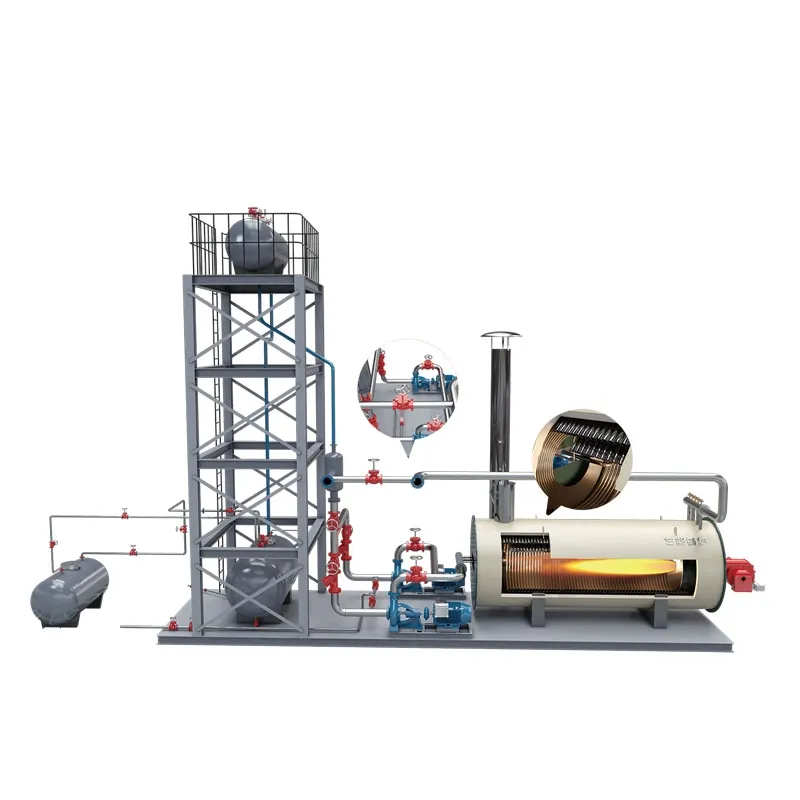
Using heat transfer fluids via thermal oil systems to maintain precise, high temperatures without the risk of high-pressure steam explosions.

05. Municipal Water Heating

Providing large-scale water heating solutions for institutional buildings in Bamako, focusing on durability and ease of maintenance.

Brand Story

Global Development Journey of Hebei Yinneng Boiler Co., Ltd.

Foundation & Specialization

Starting with a focus on core combustion technology, we dedicated ourselves to solving the efficiency gaps in industrial heating.

Technological Innovation

We pioneered modular designs that allowed industrial boilers to be deployed in challenging environments with minimal on-site labor.

Global Market Expansion

Expanding into the African market, we adapted our engineering to meet the specific needs of arid and semi-arid industrial zones.

Quality Certification

Achieving international standards (ISO, CE) to ensure that our equipment provides maximum safety for operators worldwide.

Sustainable Future Mission

Our current mission is to lead the transition toward carbon-neutral industrial heat through waste recovery and hybrid energy systems.

Mali Industrial Heating FAQ

Addressing the most common technical concerns of our Malian clients.

How to prevent scale in a water boiler in Mali?

We recommend integrating a professional water softening system and implementing a regular blowdown schedule to remove dissolved solids common in Malian groundwater.

Which is better for textile dyeing: steam boiler or thermal oil?

A steam boiler is generally preferred for dyeing due to the high latent heat of steam, providing faster and more uniform heating for fabrics.

Can a waste heat boiler operate with biomass fuels?

Yes, our waste heat recovery systems can be integrated with biomass-fired plants to capture exhaust heat and significantly improve overall thermal efficiency.

How do thermal oil boilers handle high ambient temperatures?

They are designed with specialized heat transfer fluids that remain stable at high temperatures and utilize enhanced cooling systems for the control electronics.

What are the installation requirements for industrial boilers in Bamako?

Requirements include a reinforced concrete foundation, a certified ventilation system, and a stable water supply with pre-treatment capabilities.

How often should an industrial boiler be serviced in Mali?

Due to the dusty environment and water quality, we recommend a comprehensive inspection every 6 months and daily checks of the water treatment levels.

Consult Our Engineering Experts

Looking for a high-efficiency thermal solution for your facility in Mali? Our team provides full technical support from design to installation.

Contact Us Now

If you are interested in our products, you can choose to leave your information here, and we will be in touch with you shortly.