BOILER EXPERT
Since 1983, more than 40 years boiler experience

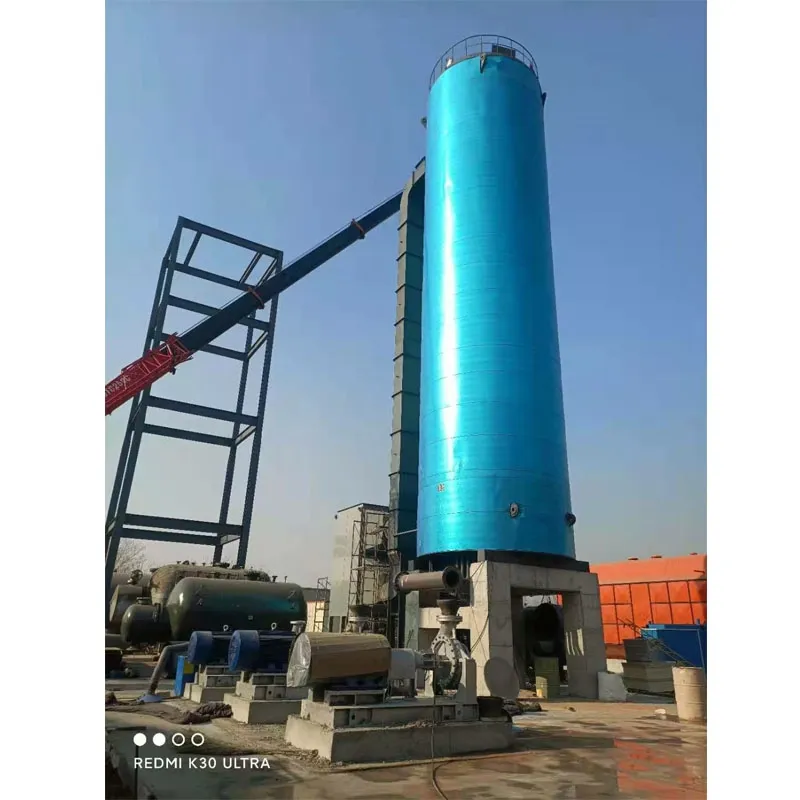
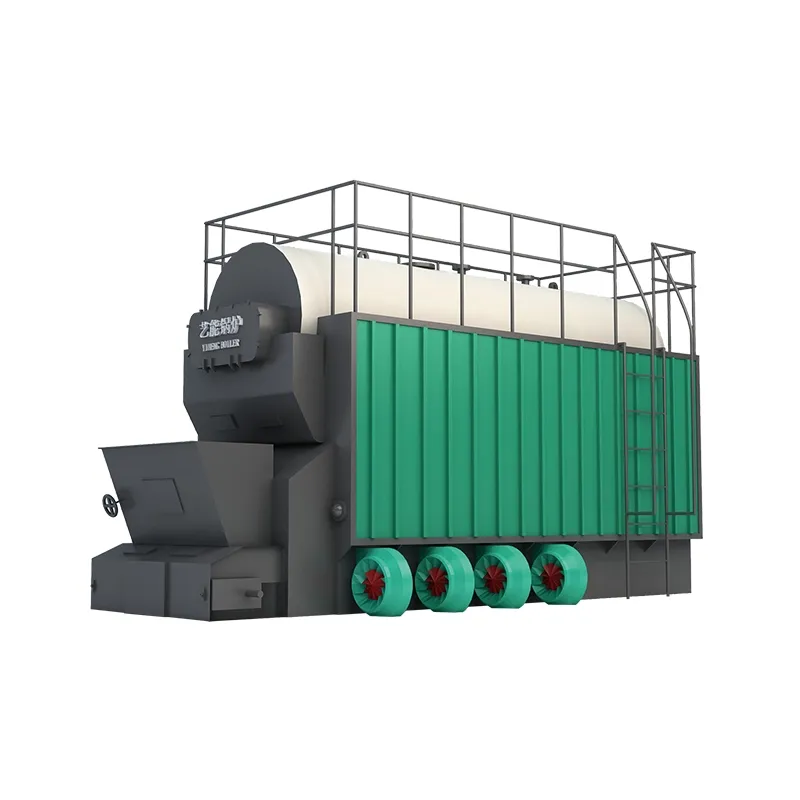
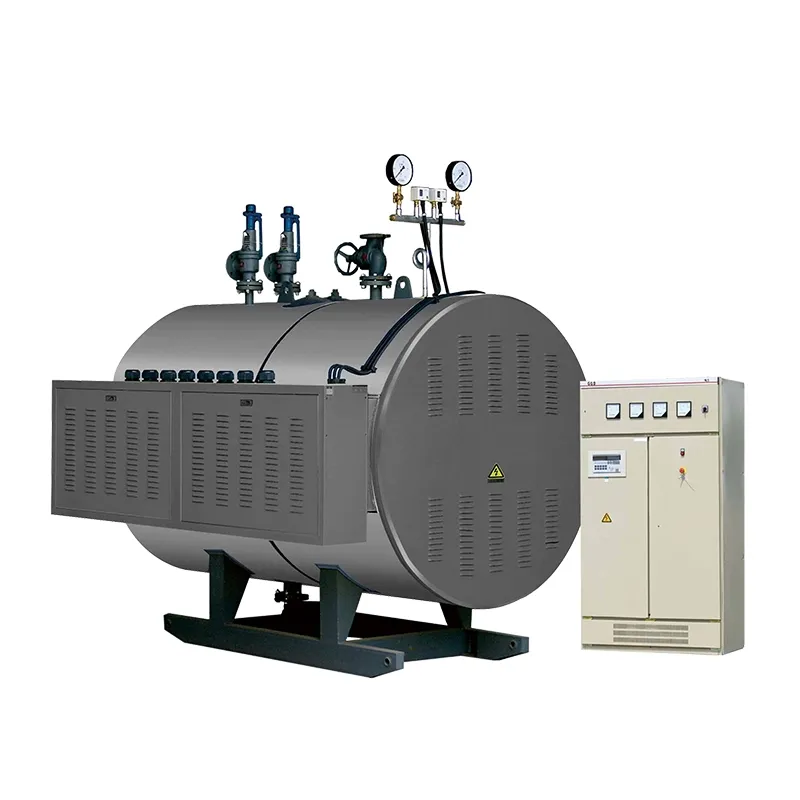
Industrial Thermal Oil Boiler Solutions for Uganda's Growing Industry

High-efficiency thermal energy systems engineered to power Uganda's manufacturing, agricultural processing, and energy sectors with sustainable precision.

Industrial Thermal Oil Boiler Solutions for Uganda's Growing Industry

We provide specialized boiler systems designed to withstand the unique climatic conditions of East Africa, ensuring stable heat supply and optimized energy consumption for Ugandan enterprises.

Industrial Heating Landscape in Uganda

Analyzing the demand for thermal energy in the Heart of Africa

Uganda's industrial sector is currently undergoing a rapid transition. With the growth of the tea, coffee, and sugar industries, the demand for a reliable steam boiler has surged to meet processing needs. However, many facilities still rely on outdated, inefficient heating methods that lead to high operational costs and carbon emissions.

The geographical diversity of Uganda, from the highlands to the lake regions, creates varying requirements for water quality and fuel availability. This has led to an increasing interest in the water boiler for basic heating and sterilization, although the shift toward high-pressure industrial steam is becoming more prominent in urban hubs like Kampala.

Furthermore, the government's push for "Buy Uganda Build Uganda" (BUBU) is encouraging local manufacturers to upgrade their equipment. There is a critical need for robust boiler systems that can operate with local biomass or heavy fuels while maintaining strict safety and environmental standards.
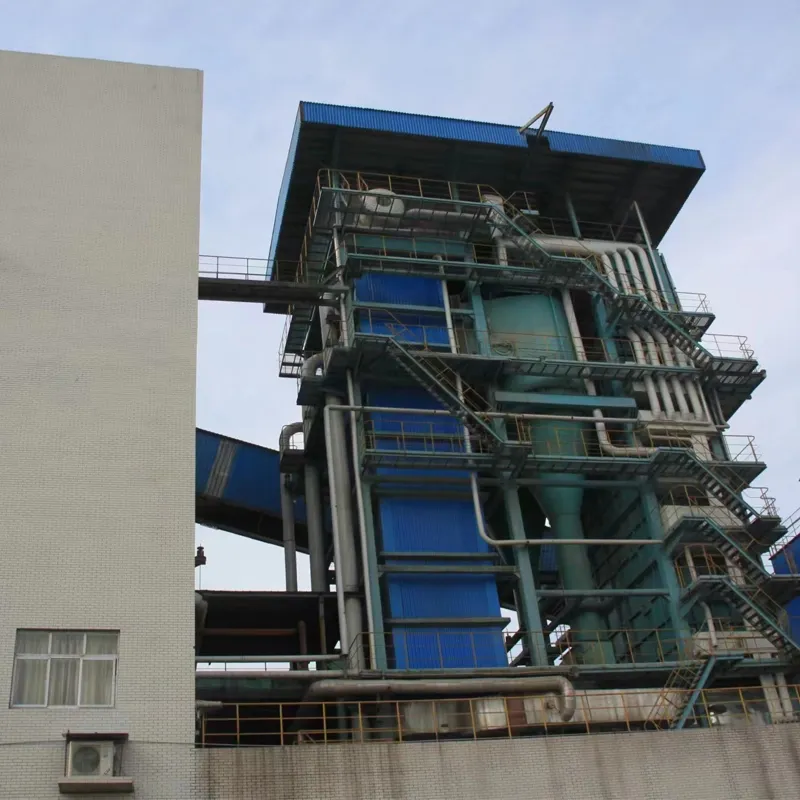
Evolution of Thermal Technology in Uganda

From traditional combustion to smart energy recovery

Market Development History

From 1990 to 2010, the Ugandan market was dominated by simple fire-tube systems and imported second-hand equipment. These early stages focused solely on basic heat generation for small-scale agriculture, where the simple water boiler served as the primary tool for hot water production.

Between 2011 and 2020, a shift occurred toward industrialization. Factories began adopting professional steam boiler units to support textile and beverage production, introducing automated control systems to reduce manual labor and improve safety.

Since 2021, the focus has shifted toward "Circular Economy" principles. The introduction of the waste heat boiler has allowed large-scale plants to capture exhaust gases and convert them back into usable energy, significantly reducing fuel expenditure.

Future Development Trends

Biomass-Fuel Integration

Given Uganda's rich agricultural waste, the future lies in boilers that can seamlessly switch between LNG and biomass pellets to lower costs.

IoT-Based Remote Monitoring

Integration of cloud sensors to monitor boiler pressure and temperature from mobile devices, reducing the need for constant on-site technical presence.

Modular High-Efficiency Designs

A trend toward prefabricated, modular units that can be quickly shipped and installed in remote regions of Uganda without extensive on-site construction.

Industry Outlook and Strategic Forecasting

Driving Uganda towards a sustainable energy future

Decarbonization Shift
Rapid adoption of low-emission burners to comply with evolving East African environmental regulations.
Energy Recovery
Increased implementation of heat exchangers and condensate recovery to maximize ROI.
Smart Automation
Transitioning from manual valves to PLC-controlled precision thermal management.
Fuel Versatility
Hybrid systems capable of burning agricultural residue, diesel, and electrical heating.

Industry Outlook

According to Google search trends in East Africa, queries for "energy efficiency" and "industrial steam cost" have risen by 25% annually. This indicates that Ugandan factory owners are no longer looking for the cheapest hardware, but for the lowest total cost of ownership (TCO).

The next 3-5 years will likely see a convergence of thermal energy and renewable integration. We predict that hybrid boiler systems will become the standard in the Ugandan beverage and textile sectors to combat fluctuating fuel prices.

Localized Application Scenarios in Uganda

Tailored thermal solutions for regional economic pillars

1. Coffee & Tea Processing Plants

Utilizing a high-capacity steam boiler for drying and roasting processes, ensuring uniform temperature distribution across the crop to maintain premium export quality.

2. Sugar Refineries in Central Uganda

Implementation of a waste heat boiler to recover energy from bagasse combustion, turning agricultural waste into power for the refinery's own operations.

3. Textile and Garment Manufacturing

Using a precision thermal oil boiler for fabric dyeing and setting, providing stable, high-temperature heat without the risk of steam leaks damaging fabrics.

4. Dairy and Beverage Bottling

Deployment of a compact water boiler for pasteurization and sterilization, ensuring food safety standards are met with minimum energy waste.

5. Hotel and Healthcare Facilities

Installing specialized heating systems for laundry and sterilization rooms, focusing on low-noise and high-safety operation in urban centers like Entebbe.

Brand Story

Global Development Journey of Hebei Yinen Boiler Co., Ltd.

Technical Foundation

Starting with a commitment to precision engineering, we mastered the core technology of combustion and heat exchange to solve the instability of industrial heat.

Quality Certification

We achieved international certifications, ensuring every unit meets the rigorous safety standards required for global export to diverse markets.

Market Expansion

Expanding into Africa, we adapted our designs to handle varied water quality and local fuels, bridging the gap between luxury tech and practical utility.

Sustainable Innovation

Focused on R&D for waste-heat recovery, we developed systems that reduce carbon footprints for our clients while increasing their profitability.

Future Vision

Our mission is to be the primary thermal energy partner for emerging economies, providing "Smart, Green, and Durable" heating solutions.

Uganda Industrial Boiler FAQ

Expert answers to common thermal energy questions in the region

How to choose the right steam boiler for coffee processing in Uganda?

Selection depends on the daily throughput of the beans. For medium-scale plants, a biomass-fired steam boiler is recommended to leverage local agricultural waste and reduce fuel costs.

What are the maintenance requirements for a thermal oil boiler in tropical climates?

Due to high humidity in parts of Uganda, focus on protecting electrical control panels from moisture and performing regular oil purity tests to prevent sludge buildup.

Can a waste heat boiler really reduce operational costs for sugar mills?

Yes, by capturing exhaust heat from the main furnace, a waste heat boiler can produce additional steam or hot water for process use, often reducing primary fuel consumption by 15-30%.

What is the difference between a water boiler and a steam boiler for dairy use?

A water boiler produces hot water for basic heating, whereas a steam boiler generates pressurized steam required for high-temperature sterilization and rapid heating of milk.

How do I handle hard water issues in Ugandan boiler systems?

We recommend installing a water softening system before the boiler inlet to prevent scale accumulation, which can otherwise lead to overheating and reduced efficiency.

What is the average lifespan of an industrial boiler in East Africa?

With professional installation and a strict maintenance schedule, our industrial boilers typically operate efficiently for 15-20 years.

Get Your Custom Thermal Solution

Ready to optimize your factory's energy efficiency? Our engineers provide full technical support and customized installations across Uganda.

Contact Us Now

If you are interested in our products, you can choose to leave your information here, and we will be in touch with you shortly.