BOILER EXPERT
Since 1983, more than 40 years boiler experience

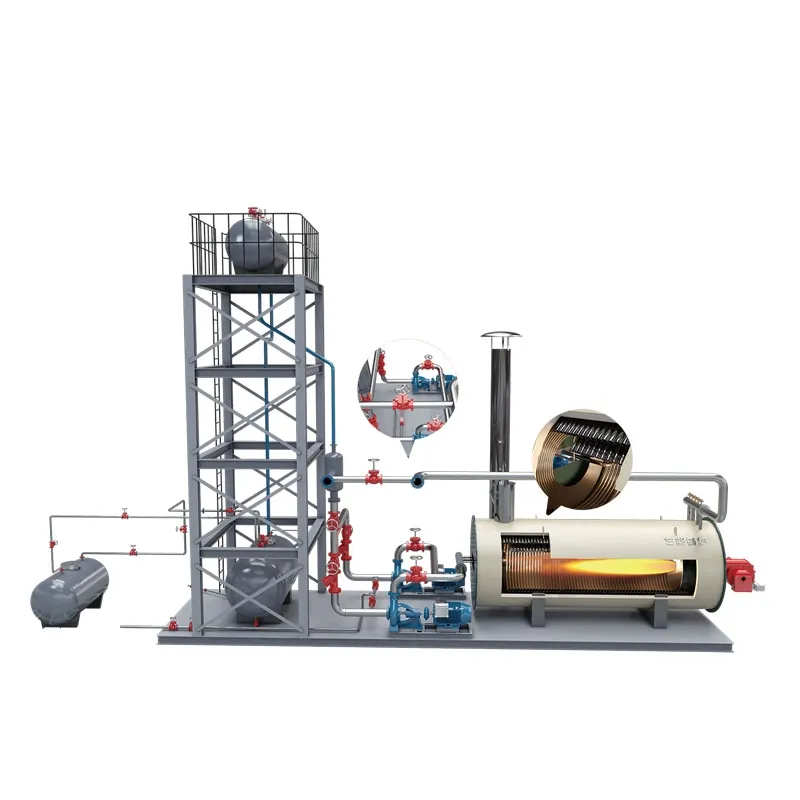
Industrial Thermal Solutions for Egypt: High-Efficiency thermal oil boiler Systems

Optimizing energy consumption and heat distribution for Egypt's expanding industrial sectors with cutting-edge boiler technology.

Industrial Thermal Solutions for Egypt: High-Efficiency thermal oil boiler Systems

Providing tailored heat energy equipment designed to withstand the arid climate of Egypt while maximizing thermal output for textiles, chemicals, and food processing industries.

The State of Thermal Energy Infrastructure in Egypt

Analyzing the intersection of Egyptian industrial demand and boiler efficiency.

Egypt's industrial landscape is currently undergoing a massive transition. With the expansion of the Suez Canal Economic Zone and the growth of administrative hubs, the demand for a reliable boiler has surged. However, the high salinity of local water sources in many regions poses a significant challenge for traditional steam generation, leading to rapid scaling and corrosion.

The Egyptian climate, characterized by extreme heat and dust, necessitates equipment with superior insulation and robust filtration systems. Many factories still rely on aging infrastructure, creating an urgent need for a modern steam boiler that can operate stably under fluctuating power grids and harsh ambient temperatures.

Furthermore, the Egyptian government's push toward "Vision 2030" is forcing industries to move away from inefficient fuel consumption. This has led to a growing interest in specialized equipment like the water boiler and advanced heat recovery systems to reduce operational costs and carbon footprints.
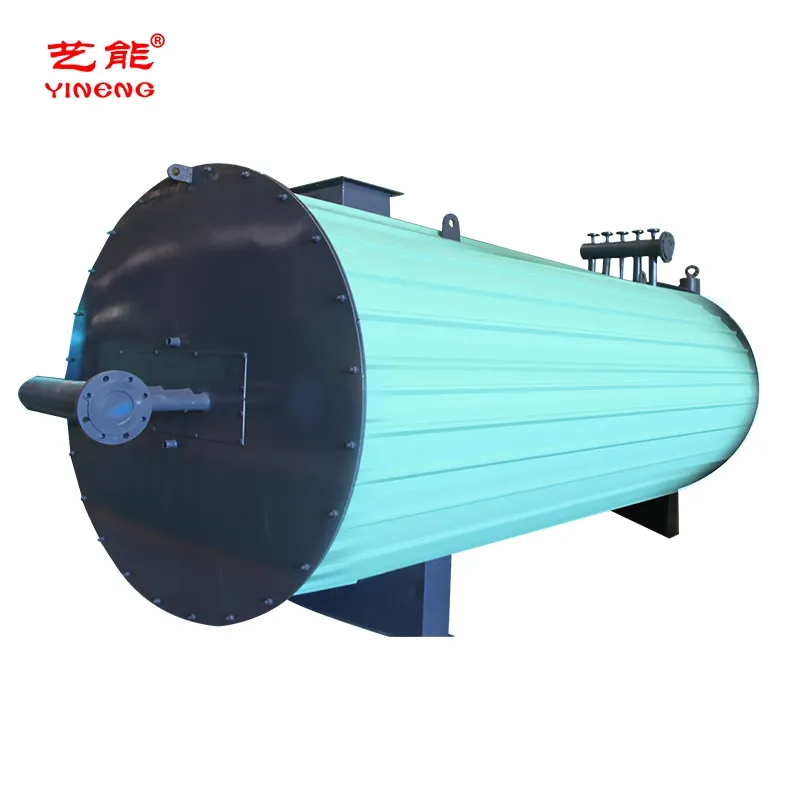
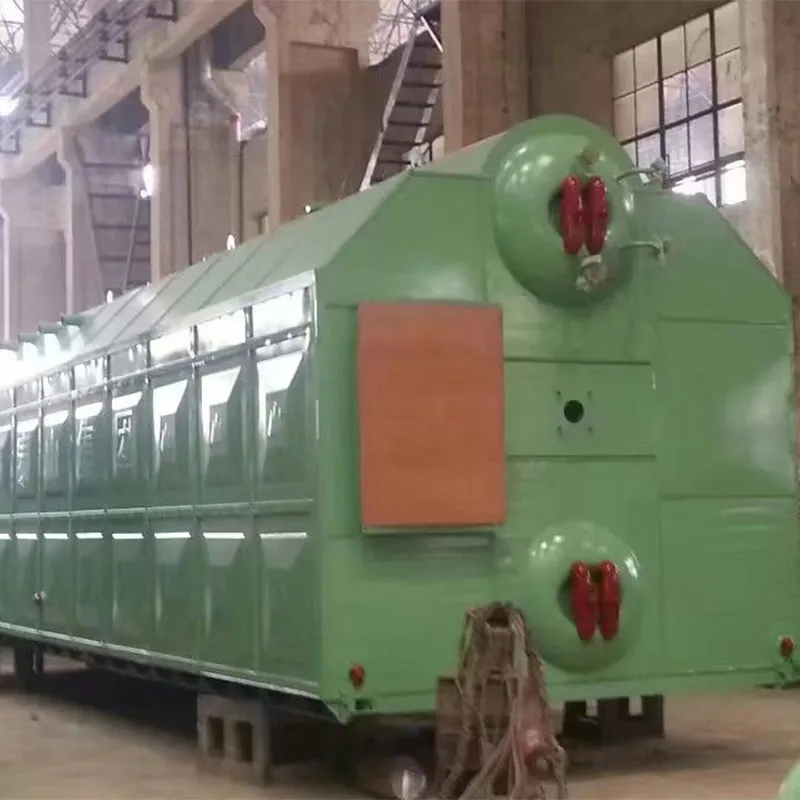
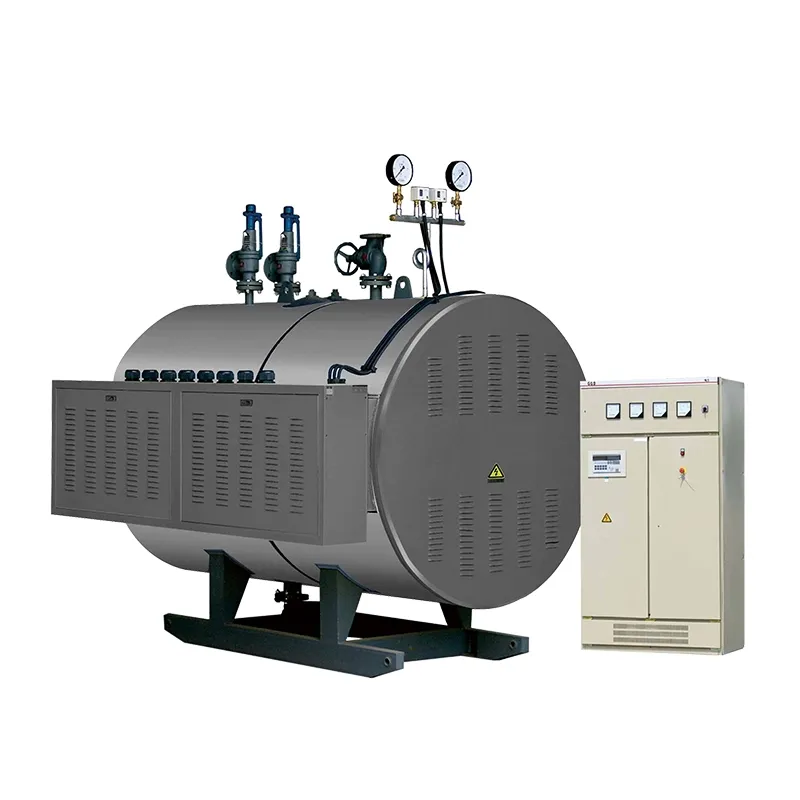
Evolution and Trajectory of Boiler Technology in Egypt

From manual firing to intelligent automated thermal management.

Market Development History

In the 1980s and 90s, the Egyptian market was dominated by heavy, cast-iron boilers with manual controls. These systems were fuel-heavy and lacked safety automation, serving primarily the basic textile mills in the Nile Delta.

From 2000 to 2015, there was a shift toward imported European and Asian standards. The introduction of the waste heat boiler began to appear in larger chemical plants, allowing industries to capture exhaust energy and improve overall plant efficiency.

Since 2016, the focus has shifted toward "Smart Thermal Energy." The integration of PLC controls and IoT monitoring has allowed Egyptian plant managers to optimize combustion in real-time, significantly reducing fuel waste and downtime.

Future Development Trends

Hybrid Fuel Integration

Integrating natural gas with biomass or solar-thermal preheating to mitigate the volatility of fuel prices in the North African region.

Ultra-Low Emission Standards

Implementation of advanced scrubbers and low-NOx burners to comply with stricter Egyptian environmental regulations.

Modular Heat Design

A shift toward prefabricated, modular boiler units that can be quickly deployed in the new industrial cities of Egypt.

Industry Outlook and Strategic Future

Predicting the next 5 years of thermal engineering in the Egyptian market.

Energy Decarbonization
Rapid adoption of electric heating elements and hydrogen-ready burners to meet global green standards.
AI-Driven Maintenance
Implementation of predictive analytics to prevent downtime caused by scale buildup in Nile water systems.
Water Reclamation
Integration of condensate recovery systems to combat water scarcity in the Egyptian desert regions.
Thermal Efficiency
Increasing the use of multi-pass heat exchangers to maximize energy extraction per unit of fuel.

Industry Outlook

Based on Google search trends in North Africa, there is a significant increase in queries related to "energy efficiency in manufacturing" and "industrial heat recovery." This indicates that Egyptian business owners are shifting from purely capacity-driven growth to cost-optimized operational models.

Over the next 3-5 years, we expect the Egyptian market to favor high-precision equipment that offers remote diagnostics. The synergy between Egypt's industrialization goals and the global transition to sustainable energy will make high-efficiency boilers a cornerstone of the national economy.

Local Application Scenarios in Egypt

Real-world deployments across diverse Egyptian industrial sectors.

01. Textile Manufacturing in Mahalla al-Kubra

Deploying heavy-duty steam boilers to provide consistent heat and moisture for fabric dyeing and finishing processes, optimized for large-scale production lines.

02. Food Processing in the Delta Region

Using precision-controlled water boilers for sterilization and pasteurization, ensuring food safety standards while maintaining energy efficiency.

03. Chemical Synthesis in Alexandria

Implementing thermal oil boilers for high-temperature reactions that require stable, non-pressurized heat transfer, reducing the risk of explosions in volatile environments.

04. Power Plants and Heavy Industry in Suez

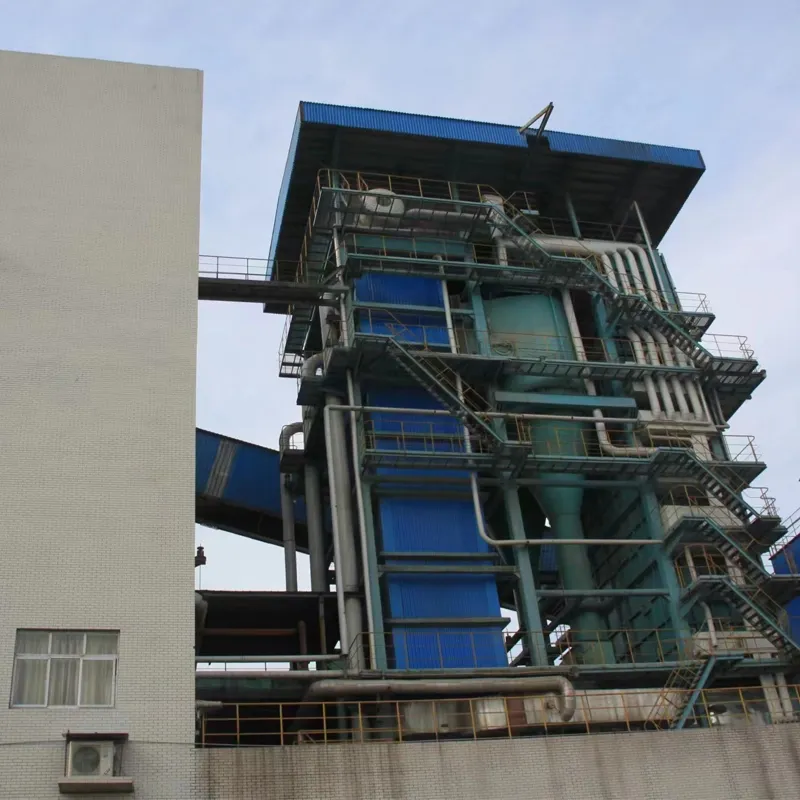
Integrating waste heat boilers to recover energy from turbine exhaust, significantly lowering the cost of electricity generation and secondary heating.

05. Agricultural Drying in Upper Egypt

Utilizing compact boiler systems for the drying of dates and other crops, enhancing the shelf life of exports via controlled thermal environments.

Brand Story

Global Development Journey of Hebei Yineng Boiler Co., Ltd.

Foundational Excellence

Established with a focus on rigorous engineering, we began by solving the most basic heat transfer inefficiencies in regional manufacturing.

Technological Breakthrough

Developed proprietary combustion technology that reduced carbon emissions by 15%, setting a new standard for industrial boilers.

Global Expansion

Expanded our footprint into Africa and the Middle East, adapting our designs to withstand extreme desert temperatures and varying water qualities.

Innovation Leadership

Pioneered the integration of AI-managed thermal loops, allowing for fully autonomous boiler operations with zero-intervention monitoring.

Our Mission Today

To provide the world's most reliable thermal energy equipment, solving the pain points of fuel waste and operational instability in heavy industry.

Egyptian Industrial Boiler FAQs

Expert answers to the most common technical challenges in the region.

How to prevent scale buildup in a steam boiler using Nile river water?

We recommend installing a comprehensive water softening and reverse osmosis system before the water enters the boiler to remove minerals that cause scaling.

What are the advantages of a thermal oil boiler over steam for chemical plants in Egypt?

Thermal oil systems operate at lower pressures for the same temperature, significantly increasing safety and reducing the risk of pipe bursts in high-heat applications.

Can a waste heat boiler be integrated into an existing factory layout?

Yes, our modular designs allow for heat exchangers to be retrofitted into existing exhaust stacks to capture waste heat without disrupting current production.

Which water boiler is best for small-scale food processing in rural Egypt?

Compact electric or gas-fired water boilers with automated safety shut-offs are ideal for maintaining hygiene and efficiency in smaller facilities.

How does ambient heat in Egypt affect boiler efficiency?

High ambient temperatures can affect combustion air density; we use variable-speed blowers and reinforced insulation to maintain peak efficiency.

What maintenance cycle is recommended for industrial boilers in sandy environments?

Due to dust accumulation, we recommend quarterly filter inspections and semi-annual burner cleaning to prevent efficiency drops.

Consult Our Thermal Experts

Ready to upgrade your industrial heating capacity in Egypt? Our engineers provide full-cycle support from design to installation.

Contact Us Now

If you are interested in our products, you can choose to leave your information here, and we will be in touch with you shortly.