

NEWS
-
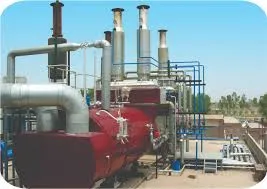 Waste Heat Recovery Units (WHRUs) work by recovering the thermal energy from the hot exhaust and gases discharged by industrial equipment such as incinerators and turbines. This energy is then repurposed to heat other media and materials, including asphalt and oil. WHRUs are available in various designs and styles.By capturing heat that would otherwise go to waste, WHRUs allow facilities to use that energy for other applications, making them a valuable addition to various industries. They can greatly improve the overall efficiency of industrial plants.Read more
 -
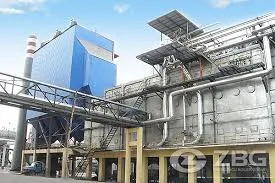 Waste heat boilers utilise the heat in flue gases from combustion processes or hot waste air flows from industrial processes to generate hot water or saturated steam. Using a waste heat boiler in combination with gas engines or turbines increases the overall efficiency of the system and reduces the operation cost.Read more
 -
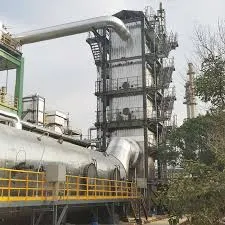 What if businesses could increase their profits, produce better-quality products, and cut operating costs by adopting a 21st-century process that uses that waste heat?Waste heat recovery is a revolutionary process that has the potential to do all of that and more. In this article, we’ll tell you how this process can recover waste heat and how it can benefit your business.Read more
 -
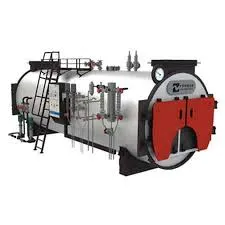 Industrial Waste Heat Recovery Systems: Why They’re Important and How They Can Benefit Your FacilityIf you are a plant or facility manager working in an industry that utilizes heat energy, chances are you have probably heard of waste heat recovery. If you don’t already have an industrial waste heat recovery system implemented in your facility, you may be wondering what waste heat recovery is, and whether or not it is appropriate for your organization.Here, we’ll discuss it’s benefits, and the top reasons why you should utilize a waste heat recovery system in your facility if you are not doing so already.Read more
 -
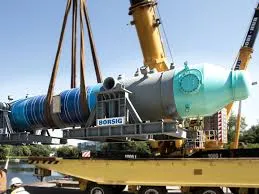 A waste heat recovery unit (WHRU) is an energy recovery heat exchanger that recovers heat from hot streams with potential high energy content, such as hot flue gases from a diesel generator or steam from cooling towers or even waste water from different cooling processes such as in steel cooling.Waste heat found in the exhaust gas of various processes or even from the exhaust stream of a conditioning unit can be used to preheat the incoming gas. This is one of the basic methods for recovery of waste heat. Many steel making plants use this process as an economic method to increase the production of the plant with lower fuel demand.Read more
 -
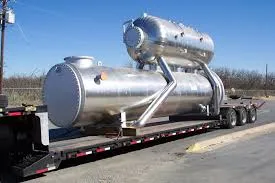 When your work releases fumes into the air, having a quality air controlling system is necessary for comfort and safety. Industrial heat recovery units are just as important to your business as an air makeup unit. Together, heat and air control can help you reduce waste, lower costs and improve energy consumption.Read more
 -
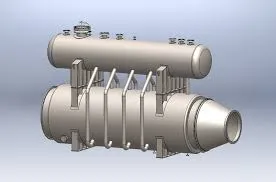 It’s not just about saving fuel in a boiler, even your process may be such that it includes furnaces, kilns where a large proportion of heat after combustion of fuel gets wasted as a dry flue gas loss.Waste Heat Recovery boilers are designed to recover heat from waste flue gases from DG exhaust, Furnace exhaust, Kiln exhaust, incinerator exhaust etc. to produce steam or hot water based on the application requirements of the plant.Read more
 -
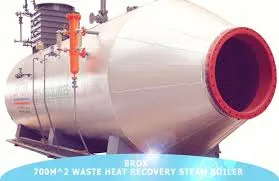 The waste heat includes two parts of heat that are available and unavailable. The recovery rate of waste heat energy refers to the percentage of recovered waste heat resources to the total waste heat. Waste heat utilization technology is the study of recoverable waste heat and its recycling methods, technologies and economic benefits.Read more
 -
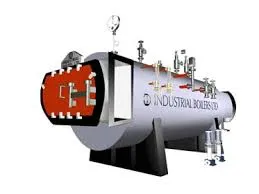 Waste heat recovery (WHR) using conventional technologies can provide appreciable amounts of useful energy from waste heat (WH) sources, thus reducing the overall energy consumption of systems for economic purposes, as well as ameliorating the impact of fossil fuel-based CO2 emissions on the environment. In the literature survey, WHR technologies and techniques, classifications and applications are considered and adequately discussed. The barriers affecting the development and utilization of systems of WHR, as well as possible solutions are presented. Available techniques of WHR are also discussed extensively, with a particular interest in their progressive improvements, prospects, and challenges. The economic viability of various WHR techniques is also taken into account considering their payback period (PBP), especially in the food industry. A novel research area wherein the recovered WH of flue gases from heavy-duty electric generators was utilized for agro-products drying has been identified, which may be useful in the agro-food processing industries. Furthermore, an in-depth discussion on the appropriateness and applicability of WHR technology in the maritime sector is given a prominent touch. In many review works involving WHR, different areas such as WHR sources, methods, technologies, or applications were discussed, albeit not in a comprehensive way touching on all-important aspects of this branch of knowledge. However, in this paper, a more holistic approach is followed. Furthermore, many recently published articles in different areas of WHR have been carefully examined and the recent findings provided are presented in this work. The recovery of waste energy and its utilization is capable of significantly dropping the level of production costs in the industrial sector and harmful emissions to the environment. Some of the benefits derivable from the application of WHR in the industries may include a reduction in energy, capital, and operating costs, which translate to reduced cost of finished products, and the mitigation of environmental degradation through the reduction of the emission of air pollutants and greenhouse gases. Future perspectives on the development and implementation of WHR technologies are presented in the conclusions section.Read more
 -
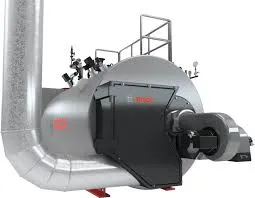 Manufacturing industries use efficient steam boilers for operational purposes that require heat. Although steam boilers generate sufficient steam and heat for process plants, it also wastes a significant amount of heat that could be used for other purposes. Therefore, industries have started investing in waste heat recovery boilers to use as much wasted heat as possible and promote sustainability. Using the waste heat recovery for preheating combustion air is commonly used in medium- to high-temperature furnaces. Using preheated air for the burners reduces the amount of fuel required to meet the process heat requirements.As the name suggests, using a waste heat recovery boiler to recover part of the exhaust gas heat is an option for plants that require a source of steam or hot water. The waste heat recovery boiler is similar to steam boilers with the difference of heating through the exhaust gas stream from a process furnace rather than its burner. Waste heat recovery boilers are the ideal solution for plants that need additional steam capacity. However, the boiler generates steam only when the process is running.Read more
 -
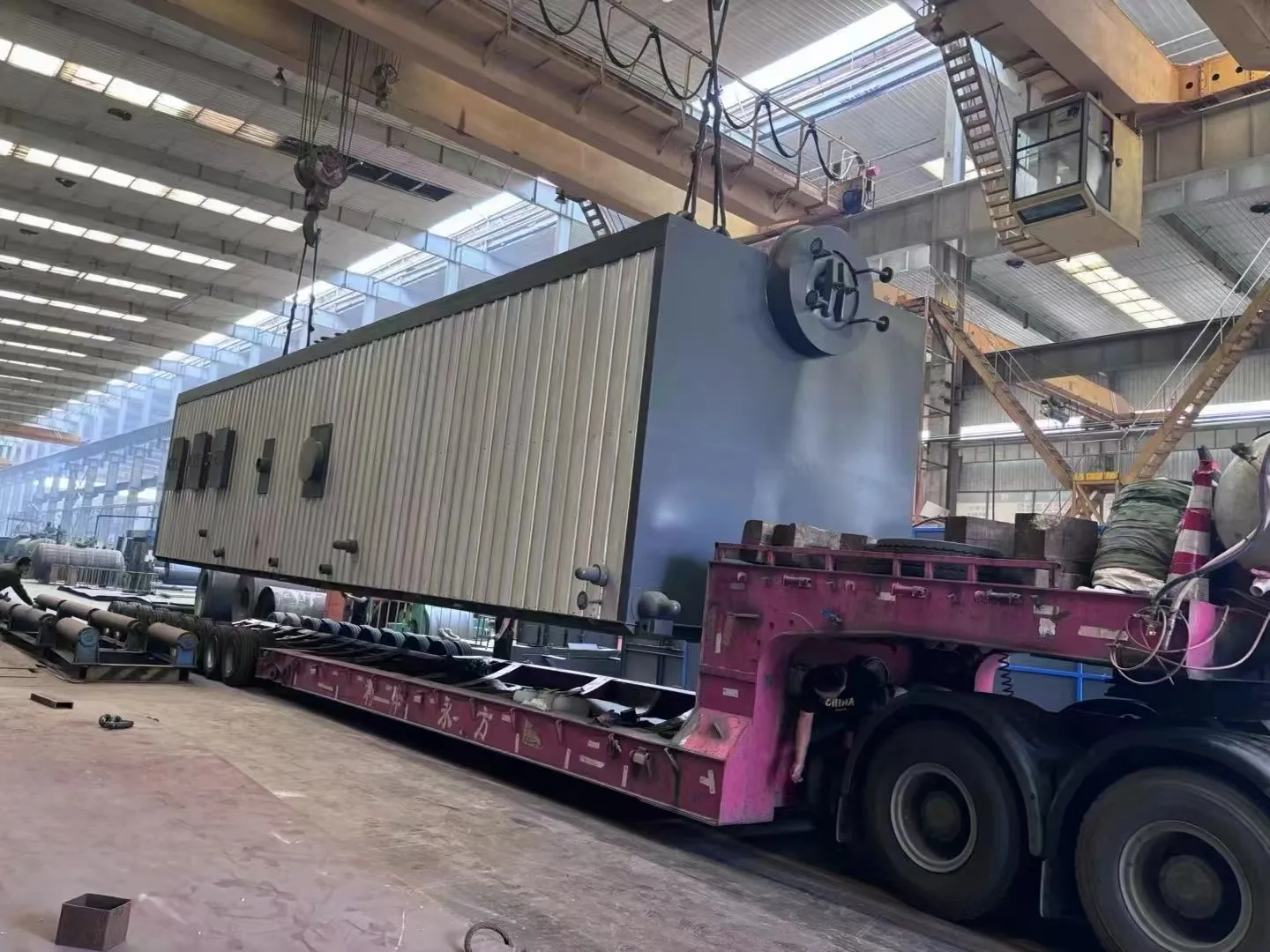 Today marks a pivotal moment at our factory as we have effectively loaded a high-pressure steam bRead more
 -
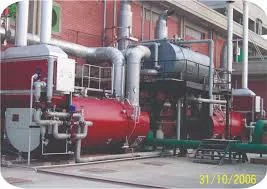 A waste heat recovery unit/heat exchanger recovers heat from hot streams, water or gasses, that still have a relatively high energy content which would otherwise go unused into the atmosphere. The most common examples are from steam from cooling towers or flue gases from a heat source such as a diesel generator. However, now utilising waste heat from smaller industrial processes is becoming ever more popular.Read more