

NEWS
-
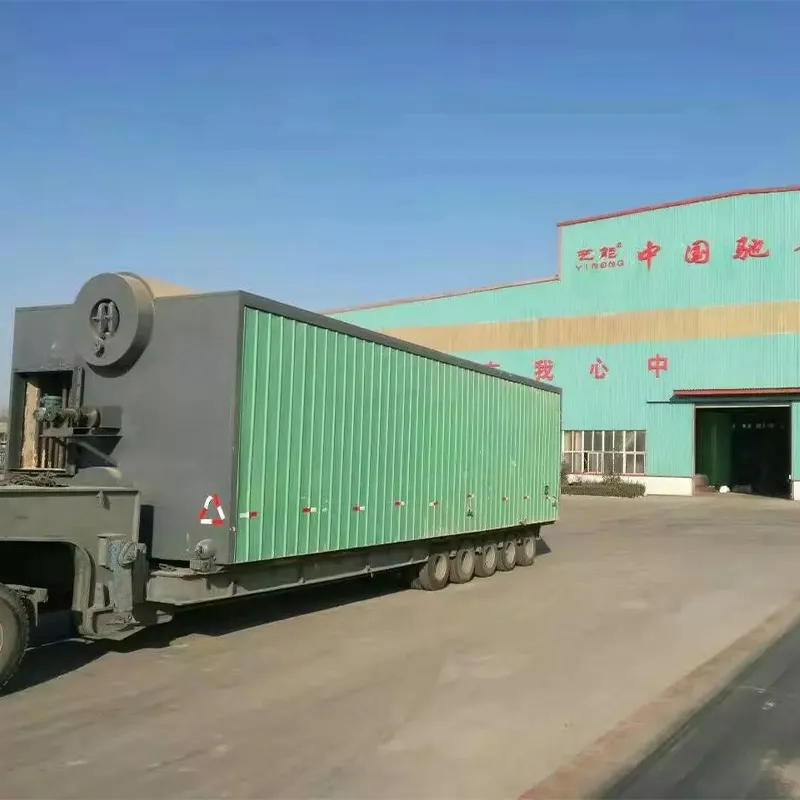 From large industrial production, and home heating systems to small water heaters, there are most common two types of steam boilers used for centuries to provide steam heating and hot water. At a glance, it may seem that all types of steam boilers are more or less the same, but the truth is that steam systems can be very different from each other. In terms of structural layout, fuel, use, working pressure, etc., there are many differences.Read more
 -
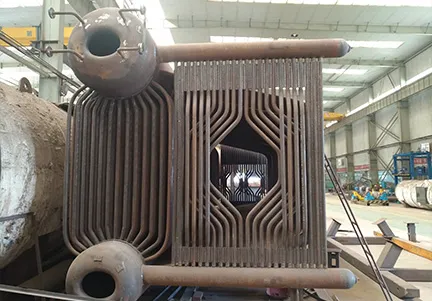 A steam boiler generates energy by heating water and producing steam. It is a heat exchanger with a combustion chamber and a water container that produces steam for external use. Steam boilers are available in various sizes, from extremely small to huge, for more demanding applications. To heat water, a steam boiler burns fuel.Read more
 -
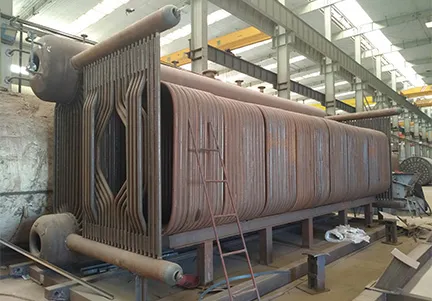 Boiler is a kind of energy conversion equipment. The fuel is input to the boiler and converted by the boiler, and the steam, high temperature water or organic heat carrier with certain heat energy is output to the outside. Industrial boilers are mostly used in the production of textiles, printing and dyeing, pharmaceuticals, chemicals, oil refining, papermaking, heating and other processes to provide steam or hot water.Read more
 -
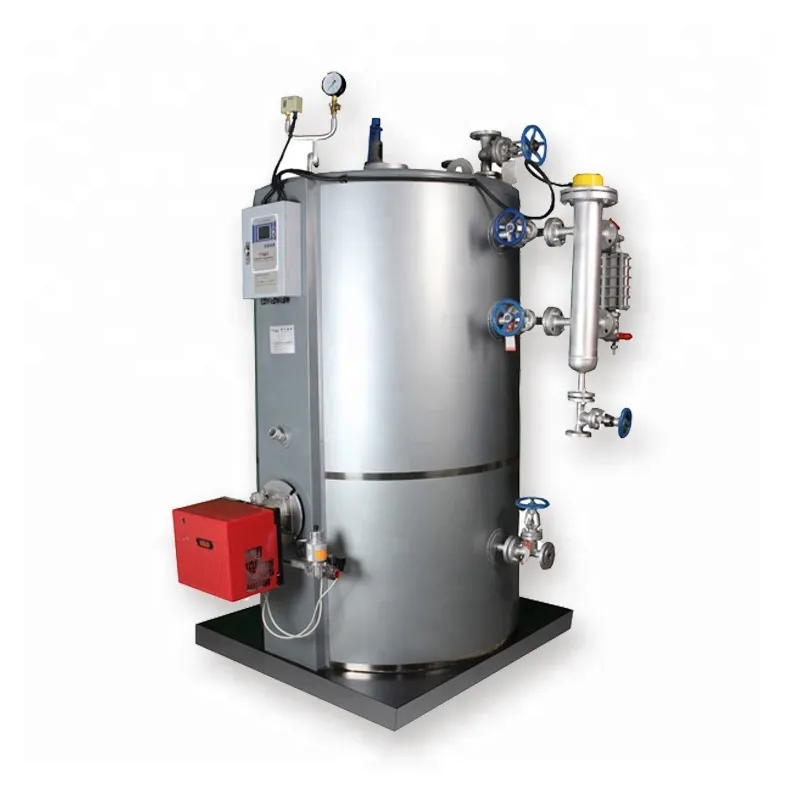 Steam boilers play an integral part in most of the process and manufacturing industries in today’s world. Steam boilers are ideal for process operations as steam has a higher energy holding capacity and is safe and convenient to use. Depending on various factors such as industrial requirements, applications, fuel availability, steam pressure, volume, etc., steam boilers can be simple or complex. The two primary types of steam boilers used are Fire Tube Boilers and Water Tube Boilers. Over the last years, boiler manufacturers have expanded the options in the two basic types, offering extensive options to the customers. Let us dive deep into the details of both types of boilers.Read more
 -
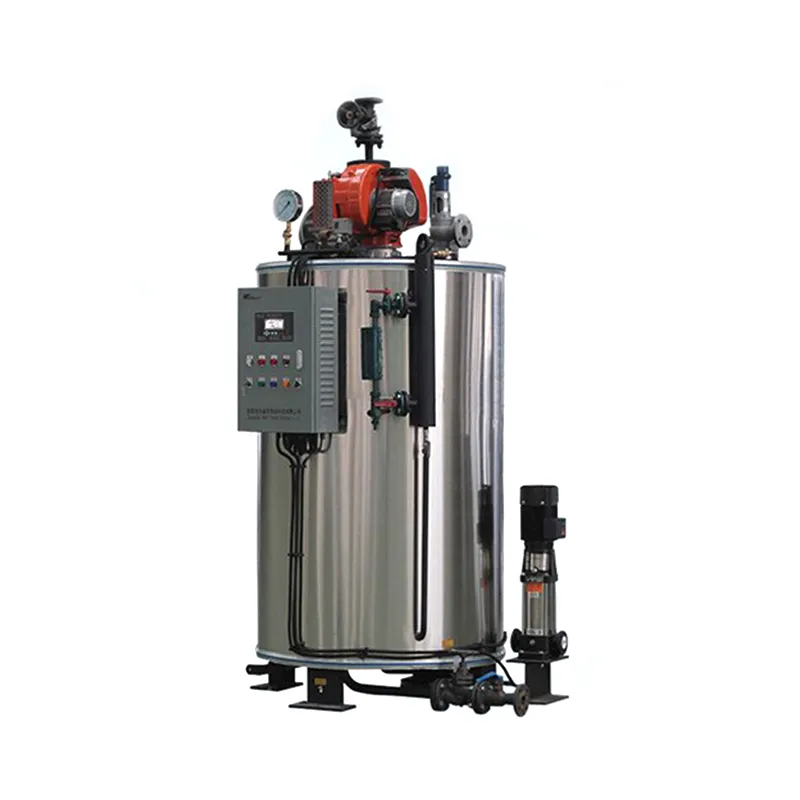 This is the most common type of boiler used in small and medium sized industrial installations. Fire tube boilers are often produced as ‘packaged’ units complete with pumps and control system, requiring only connection to a suitable water and fuel supply before commencing operation.Read more
 -
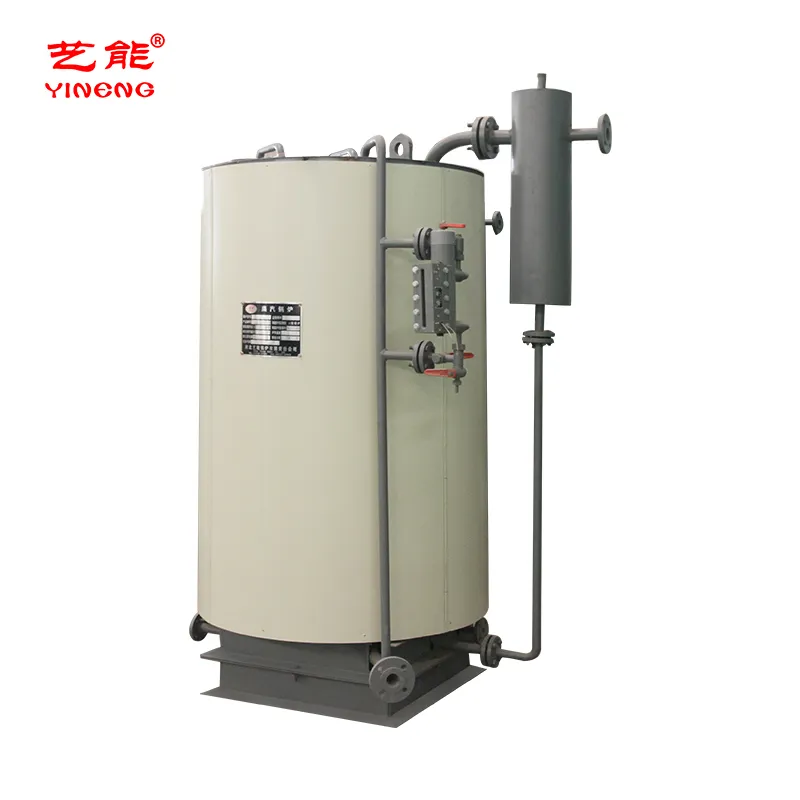 The first thing you should know about steam boilers is that no two boilers are created equal. From the outside, it may seem like all boilers are more or less the same. However, there are several different types of boilers with different qualities, different designs, and different purposes. Before you can have an idea of which boiler is right for your facility, you should become acquainted with the more common types of steam boilers.Read more
 -
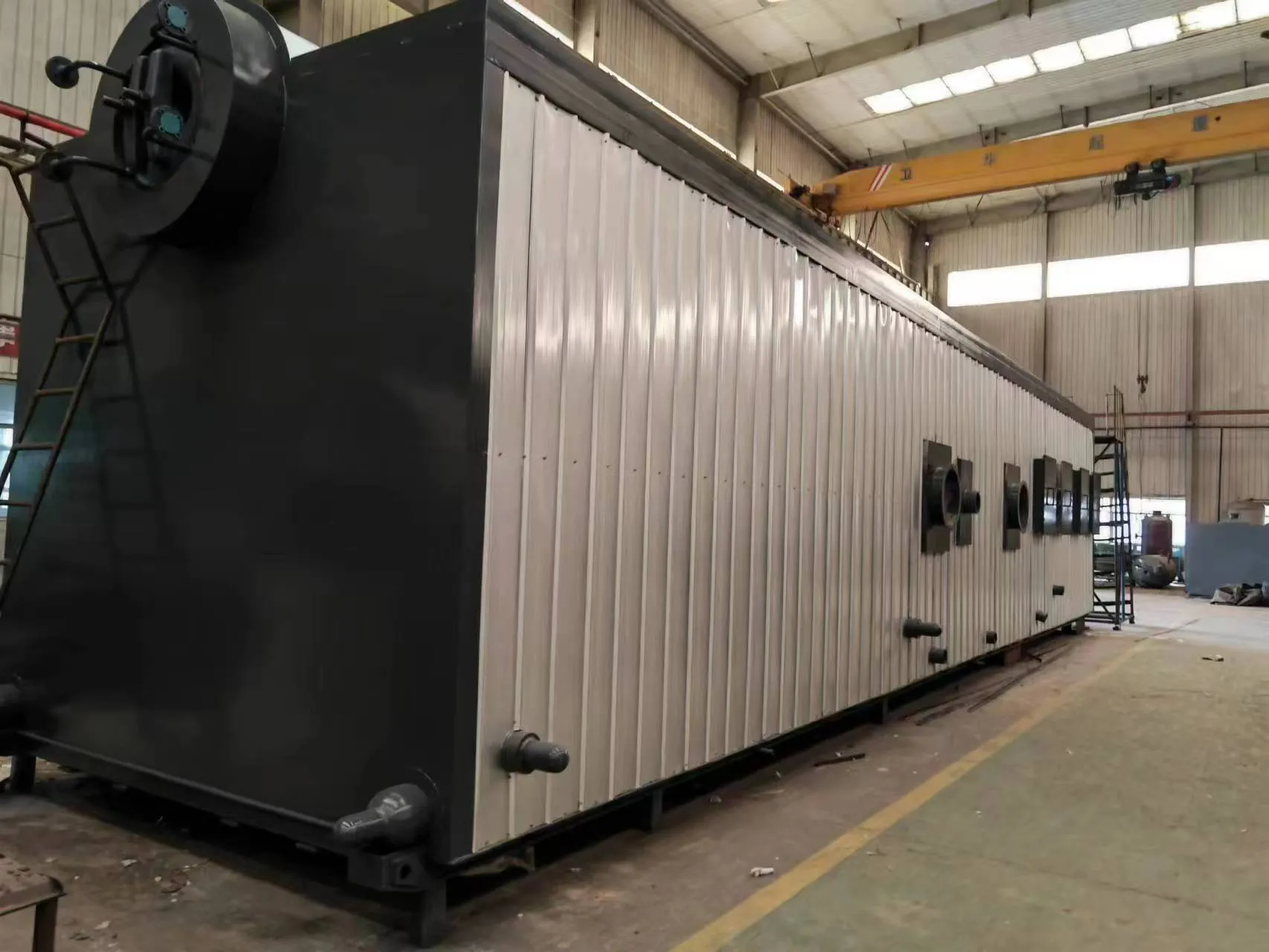 A steam boiler is a vessel containing water that is heated to produce steam using oil, gas, or coal as fuel. When a source of heat is applied, the water boils, and the steam produced is then transferred through pipes to perform a variety of functions. The following are common types of boiler systems and how they work.Read more
 -
 Boilers are devices that generate steam or hot water to provide heating and/or power for various industrial, commercial, and residential applications. There are several types of boilers, each with its own design, operation, and applicationBoilers can be classified in various ways based on factors such as tube content, tube count, furnace placement, shell orientation, water and steam circulation methods, and intended use.Read more
 -
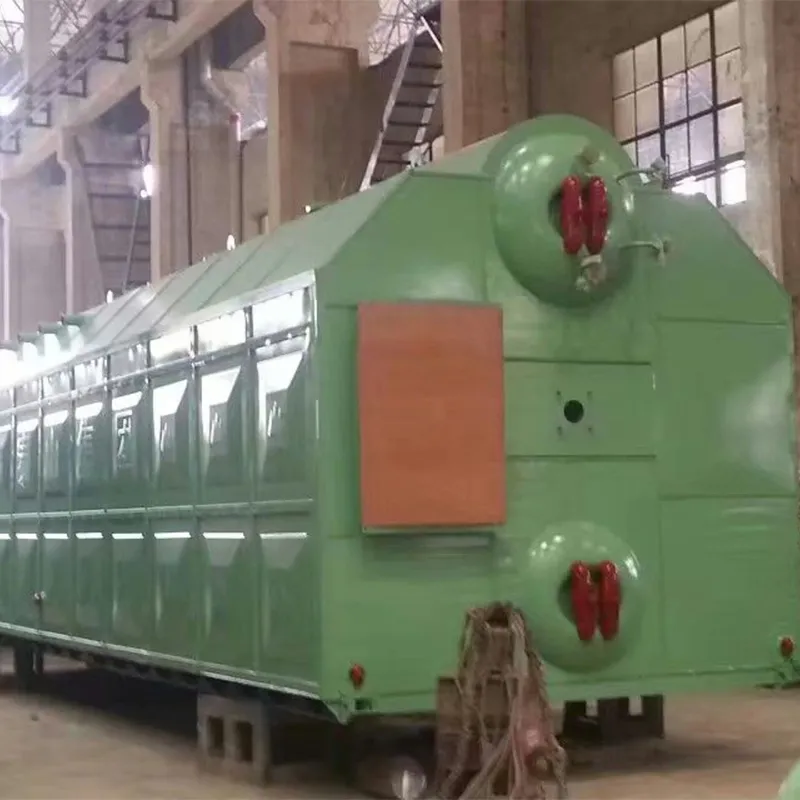 Boilers are a type of heating system that can be used to generate high-pressure steam-based energy. There are a variety of different types of steam boilers available, categorised by factors such as size, portability, how they function and more. What they all have in common is their use of fuel, to heat up hot water or generate steam. A common categorisation of boilers into ‘fire’ and ‘water’ boilers. This distinction refers to the design and heating features of the boilers.Read more
 -
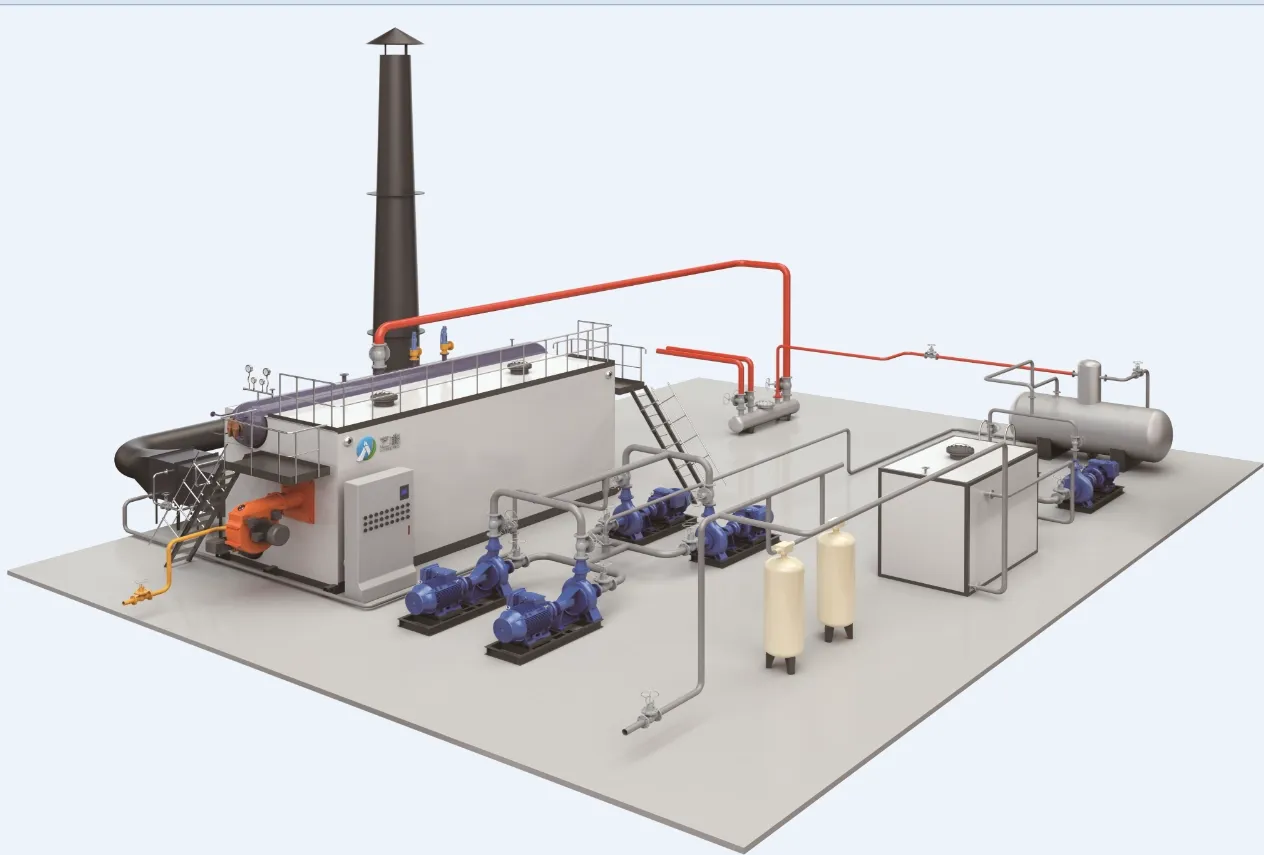 From steam engines to home heating systems to hot water heaters, people have been using boiler systems to provide steam heating and hot water for centuries. At first glance, it may seem like all steam boilers are more or less the same — but the fact is that steam systems can be quite different from one another. Some boilers run on natural gas, while others use heating oil or propane. There are both high pressure and low-pressure boilers, and there are some that can do either. Boiler systems may operate with differing minimum water levels and at different levels of energy efficiency.Read more
 -
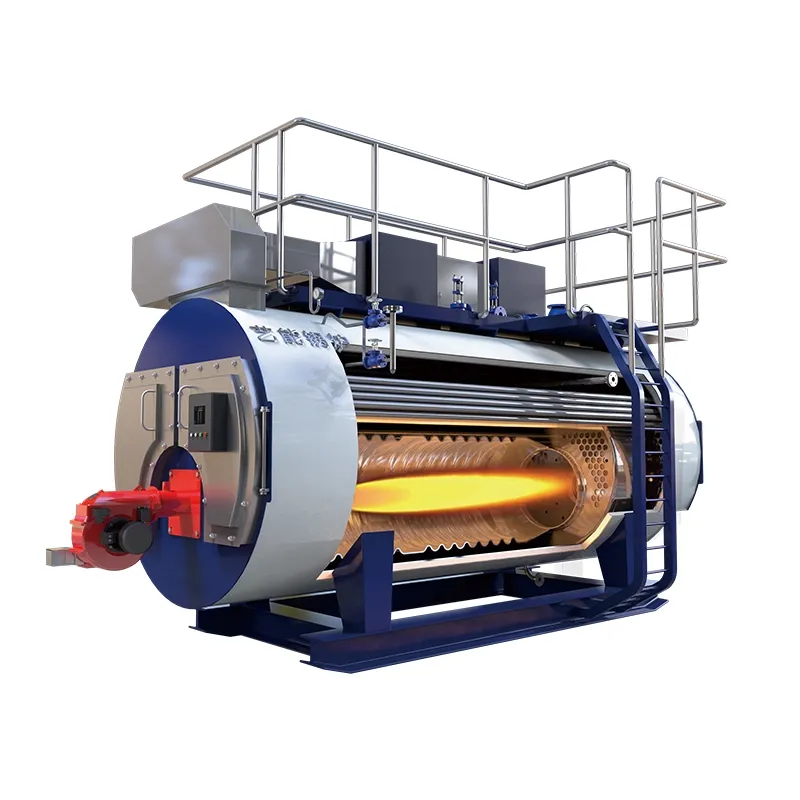 Each boiler type has advantages and disadvantages and the one that’s best for you will mostly depend on your current heating and hot water demands.If it’s time to get a new boiler then it’s a good idea to consider whether you should stick with the type of boiler system you have or swap to a different type of central heating boiler.Read more
 -
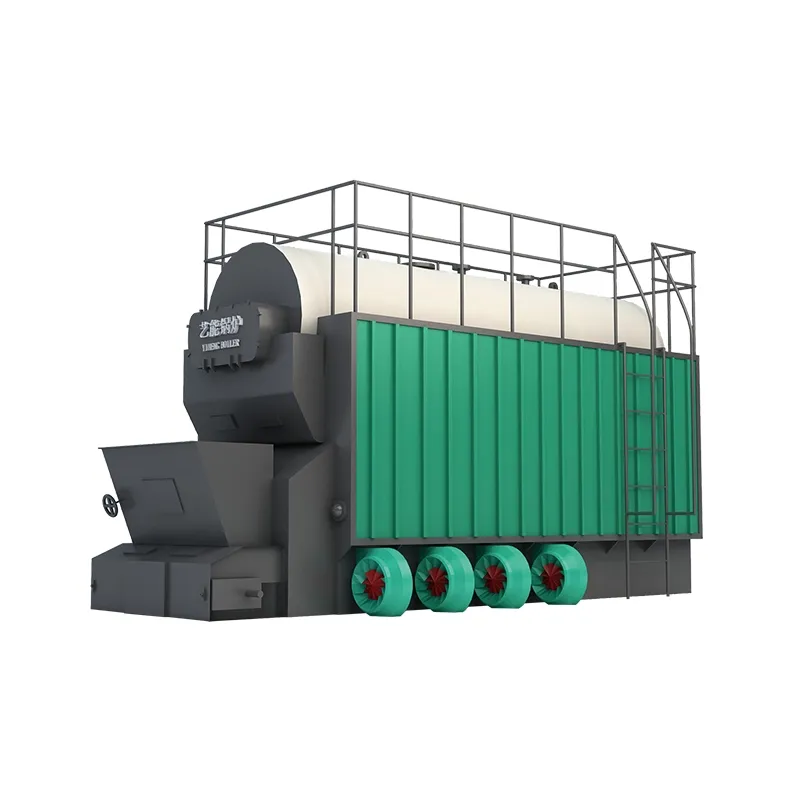 Steam boilers can be simple or complex, depending on their application, the fuel available, and specific requirements and demands, including steam pressure and volume. Steam systems in commercial and industrial settings will typically require the services of a licensed Professional Engineer for the design and installation phases. The appropriateness and safety of the design, installation and operation are critical. The overall operating conditions of an active steam plant may be within the inspector’s responsibility, depending on the specific inspection job and the mutually agreed-upon scope of work.Read more