

Industrial Efficiency Guide for Waste Heat Recovery Boiler
Maximizing Industrial Efficiency with a Waste Heat Recovery Boiler
In today's competitive industrial landscape, energy efficiency is no longer just an environmental goal—it is a financial necessity. A waste heat recovery boiler serves as a critical bridge between energy loss and operational gain. By capturing thermal energy that would otherwise be vented into the atmosphere, these systems allow factories to produce steam or hot water without additional fuel consumption. This not only slashes utility costs but also significantly reduces the carbon footprint of heavy industries. Understanding how to integrate these systems into your production line is the first step toward sustainable growth and long-term cost reduction.
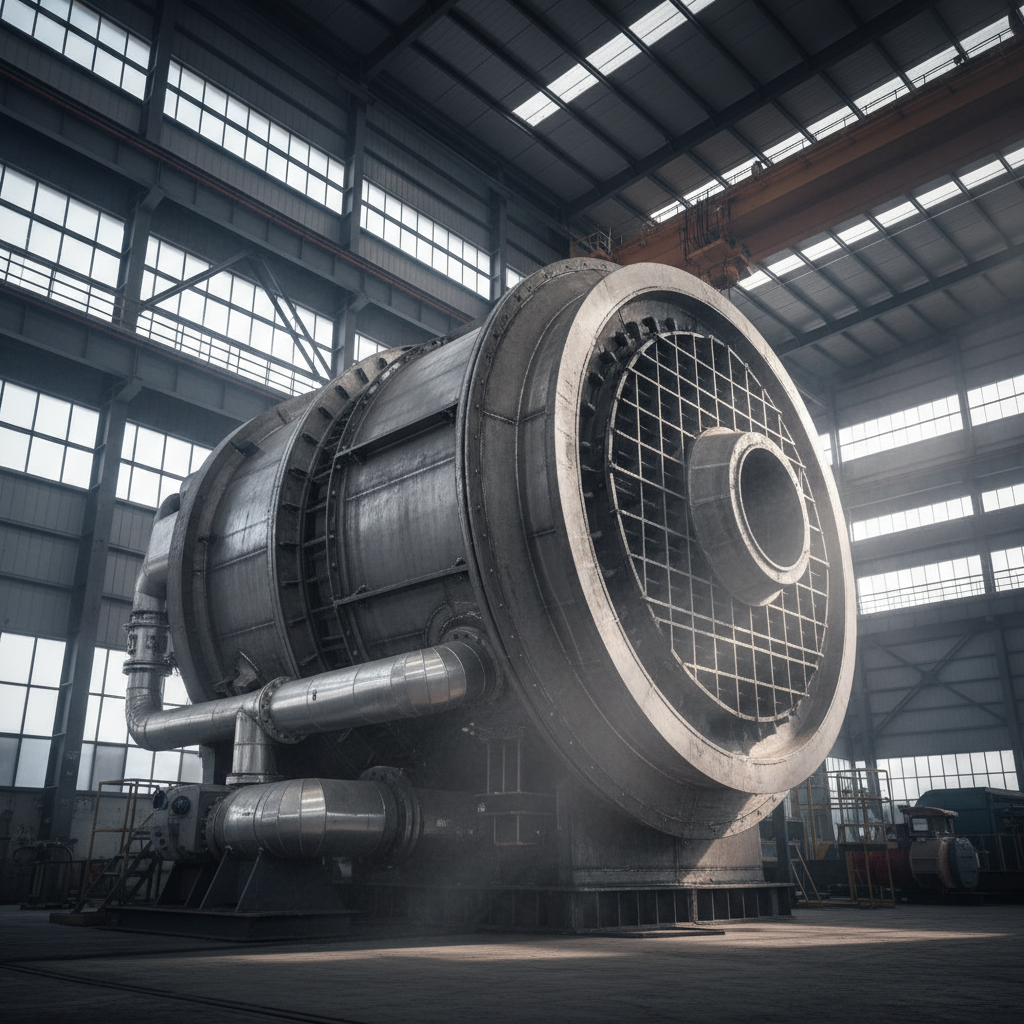
How a Waste Heat Recovery Boiler Operates
The fundamental principle of a waste heat recovery boiler is heat exchange. In most industrial processes—such as smelting, chemical refining, or glass manufacturing—extremely hot exhaust gases are released. The boiler intercepts these gases, transferring their heat to water circulating within tubes. As the water absorbs this thermal energy, it reaches its boiling point and transforms into steam. This steam can then be redirected to power turbines, provide space heating, or be used as a process medium in other parts of the plant. This closed-loop approach transforms a waste product (heat) into a valuable resource, ensuring that every BTU of fuel is utilized to its maximum potential.
Pro Tip: The efficiency of heat recovery depends heavily on the temperature difference between the waste gas and the working fluid. Higher temperature gradients typically allow for more compact and efficient boiler designs.
Key Benefits of Integrating Waste Heat Recovery
Implementing a waste heat recovery boiler provides a multifaceted advantage to industrial operators. First and foremost is the immediate reduction in fuel costs, as the recovered heat replaces the need for primary burners. Secondly, it helps companies comply with increasingly strict environmental regulations regarding greenhouse gas emissions. By lowering the stack temperature of exhaust gases, the system also reduces thermal pollution in the surrounding environment. Finally, it extends the lifespan of other equipment by reducing the thermal stress on the primary exhaust systems, creating a more stable and balanced plant ecosystem.
Operational Advantages:
• Lower operational expenditure (OPEX) through fuel savings
• Enhanced corporate sustainability and ESG ratings
• Reduced reliance on external energy grids
• Optimized thermal balance across the production facility
Comparing Waste Heat Recovery vs. Traditional Boilers
While traditional boilers rely on the combustion of new fuel to generate steam, a waste heat recovery boiler leverages existing energy. The primary difference lies in the energy source: one is an expense, while the other is an optimization. While traditional boilers offer precise control over steam output regardless of other plant activities, recovery boilers are dependent on the primary heat source. However, when used in tandem, they create a highly resilient energy system where the recovery boiler handles the base load and the traditional boiler manages the peaks.
Technical Specifications for Waste Heat Recovery Systems
Designing a waste heat recovery boiler requires precise engineering to match the specific heat profile of the waste stream. Key parameters include the mass flow rate of the exhaust gas, the inlet temperature, and the desired steam pressure. To prevent corrosion, especially in systems recovering heat from chemical processes, high-grade alloys or specialized coatings are often applied to the tube bundles. Below is a general specification guide for industrial-grade recovery systems:
Maintenance Strategies for Long-term Reliability
To ensure your waste heat recovery boiler operates at peak efficiency, a rigorous maintenance schedule is essential. The most common challenge is "fouling"—the buildup of particulates from the exhaust gas on the heat exchange surfaces. This buildup acts as an insulator, drastically reducing heat transfer efficiency. Implementing automatic soot blowers or periodic manual cleaning is necessary. Additionally, water quality management is paramount; using desalinated or softened water prevents scaling inside the tubes, which could otherwise lead to hotspots and tube failure.
Conclusion: Future-Proofing Energy with Waste Heat Recovery
Investing in a waste heat recovery boiler is a strategic move toward industrial maturity. By converting wasted thermal energy into usable steam or heat, businesses can achieve a rare synergy of lowering operational costs while improving their environmental standing. As energy prices fluctuate and carbon taxes become more prevalent, the ability to self-generate energy from waste will be a primary competitive advantage. Embrace the circular economy of heat and transform your plant's efficiency today.
Frequently Asked Questions (FAQs)
What is the typical ROI period for a waste heat recovery boiler?
The Return on Investment (ROI) for a waste heat recovery system varies based on the volume of waste heat available and the local cost of fuel. However, in high-capacity industrial settings, the ROI is typically achieved within 12 to 36 months. The savings come from the direct reduction in natural gas, coal, or electricity consumption required to generate steam. When government subsidies for green energy are included, the payback period can be even shorter. A detailed energy audit is usually the first step to calculating the exact ROI for a specific facility.
Can any industrial exhaust be used for heat recovery?
While most hot exhaust streams can be utilized, the design of the boiler must account for the chemical composition of the gas. For example, exhaust containing sulfur or high moisture levels can lead to "acid dew point corrosion" if the metal temperature drops too low. In such cases, specialized corrosion-resistant materials or precise temperature controls are used to ensure the system remains durable. Our engineers at Yineng Boilers analyze the gas composition to recommend the safest and most efficient material for your specific application.
How does it affect the backpressure of the primary system?
A common concern is that adding a boiler to an exhaust stream will increase backpressure, potentially affecting the performance of the primary furnace or engine. Professional design minimizes this by optimizing the tube pitch and layout to ensure a low pressure drop. If the pressure drop is too significant, an induced draft (ID) fan can be installed to maintain the necessary flow rate. This ensures that while you are recovering heat, you are not compromising the efficiency or safety of your primary production equipment.
What happens if the primary heat source is turned off?
Since a waste heat recovery boiler is a passive energy harvester, it will stop producing steam once the heat source is removed. To maintain a steady supply of steam for critical processes, most plants use a "hybrid" system. This involves using the recovery boiler as the primary source and a smaller auxiliary boiler as a backup. The control system automatically switches to the auxiliary boiler when the recovery system's output drops, ensuring uninterrupted operations while still maximizing energy savings during normal production hours.
-
Industrial Efficiency Guide for Waste Heat Recovery BoilerNewsApr.16,2026
-
Top Industrial Water Boiler Manufacturer for Heating SuccessNewsApr.09,2026
-
Comprehensive Guide to Choosing the Right Electric Water Boiler for Your NeedsNewsApr.07,2026
-
Comprehensive Guide to Industrial Water Boiler Systems and ApplicationsNewsApr.04,2026
-
Comprehensive Guide to Skid Mounted Thermal Oil Boiler Systems and ApplicationsNewsMar.31,2026
-
Comprehensive Guide to Industrial Thermal Oil Heater Systems and ApplicationsNewsMar.28,2026