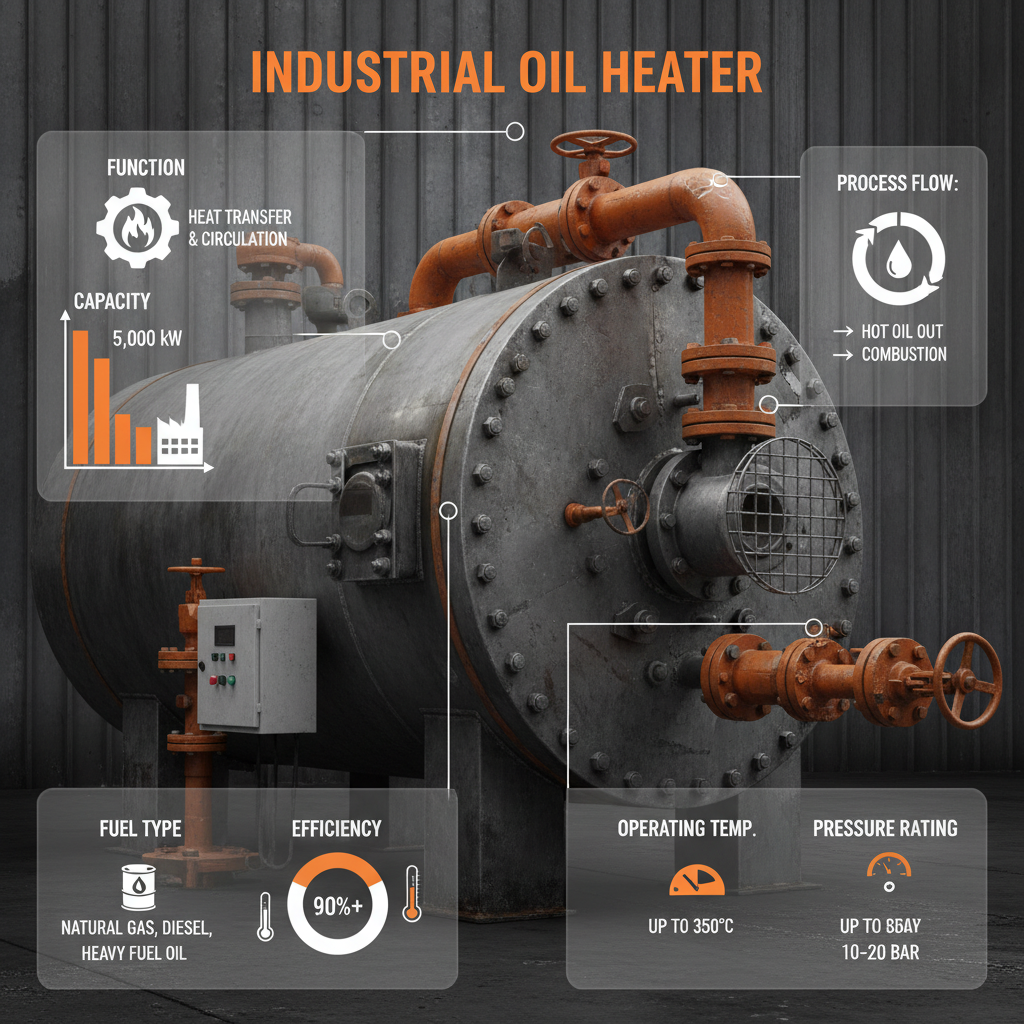
In the modern industrial landscape, energy efficiency has evolved from a corporate preference to a global imperative. The implementation of a waste heat water boiler represents one of the most effective strategies for reducing operational costs while simultaneously lowering a facility's carbon footprint by recapturing thermal energy that would otherwise be lost to the atmosphere.
Across various sectors, from chemical processing to metal smelting, the ability to convert exhaust gases or cooling water into usable heating energy is a game-changer. By integrating a high-efficiency waste heat recovery system, companies can significantly reduce their reliance on primary fuel sources, creating a circular energy economy within their own production lines.
Understanding the technical nuances and strategic deployment of a waste heat water boiler allows engineers and facility managers to maximize ROI. This guide explores the global context, core components, and future innovations of waste heat recovery, providing a comprehensive roadmap for industrial sustainability.
Global Context of Waste Heat Recovery
Globally, industrial heat waste is staggering, with reports from international energy agencies suggesting that nearly 20% to 50% of industrial energy consumption is lost as waste heat. As the UN Sustainable Development Goals push for more responsible consumption and production, the adoption of the waste heat water boiler has become a critical lever for nations striving to meet Paris Agreement targets and reduce greenhouse gas emissions.
The challenge lies in the "low-grade" nature of much of this heat, which requires specialized heat exchange technology to be captured effectively. By implementing structured recovery systems, industries can transform a byproduct—heat—into a valuable asset, reducing the strain on national power grids and lowering the operational overhead for manufacturers.
Definition and Industrial Mechanism
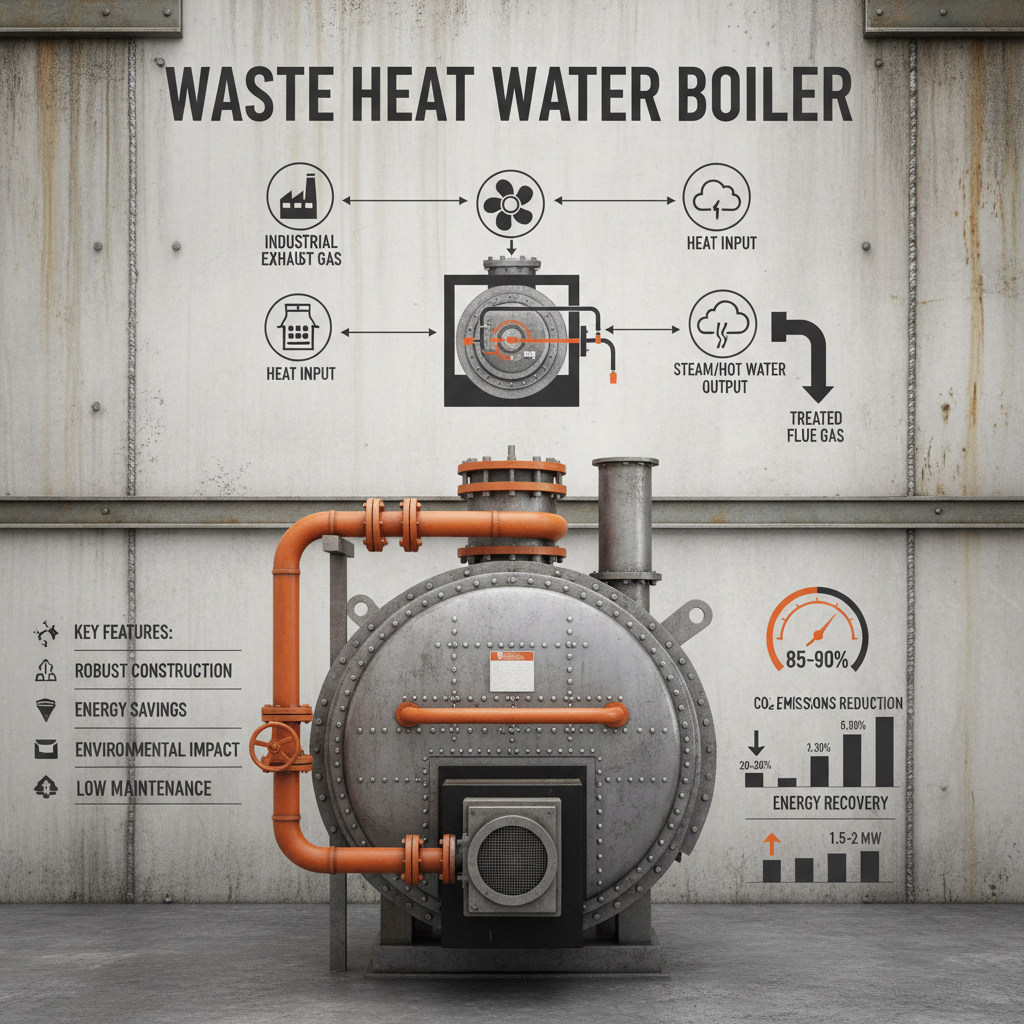
A waste heat water boiler is a specialized heat exchanger designed to capture thermal energy from exhaust gases, steam, or hot process liquids and transfer that energy into water to produce hot water or steam. Unlike traditional boilers that rely on combustion to create heat, this system leverages energy that has already been paid for but was destined for the atmosphere, effectively acting as an energy scavenger.
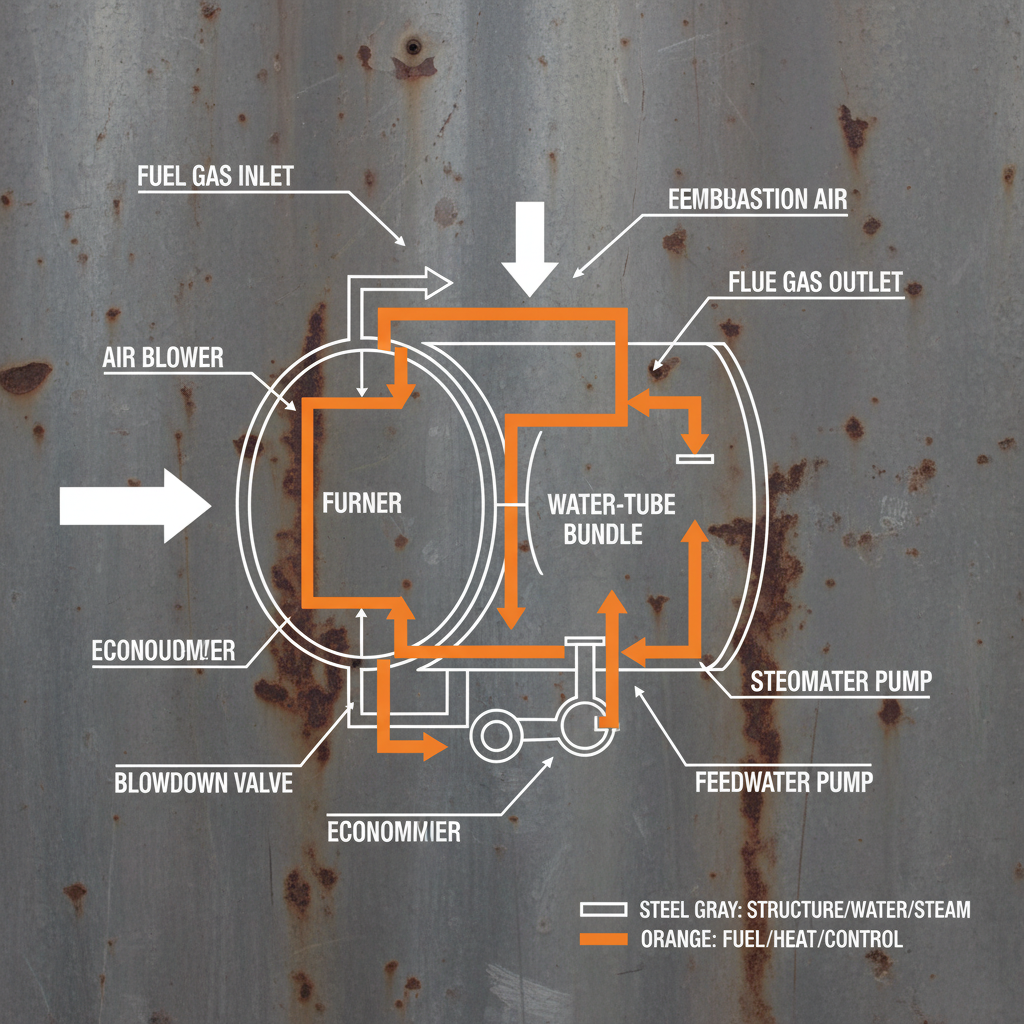
In a typical industrial setup, the waste heat water boiler is installed downstream of a primary heat source, such as a gas turbine, a furnace, or a large-scale internal combustion engine. The heat transfer typically occurs through a series of tubes and fins, where the hot waste stream flows on one side and the water flows on the other, ensuring maximum thermal conductance.
This connection to modern industry is vital because it bridges the gap between production and sustainability. By integrating these boilers, plants can provide their own space heating, pre-heat boiler feedwater, or even generate auxiliary power, turning an environmental liability into a competitive financial advantage.
Core Components for Maximum Efficiency
The durability of a waste heat water boiler depends heavily on its material science. High-grade alloy steels and corrosion-resistant coatings are essential, especially when dealing with exhaust gases that may contain sulfur or other acidic compounds, ensuring the system lasts for decades without significant degradation.
Scalability is another core factor. Modern systems are often modular, allowing a facility to expand its waste heat water boiler capacity as production grows. This flexible architecture ensures that the initial investment is optimized and that the system can adapt to changes in the primary heat source's output.
Finally, cost efficiency is realized through advanced control systems. Smart sensors and automated valves optimize the flow rates of water and waste gases in real-time, ensuring that the heat recovery process is always operating at its peak thermodynamic efficiency regardless of load fluctuations.
Key Performance Metrics and Comparison
When evaluating different configurations of a waste heat water boiler, engineers look at thermal efficiency, pressure drop, and the heat transfer coefficient. A higher efficiency rating means more energy is recovered per cubic meter of exhaust gas, directly impacting the bottom line.
Comparing various recovery methods reveals that customized designs—tailored to the specific temperature and flow rate of the waste stream—outperform generic "off-the-shelf" solutions. The following chart illustrates the relative effectiveness of different heat recovery approaches.
Efficiency Ratings of Waste Heat Recovery Methods
Global Applications and Use Cases
The versatility of the waste heat water boiler allows it to be deployed in diverse settings. In large-scale petrochemical plants in the Middle East and Asia, these systems capture heat from cracker furnaces to supply district heating or process water, drastically reducing the need for separate heating plants.
Beyond heavy industry, we see these solutions in remote industrial zones where energy stability is a challenge. For example, in mining operations in Northern Canada or Siberia, waste heat from generators is channeled through recovery boilers to heat living quarters and workshops, ensuring human safety and dignity in extreme climates while optimizing fuel usage.
Long-Term Economic and Environmental Value
The primary tangible benefit of a waste heat water boiler is the immediate reduction in fuel expenditure. By offsetting the need for primary fuel to heat water, companies often see a return on investment (ROI) within 18 to 36 months, depending on local energy costs and the volume of available waste heat.
From an environmental perspective, the impact is profound. Reducing fuel consumption directly correlates to lower CO2, NOx, and SOx emissions. This not only helps companies comply with tightening environmental regulations but also enhances their brand image as innovative and responsible corporate citizens.
Beyond the logic of cost and carbon, there is an emotional value of trust and leadership. Organizations that invest in heat recovery signal to their stakeholders—employees, investors, and the community—that they are committed to a sustainable future, fostering a culture of innovation and reliability.
Future Trends in Heat Recovery Technology
The future of the waste heat water boiler is being shaped by digital transformation. The integration of Industrial IoT (IIoT) allows for predictive maintenance, where AI algorithms analyze temperature and pressure fluctuations to predict tube leaks or fouling before they cause downtime.
Material science is also advancing, with the introduction of nano-coatings that prevent corrosion and enhance heat transfer coefficients. We are seeing a shift toward "hybrid" recovery systems that can switch between water heating and organic Rankine cycles (ORC) to generate electricity depending on the facility's immediate needs.
As green energy policies become more stringent, the role of these boilers will transition from "optional efficiency" to "mandatory compliance." The integration of automation and smart grid connectivity will allow factories to sell excess recovered energy back to the grid, turning a boiler into a revenue-generating asset.
Comparison of Waste Heat Recovery Technologies and Future Adoption
| Technology Type |
Recovery Efficiency |
Maintenance Level |
Future Trend Score |
| Standard Shell & Tube |
Moderate (6-7) |
Low |
5 |
| Condensing WHB |
High (8-9) |
Moderate |
8 |
| Heat Pipe Exchange |
Very High (9) |
Low |
9 |
| AI-Integrated Boiler |
Optimized (9+) |
Automated |
10 |
| Plate Heat Exchanger |
High (7-8) |
Moderate |
7 |
| Hybrid ORC Systems |
Extreme (10) |
High |
9 |
FAQS
It saves money by reducing the amount of primary fuel (like gas, coal, or electricity) needed to heat water for industrial processes or building heating. By capturing "free" energy from exhaust streams, you lower your monthly utility bills and reduce the wear and tear on your primary heating systems, leading to significant operational cost reductions over time.
Yes, most systems are designed for retrofitting. The process involves identifying the primary heat waste stream (such as a chimney or cooling pipe) and installing the recovery boiler in the flow path. A professional audit is usually required to determine the optimal placement and sizing to ensure that the retrofit does not create excessive backpressure on the existing equipment.
With proper water treatment and maintenance, a high-quality waste heat water boiler can last between 15 to 25 years. The most critical factor is protecting the heat exchange surfaces from corrosion and scaling. Using treated feedwater and periodic cleaning ensures the system maintains its efficiency and structural integrity throughout its lifecycle.
Generally, no. Because they do not involve active combustion within the boiler itself, there are fewer "fire-side" issues like soot buildup or burner malfunctions. However, they do require careful monitoring of the heat exchange interface to prevent fouling from the waste gas stream and ensuring the water chemistry remains balanced to prevent internal corrosion.
A thermal audit is the first step. Engineers measure the temperature, mass flow rate, and composition of your exhaust gases or cooling liquids. If there is a consistent heat source with a temperature significantly higher than your required water output temperature, a waste heat water boiler is likely to provide a rapid and substantial return on investment.
While not always mandatory, many governments offer tax incentives, grants, or carbon credits for installing recovery systems. In some jurisdictions, strict emissions limits on "thermal pollution" (releasing too much heat into the atmosphere or water bodies) effectively mandate the use of recovery technology to meet environmental compliance standards.
Conclusion
The implementation of a waste heat water boiler is far more than a simple equipment upgrade; it is a strategic transition toward industrial maturity. By capturing lost thermal energy, businesses can achieve a rare synergy where economic profitability aligns perfectly with environmental stewardship. From reducing fuel costs to lowering carbon emissions and improving energy security, the benefits are comprehensive and long-lasting.
Looking forward, as the world moves toward a net-zero future, the ability to efficiently recycle energy will separate the industry leaders from the laggards. We recommend that facility managers conduct a thorough thermal audit to uncover hidden energy opportunities. Embracing this technology today ensures a more resilient, sustainable, and profitable operation for tomorrow. Visit our website for more professional solutions: www.yinengboilers.com