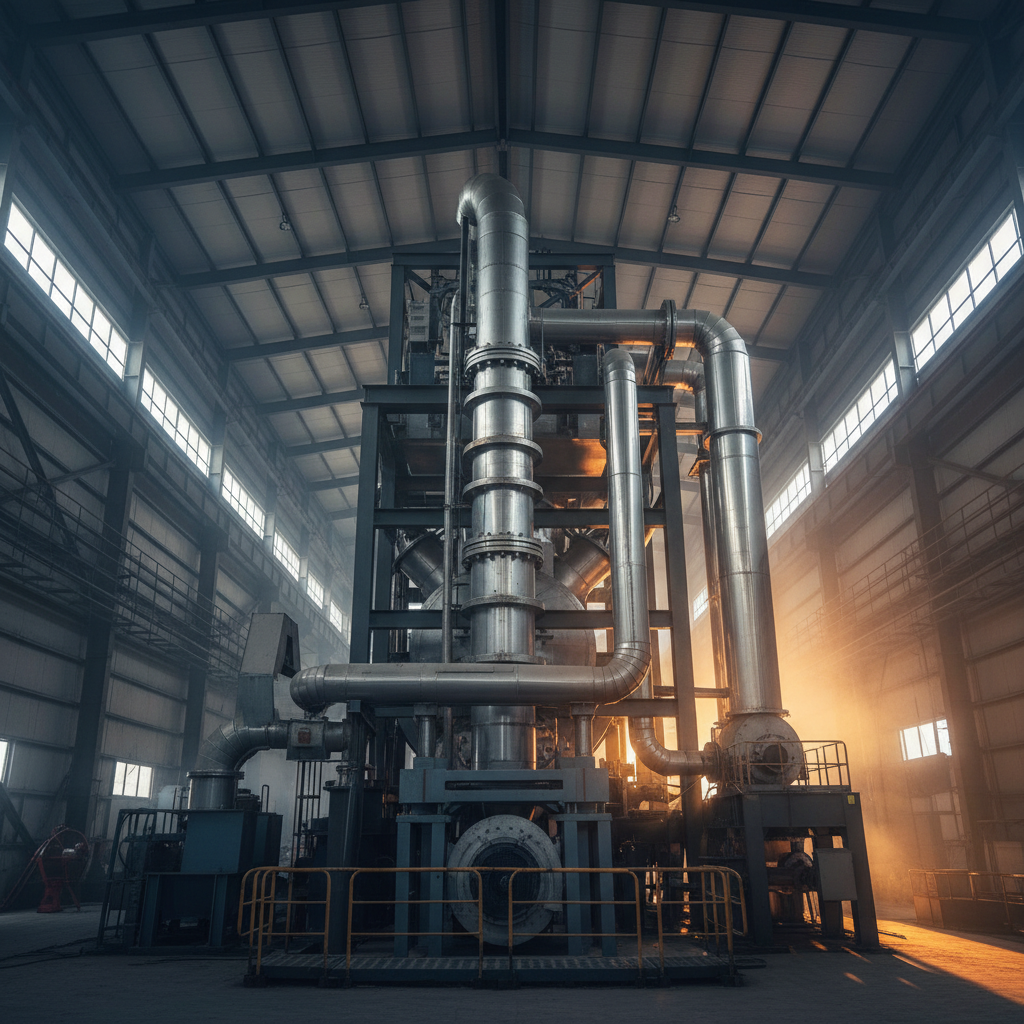
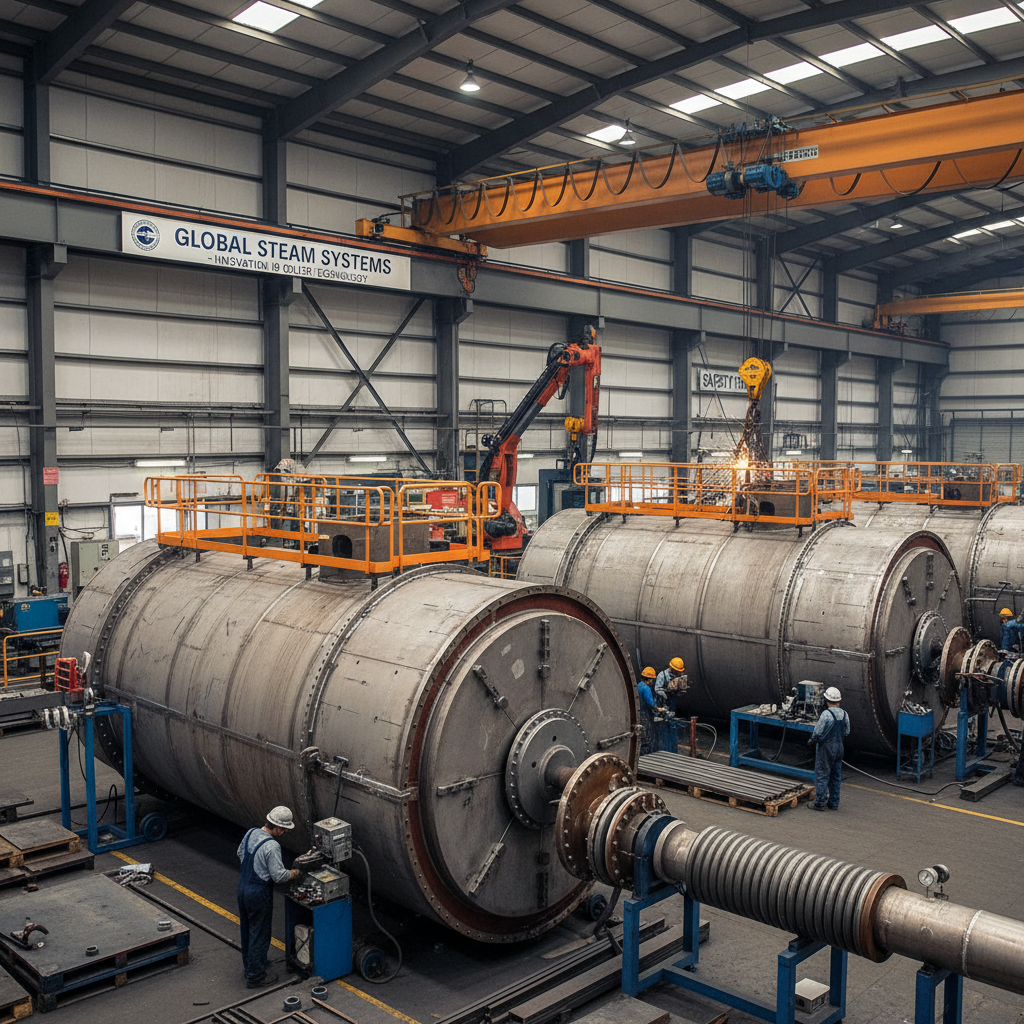
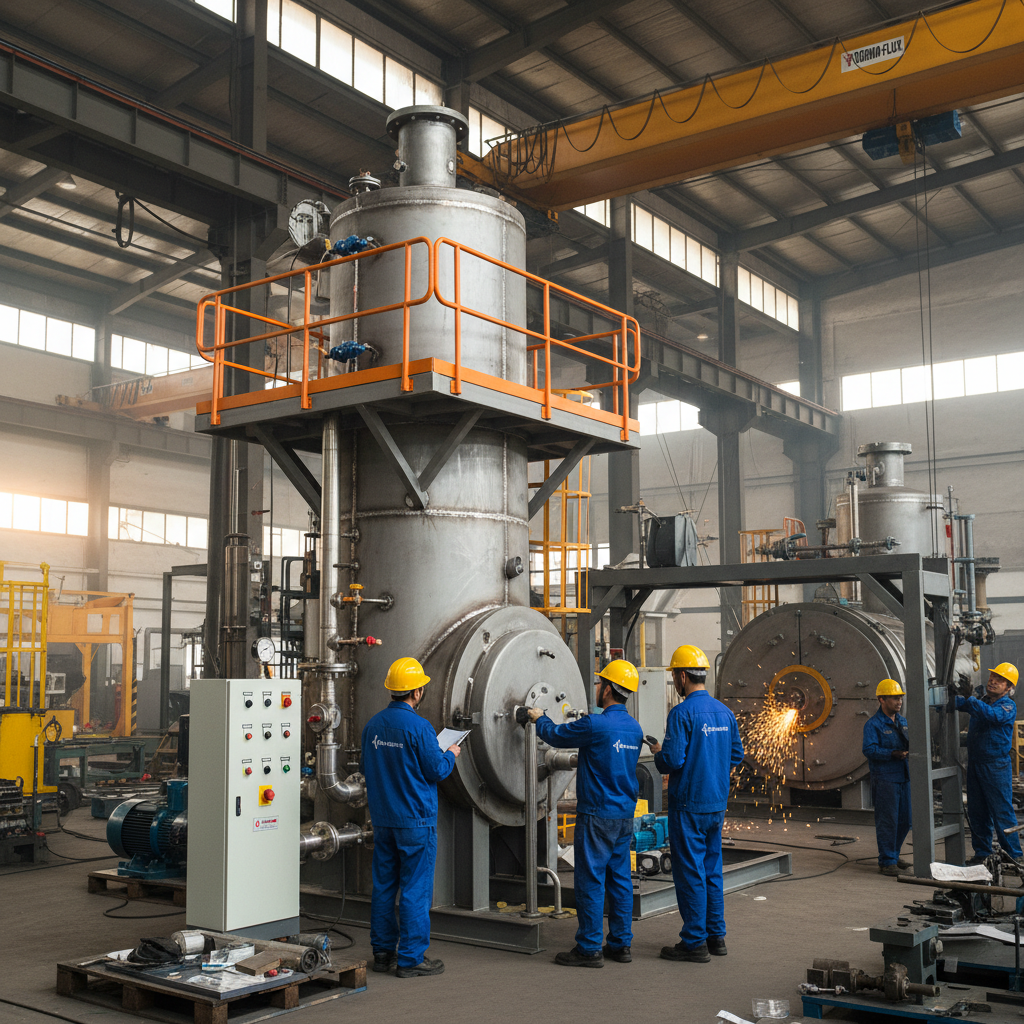
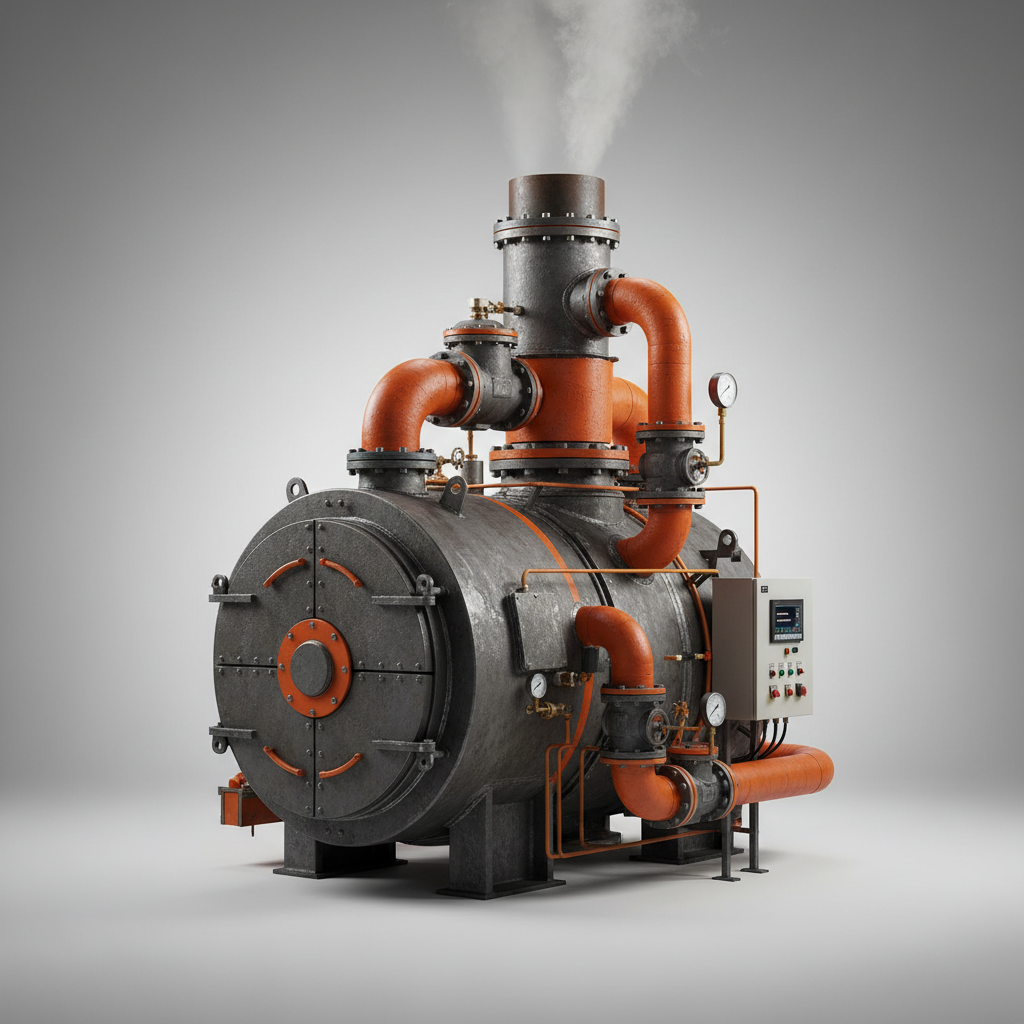
Waste heat thermal oil boilers are becoming increasingly vital in modern industrial processes, offering a sustainable and cost-effective solution for energy recovery. These boilers utilize otherwise wasted heat—a byproduct of various industrial operations—to heat thermal oil, a highly efficient heat transfer fluid. This recovered energy can then be deployed for a multitude of applications, significantly reducing reliance on fossil fuels and lowering operational costs. Understanding the intricacies of waste heat thermal oil boiler technology is crucial for businesses striving for both economic and environmental responsibility.
The global drive towards energy efficiency and reduced carbon emissions is the primary catalyst for the growing adoption of waste heat thermal oil boiler systems. Industries such as petrochemicals, steel, glass, and cement production are particularly well-suited for implementing these technologies, as they generate substantial amounts of waste heat. Organizations like the UN Environment Programme and the World Bank actively promote waste heat recovery as a key component of sustainable industrial development.
The increasing regulatory pressure to minimize environmental impact, coupled with the economic benefits of reduced energy consumption, has created a strong market demand for efficient waste heat recovery solutions. Waste heat thermal oil boilers represent a pivotal technology in this regard, providing a practical and reliable means of converting a liability—waste heat—into a valuable asset.
The Significance of Waste Heat Thermal Oil Boilers
The implementation of waste heat thermal oil boilers isn't simply an engineering upgrade; it’s a strategic shift toward a more sustainable and economically sound operational model. By capitalizing on energy that would otherwise dissipate into the environment, these systems drastically reduce the demand for conventional energy sources, decreasing both energy expenditures and greenhouse gas emissions.
Furthermore, these boilers offer a flexible and reliable solution for various industrial heating applications, providing a stable and consistent heat source. Their ability to operate efficiently across a wide range of temperatures and pressures makes them adaptable to diverse processes, contributing to increased overall productivity and enhanced process control.
Defining Waste Heat Thermal Oil Boiler Technology
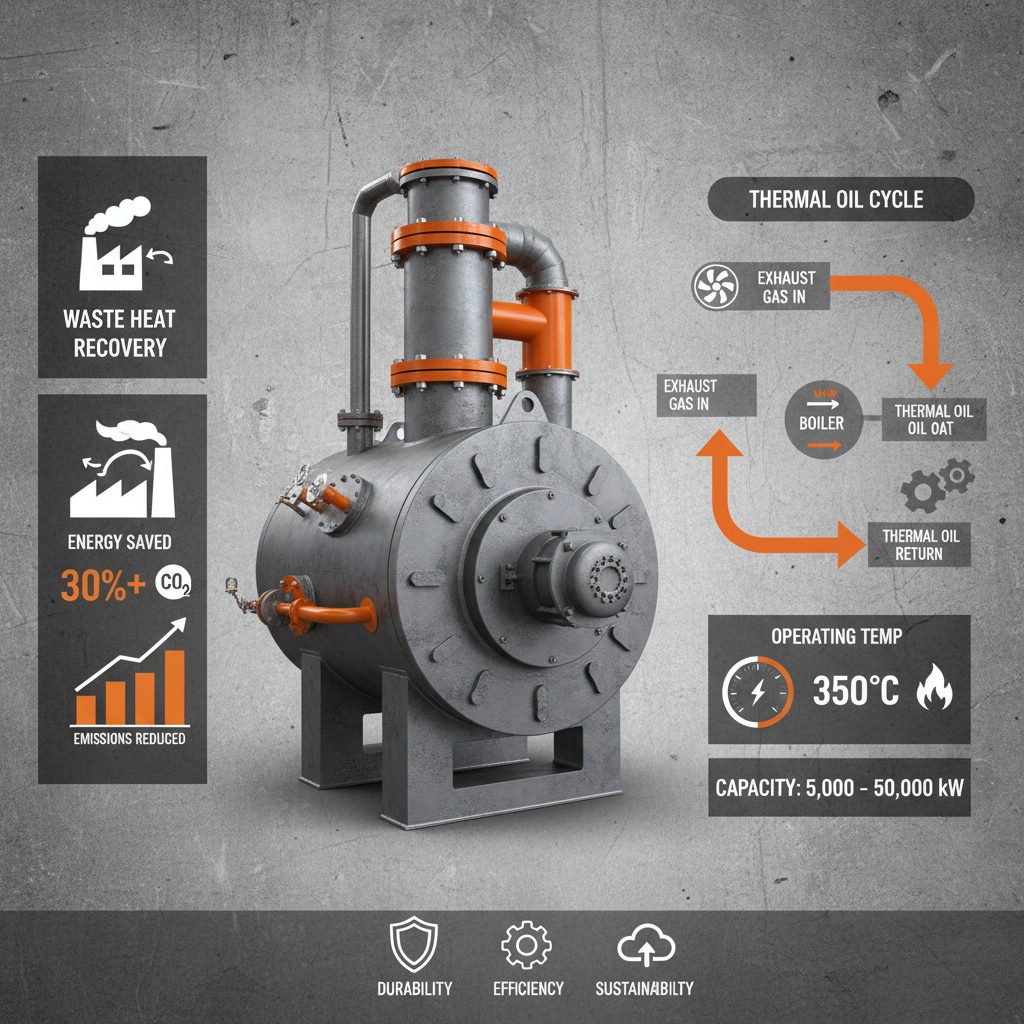
A waste heat thermal oil boiler is a specialized heat exchanger designed to recover thermal energy from exhaust gases or other waste heat streams and transfer it to a heat transfer fluid known as thermal oil. This fluid, unlike water, boasts a significantly higher boiling point and excellent thermal stability, enabling it to operate at higher temperatures without the risk of vaporization. The heated thermal oil is then circulated to processes requiring heat, providing a consistent and reliable source of energy.
The integration of this technology into industrial facilities addresses a critical need for efficient energy utilization, contributing to both cost savings and environmental benefits. Waste heat thermal oil boilers effectively bridge the gap between energy waste and productive energy use, promoting a circular economy approach to resource management.
Its connection to modern industry extends beyond mere energy savings. It provides a solution for industries striving to meet increasingly stringent environmental regulations and demonstrate corporate social responsibility, fostering a positive brand image and enhancing long-term sustainability.
Core Components and Operational Principles
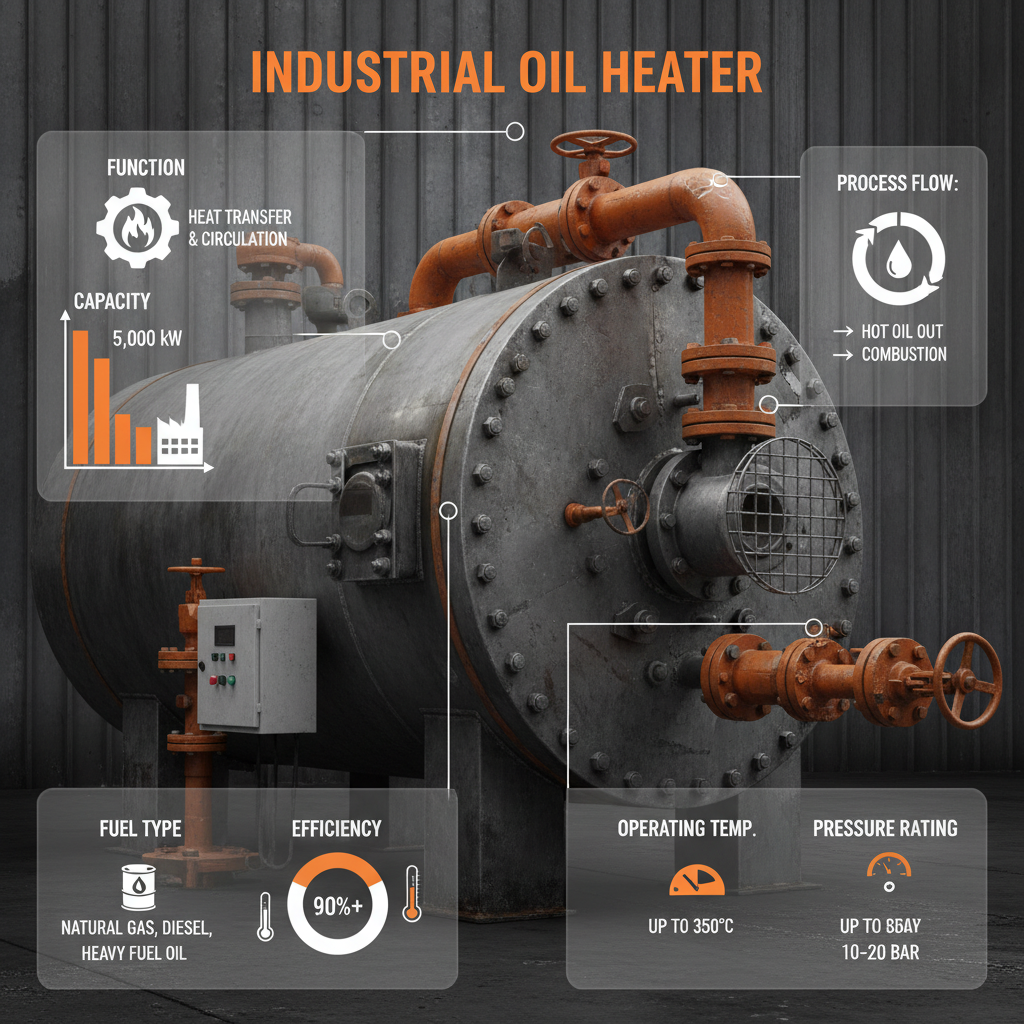
The core components of a waste heat thermal oil boiler include the heat exchanger (where heat transfer occurs), the thermal oil circulation system (pump, piping, expansion tank), the control system (temperature sensors, valves, and PLC), and the safety systems (pressure relief valves, high-temperature alarms). The heat exchanger’s design—typically a shell-and-tube type—maximizes heat transfer efficiency while minimizing pressure drop.
Operationally, hot exhaust gases flow through the shell side of the heat exchanger, while the thermal oil circulates through the tubes. The temperature difference drives heat transfer from the gases to the oil. The control system meticulously monitors and regulates the oil temperature, ensuring optimal performance and preventing overheating. Regular maintenance and monitoring are critical for ensuring the continued efficiency and reliability of the system.
Proper insulation of the boiler and associated piping is also paramount. Minimizing heat loss is crucial for maximizing the system's overall efficiency and ensuring the best return on investment. The selection of appropriate materials for construction—capable of withstanding high temperatures and corrosive environments—contributes significantly to the boiler's longevity and performance.
Performance Metrics and Efficiency Considerations
Key performance indicators (KPIs) for waste heat thermal oil boilers include thermal efficiency (the percentage of waste heat recovered), heat transfer rate, pressure drop, and thermal oil degradation rate. Thermal efficiency is heavily influenced by the design of the heat exchanger, the operating temperatures, and the characteristics of the waste heat source.
Achieving high efficiency necessitates careful consideration of several factors. The temperature of the incoming waste heat stream directly impacts the potential heat recovery. Similarly, maintaining a suitable temperature difference between the exhaust gases and the thermal oil is crucial for maximizing heat transfer. Minimizing fouling on the heat transfer surfaces also plays a key role in maintaining efficiency over time.
Comparative Efficiency of Waste Heat Thermal Oil Boiler Methods
Real-World Applications Across Industries
Waste heat thermal oil boilers find widespread application in industries generating substantial amounts of waste heat. In the petrochemical sector, they recover heat from cracking furnaces and other high-temperature processes. Steel mills utilize them to capture heat from flue gases, while glass manufacturing plants employ them to recover heat from furnace exhaust.
Cement plants, known for their energy-intensive operations, benefit significantly from waste heat recovery systems, reducing their reliance on fossil fuels and lowering production costs. Furthermore, these boilers are increasingly used in combined heat and power (CHP) systems, generating both electricity and thermal energy for enhanced energy efficiency.
Advantages and Long-Term Economic Value
The advantages of employing waste heat thermal oil boilers are multifaceted. Firstly, they significantly reduce energy costs by minimizing the need for supplemental heating. Secondly, they contribute to environmental sustainability by lowering greenhouse gas emissions and reducing the carbon footprint. Thirdly, they enhance operational reliability by providing a stable and consistent heat source.
The long-term economic value extends beyond immediate cost savings. Reduced energy consumption translates into lower operating expenses, improved profitability, and a strengthened competitive advantage. Moreover, compliance with environmental regulations and a demonstrable commitment to sustainability enhance a company's reputation and attract environmentally conscious customers and investors.
Future Trends and Technological Advancements
The future of waste heat thermal oil boiler technology is marked by several key trends. Advanced materials with improved heat transfer characteristics and corrosion resistance are being developed. Digitalization and the integration of IoT sensors enable real-time monitoring and predictive maintenance, optimizing performance and minimizing downtime.
Research is also focused on enhancing the efficiency of heat exchangers and developing more compact and modular boiler designs. Furthermore, the integration of artificial intelligence (AI) and machine learning (ML) algorithms can optimize boiler operation based on real-time data and historical trends, maximizing energy recovery and reducing operational costs.
These advancements align with the broader industry shift toward smart manufacturing and sustainable energy solutions, ensuring that waste heat thermal oil boilers remain a crucial component of efficient and environmentally responsible industrial processes.
FAQS
The payback period for a waste heat thermal oil boiler installation varies depending on factors such as the amount of waste heat available, the cost of alternative energy sources, and the specific application. However, a typical payback period ranges from 2 to 5 years, making it a highly attractive investment for many industries. The reduction in fuel costs and potential government incentives contribute significantly to this favorable payback timeframe.
Regular maintenance is crucial for ensuring the optimal performance and longevity of a waste heat thermal oil boiler. This includes periodic inspection of the heat exchanger for fouling, checking the thermal oil for degradation, and verifying the functionality of the control and safety systems. Routine cleaning and preventative maintenance can significantly reduce the risk of downtime and extend the boiler's lifespan.
A wide range of waste heat sources can be utilized with thermal oil boilers, including exhaust gases from combustion processes, hot water streams, and heat from industrial processes such as cracking and refining. The key requirement is a sufficient temperature differential between the waste heat source and the thermal oil to facilitate efficient heat transfer.
Thermal oil offers several advantages over steam as a heat transfer medium. It operates at higher temperatures without the risk of vaporization, allowing for more efficient heat transfer. It also eliminates the need for costly steam generation and distribution systems and reduces the risk of burns and other safety hazards associated with steam. Thermal oil also has a lower heat loss.
Using a waste heat thermal oil boiler offers significant environmental benefits. It reduces greenhouse gas emissions by decreasing reliance on fossil fuels, minimizes the carbon footprint of industrial operations, and promotes sustainable energy practices. By recovering and utilizing waste heat, these boilers contribute to a circular economy and help conserve valuable resources.
Many governments worldwide offer incentives for installing waste heat recovery systems, including tax credits, grants, and rebates. These incentives are designed to encourage businesses to invest in energy-efficient technologies and reduce their environmental impact. It's recommended to research available programs in your specific region to maximize potential savings.
Conclusion
In conclusion, waste heat thermal oil boilers represent a powerful and sustainable solution for recovering and utilizing waste energy. Their ability to significantly reduce energy costs, minimize environmental impact, and enhance operational efficiency makes them an increasingly attractive investment for industries across a wide range of sectors. By embracing this technology, businesses can not only improve their bottom line but also demonstrate a commitment to environmental stewardship.
Looking ahead, continued innovation in materials, digitalization, and AI integration will further enhance the performance and versatility of these boilers. As the global focus on energy efficiency and sustainability intensifies, waste heat thermal oil boilers are poised to play an increasingly vital role in shaping a more sustainable and resource-efficient future. Visit our website at www.yinengboilers.com to learn more about how we can help you optimize your energy usage and achieve your sustainability goals.