Look, I’ve been on construction sites for over fifteen years. I’ve seen boilers that barely last a season, and others that are still humming along after decades. What I’ve learned is this: you need a water boiler manufacturer that understands the real demands of the job site. It’s not about fancy brochures or slick sales pitches, it’s about reliable heat, consistent performance, and a unit built to withstand the daily grind. That’s what good water boiler manufacturers deliver – a tool you can depend on, day in and day out. And finding one that prioritizes longevity and minimizes downtime is crucial because every hour without heat adds up in lost productivity and project delays.
We’re talking about a market that’s quietly essential. From powering remote construction camps to providing consistent hot water in manufacturing plants, the demand for robust, efficient boilers is steady. Globally, the construction sector alone represents trillions in economic activity, and that translates to a substantial need for reliable heating solutions. The World Bank estimates over $1 trillion is needed annually in infrastructure investment globally, and that requires a lot of hot water and steam. A dependable water boiler manufacturer isn't just selling equipment; they’re enabling progress and keeping projects on track.
And the challenge? Too many manufacturers cut corners. They use cheaper materials, skimp on testing, and prioritize short-term profits over long-term reliability. That’s where knowing your supplier is vital. You need a water boiler manufacturer that doesn’t just say they build quality products, but proves it with a track record and a commitment to customer support.
The Importance of Durable water boiler manufacturer
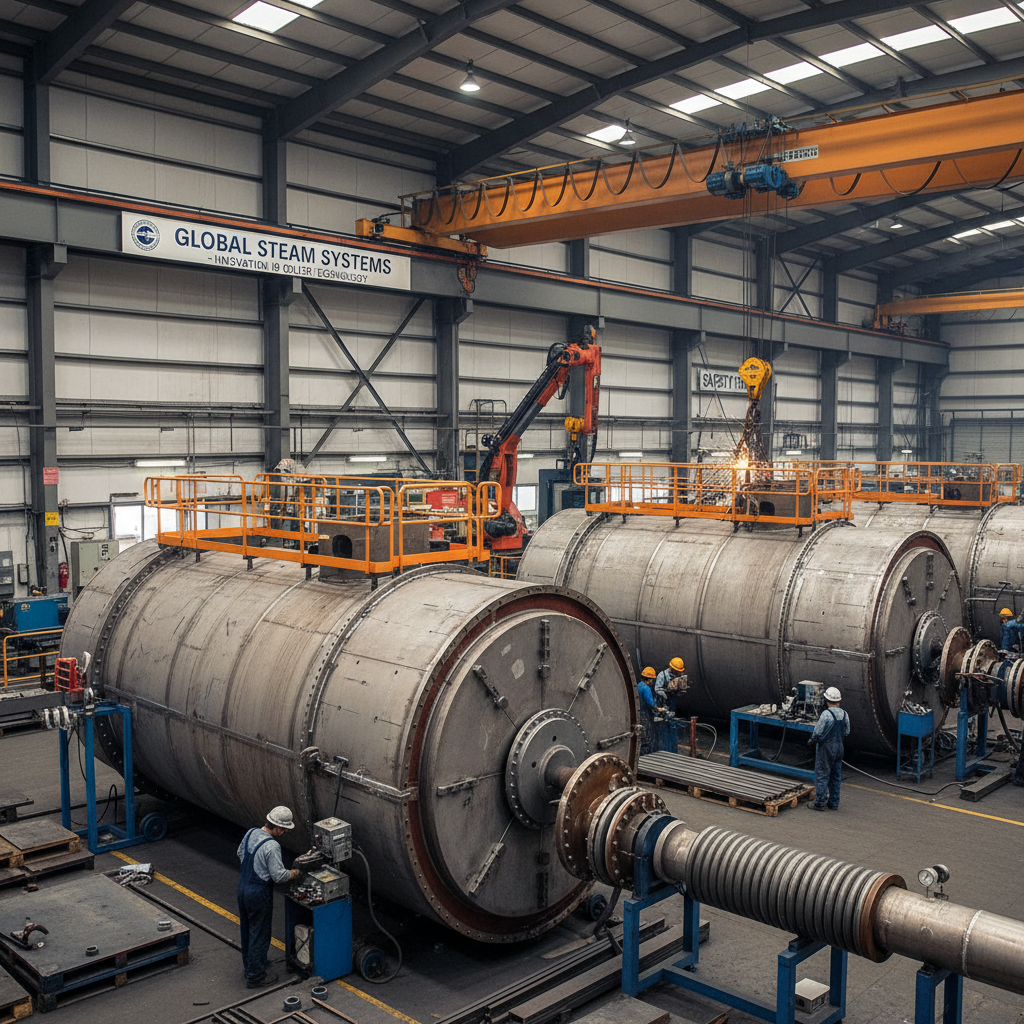
I’ve seen boilers buckle under pressure, literally. A robust design and quality materials are non-negotiable. You need a water boiler manufacturer that uses heavy-gauge steel, properly welds all connections, and thoroughly tests for leaks. It’s about anticipating the stresses – the temperature fluctuations, the water pressure, the occasional bump or vibration – and building a unit that can handle it. We aren't selling a pretty box, we're selling peace of mind.
And don't underestimate the importance of corrosion resistance. Water quality varies dramatically from location to location, and a boiler that’s susceptible to rust will fail prematurely. Look for manufacturers that use corrosion-resistant alloys or offer robust coating options. A little extra investment upfront can save you a fortune in repairs and replacements down the line.
Understanding water boiler manufacturer Applications
Let's be real: a boiler on a remote oil rig has very different needs than a boiler in a hospital. A good manufacturer understands these nuances. They'll ask questions about your specific application, water source, and operating environment to recommend the right size and configuration. It's not a one-size-fits-all game. And they should be willing to customize solutions to meet your unique requirements.
Think about industrial laundry facilities, for example. They require a constant supply of high-pressure steam. A manufacturer serving that sector needs to understand the intricacies of steam generation, water treatment, and efficient heat transfer. Or consider a food processing plant, where hygiene and sanitation are paramount. The boiler materials and design must meet stringent regulatory standards.
I’ve worked with manufacturers who specialize in mobile boiler rooms—units mounted on skids or trailers for easy transport. These are ideal for construction sites, emergency response, and temporary heating applications. The key is portability without sacrificing performance or durability.
Key Components of a Reliable water boiler manufacturer
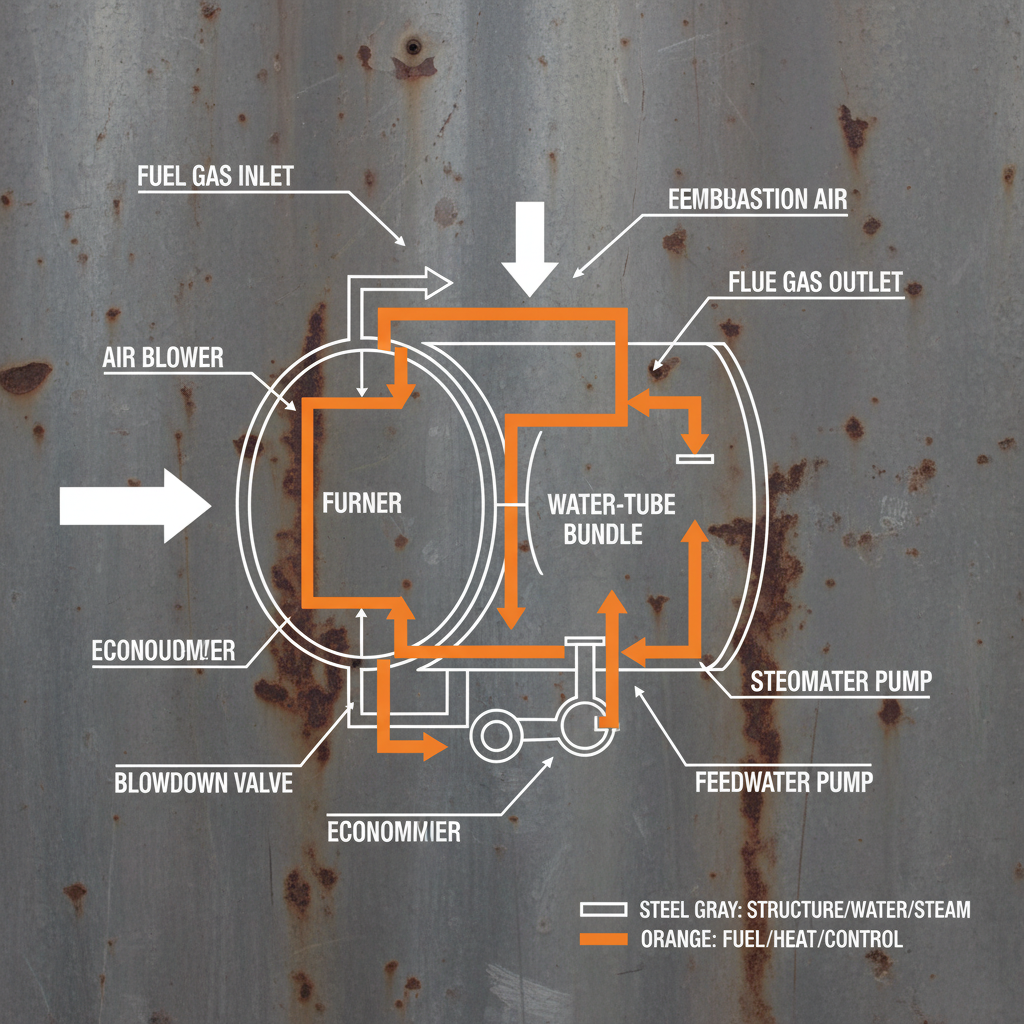
The burner is the heart of the boiler, and its efficiency directly impacts operating costs. Look for manufacturers that use high-efficiency burners and offer options for different fuel sources – natural gas, propane, oil, or even biomass. A well-maintained burner will minimize fuel consumption and reduce emissions.
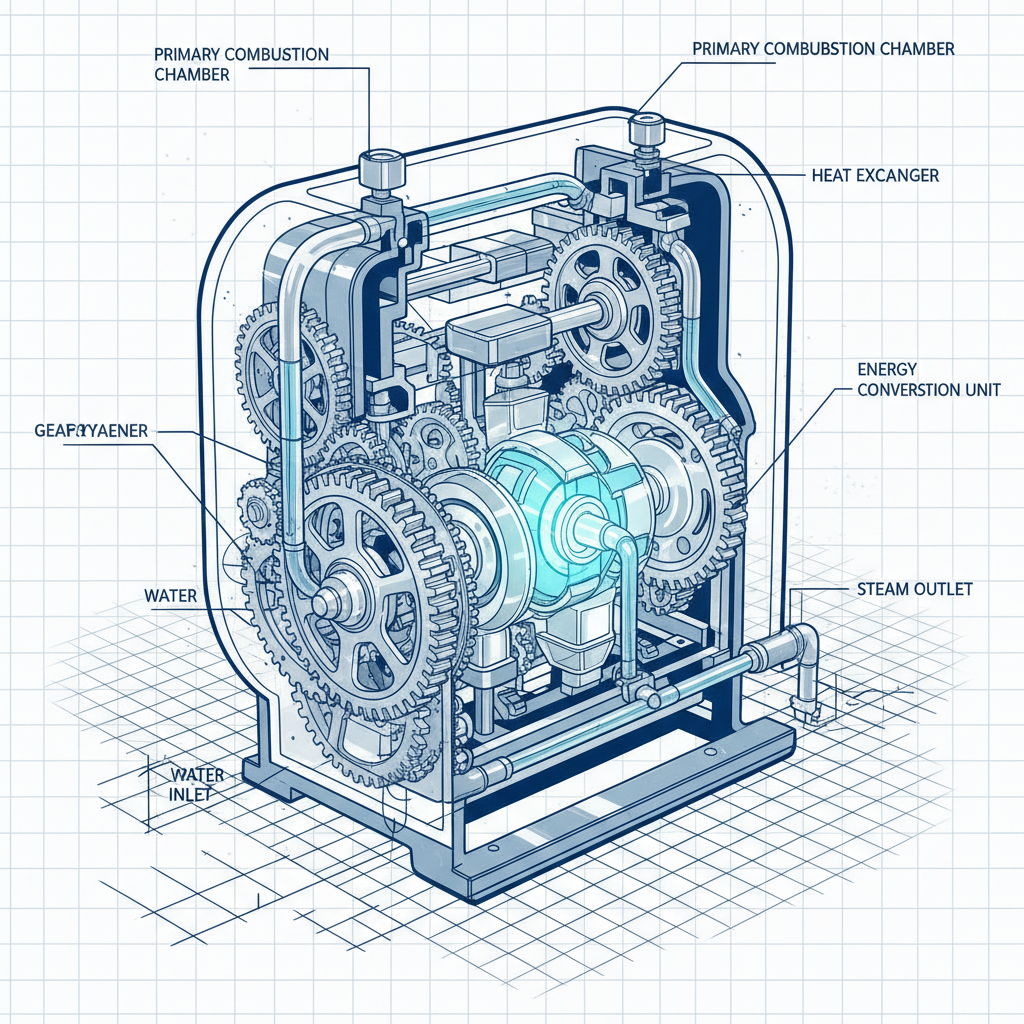
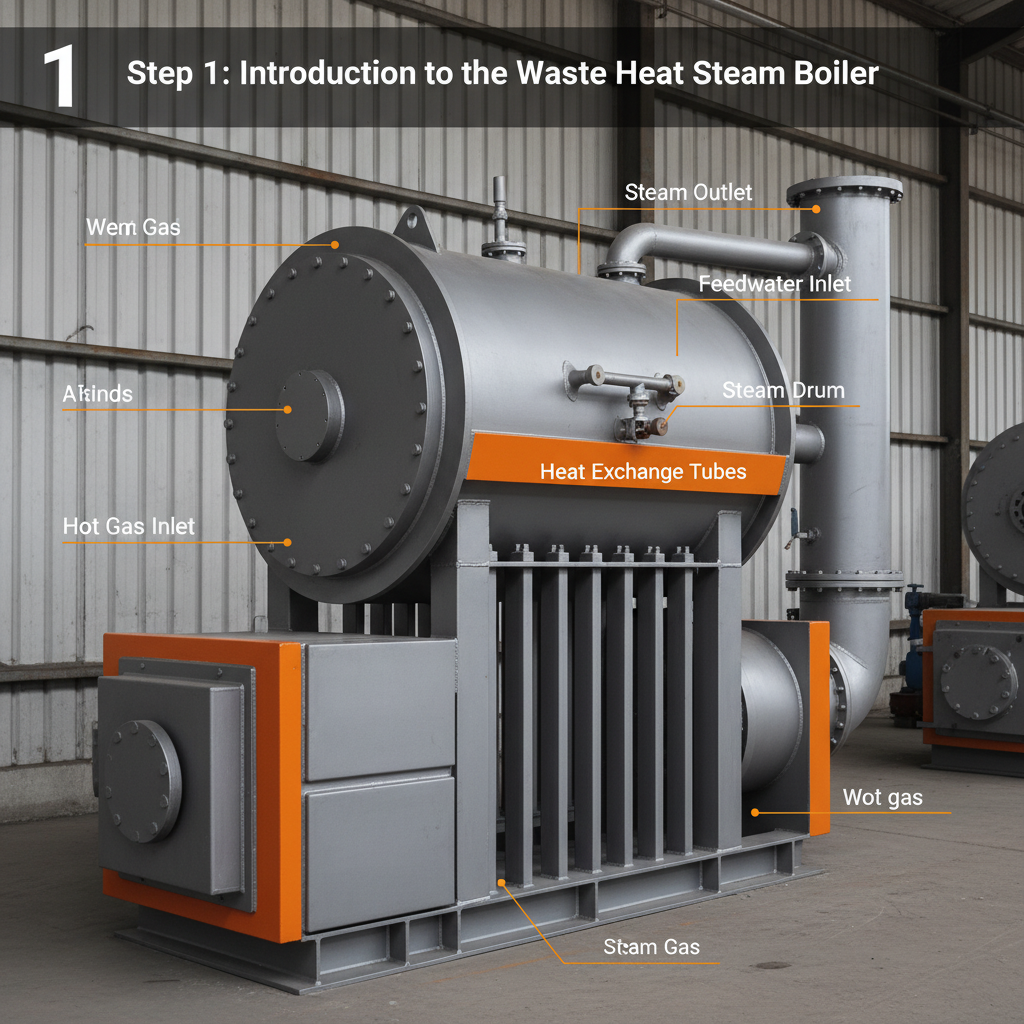
The heat exchanger is where the magic happens – where heat from the burner is transferred to the water. Its design and materials are critical for maximizing heat transfer efficiency and preventing corrosion. Tubular heat exchangers are common in industrial boilers, offering a large surface area for efficient heat exchange.
Then you've got the controls and safety features. A reliable boiler needs a robust control system to maintain precise temperature control and prevent overheating. Safety features like pressure relief valves, low-water cutoffs, and flame sensors are essential for protecting personnel and equipment. And let’s not forget proper insulation – minimizing heat loss translates to significant energy savings.
Scalability and Efficiency in water boiler manufacturer
A good water boiler manufacturer doesn't just sell you a boiler; they offer a scalable solution. If your needs grow, they should be able to provide a larger unit or multiple units that can be easily integrated. Modular designs are becoming increasingly popular, allowing for flexible expansion.
Efficiency isn’t just about fuel consumption; it’s about minimizing downtime. Look for manufacturers that offer remote monitoring and diagnostics. This allows you to proactively identify potential problems and schedule maintenance before they lead to costly breakdowns. Preventative maintenance is key to extending the life of your boiler and maximizing its return on investment.
water boiler manufacturer Efficiency Comparison
Global Applications and Industry Impact
You see water boiler manufacturer impacting a huge range of industries. In post-disaster relief operations, mobile boilers provide essential hot water for sanitation and medical facilities. In remote mining camps, they power heating and process water systems.
Industrial applications are vast—from powering manufacturing processes to providing heat for commercial buildings. Hospitals rely on boilers for sterilization, heating, and sanitation. Food processing plants depend on them for cooking, cleaning, and pasteurization. Even breweries and distilleries need reliable steam for their operations.
Long-Term Value and Sustainability
The initial price tag of a boiler is important, but don’t let it be the sole deciding factor. Consider the total cost of ownership – including fuel consumption, maintenance, and potential downtime. A higher-quality, more efficient boiler will often pay for itself over its lifespan.
Sustainability is also becoming increasingly important. Manufacturers are developing boilers that can run on renewable fuels, reduce emissions, and minimize water waste. Investing in a sustainable boiler is not only good for the environment but can also improve your company's reputation and reduce your carbon footprint.
Future Trends and Innovations in water boiler manufacturer
We’re seeing a move towards more intelligent boilers with advanced control systems and predictive maintenance capabilities. These systems can monitor performance, identify potential problems, and optimize efficiency in real-time. Digitalization is a big driver here.
Another trend is the integration of renewable energy sources. Hybrid boiler systems that combine traditional fuels with solar or geothermal energy are becoming more common. And manufacturers are exploring the use of alternative fuels like hydrogen and biogas.
Expect to see more emphasis on modular designs and pre-fabricated boiler rooms, offering faster installation and reduced on-site construction time. Automation and remote monitoring will become standard features, enabling operators to manage their boiler systems more efficiently and effectively.
Table Summarizing Key Water Boiler Manufacturer Assessment Criteria
| Component Quality |
Efficiency Rating |
Maintenance Requirements |
Long-Term Reliability |
| High-grade steel, robust welds, corrosion-resistant materials |
85-95% efficiency for modern condensing boilers |
Annual inspections, burner cleaning, water treatment |
Expected lifespan of 20-30 years with proper maintenance |
| Moderate quality materials, standard welding practices |
75-85% efficiency for standard boilers |
More frequent maintenance, potential for component failures |
Expected lifespan of 10-15 years with regular maintenance |
| Low-quality materials, questionable construction techniques |
Below 75% efficiency, high fuel consumption |
Constant repairs, frequent downtime, unreliable performance |
Short lifespan, frequent replacements, high total cost of ownership |
| Focus on long-lasting materials and construction. |
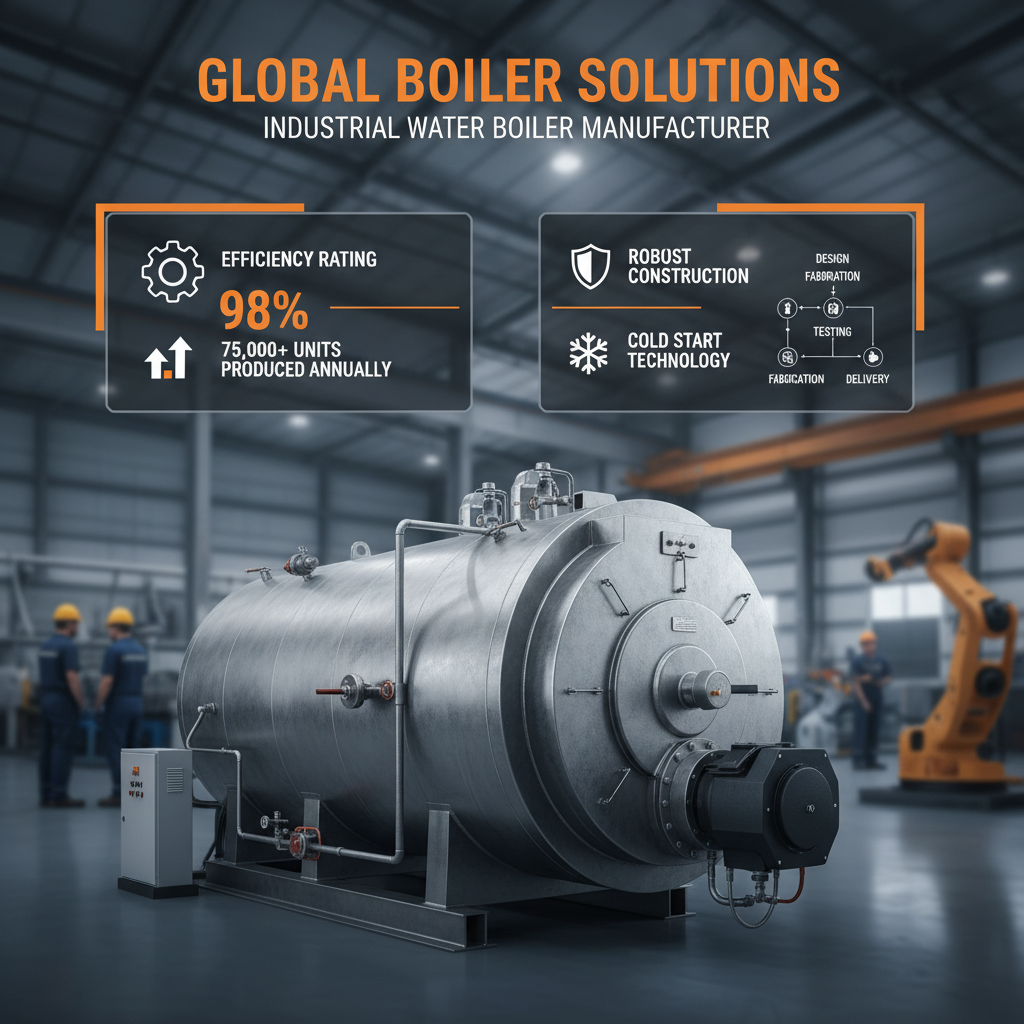
90-98% efficiency through advanced burner technology and heat recovery. |
Automated monitoring, predictive maintenance capabilities, remote diagnostics. |
Designed for extended operational life with minimal degradation. |
| Utilizing standard industry materials. |
75-85% efficiency, meeting basic industry standards. |
Regular, scheduled maintenance required. |
Reliable performance for a moderate operational period. |
| Compromised material quality, cost-driven construction. |
Below 70% efficiency, resulting in higher energy costs. |
Frequent and extensive repairs necessary. |
Limited operational lifespan, high replacement frequency. |
FAQS
Honestly, it's focusing solely on upfront cost. A cheap boiler can end up costing you far more in the long run due to higher fuel consumption, frequent repairs, and shorter lifespan. Look at the total cost of ownership, not just the price tag. A good water boiler manufacturer will help you calculate that.
At a minimum, you should have your boiler inspected annually by a qualified technician. More frequent maintenance may be required depending on your operating environment and usage. Regular cleaning, burner adjustments, and water treatment are essential for maintaining efficiency and preventing breakdowns.
That depends on your location and access to different fuel sources. Natural gas is often the most economical option, but propane, oil, and even biomass can be viable alternatives. Modern condensing boilers are designed to maximize efficiency regardless of the fuel source.
Yes! Many governments and utility companies offer rebates and tax credits for upgrading to energy-efficient boilers. These incentives can significantly reduce the upfront cost of a new boiler and help you recoup your investment faster. Check with your local authorities for available programs.
Essential safety features include a pressure relief valve, low-water cutoff switch, flame sensor, and automatic gas shutoff valve. These features are designed to prevent overheating, explosions, and other hazardous conditions. Make sure the boiler is certified by a reputable testing organization.
With proper maintenance, a well-built boiler should last 20-30 years or even longer. The key is to choose a reputable water boiler manufacturer that uses quality materials and provides excellent customer support. Regular inspections and preventative maintenance are crucial for maximizing its lifespan.
Conclusion
Ultimately, choosing the right water boiler isn’t just about technical specs; it’s about finding a partner who understands your needs and can deliver a reliable, efficient, and long-lasting solution. From demanding industrial applications to critical infrastructure projects, a quality boiler is an investment in productivity, safety, and sustainability. Focusing on durability, scalability, and efficient operation will pay dividends over the long term.
Don’t settle for less. Do your research, ask the right questions, and choose a water boiler manufacturer with a proven track record of excellence. Visit our website at www.yinengboilers.com to learn more about our products and services and how we can help you find the perfect boiler for your needs.