Look, I’ve spent the last fifteen years knee-deep in concrete and dust, watching sites come to life, and I can tell you, reliable hot water is never a small thing. It's not just about comfort; it’s about productivity, safety, and frankly, morale. An electric water boiler isn’t a luxury when you’re trying to keep a crew going through a winter pour or need sanitation on a remote job site. We’ve all been there, dealing with unreliable systems – the downtime, the complaints, the ripple effect across the schedule. It impacts everything.
What I’ve seen shift, especially in the last decade, is the increasing demand for mobility and efficiency. Projects are getting tighter, sites are more remote, and crews are smaller, but the need for consistent, readily available hot water remains. This means lugging around bulky, fuel-fired heaters just isn't cutting it anymore. They’re a hassle to fuel, require constant monitoring, and frankly, are becoming a regulatory nightmare.
That’s where a solid electric water boiler system comes in. It’s a quiet, clean, and efficient solution that’s becoming increasingly viable, not just for temporary sites, but for semi-permanent installations too. It’s about more than just replacing old tech; it’s about rethinking how we deliver a fundamental need on every project.
The Growing Importance of Electric Water Boiler on Construction Sites
I've seen firsthand how site conditions drive the need for adaptable solutions. The availability of power – or lack thereof – is a huge factor. Traditionally, we'd rely on diesel or propane heaters. But those come with fuel storage issues, ventilation needs, and the ever-present risk of carbon monoxide. An electric water boiler, particularly those designed for rugged environments, offers a cleaner and safer alternative when you have a reliable electrical connection.
It’s not just about safety either. Consider the cost of fuel transportation, the time spent refilling tanks, and the maintenance required for those older systems. Electric is becoming increasingly competitive, especially when you factor in long-term operational savings. And let's be real - crews appreciate the quiet operation. Less noise means better communication and reduced fatigue.
Defining Electric Water Boiler for Practical Application
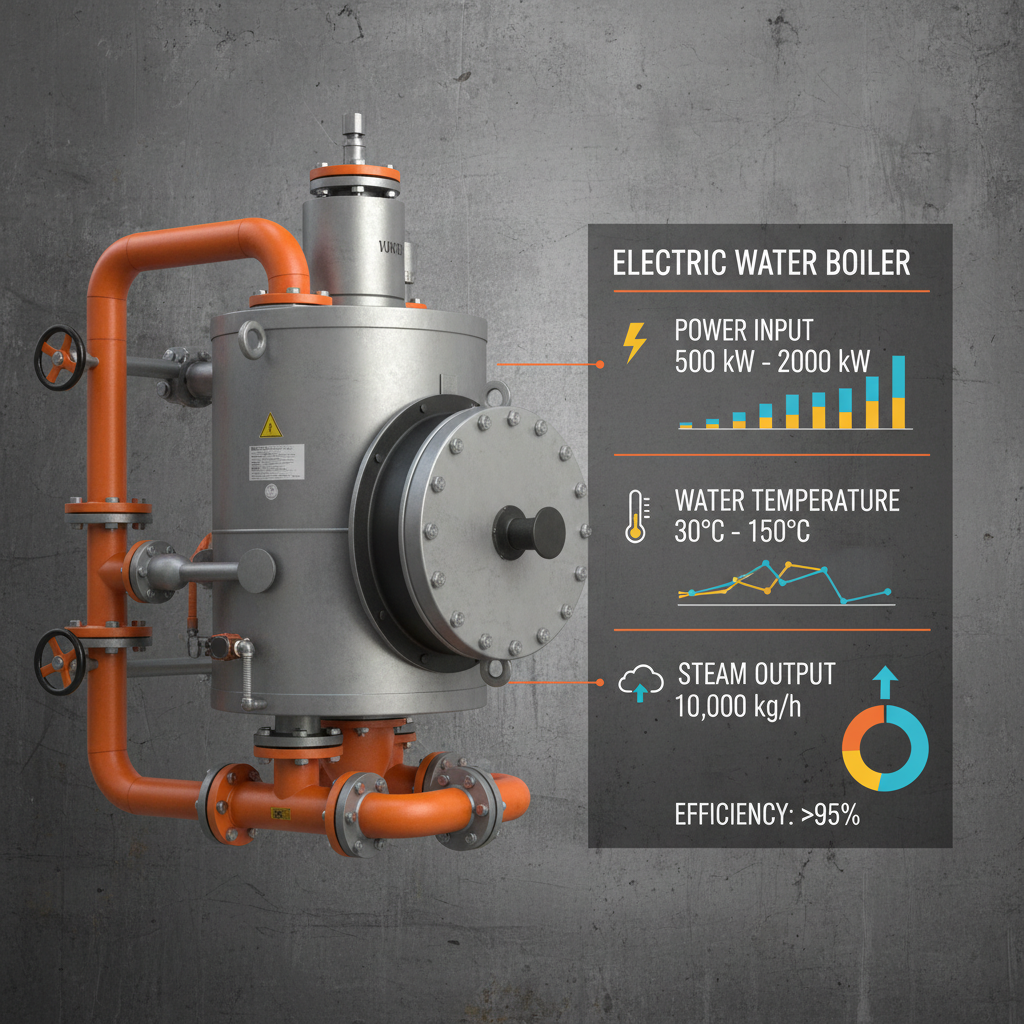
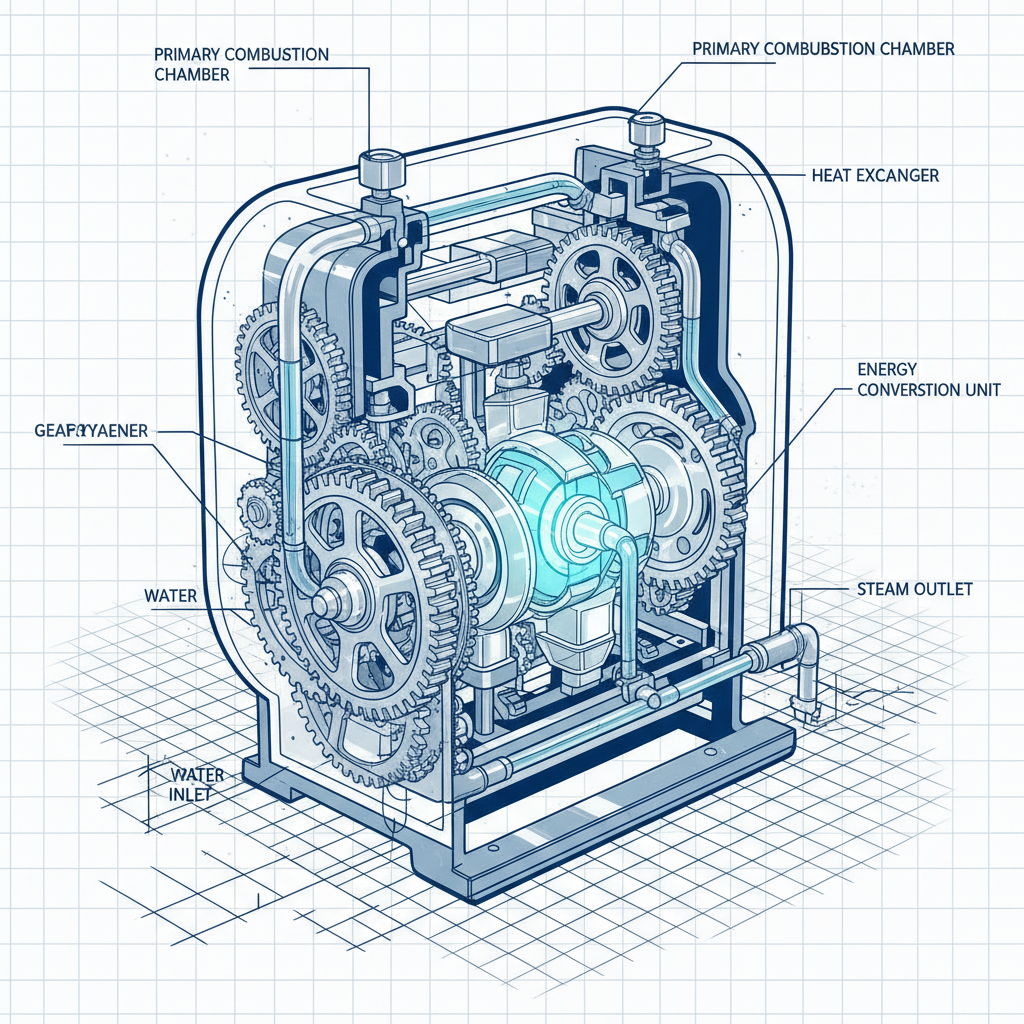
Put simply, an electric water boiler uses electricity to heat water, as opposed to combustion. Now, that sounds straightforward, but the engineering behind it is what matters. We're talking about robust heating elements, efficient insulation, and precise temperature control. It’s about consistently delivering hot water, even under demanding conditions. On a site, this translates to reliable showers, wash stations, and process water for things like concrete curing.
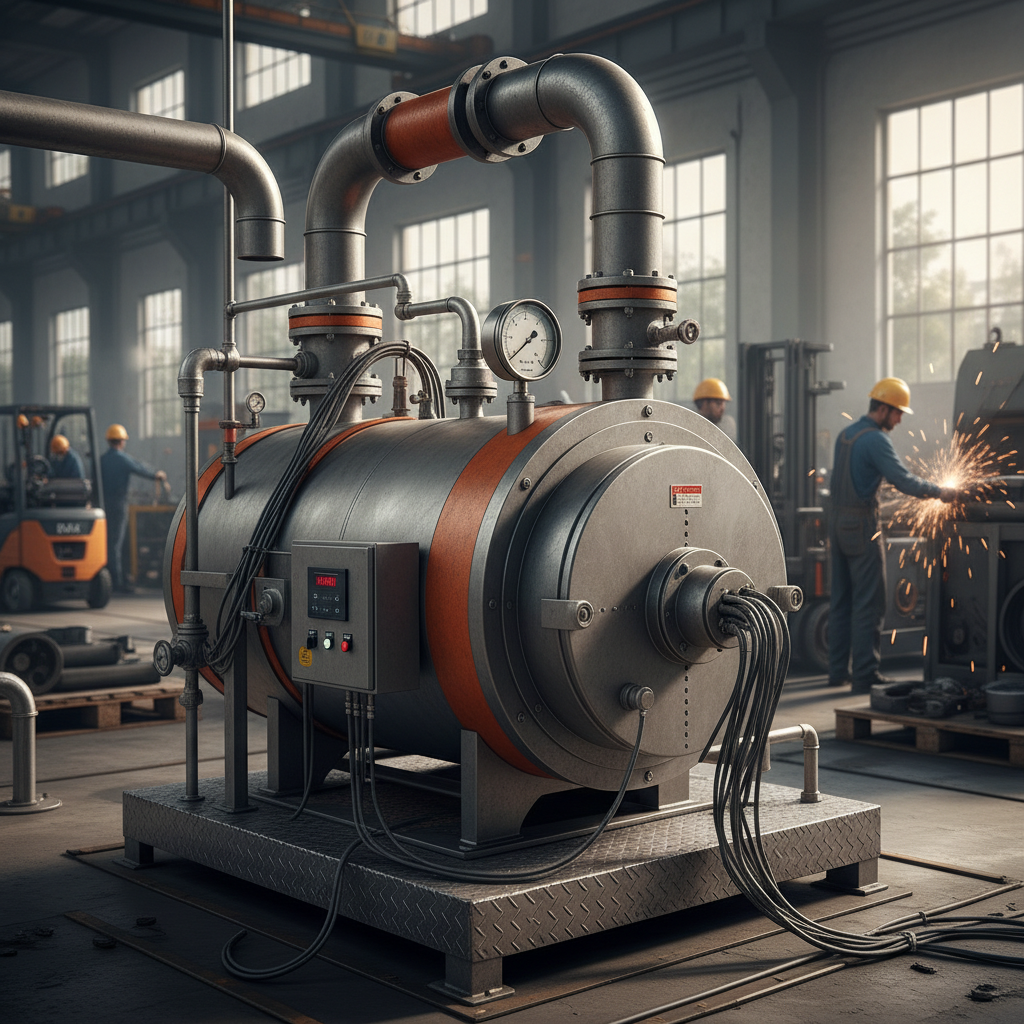
These aren’t your grandma’s kitchen kettles. Modern industrial electric water boiler systems are built to withstand the rigors of a construction site – impacts, weather, and constant use. Look for features like corrosion-resistant materials, digital controls, and safety shutoffs.
From my perspective, the real value lies in the flexibility. You can scale the capacity based on your crew size and water demand, and you can easily relocate the unit as the project progresses. It's a plug-and-play solution that minimizes disruption.
Key Factors in Electric Water Boiler Selection
When I’m spec’ing out a system, durability is paramount. This isn’t an office environment. The unit is going to get knocked around, exposed to the elements, and used constantly. I look for heavy-duty construction, robust housings, and components that are designed to last. I've seen too many cheaper models fail prematurely, leading to costly downtime.
Temperature control is also critical. You need consistent, precise heating to meet hygiene standards and ensure worker comfort. Digital controllers with accurate thermostats are a must. Some models offer programmable settings, which can be a real time-saver. The ability to set a specific temperature and forget it reduces the need for constant monitoring.
Finally, safety features are non-negotiable. Overheat protection, automatic shutoffs, and properly grounded electrical connections are essential to prevent accidents and ensure a safe working environment. I always check for certifications and compliance with relevant safety standards.
Scalability and Capacity of Electric Water Boiler Systems
One of the biggest headaches on a site is underestimating water demand. Running short of hot water is a surefire way to kill productivity. That’s why scalability is so important. You need a system that can adapt to changing crew sizes and project phases.
Electric water boiler systems offer a range of capacities, from smaller units for basic wash stations to larger systems for multiple showers and process water applications. Some manufacturers even offer modular systems that can be linked together to increase capacity as needed.
Electric Water Boiler Capacity vs. Crew Size
Global Applications and Real-World Use Cases
I've seen these systems deployed everywhere, from large-scale infrastructure projects in the Middle East to remote mining operations in Australia. In post-disaster relief operations, the ability to quickly provide clean, hot water is absolutely critical for hygiene and sanitation. They are used in oil and gas camps, construction sites, and even temporary military installations.
In remote industrial zones where grid power is limited, the combination of an electric water boiler with a generator or solar array provides a sustainable and reliable hot water solution. They're a lifesaver for crews working long hours in harsh conditions.
Advantages and Long-Term Value Proposition
Let’s talk about the bottom line. Yes, the initial investment in an electric system might be higher than a basic propane heater. But when you factor in the long-term savings on fuel, maintenance, and labor, the economics start to shift. There's a tangible return on investment, particularly on longer-duration projects.
Beyond the cost savings, there’s the sustainability aspect. Reducing your carbon footprint is becoming increasingly important, and switching to electric is a step in the right direction. It improves site safety, boosts crew morale, and provides a more reliable and efficient hot water solution. That’s a value proposition you can build on.
Future Trends and Innovations in Electric Water Boiler Technology
The biggest trend I’m watching is the integration of smart technology. We're starting to see units with remote monitoring capabilities, allowing you to track water usage, temperature settings, and system performance from a central location. This data can be used to optimize efficiency and prevent downtime.
The push for renewable energy sources is also driving innovation. Combining electric water boiler systems with solar panels or wind turbines creates a truly sustainable and off-grid hot water solution. I also anticipate further advancements in insulation materials and heating element technology, leading to even more efficient and cost-effective systems.
The future is leaning toward smarter, greener, and more reliable hot water solutions, and electric is at the forefront of that change.
Summary of Electric Water Boiler Performance Metrics
| Model |
Efficiency Rating (1-10) |
Durability Score (1-10) |
Remote Monitoring Capabilities |
| Boiler Model X100 |
9 |
8 |
Basic Alerts |
| Boiler Model Y200 |
8 |
9 |
Full Remote Control |
| Boiler Model Z300 |
7 |
7 |
Limited Alerts |
| Boiler Model A400 |
9 |
9 |
Advanced Analytics |
| Boiler Model B500 |
6 |
6 |
No Remote Access |
| Boiler Model C600 |
8 |
8 |
Basic Monitoring |
FAQS
With proper care—regular descaling, ensuring correct electrical supply, and avoiding physical damage—a quality electric water boiler can easily last 5-7 years, sometimes longer, in a construction environment. It’s crucial to follow the manufacturer’s maintenance recommendations and address any issues promptly.
While the initial cost of an electric boiler might be higher, the total cost of ownership is often lower. Propane requires continuous fuel purchases, tank rentals, and safety inspections. Electric boilers have lower operating costs, reduced maintenance needs, and eliminate fuel handling. The break-even point depends on usage, but it's often within 1-2 years.
Industrial-grade electric water boiler systems are designed to withstand harsh conditions. Look for models with IP ratings (Ingress Protection) that indicate their resistance to dust and water. Proper grounding and adherence to electrical safety codes are also essential.
Power requirements vary depending on the boiler’s capacity and voltage. Smaller units may run on standard 120V, while larger systems typically require 240V or even 480V three-phase power. It's crucial to consult the manufacturer's specifications and ensure your site's electrical infrastructure can handle the load.
Yes, you can! However, you need a generator that can provide sufficient continuous power with stable voltage. It’s important to choose a generator with enough capacity to handle the boiler's startup surge and ensure it’s properly grounded. A qualified electrician should verify the compatibility and safety of the setup.
Regular maintenance includes descaling to remove mineral buildup, inspecting the heating elements, checking the thermostat, and ensuring proper electrical connections. The frequency of descaling depends on water hardness, but it’s generally recommended every 6-12 months. Following the manufacturer’s guidelines is vital for longevity.
Conclusion
From my experience on countless sites, the move towards electric water boiler systems isn't just a trend; it’s a practical evolution driven by safety, efficiency, and sustainability. They offer a reliable, cost-effective, and environmentally friendly solution to a fundamental need on any construction project. It’s about working smarter, not harder, and providing a better working environment for your crew.
If you're still relying on outdated, inefficient hot water solutions, I strongly suggest evaluating the benefits of electric. It’s an investment that will pay off in the long run, reducing costs, improving safety, and enhancing your project’s overall sustainability. Visit our website at www.yinengboilers.com to learn more about our range of electric water boilers and find the perfect solution for your next project.