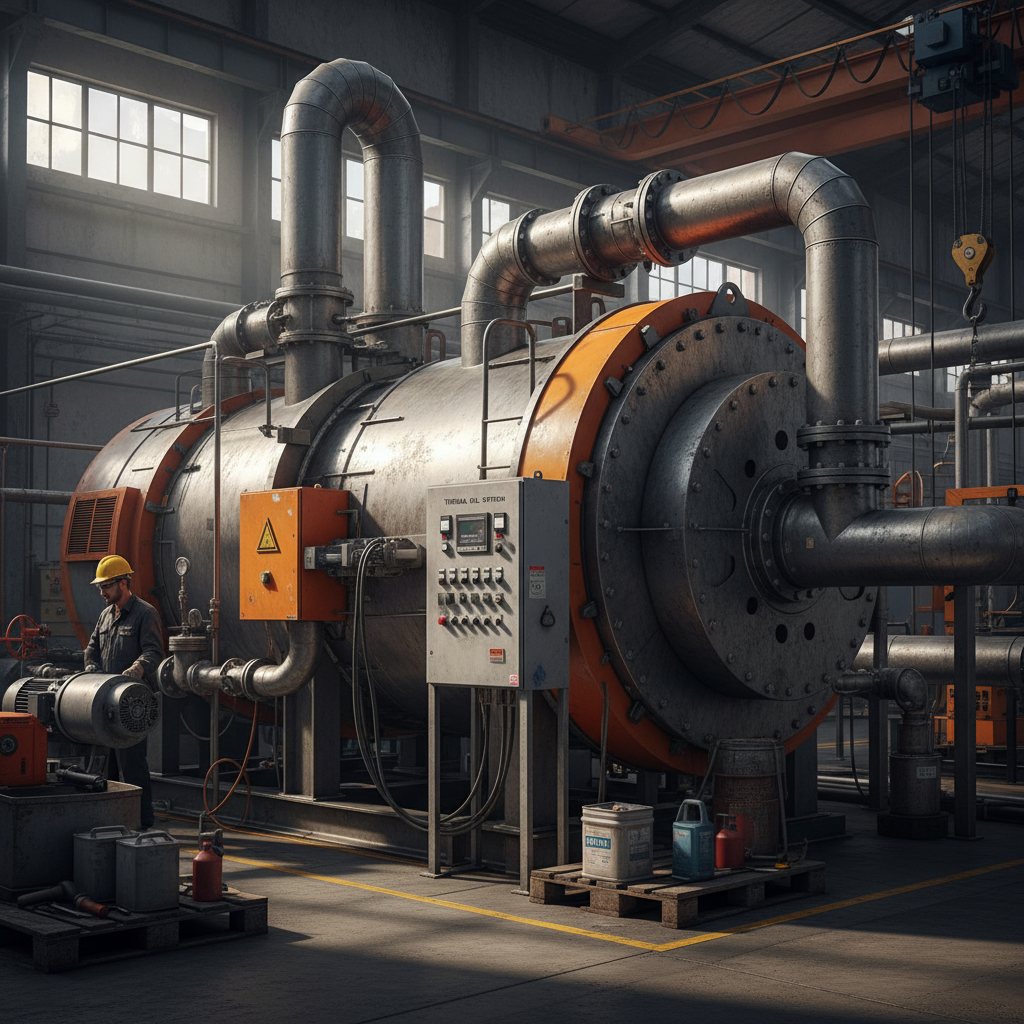
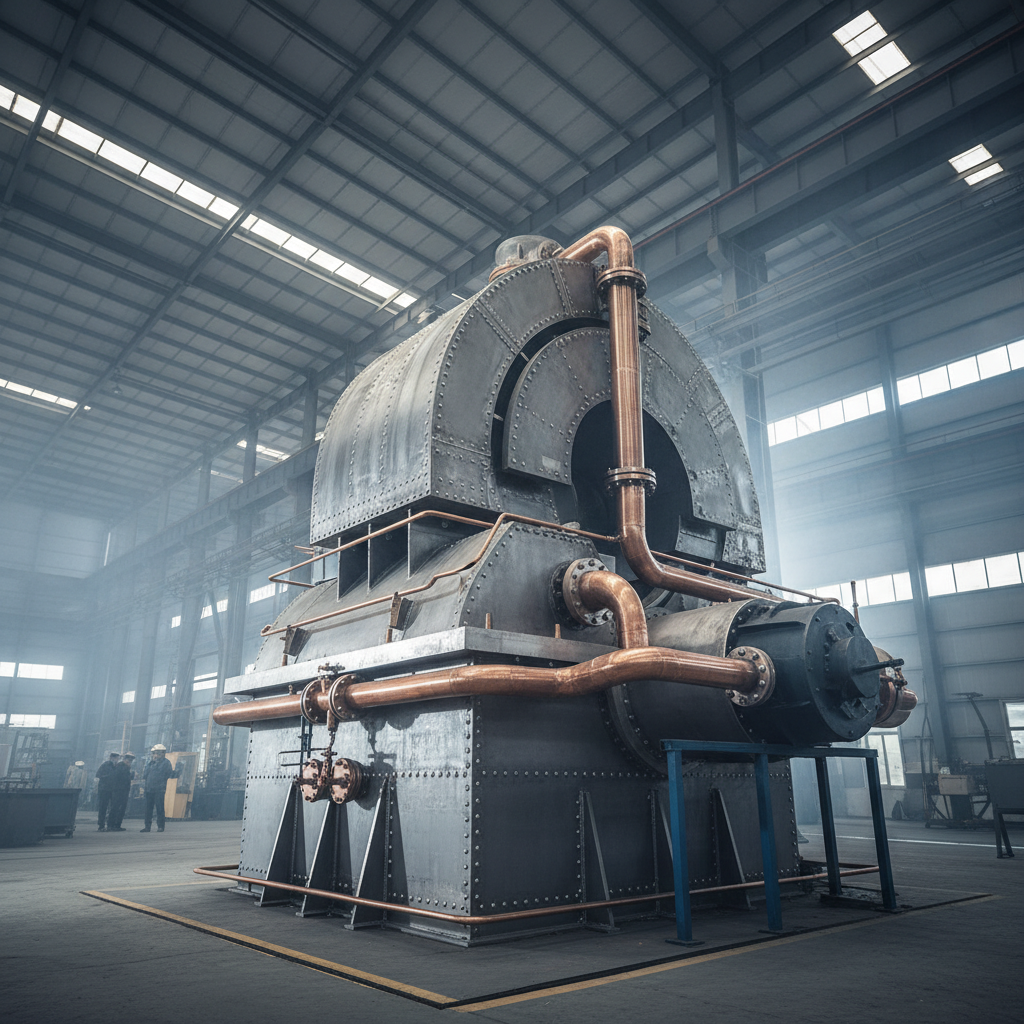
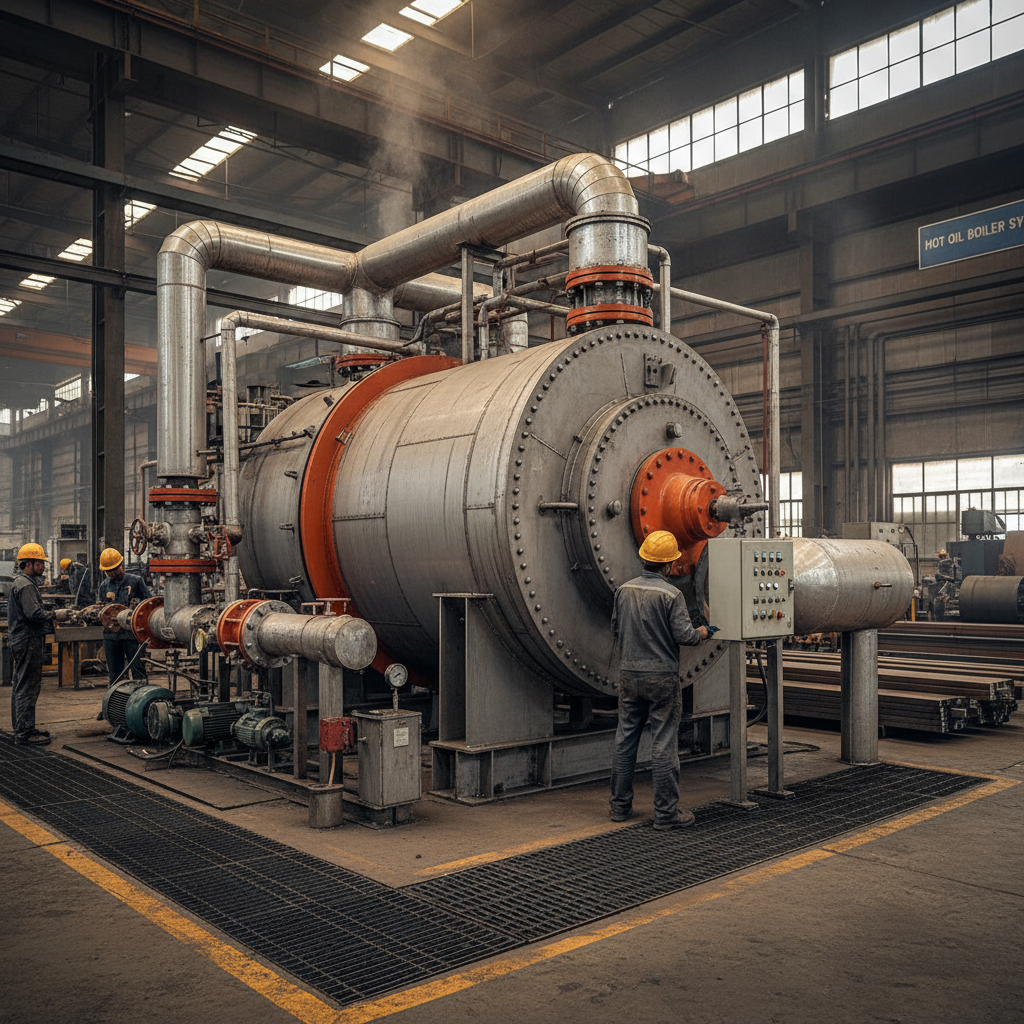
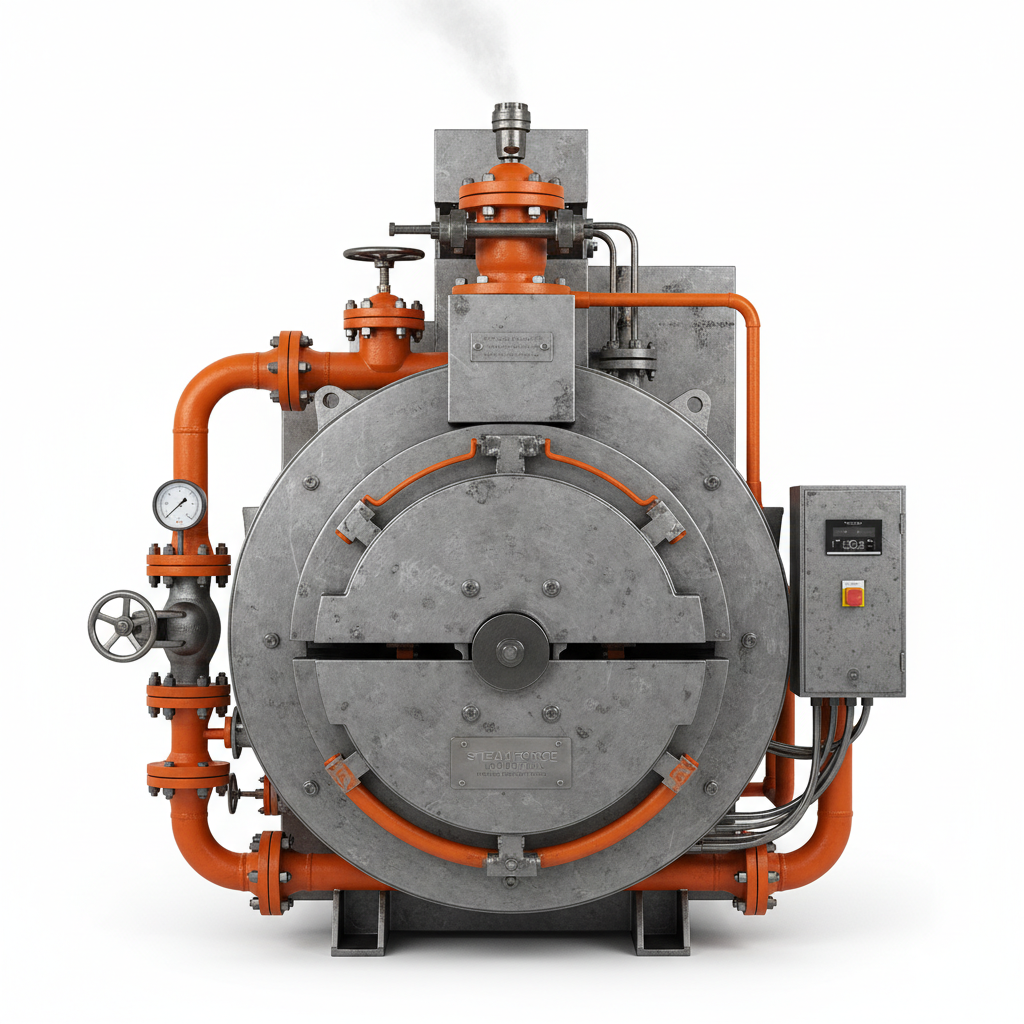
Industrial thermal oil heaters are the workhorses of modern process industries. They deliver safe, efficient, and precise heat for a huge range of applications, from chemical processing and plastics manufacturing to food production and pharmaceutical synthesis. What sets them apart isn’t just their ability to reach high temperatures – up to 400°C – but the consistency and control they offer. I've seen firsthand, on countless sites, how crucial a reliable heat source is. It's not just about keeping things warm; it's about maintaining process integrity, ensuring product quality, and, frankly, keeping production lines running.
Over the years, I've noticed a clear trend. Companies are realizing that investing in a quality industrial thermal oil heater isn't just an expense – it's a strategic advantage. Downtime costs money, and inefficient heating systems waste energy. Modern heaters are designed with both factors in mind, offering improved efficiency, reduced emissions, and advanced control systems for optimized performance. They’ve moved beyond simple heating to being integral parts of sophisticated process control loops.
The beauty of thermal oil systems is their versatility. They can heat a single point or distribute heat over a large area, making them adaptable to diverse industrial needs. And unlike steam systems, they operate at lower pressures, significantly improving safety and reducing maintenance. I’ve spent enough time troubleshooting steam traps to appreciate that benefit wholeheartedly.
The Core Principles of industrial thermal oil heater
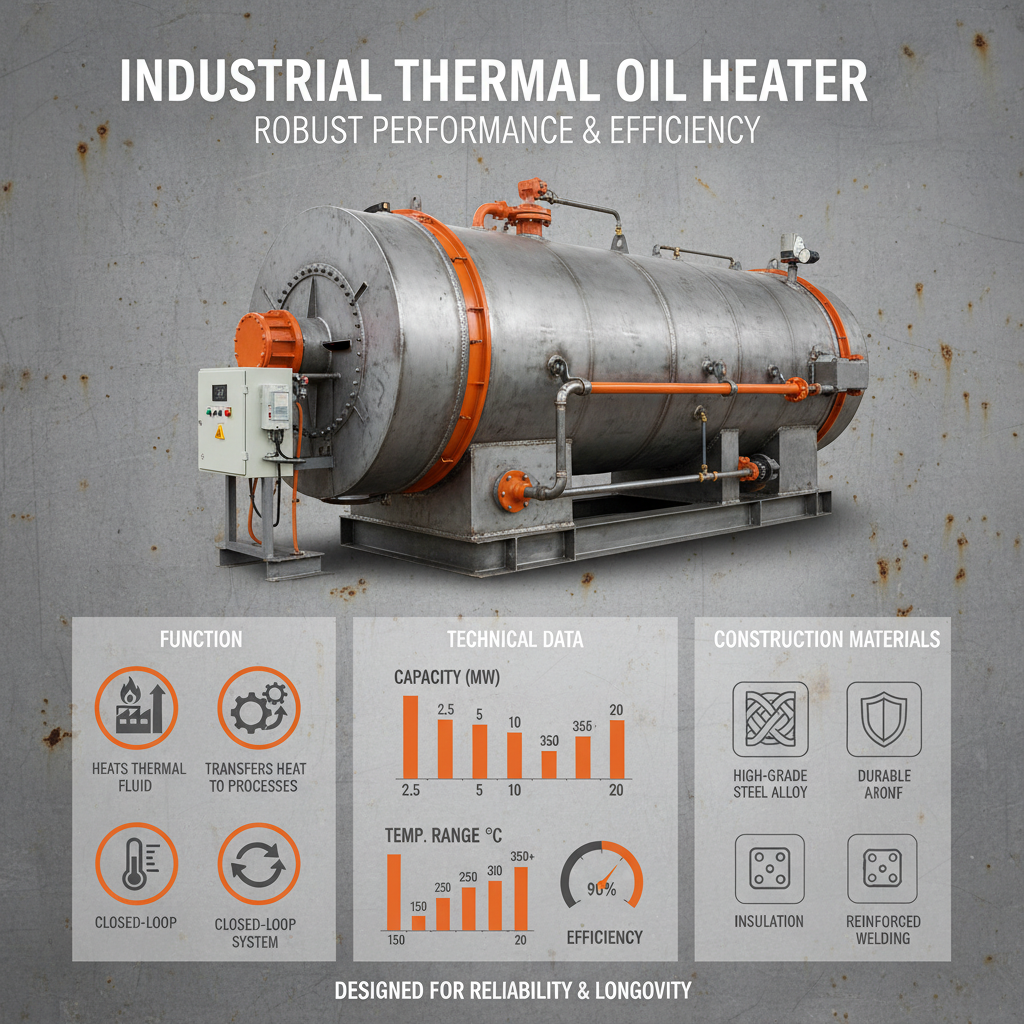
At its heart, an industrial thermal oil heater uses a heat transfer fluid – typically a mineral oil – to circulate heat throughout a process. This fluid is heated by a fuel source, like natural gas, oil, or electricity, and then pumped through a closed-loop system. The key is that the oil doesn’t boil, unlike steam, meaning you get consistent temperature control without the risks associated with pressure vessels. I’ve seen systems where precise temperature regulation is critical – for example, in polymer processing – and thermal oil heaters excel in those situations.
The efficiency of the system relies on a few critical factors: the quality of the thermal oil itself, the design of the heater, and the insulation of the piping. Poor oil quality leads to degradation and fouling, reducing heat transfer and requiring frequent maintenance. That’s why proper oil analysis and maintenance schedules are non-negotiable. I always emphasize this with clients – short-term savings on maintenance will cost you dearly in the long run.
The Global Significance of industrial thermal oil heater
Industrial thermal oil heaters are a globally essential technology, underpinning a vast range of manufacturing processes. According to the UN Industrial Development Organization (UNIDO), process heating accounts for a significant percentage of industrial energy consumption – and thermal oil systems are a major player in that arena. Demand is particularly strong in emerging economies, like China and India, where industrial growth is rapid. These regions are investing heavily in infrastructure and manufacturing capabilities, creating a substantial market for efficient and reliable heating solutions.
The challenge, globally, is balancing the need for industrial output with the drive for sustainability. Older thermal oil systems often operate with lower efficiencies and higher emissions. The pressure is on to modernize these systems with newer, more environmentally friendly technologies. The World Bank is increasingly focusing on funding projects that prioritize energy efficiency and emissions reduction, which directly impacts the demand for advanced thermal oil heating solutions.
The ISO standards for thermal oil systems are becoming increasingly stringent, reflecting the growing focus on safety and environmental performance. Compliance with these standards isn’t just a matter of regulation; it's about building trust with customers and demonstrating a commitment to responsible manufacturing.
Defining industrial thermal oil heater
Simply put, an industrial thermal oil heater is a closed-loop heat transfer system that utilizes a specialized thermal oil to deliver consistent and precise heat to industrial processes. Unlike direct-fired heating methods, thermal oil systems operate at relatively low pressures, minimizing safety risks and reducing maintenance requirements. Think of it like a sophisticated hot water heating system, but operating at much higher temperatures and designed for the rigors of industrial applications.
The connection to modern industry is undeniable. They’re indispensable in sectors where precise temperature control is crucial, such as chemical production, plastics molding, food processing, and pharmaceutical manufacturing. Beyond that, their versatility makes them valuable across diverse applications, from district heating systems to renewable energy storage. I've even seen them used in specialized applications like asphalt production and bitumen heating.
They’re also playing a role in addressing humanitarian needs. In certain remote locations, thermal oil heaters can provide a reliable and efficient heat source for water purification or food processing facilities, improving living conditions and supporting local economies. The ability to operate independently of complex infrastructure makes them a valuable asset in challenging environments.
Key Factors in industrial thermal oil heater Performance
Let’s talk brass tacks. When I’m evaluating a thermal oil heater, several factors immediately jump out. First, Durability. These systems need to withstand constant cycling, high temperatures, and potentially harsh operating environments. Look for robust construction, high-quality materials, and a proven track record. Second, Efficiency is paramount. Modern heaters utilize advanced burner technology and heat recovery systems to minimize energy waste and reduce operating costs.
Then there's Temperature Control. Precise and stable temperature control is critical for many applications. A good system will feature sophisticated control algorithms and responsive sensors to maintain the desired temperature within tight tolerances. Next, Maintenance Accessibility is huge. Easy access to key components simplifies maintenance and reduces downtime. Nobody wants to spend days dismantling a heater to replace a simple component. Finally, Scalability is key. A system should be adaptable to changing production demands, allowing for easy expansion or modification as needed.
industrial thermal oil heater Efficiency Comparison
Industrial Thermal Oil Heater Applications Worldwide
You’ll find these heaters in chemical plants across Germany, powering complex reaction processes. In the food industry in the Netherlands, they’re crucial for precise temperature control during sterilization and pasteurization. And in the plastics manufacturing hubs of China, they’re essential for molding and extrusion processes. They're not glamorous, but they're absolutely vital.
I've worked on projects in remote industrial zones in Australia where a reliable industrial thermal oil heater was the only viable heating solution due to the lack of steam infrastructure. Similarly, in post-disaster relief operations, portable thermal oil heaters can provide a quick and efficient source of heat for critical applications like water purification and medical facilities.
Advantages and Long-Term Value of industrial thermal oil heater
The tangible benefits are clear: reduced energy consumption, lower maintenance costs, and improved process control. But the value goes beyond just the bottom line. Thermal oil systems offer a higher level of safety compared to steam, minimizing the risk of burns and explosions. This translates to a safer working environment for your employees and reduced liability. And, with the growing focus on sustainability, the improved efficiency of modern systems contributes to a smaller carbon footprint.
Long-term, the reliability and durability of a quality thermal oil heater provide peace of mind. You’re not constantly battling breakdowns or unexpected downtime. That translates to consistent production, improved product quality, and a stronger reputation for your company. It’s an investment in your future, not just a cost center.
Future Trends in industrial thermal oil heater Technology
We’re seeing a lot of innovation in this space. One key trend is the development of more sustainable thermal oils – bio-based alternatives that reduce reliance on fossil fuels. Another is the integration of advanced sensors and data analytics to optimize performance and predict maintenance needs. Imagine a system that can self-diagnose potential problems and schedule maintenance proactively. That's the future.
Digitalization is also playing a big role, with remote monitoring and control systems becoming increasingly common. This allows operators to monitor the performance of the heater from anywhere in the world, making adjustments as needed to optimize efficiency and ensure safety. And, with the rise of Industry 4.0, we’re seeing thermal oil heaters being integrated into larger, more interconnected industrial systems.
Automation is also streamlining the operation of these systems. Automated oil filling, draining, and cleaning processes minimize manual intervention and reduce the risk of errors. This leads to improved efficiency, reduced labor costs, and a more consistent product.
Challenges and Solutions
One of the biggest challenges is thermal oil degradation. Over time, the oil can break down, losing its heat transfer properties and forming sludge. Regular oil analysis is crucial to detect degradation early and prevent costly problems. Another challenge is fouling – the buildup of contaminants on heat transfer surfaces, which reduces efficiency. Proper filtration and cleaning procedures are essential to mitigate fouling.
There's also the issue of high initial costs. A quality thermal oil heater can be a significant investment, but the long-term savings in energy and maintenance often outweigh the upfront expense. Demonstrating that ROI to clients is key. Finally, proper training and maintenance are critical. Operators need to understand how the system works and how to perform routine maintenance tasks correctly.
Summary of Solutions for Addressing Challenges in Thermal Oil Heater Systems
| Challenge |
Solution |
Implementation Cost (1-10) |
Effectiveness (1-10) |
| Thermal Oil Degradation |
Regular Oil Analysis |
3 |
9 |
| Fouling of Heat Transfer Surfaces |
Proper Filtration & Cleaning |
4 |
8 |
| High Initial Investment Cost |
Detailed ROI Analysis |
2 |
7 |
| Lack of Operator Training |
Comprehensive Training Programs |
5 |
9 |
| Unexpected System Downtime |
Predictive Maintenance Scheduling |
6 |
8 |
| Inefficient Heat Distribution |
Optimized Piping & Insulation |
7 |
6 |
FAQS
That’s a common question! Steam boilers use water to generate steam for heating, operating at higher pressures. Thermal oil heaters use a thermal oil that doesn’t boil, allowing for higher operating temperatures and more precise temperature control. Thermal oil systems generally require less maintenance and are safer due to the lower operating pressures. Plus, no condensate return is needed which simplifies the system. In my experience, thermal oil is the better choice for processes needing consistent, accurate heat.
Oil degradation depends on operating temperatures and the oil’s quality. Regular oil analysis is key – typically every 6-12 months. Analyzing the oil's properties (like acidity, viscosity, and carbon content) will tell you if it’s time for a change. Ignoring this can lead to fouling, reduced efficiency, and eventual system failure. We usually recommend a complete oil change every 5-7 years, even with regular monitoring.
Safety first! Over-temperature protection is critical. High-limit switches and alarms should be installed and regularly tested. Proper ventilation is essential to prevent the buildup of fumes. Operators should be thoroughly trained on safe operating procedures, and regular inspections of the system should be conducted. Always follow the manufacturer's recommendations and adhere to relevant safety standards.
Several ways. Proper insulation of piping and the heater itself is essential. Implement a heat recovery system to capture waste heat and reuse it. Optimize the burner settings for maximum efficiency. Regularly clean the heat transfer surfaces to remove fouling. And, of course, ensure the oil is in good condition. Even small improvements can add up to significant energy savings over time.
With proper maintenance, a well-built thermal oil heater can easily last 20-30 years. The key is preventative maintenance – regular inspections, oil analysis, and timely repairs. Neglecting maintenance will significantly shorten its lifespan. Investing in quality components and a reputable manufacturer also makes a big difference. It's a long-term investment, and it needs to be treated as such.
That depends on several factors: the heat load required, the process temperature, and the flow rate. A detailed heat transfer calculation is essential to determine the correct size. I always recommend consulting with a qualified engineer to accurately assess your needs. Oversizing leads to inefficiency, while undersizing results in inadequate heating. Getting it right from the start saves you money and headaches down the road.
Conclusion
Industrial thermal oil heaters are the unsung heroes of modern manufacturing. They offer a reliable, efficient, and safe solution for a wide range of heating applications. Understanding their core principles, key performance factors, and emerging trends is crucial for anyone involved in process heating. Investing in a quality system and implementing a comprehensive maintenance program will deliver long-term benefits and a significant return on investment.
As industries continue to evolve and sustainability becomes increasingly important, we’ll see continued innovation in thermal oil heater technology. Embracing these advancements – from bio-based thermal oils to digital monitoring systems – will be key to optimizing performance, reducing emissions, and ensuring a more sustainable future. If you’re looking for a reliable and efficient heating solution, exploring thermal oil heating is a smart move.