Waste heat recovery boilers (WHRBs) are becoming increasingly vital in today's energy landscape. They're not just some theoretical efficiency gain; I've seen them transform plants from energy consumers to near-zero discharge facilities. The bottom line is simple: industrial processes always generate waste heat. Historically, this heat was vented – lost money, literally going up in smoke. Now, WHRBs capture that energy, converting it into steam or hot water for reuse within the plant, or even electricity generation. It’s a fundamental piece of responsible industrial operation.
The global push for decarbonization and improved energy efficiency is driving the demand for WHRBs. Regulations are tightening, and companies are actively seeking solutions to reduce their carbon footprint and energy costs. Organizations like the UN and World Bank are promoting industrial energy efficiency as a key strategy for sustainable development. This isn't just about being 'green'; it's about economic competitiveness. Plants that don't invest in efficiency are going to get left behind. I've seen firsthand the pressure on plant managers to meet stricter environmental targets.
For me, having spent years in the field, WHRBs are less about fancy engineering and more about practical problem-solving. They’re about taking something that was previously wasted and turning it into a valuable resource. It's about making plants operate smarter, cleaner, and more profitably. That’s why understanding these systems is so critical – it’s not just a technical upgrade, it’s a strategic imperative.
The Importance of Waste Heat Recovery Boiler
Look, from steel mills to cement plants, every major industrial process throws off usable heat. It’s a fundamental law of thermodynamics. For years, that heat simply disappeared – a massive waste of resources. The real game changer is the waste heat recovery boiler, a system designed to capture that heat and turn it into something useful, like steam for power generation or process heating. I’ve seen plants dramatically reduce their energy bills and emissions just by implementing this technology.
The economics are straightforward. Energy costs are a significant portion of operating expenses for most industries. By recovering waste heat, you're essentially creating a free source of energy. And with increasing environmental regulations and carbon taxes, reducing your thermal footprint isn't just good for the planet; it's good for the bottom line. The initial investment in a WHRB is quickly offset by long-term savings and improved sustainability.
Global Context and Industry Relevance
Globally, the demand for energy is constantly increasing, and a significant portion of that demand is met by fossil fuels. This contributes to greenhouse gas emissions and climate change. WHRBs offer a crucial solution by reducing reliance on fossil fuels and improving energy efficiency. International organizations like the International Energy Agency (IEA) actively promote waste heat recovery as a key strategy for achieving energy efficiency goals. I've worked on projects where achieving these standards was a requirement for continuing operations.
The relevance extends across numerous industries. Power generation, refineries, cement manufacturing, steel production, chemical processing – these are just a few examples. Each of these sectors generates substantial amounts of waste heat that can be effectively recovered and reused. What I've seen is that the most successful implementations are those tailored to the specific process and heat source. There’s no one-size-fits-all solution.
From a practical standpoint, the push for sustainability is a huge driver. Companies are facing increasing pressure from investors, customers, and regulators to demonstrate their commitment to environmental responsibility. Implementing a waste heat recovery boiler system is a visible and impactful way to achieve that. It’s not just about ticking boxes; it’s about building a more sustainable future.
Defining Waste Heat Recovery Boiler
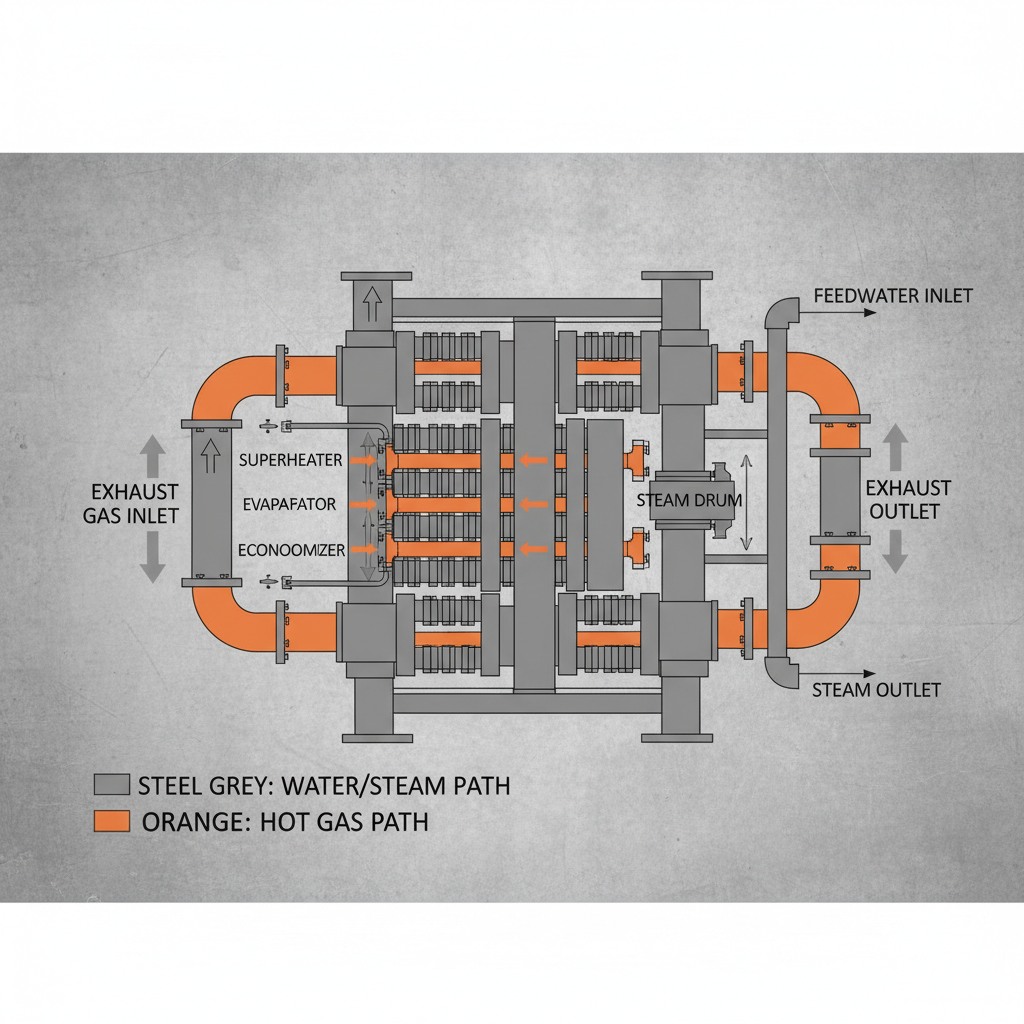
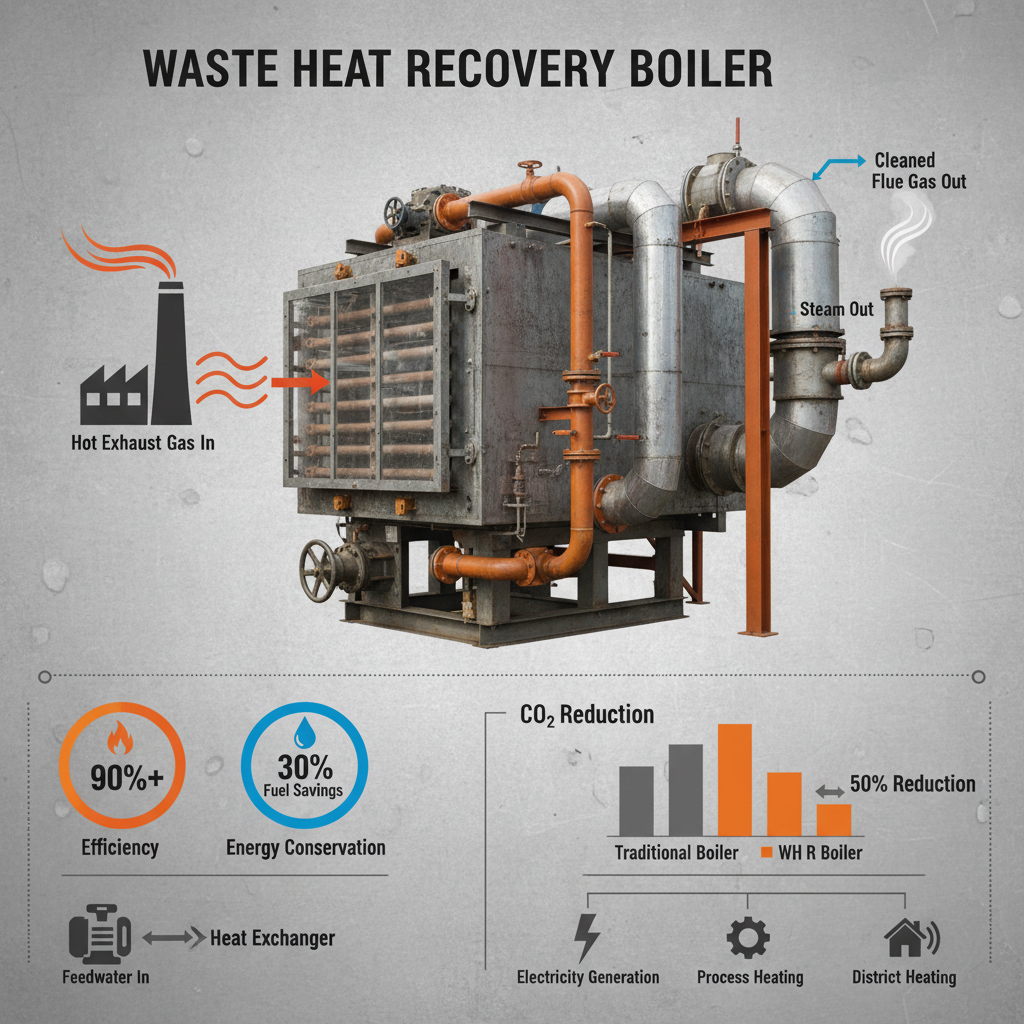
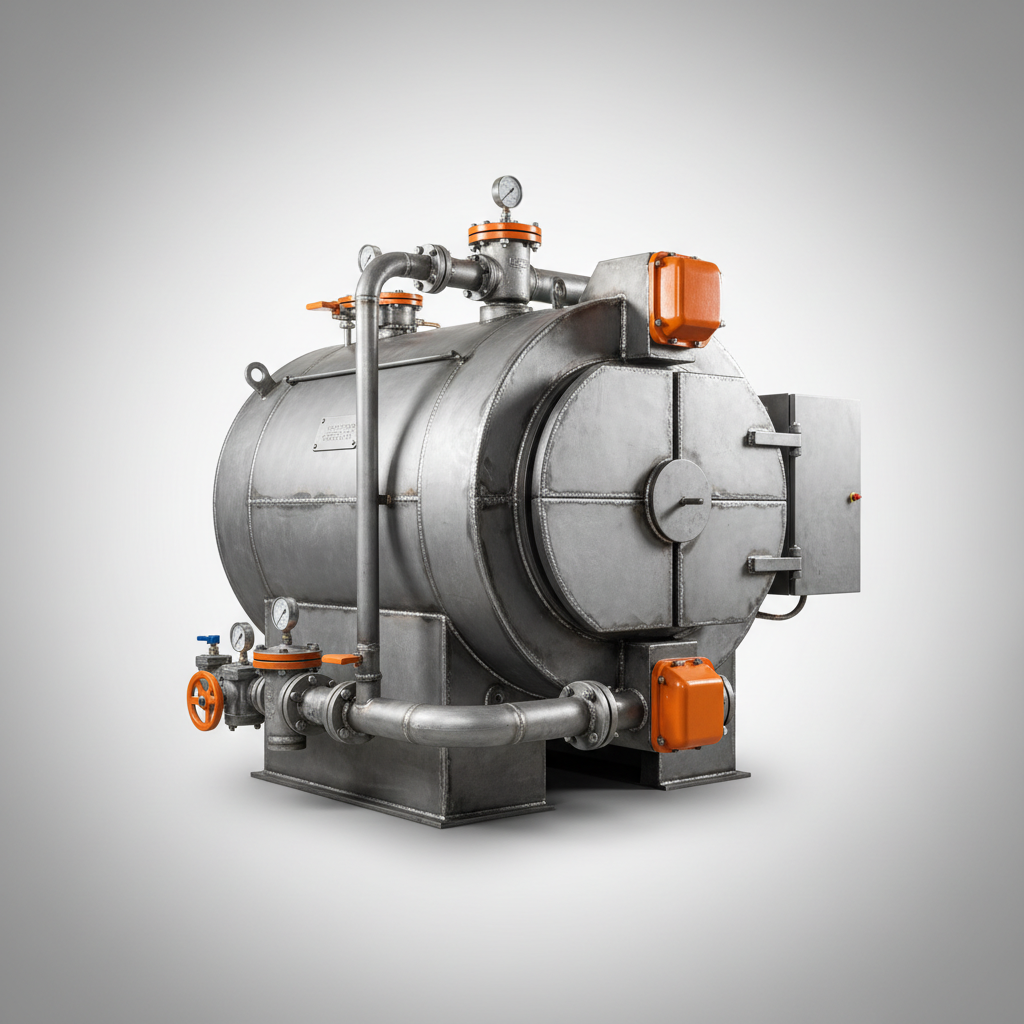
Simply put, a waste heat recovery boiler is a heat exchanger designed to recover heat from hot exhaust gases or other waste heat streams. It uses that heat to generate steam, hot water, or other heating mediums. The critical thing to understand is it’s not creating energy; it’s recovering energy that would otherwise be lost. Think of it as extending the useful life of energy already produced.
In practical terms, it connects to a process's exhaust stream – a furnace, a turbine, an incinerator – and absorbs the heat. This heat boils water, creating steam that can be used for power generation, heating processes, or even district heating. The sophistication of the boiler varies depending on the application, but the underlying principle remains the same. It's a critical component in closing the energy loop.
The connection to modern industry and humanitarian needs is significant. Industrially, it drives down costs and improves efficiency. In disaster relief, portable WHRBs can provide power and heating in remote areas. It's a technology with broad applicability and growing importance in a world facing energy challenges. As a field engineer, I’ve been called in to troubleshoot systems in everything from power plants to remote mining operations.
Key Factors in Waste Heat Recovery Boiler Design
When you're spec'ing out a WHRB, there are several core aspects you need to consider. First is materials. The exhaust gases can be highly corrosive, so choosing the right alloys is crucial for longevity. Second, heat transfer efficiency is paramount – you want to extract as much heat as possible. Third, pressure and temperature ratings must be carefully matched to the application.
Then there’s corrosion resistance, fouling, and maintainability. Fouling – the buildup of deposits on the heat transfer surfaces – is a common issue and needs to be addressed through proper design and cleaning procedures. I've seen systems that require frequent shutdowns for cleaning, which negates some of the benefits. Maintainability is also key – you want a system that’s easy to inspect and repair.
Waste Heat Recovery Boiler Performance Metrics
Applications of Waste Heat Recovery Boiler Across Industries
The applications are incredibly diverse. In power plants, WHRBs capture exhaust heat from gas turbines, boosting overall plant efficiency. Refineries use them to recover heat from process streams, preheating feedstocks and reducing energy consumption. Cement plants – huge energy users – utilize them to recover heat from kiln exhaust gases.
I've also seen them deployed in steel mills to capture heat from basic oxygen furnaces, and in chemical processing plants to recover heat from reactors and distillation columns. In remote industrial zones where grid power is unreliable, WHRBs can provide a stable and cost-effective source of power and heat. These aren’t just laboratory curiosities; they’re working solutions in real-world environments.
Advantages and Long-Term Value of WHRBs
The tangible benefits are pretty clear. Reduced energy costs, lower carbon emissions, improved energy security – these are all significant advantages. But it's also about reliability and resilience. A well-designed and maintained waste heat recovery boiler system can provide a backup power source in case of grid outages.
There's a psychological benefit too. Knowing you’re operating a more sustainable and efficient plant boosts employee morale and enhances your company's reputation. It’s a win-win. From a long-term perspective, investing in WHRBs is a smart business decision that can pay dividends for years to come.
Future Trends and Innovations in Waste Heat Recovery Boiler Technology
We're seeing a lot of innovation in this space. Advanced materials are enabling higher operating temperatures and pressures, increasing efficiency. Digitalization and AI are being used to optimize boiler performance and predict maintenance needs. There's also a growing interest in combining WHRBs with other renewable energy technologies, like solar thermal.
The integration of IoT sensors and data analytics is transforming WHRB operation. Real-time monitoring of key parameters allows for proactive adjustments, maximizing heat recovery and minimizing downtime. The trend toward modular and pre-fabricated WHRB systems is also making installation and maintenance easier and faster. These aren't just incremental improvements; they're fundamental shifts in how we approach waste heat recovery.
The push for circular economy principles will further drive demand. As companies strive to minimize waste and maximize resource utilization, WHRBs will become an increasingly integral part of their operations. The future isn’t just about reducing emissions; it’s about creating closed-loop systems where waste becomes a valuable resource.
FAQS
One of the biggest hurdles is often integrating the WHRB into existing plant infrastructure. Space constraints, exhaust gas composition variations, and ensuring compatibility with existing control systems are common issues. Fouling is another significant challenge, requiring regular cleaning and maintenance. Thorough planning, detailed engineering studies, and selecting the right boiler design are crucial to overcoming these obstacles. I've seen projects stalled by failing to address these upfront.
ROI varies widely depending on the application, energy prices, and the efficiency of the system, but typically ranges from 2 to 5 years. The savings on fuel costs and reduced emissions can quickly offset the initial investment. Also, in many regions, there are government incentives and tax credits available that can further accelerate the ROI. A detailed feasibility study is essential for accurately determining the payback period for a specific project.
Regular maintenance is essential for optimal performance and longevity. This includes visual inspections, cleaning of heat transfer surfaces, checking for corrosion, and monitoring pressure and temperature readings. The frequency of maintenance depends on the operating conditions and the exhaust gas composition. Implementing a preventative maintenance program and training plant personnel are key to minimizing downtime and maximizing the life of the boiler.
Yes, absolutely. Retrofitting is a common application for WHRBs. However, it requires careful assessment of the existing infrastructure and exhaust gas characteristics. Space constraints, ductwork modifications, and integration with existing control systems can be challenging, but often feasible. A thorough engineering study is crucial to determine the feasibility and cost of a retrofit project.
Safety is paramount. WHRBs operate at high temperatures and pressures, so proper training, adherence to safety protocols, and regular inspections are essential. It's crucial to have adequate safety relief devices, pressure controls, and emergency shutdown systems in place. Personnel should be trained on the potential hazards and proper procedures for operating and maintaining the boiler.
Yes, there are several types, including shell-and-tube, fire-tube, and fluidized bed boilers. The best choice depends on the specific application, exhaust gas characteristics, and heat recovery requirements. Shell-and-tube boilers are commonly used for high-temperature exhaust gases, while fire-tube boilers are suitable for lower temperatures. Consulting with a WHRB expert is highly recommended to determine the optimal design for your needs.
Conclusion
Waste heat recovery boilers represent a critical technology for improving energy efficiency, reducing carbon emissions, and enhancing the sustainability of industrial operations. They aren’t just a technical solution; they’re a practical way to unlock hidden value within existing processes. From the power generation sector to manufacturing, the benefits are tangible and far-reaching, driving both economic and environmental gains.
Looking ahead, continued innovation in materials, digitalization, and integration with renewable energy sources will further expand the capabilities and applications of WHRBs. Embracing this technology is no longer a matter of choice, but a necessity for companies seeking to thrive in a rapidly changing world. If you’re looking to optimize your energy usage and reduce your environmental footprint, exploring waste heat recovery boiler solutions is a crucial first step.