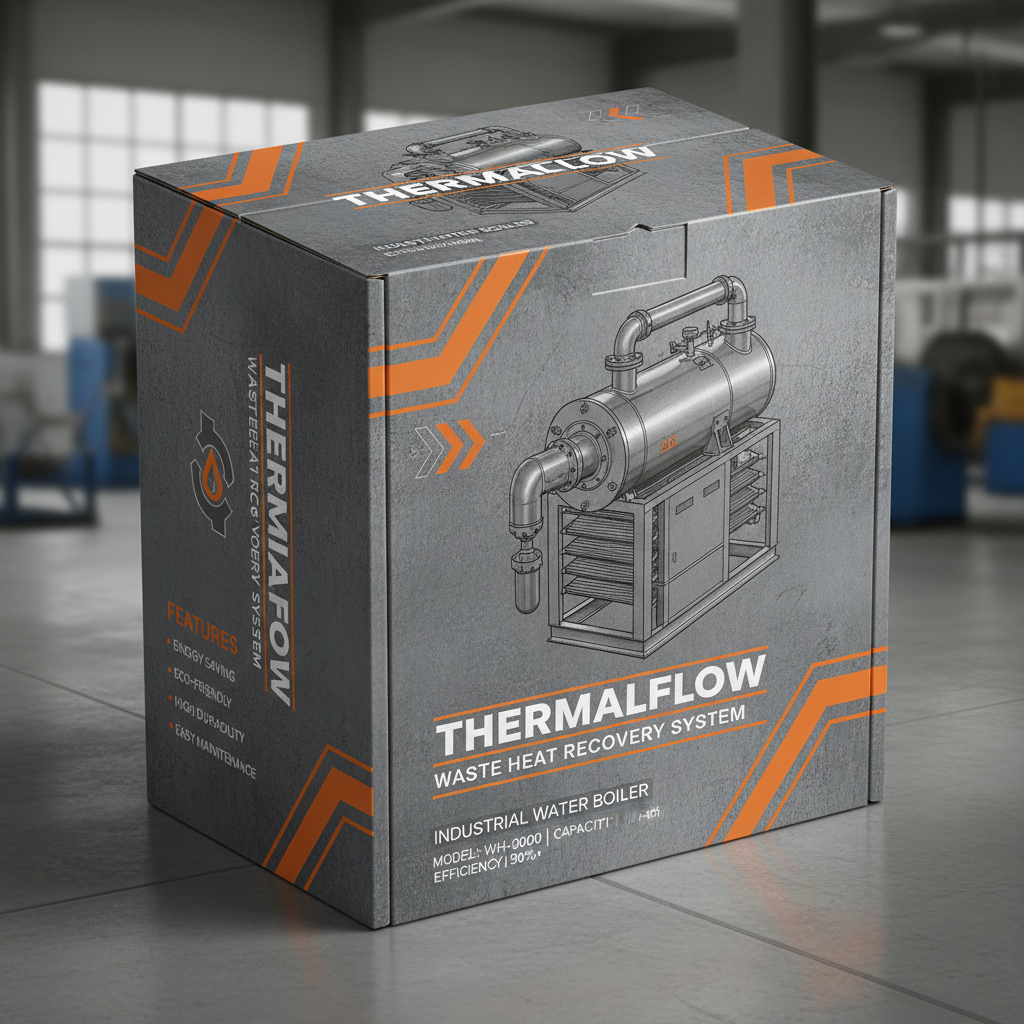
Waste heat steam boilers represent a crucial technology in modern industrial efficiency and sustainability. By capturing and repurposing heat that would otherwise be lost to the environment, these boilers provide a cost-effective and environmentally responsible source of steam for a wide range of applications. Understanding the nuances of waste heat steam boiler technology is paramount for industries seeking to optimize energy consumption and reduce their carbon footprint.
The global drive towards decarbonization and energy security is fueling increasing demand for waste heat recovery solutions. As regulations tighten and energy costs rise, the economic benefits of utilizing previously wasted heat become ever more compelling. This makes waste heat steam boiler systems a key component of a greener, more resilient energy future.
These boilers aren’t just a technological advancement; they are a vital tool in promoting circular economy principles. By converting a byproduct into a valuable resource, they embody a responsible and innovative approach to resource management, contributing to both economic prosperity and environmental preservation.
The Significance of Waste Heat Steam Boilers
The increasing global focus on energy conservation and environmental responsibility has propelled waste heat steam boiler technology to the forefront of sustainable industrial practices. These systems are pivotal in minimizing waste, lowering operational costs, and reducing greenhouse gas emissions. They represent a significant step towards a more circular and efficient energy economy.
Beyond environmental benefits, the implementation of waste heat steam boiler systems offers a compelling return on investment. The recovered heat provides a free source of energy, drastically reducing reliance on conventional fuels and lessening exposure to volatile energy markets.
Understanding Waste Heat Steam Boilers: A Definition
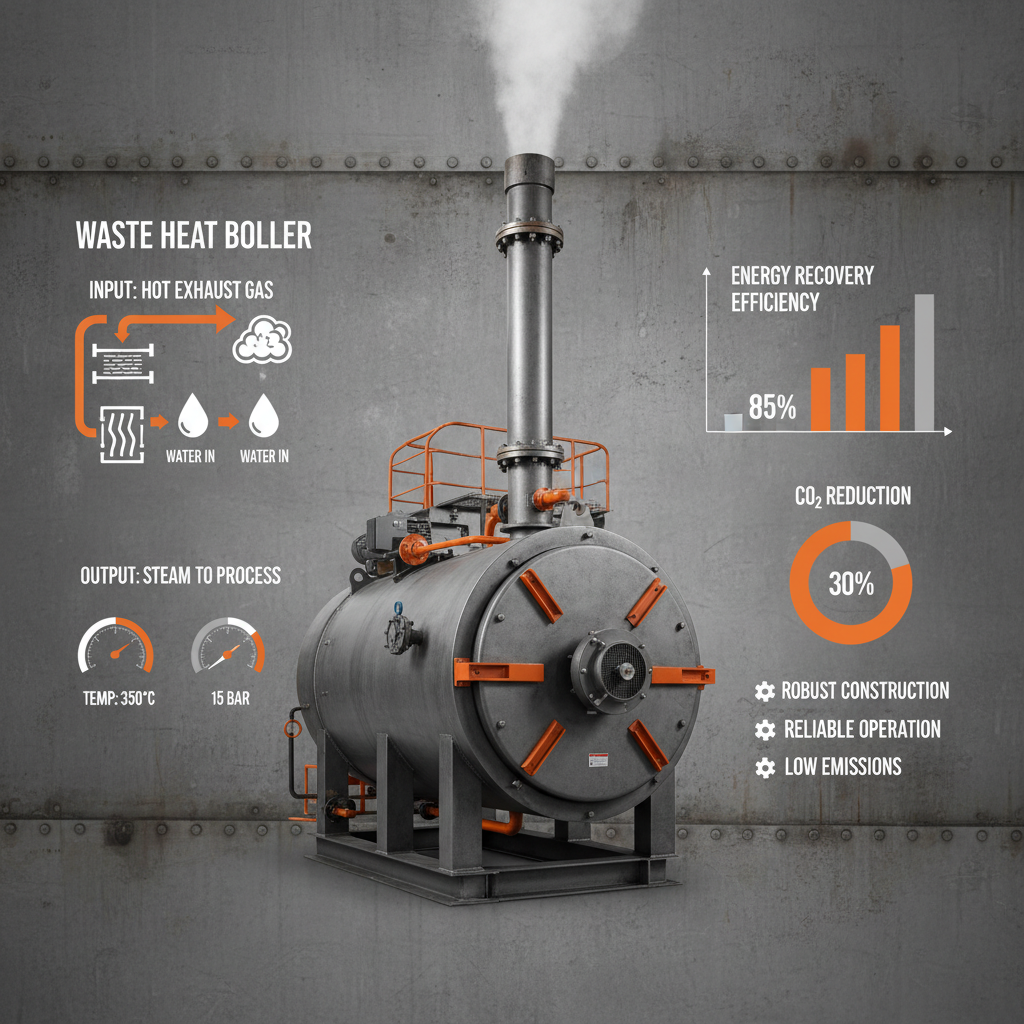
A waste heat steam boiler is a heat recovery steam generator (HRSG) specifically designed to convert waste heat from industrial processes into usable steam. Unlike traditional boilers that rely on burning fuel, these boilers utilize otherwise discarded thermal energy, creating a highly efficient and sustainable steam generation solution. This waste heat can originate from various sources, including exhaust gases, cooling water, and process streams.
The core principle behind a waste heat steam boiler is the transfer of heat from a hot fluid to water, ultimately producing steam. The steam can then be used for power generation, process heating, or other industrial applications. This technology aligns perfectly with modern industrial needs for reducing energy consumption and minimizing environmental impact.
The application of waste heat steam boilers extends beyond simply recovering energy. They represent a fundamental shift towards a more integrated and resourceful approach to industrial operations, contributing significantly to a more sustainable future.
Key Components and Operational Principles
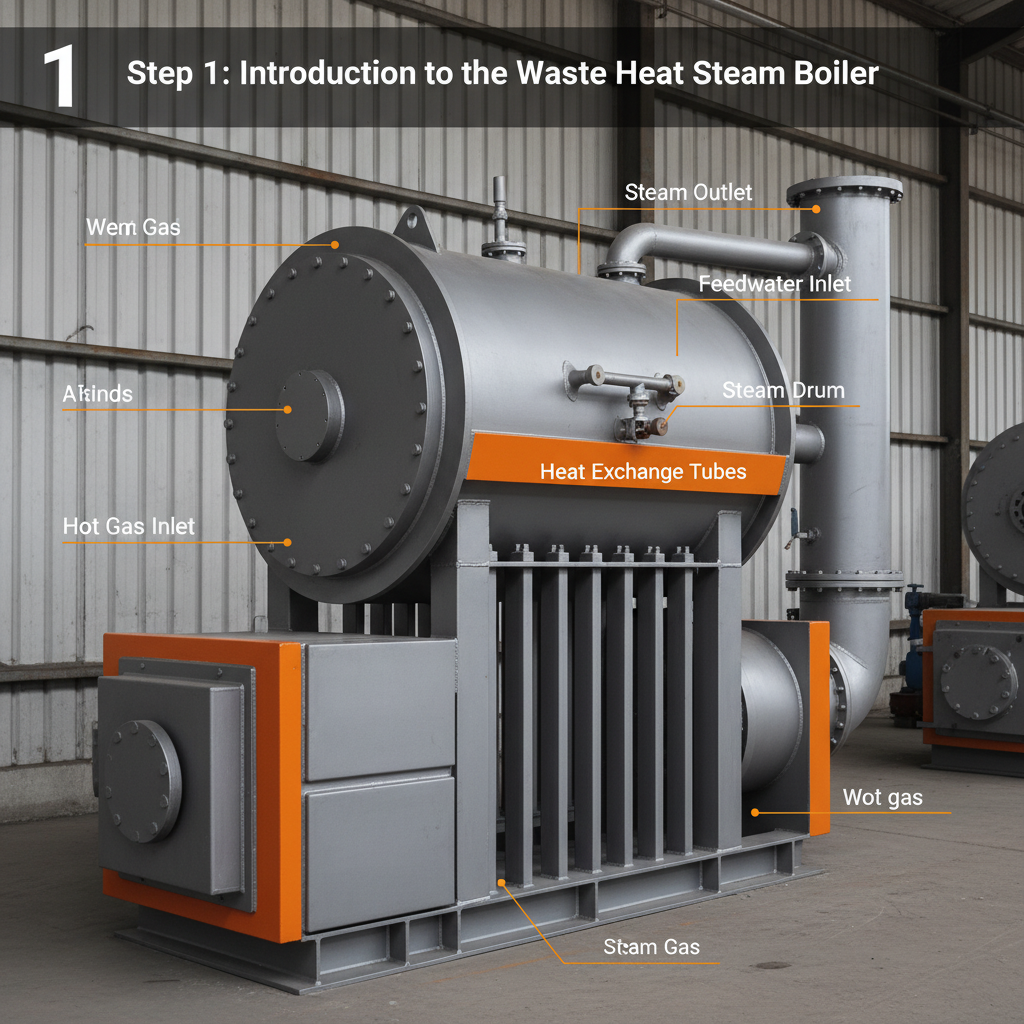
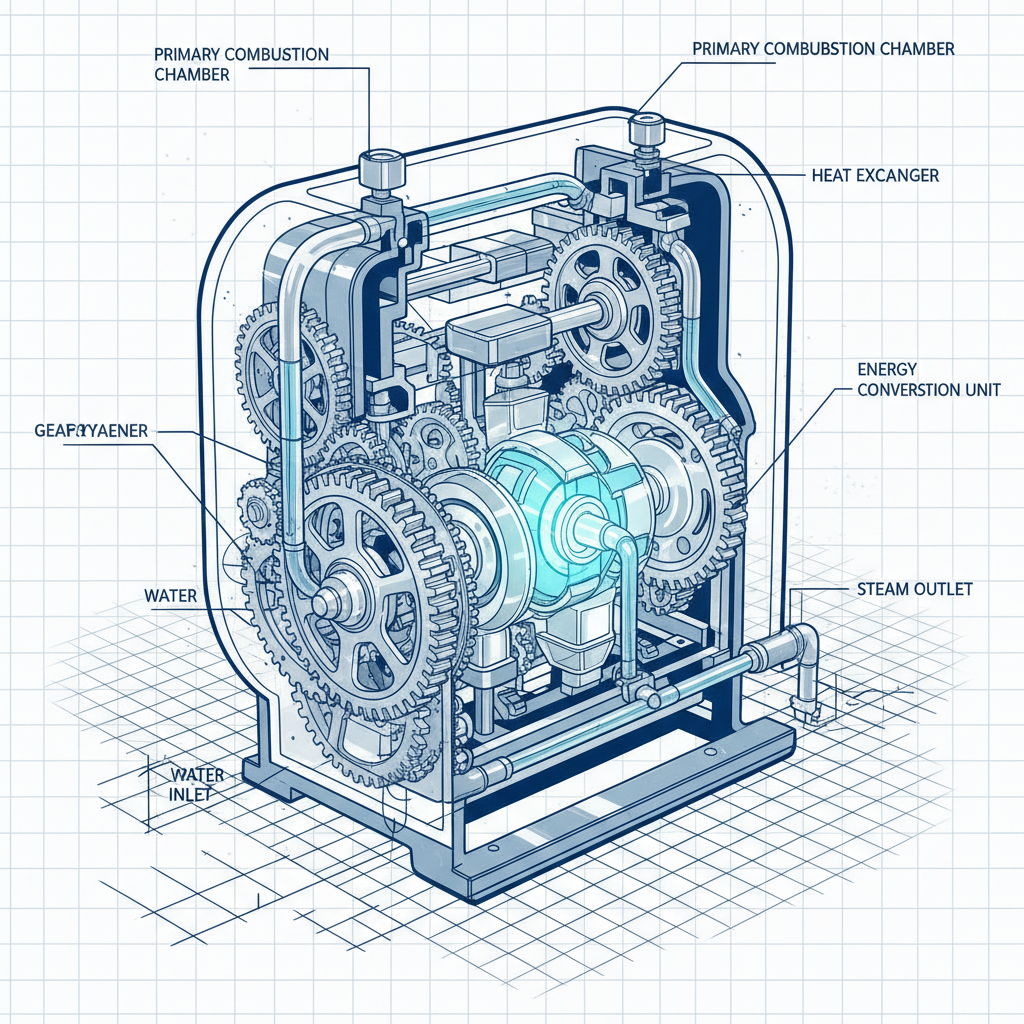
The operation of a waste heat steam boiler involves several crucial components working in concert. These include a heat exchanger, a steam drum, a water circulation pump, and a control system. The heat exchanger facilitates the transfer of heat from the waste gas stream to the water, causing it to boil and generate steam.
The steam drum separates the steam from the water, ensuring that only high-quality, dry steam is sent to the downstream processes. The water circulation pump maintains a consistent flow of water through the system, optimizing heat transfer and preventing overheating. Finally, the control system monitors and regulates the various parameters, ensuring safe and efficient operation.
Understanding these core components and their interplay is fundamental to appreciating the efficiency and reliability of waste heat steam boiler systems. Careful design and maintenance of these elements are critical to maximizing heat recovery and minimizing operational downtime.
Performance Factors of Waste Heat Steam Boilers
Several factors influence the performance of waste heat steam boiler systems. These include the temperature and flow rate of the waste heat source, the steam pressure and temperature requirements, and the overall design efficiency of the boiler. Optimizing these parameters is essential for maximizing steam production and energy savings.
Efficient heat transfer is paramount. The design of the heat exchanger, including the surface area and materials used, plays a crucial role in achieving optimal heat recovery. Regular cleaning and maintenance are also necessary to prevent fouling and maintain heat transfer efficiency.
Waste Heat Steam Boiler Performance Metrics
Applications Across Diverse Industries
Waste heat steam boiler systems find applications in a vast array of industries. In the power generation sector, they recover waste heat from gas turbines and reciprocating engines, increasing overall plant efficiency. In the chemical and petrochemical industries, they utilize waste heat from process reactors and furnaces to generate steam for various applications.
Other prominent applications include pulp and paper mills, refineries, steel mills, and cement plants. In these settings, waste heat steam boiler technology offers a pathway to significant cost savings and environmental improvements.
The Economic and Environmental Advantages
The economic advantages of waste heat steam boiler systems are substantial. By reducing fuel consumption and lowering energy costs, they provide a quick return on investment. Furthermore, they can qualify for government incentives and tax credits, further enhancing their economic attractiveness.
Environmentally, these boilers significantly reduce greenhouse gas emissions, contributing to a smaller carbon footprint. They also minimize waste heat pollution, promoting a healthier environment. This aligns with global sustainability goals and enhances a company's environmental reputation.
Beyond quantifiable benefits, investing in waste heat steam boiler demonstrates a commitment to responsible resource management and long-term sustainability – valuable assets in today’s market.
Future Trends and Technological Advancements
The future of waste heat steam boiler technology is marked by ongoing innovation. Emerging trends include the development of more compact and efficient heat exchangers, the integration of advanced control systems, and the use of new materials with enhanced heat transfer properties.
Digitalization and predictive maintenance are also playing an increasingly important role. Utilizing sensors and data analytics, operators can monitor boiler performance in real-time, anticipate potential issues, and optimize efficiency.
Furthermore, research into combining waste heat steam boiler technology with other renewable energy sources, such as solar thermal, promises even greater potential for sustainable energy generation.
Summary of Key Aspects of Waste Heat Steam Boiler Advancement
| Advancement Area |
Current Status |
Potential Impact |
Implementation Challenges |
| Heat Exchanger Materials |
Advanced alloys and coatings are being explored. |
Enhanced heat transfer and corrosion resistance. |
High material costs and fabrication complexities. |
| Control System Integration |
Integration with SCADA and IoT platforms is increasing. |
Real-time monitoring, predictive maintenance, and optimized performance. |
Data security concerns and system interoperability. |
| Compact Boiler Designs |
Microchannel heat exchangers are enabling smaller footprints. |
Increased flexibility and easier integration into existing facilities. |
Potential for fouling and limited scalability. |
| Waste Heat Source Diversification |
Exploring low-grade heat sources from various industrial processes. |
Wider applicability and increased energy recovery potential. |
Lower energy density and complex heat transfer characteristics. |
| Hybrid Systems |
Combining waste heat boilers with other renewable technologies. |
Enhanced efficiency and reduced reliance on fossil fuels. |
System integration challenges and increased initial investment. |
| AI-Powered Optimization |
Artificial intelligence is used to predict performance |
Predictive maintenance and automated process adjustments. |
Requires substantial data and specialized expertise. |
FAQS
The payback period for a waste heat steam boiler installation varies depending on factors like the amount of recovered heat, energy prices, and initial investment costs. However, many installations achieve payback within 2-5 years due to significant fuel savings and reduced operational expenses. A detailed feasibility study is crucial for accurate projections.
Waste heat steam boiler systems generally require less maintenance than conventional boilers due to the absence of combustion. However, regular inspections of the heat exchanger, water treatment, and control system are essential to ensure optimal performance and prevent fouling. Implementing a predictive maintenance program can further minimize downtime.
A wide range of waste heat sources can be utilized, including exhaust gases from turbines and engines, flue gases from industrial processes, cooling water, and heat from chemical reactions. The temperature and flow rate of the waste heat source are key considerations in determining the feasibility and efficiency of the system.
Yes, many countries offer incentives and regulations promoting waste heat recovery to reduce greenhouse gas emissions and improve energy efficiency. These regulations can include tax credits, subsidies, and mandates for incorporating waste heat recovery technologies into new industrial facilities.
Absolutely. Retrofitting a waste heat steam boiler into an existing facility is a common application. However, careful assessment of space constraints, waste heat source characteristics, and integration with existing systems is crucial for successful implementation.
Safety is paramount. While waste heat steam boiler systems generally have lower safety risks than combustion boilers, proper training, regular inspections, and adherence to safety protocols are essential. This includes monitoring steam pressure, water levels, and ensuring the integrity of the system components.
Conclusion
In conclusion, waste heat steam boiler technology represents a significant advancement in industrial energy efficiency and sustainability. By harnessing previously wasted thermal energy, these systems deliver substantial economic benefits, reduce environmental impact, and contribute to a more resilient and resource-efficient future.
Looking ahead, continued innovation in materials, control systems, and integration with renewable energy sources will further enhance the performance and applicability of waste heat steam boiler systems. Embracing this technology is not just an environmentally responsible choice, but a strategic investment in long-term profitability and operational excellence. Visit our website at www.yinengboilers.com to explore how we can help you optimize your energy utilization.