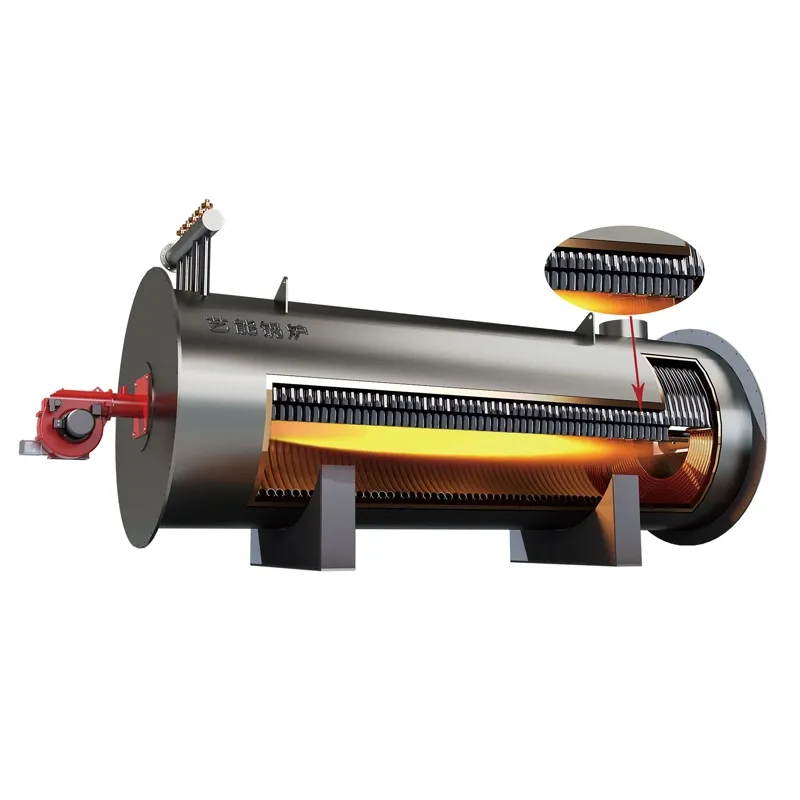
In industrial environments where fuel flexibility and cost-effective operations are paramount, operators often face the challenge of balancing budget constraints with thermal efficiency. While full automation is prevalent, specific operational contexts—such as processing irregular biomass fuels or managing smaller-scale heating loads—demand the robust simplicity of a manual feeding boiler. The struggle typically lies in finding a system that allows for manual intervention without sacrificing modern safety standards or thermal output.
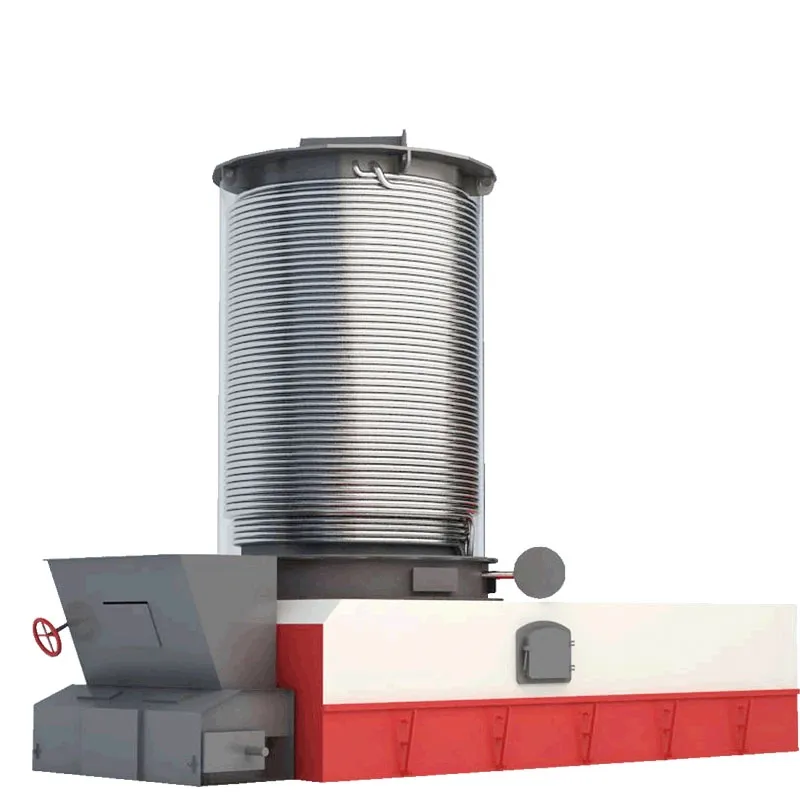
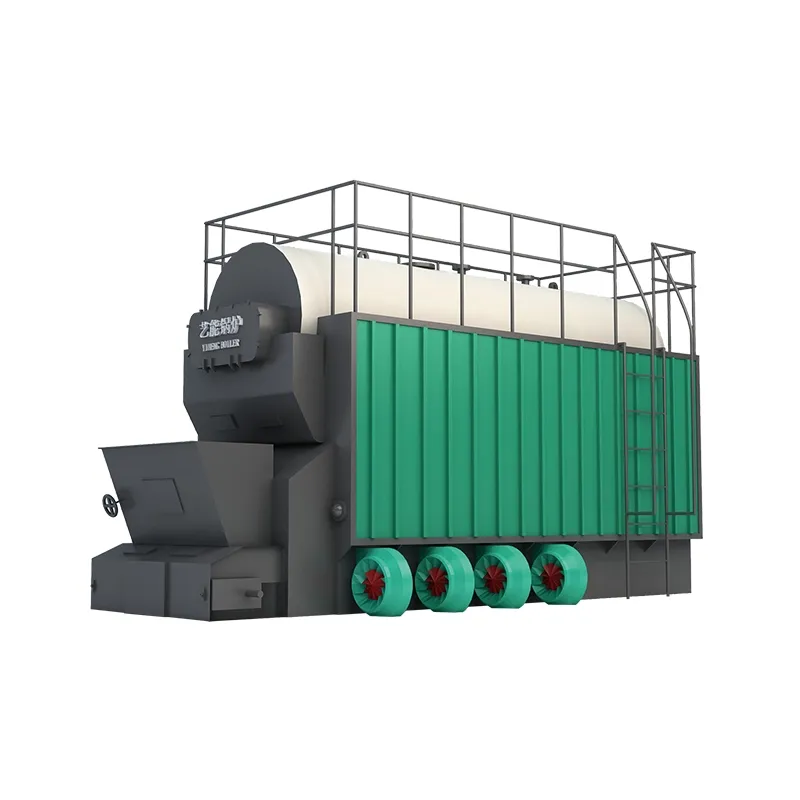
Hebei Yineng Boiler Co., Ltd. addresses this specific engineering gap by leveraging over four decades of manufacturing expertise. Established in 1983, we have refined the design of fixed grate systems, such as our YGL biomass and coal-fired series, to optimize combustion even under manual operation. By integrating Class A level manufacturing standards into these robust units, we ensure that simplified feeding mechanisms do not equate to lowered quality. Our infrastructure, boasting 150 million yuan in fixed assets and a team of over 120 engineering personnel, allows us to produce manual feeding boiler solutions that offer the reliability of high-end automation with the operational control you require.
Designing a high-performance manual feeding boiler requires a rigorous approach to thermodynamics and structural integrity. Unlike automated systems where feed rates are computer-controlled, manual systems rely on the operator and the inherent design of the furnace arch and grate to maintain stable temperatures. At Hebei Yineng, we treat our manual fixed grate boilers with the same precision as our automatic chain grate systems.
Our technical approach utilizes an 80,000 square meter production workshop to fabricate boilers that maximize radiant heat transfer. By optimizing the furnace volume and grate area, we ensure complete combustion of coal or biomass even with intermittent feeding. Below is a breakdown of how our engineering standards elevate the performance of a standard manual feeding boiler against typical market offerings.
| Performance Metric | Industry Significance | Our Engineering Standard | Advantage |
|---|---|---|---|
| Thermal Efficiency | Determines fuel cost per unit of heat. | Optimized Furnace Arch Design (YGL Series) | Maintains high temperatures and reduces unburnt fuel loss during feeding intervals. |
| Pressure Stability | Safety and consistent process heat. | Class A Manufacturing Certification | Ensures pressure vessel integrity exceeds regulatory requirements for manual systems. |
| Fuel Adaptability | Ability to burn various solid fuels. | Wide Fixed Grate Surface Area | Accommodates irregular biomass and coal sizes that jam automatic feeders. |
| Installation Complexity | Time to commission the unit. | Skid-Mounted / Modular Assembly | Drastically reduces on-site welding and setup time for rapid deployment. |
Investment in a manual feeding boiler is often a strategic decision driven by the desire for lower initial capital expenditure (CAPEX) and high fuel adaptability. However, the true Return on Investment (ROI) is realized not just in the purchase price, but in the long-term operational resilience. Hebei Yineng’s solutions are engineered to minimize maintenance downtime; with fewer moving parts than automatic chain grates, our fixed grate manual systems reduce the risk of mechanical failure, ensuring continuous production.
Furthermore, our commitment to "high efficiency energy saving" extends to these manual units. By utilizing advanced heat recovery technologies and waste heat recovery boilers in conjunction with the primary unit, we help clients achieve a total system efficiency that rivals more expensive automated setups. With an annual sales volume averaging 1560 units, our global clients—including those in markets like Indonesia—have validated that a well-engineered manual feeding boiler delivers superior value over its lifecycle.
Related products
Top Selling Products