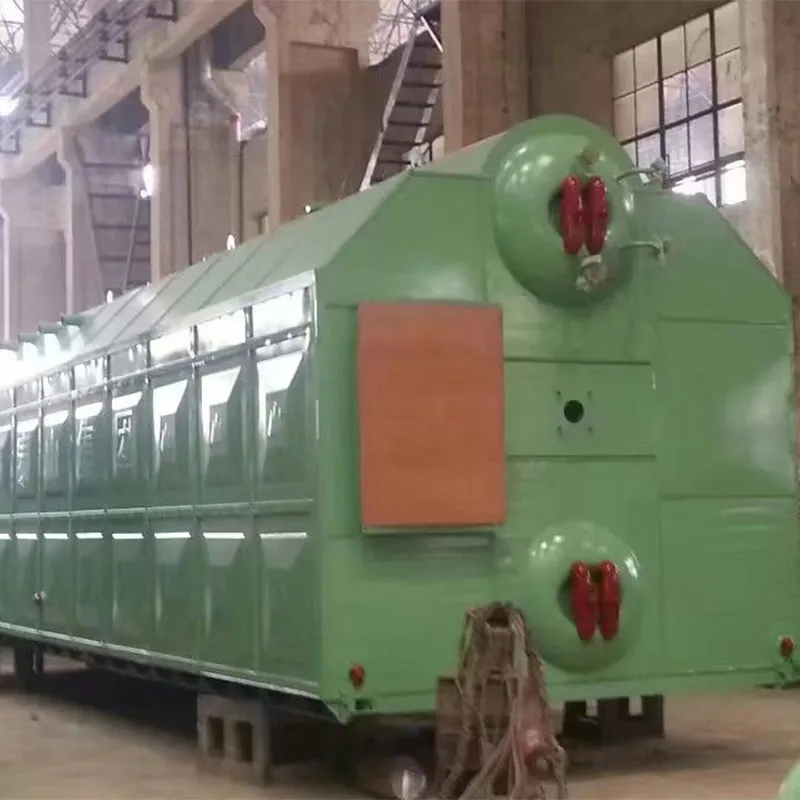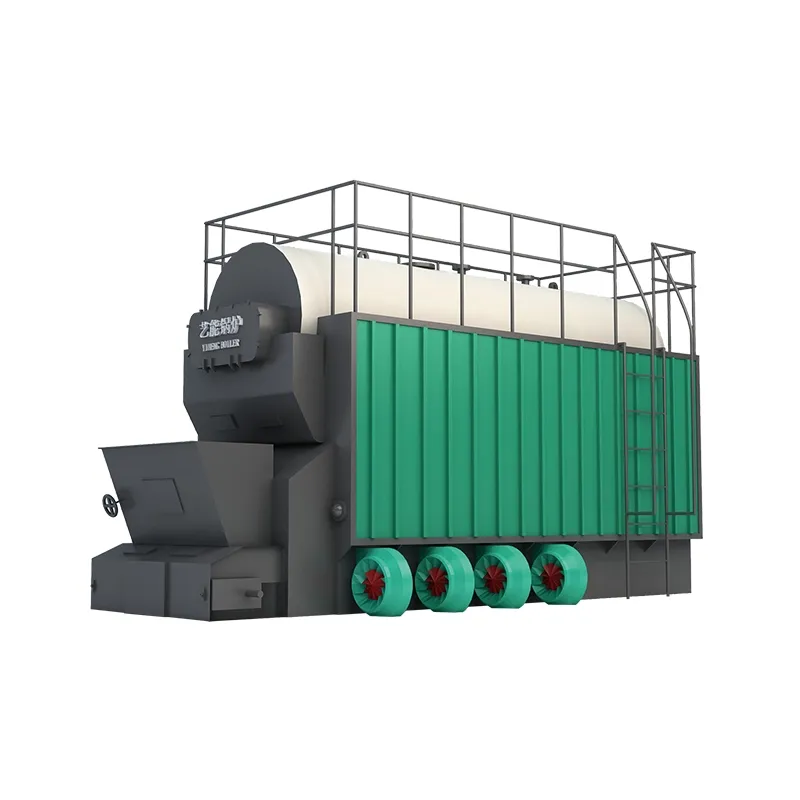
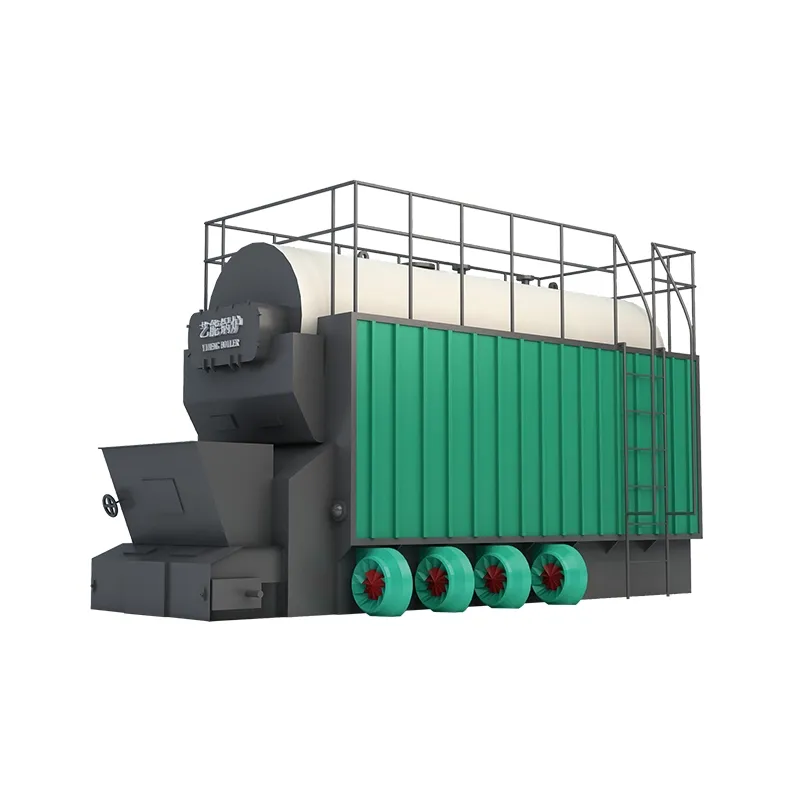
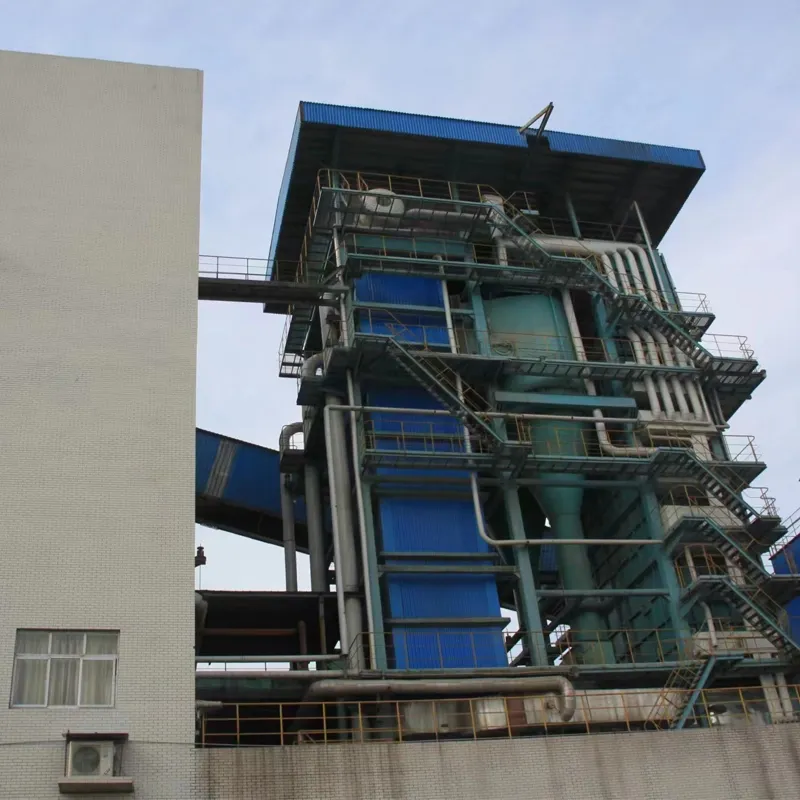
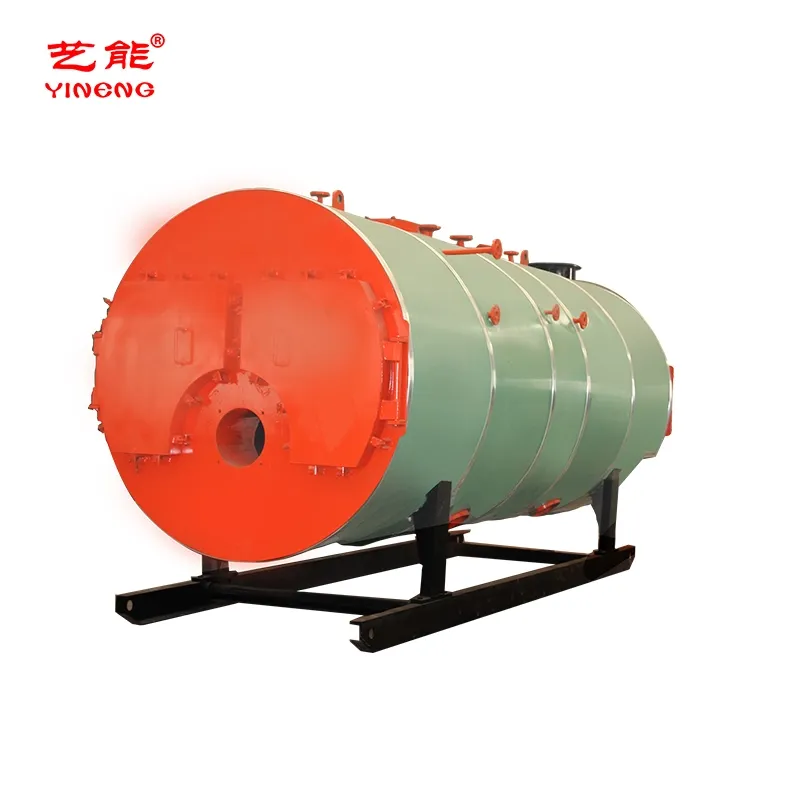
Tajikistan's industrial sector is currently characterized by a heavy reliance on hydroelectric power and traditional combustion systems. Due to the mountainous terrain and extreme temperature fluctuations, there is a critical demand for a robust boiler infrastructure that can withstand harsh winters while providing consistent heat for textile and food processing plants.
Many existing facilities still operate with legacy Soviet-era equipment, which suffers from low thermal efficiency and high carbon emissions. The transition toward a modern water boiler system is becoming a priority for local enterprises seeking to reduce operational costs and align with international environmental standards.
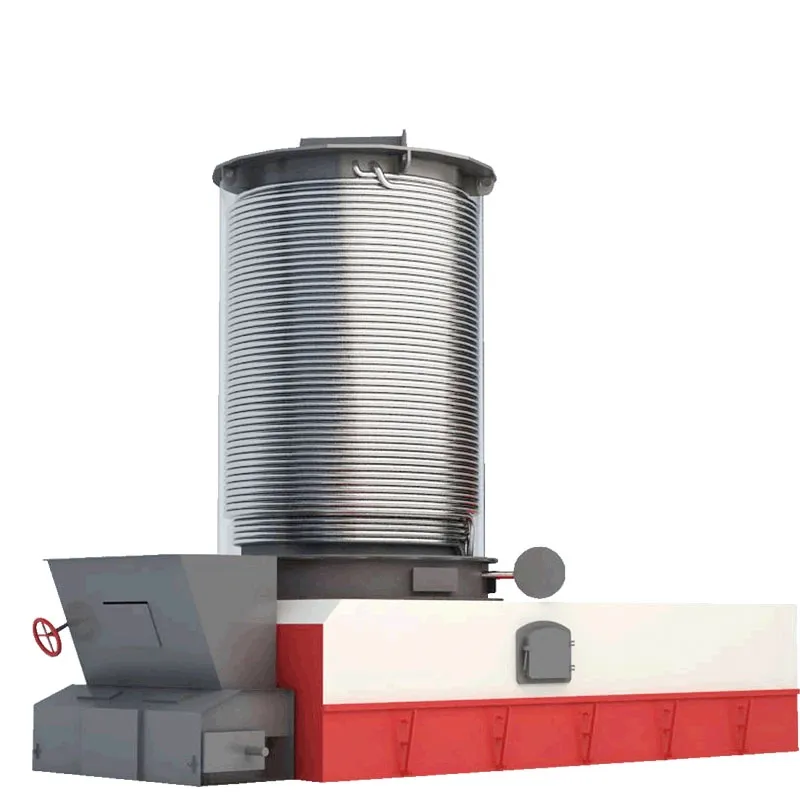
Furthermore, the growth of the mining and metallurgical industries in regions like Sughd and Khatlon has increased the need for specialized heat transfer fluids. This has led to a rising adoption of the thermal oil boiler to ensure safe, high-temperature heating without the risks associated with high-pressure steam in remote locations.