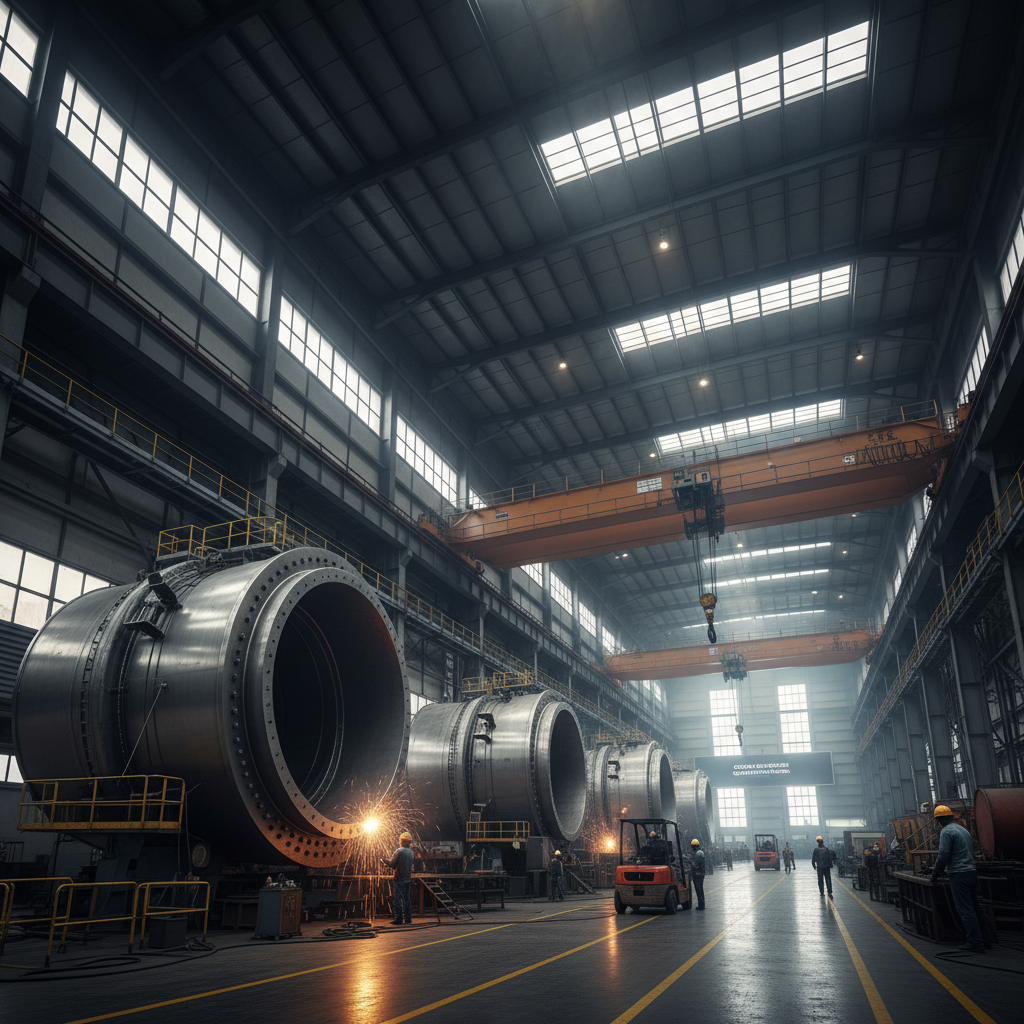
The industrial sector relies heavily on consistent and reliable energy sources, and steam boiler for industry are central to many processes. These systems provide the thermal energy needed for manufacturing, power generation, and a host of other critical applications. Understanding the nuances of steam boiler technology, from design and operation to maintenance and emerging trends, is paramount for ensuring efficiency, safety, and sustainability in modern industry.
Globally, the demand for steam continues to rise, driven by economic growth, particularly in developing nations. The World Bank estimates that industrial energy consumption will increase significantly in the coming decades, placing a greater emphasis on optimizing energy production and utilization. Steam boilers for industry play a vital role in meeting this demand, but also present challenges related to emissions, fuel efficiency, and operational costs.
Recognizing the importance of efficient steam generation is crucial for reducing environmental impact and enhancing economic competitiveness. Improvements in boiler technology, coupled with responsible operating practices, contribute to a more sustainable industrial future. This makes a deep dive into steam boiler for industry not just a technical necessity, but an essential component of responsible industrial stewardship.
The Core Principles of steam boiler for industry
At its heart, a steam boiler for industry operates on the principle of heat transfer. Fuel – whether it be fossil fuels, biomass, or electricity – is used to generate heat, which is then transferred to water to produce steam. This steam, under pressure, is then used to drive various industrial processes, such as powering turbines for electricity generation, providing heat for chemical reactions, or directly powering machinery.
The efficiency of this heat transfer process is critical. Modern steam boiler for industry incorporate features such as economizers and superheaters to maximize energy recovery and optimize steam quality. These technologies not only improve efficiency but also reduce emissions and operational costs, making them a cornerstone of sustainable industrial practices.
The Global Landscape of steam boiler for industry
The steam boiler for industry market is a global one, with significant regional variations. Asia-Pacific currently represents the largest market share, driven by rapid industrialization in countries like China and India. These nations are investing heavily in infrastructure and manufacturing, fueling the demand for reliable and efficient steam generation solutions.
North America and Europe represent mature markets, with a focus on upgrading existing infrastructure and adopting more sustainable technologies. The trend toward renewable energy sources and stringent environmental regulations is driving innovation in boiler design and operation within these regions.
Latin America and Africa are emerging markets with increasing demand for steam boiler for industry as these regions develop their industrial base. The key challenge in these markets is balancing the need for affordable energy with environmental concerns and the availability of skilled labor for operation and maintenance.
Defining steam boiler for industry and its Applications
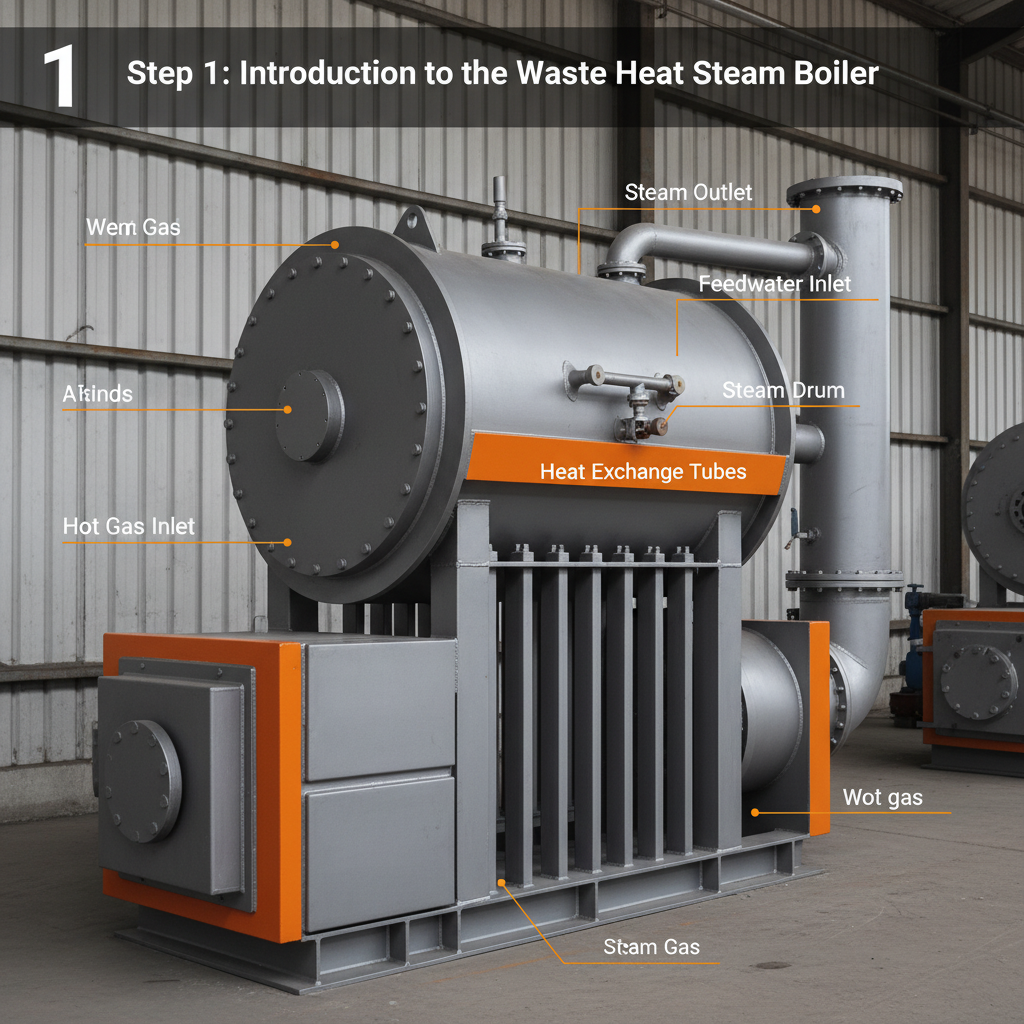
A steam boiler for industry is a closed vessel designed to heat water or other fluids to generate steam. This steam, then, is used to power various processes, and it’s an essential component of many industries. These boilers are distinguished by their capacity, efficiency, and the types of fuel they can utilize. They come in a variety of designs, including fire-tube, water-tube, and electric boilers, each suited to specific applications and energy requirements.
The connection to modern industry is undeniable. From food and beverage processing to textiles, pharmaceuticals, and petrochemicals, countless industries rely on steam for heating, sterilization, drying, and powering equipment. Steam also plays a crucial role in power generation, with steam boilers for industry powering turbines in both conventional and combined-cycle power plants.
Furthermore, steam boiler for industry can be adapted for humanitarian needs, such as providing heat and hot water in disaster relief camps or for sterilization in medical facilities in remote areas. This versatility underscores its importance as a foundational technology for global development.
Key Factors Influencing steam boiler for industry Performance
Durability is paramount for steam boiler for industry, given the harsh operating environments and continuous use. Materials selection, robust construction, and regular maintenance are key to ensuring a long operational lifespan and minimizing downtime.
Scalability allows industries to adapt their steam generation capacity to changing demands. A modular boiler system, for example, allows for the addition of new units as production increases, avoiding costly overcapacity or production bottlenecks.
Cost efficiency encompasses not just the initial purchase price, but also operational costs like fuel consumption, maintenance, and emissions control. High-efficiency boilers and advanced control systems can significantly reduce these costs over the boiler’s lifetime.
Safety is non-negotiable. Boilers operate under high pressure and temperature, necessitating robust safety features such as pressure relief valves, water level controls, and regular inspections to prevent accidents and ensure worker safety.
Reliability directly impacts production uptime. Regular maintenance, predictive analytics, and access to readily available spare parts are crucial for maximizing boiler reliability and minimizing disruptions to industrial processes.
Environmental Impact is a growing concern. Modern steam boiler for industry incorporate technologies to minimize emissions and maximize fuel efficiency, contributing to a more sustainable industrial footprint.
Comparative Efficiency of steam boiler for industry Methods
Global Applications and Diverse Use Cases
In the power generation sector, steam boiler for industry are integral to thermal power plants, converting water into steam to drive turbines and generate electricity. This remains a significant source of power worldwide.
The chemical industry utilizes steam for a wide range of processes, including heating reactors, distillation, and evaporation. Precise steam control is essential for maintaining product quality and process efficiency.
Food and beverage production relies heavily on steam for sterilization, cleaning, and cooking. Stringent hygiene standards require consistent and reliable steam generation. In post-disaster relief operations, mobile steam boiler for industry can provide essential heat and hot water for temporary shelters and medical facilities.
Advantages and Long-Term Value Proposition
Cost savings are a primary benefit of investing in efficient steam boiler for industry. Reduced fuel consumption and lower maintenance costs translate into significant operational savings over the boiler's lifespan.
Sustainability is increasingly important, and modern boilers offer reduced emissions and improved energy efficiency, contributing to a smaller environmental footprint. This aligns with corporate social responsibility goals and regulatory compliance.
Future Trends and Innovative Solutions
The integration of digital technologies, such as IoT sensors and predictive analytics, is revolutionizing boiler operation and maintenance. Real-time data monitoring and remote diagnostics enable proactive maintenance and prevent costly downtime.
The development of advanced materials, such as corrosion-resistant alloys, is extending boiler lifespan and reducing maintenance requirements.
The exploration of alternative fuels, including biomass, biogas, and hydrogen, is driving the transition towards more sustainable steam generation solutions. This aligns with global efforts to reduce carbon emissions and promote renewable energy sources.
Challenges & Solutions
One common challenge is scaling and fouling within the boiler tubes, which reduces heat transfer efficiency and requires frequent cleaning. Implementing water treatment programs and utilizing advanced boiler control systems can mitigate this issue.
Another challenge is maintaining consistent steam quality, which is critical for certain industrial processes. Installing steam separators and optimizing boiler operating parameters can ensure consistent steam quality.
Finally, skilled labor shortages pose a challenge to boiler operation and maintenance. Investing in training programs and utilizing remote monitoring and diagnostic tools can help address this issue.
Summary of Common steam boiler for industry Challenges and Potential Solutions
| Challenge |
Impact on Operations |
Potential Solution |
Implementation Cost (1-10) |
| Scaling & Fouling |
Reduced Heat Transfer |
Water Treatment & Control Systems |
6 |
| Inconsistent Steam Quality |
Product Quality Issues |
Steam Separators & Optimization |
5 |
| High Fuel Costs |
Increased Operational Expenses |
High-Efficiency Boiler Upgrade |
8 |
| Aging Infrastructure |
Increased Downtime & Repairs |
Preventative Maintenance Program |
4 |
| Lack of Skilled Labor |
Operational Inefficiencies |
Training Programs & Remote Monitoring |
7 |
| Environmental Regulations |
Compliance Costs & Penalties |
Emission Control Technologies |
9 |
FAQS
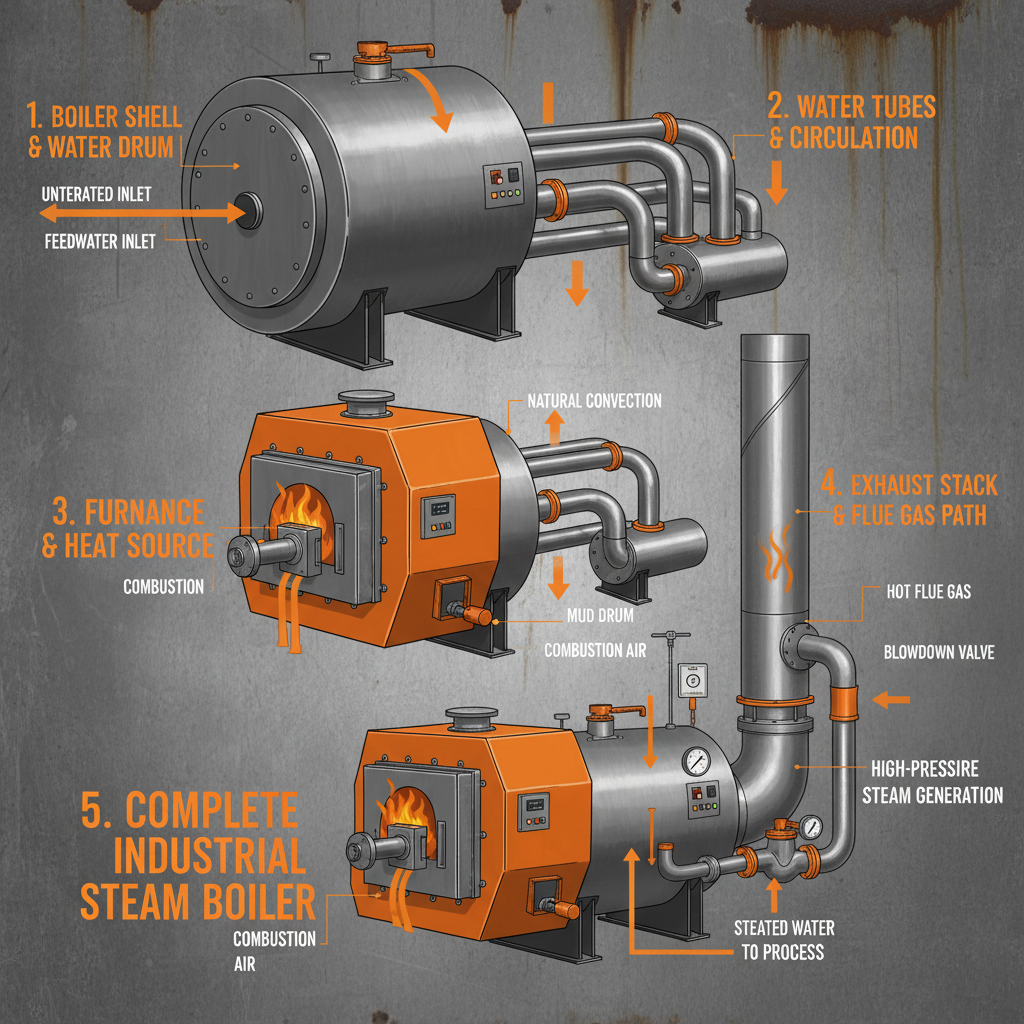
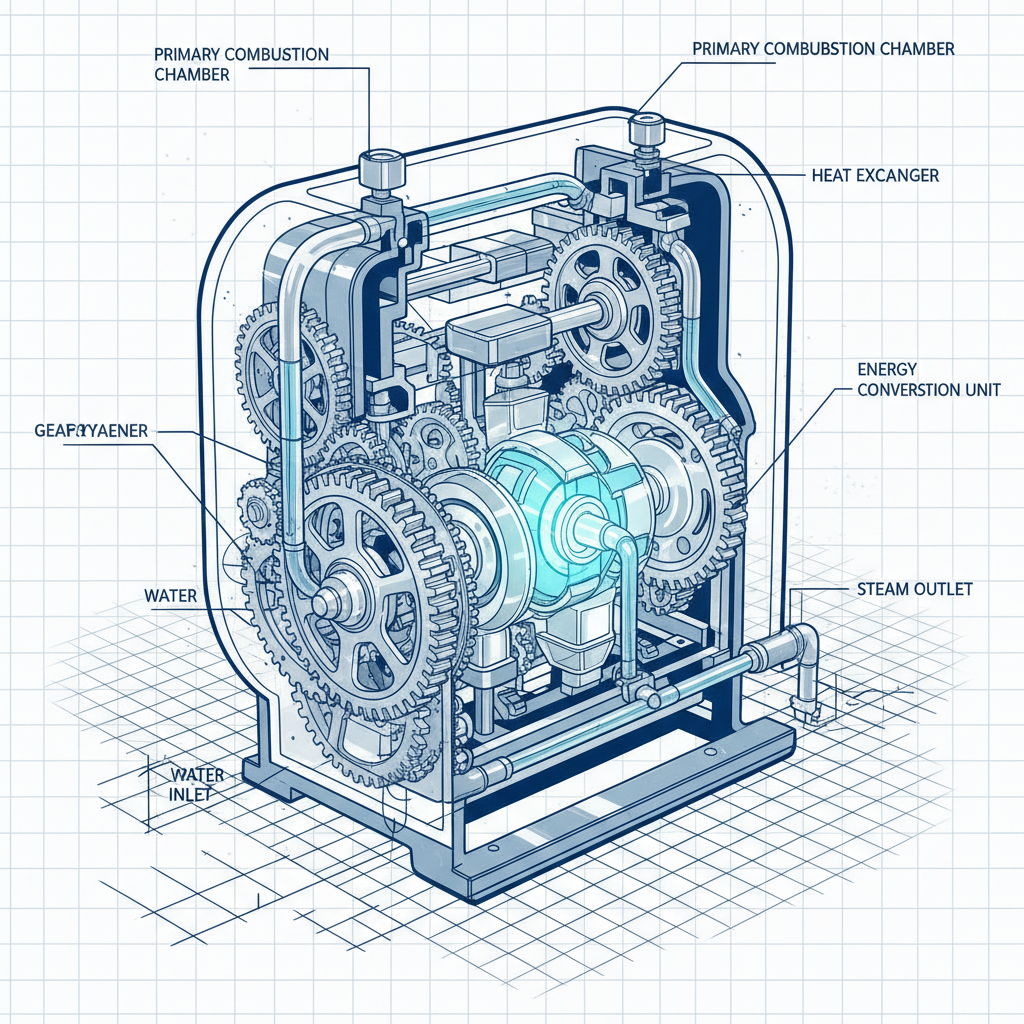
A modern industrial steam boiler typically comprises a furnace for combustion, a heat exchanger for transferring heat to water, a steam drum for separating steam from water, economizers for preheating feedwater, superheaters for increasing steam temperature, and a control system for automating operation. Efficient operation relies on the proper functioning and maintenance of each of these components, ensuring optimal heat transfer, steam quality, and safety.
Fuel selection significantly influences steam boiler for industry efficiency. Fuels with higher calorific values (energy content per unit mass) generally lead to greater efficiency. However, factors like fuel quality, combustion characteristics, and emissions regulations also play a crucial role. Biomass and alternative fuels can reduce carbon footprints but may require modifications to the boiler system to optimize combustion and minimize emissions.
Regular maintenance is paramount for extending steam boiler for industry lifespan. This includes routine inspections for leaks, corrosion, and scaling; cleaning of heat transfer surfaces; testing of safety devices; and timely replacement of worn parts. Implementing a preventative maintenance program based on manufacturer recommendations is essential for minimizing downtime and maximizing reliability.
Digital technologies, like the Internet of Things (IoT) sensors and cloud-based analytics, enable real-time monitoring of boiler performance, predictive maintenance, and remote diagnostics. These tools allow operators to identify and address potential issues before they lead to costly downtime, optimize fuel consumption, and improve overall efficiency. Data-driven insights empower informed decision-making and proactive management.
Environmental considerations are critical in steam boiler operation. Reducing emissions of pollutants like NOx, SOx, and particulate matter is essential for compliance with regulations and minimizing environmental impact. Implementing emission control technologies, optimizing combustion, and utilizing cleaner fuels are key strategies. Water treatment is also important to prevent discharge of harmful chemicals into waterways.
Proper boiler sizing is crucial for optimal system efficiency. An undersized boiler may struggle to meet peak demand, leading to reduced productivity and potential damage. An oversized boiler, conversely, operates at lower efficiency during periods of low demand. A thorough assessment of steam requirements and load profiles is essential for selecting the appropriate boiler capacity and ensuring optimal performance.
Conclusion
In conclusion, steam boiler for industry remain a cornerstone of modern industrial processes, providing reliable and efficient thermal energy for a vast array of applications. From power generation to chemical processing and beyond, understanding the principles of steam boiler operation, the latest technological advancements, and the importance of sustainable practices is vital for ensuring competitiveness, minimizing environmental impact, and maximizing operational efficiency.
Looking forward, the future of steam boiler technology lies in embracing digital transformation, exploring alternative fuels, and prioritizing environmental sustainability. Continued innovation in materials science, control systems, and combustion technologies will pave the way for even more efficient, reliable, and environmentally friendly steam boiler for industry, contributing to a more sustainable industrial future. Visit our website at www.yinengboilers.com to learn more about our comprehensive range of industrial steam boiler solutions.