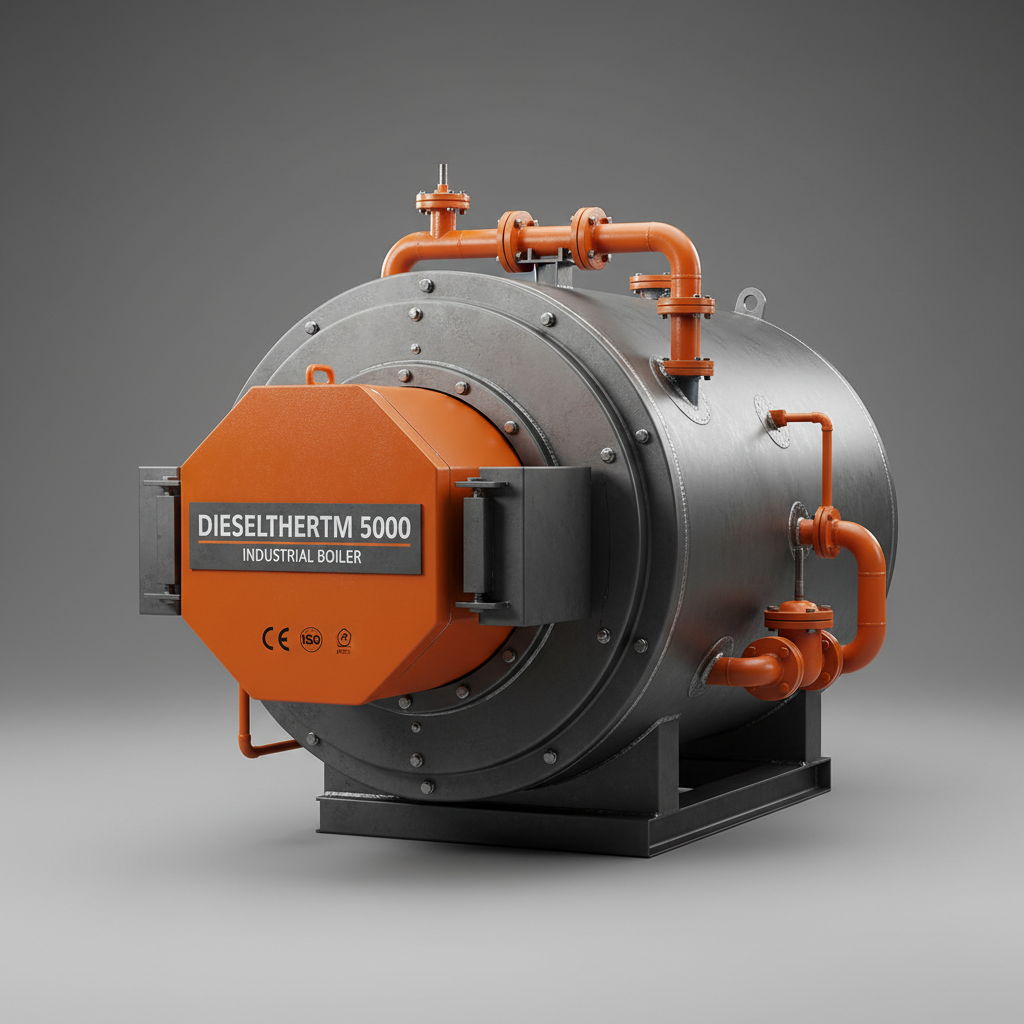
In the demanding landscape of industrial heating, the diesel fired boiler stands as a cornerstone of reliability and power. These systems provide a critical solution for enterprises that require high-energy thermal output without the constraints of existing natural gas infrastructure. By leveraging the high caloric value of diesel fuel, these boilers ensure a consistent steam or hot water supply, which is essential for maintaining production uptime in diverse manufacturing environments.
Globally, the transition toward more efficient thermal energy has highlighted the specific utility of diesel-powered systems. While the world moves toward electrification, the energy density of diesel remains unmatched for rapid deployment and peak-load support. Understanding the nuances of these systems—from their combustion efficiency to their mechanical durability—allows plant managers to optimize their operational costs while ensuring that their thermal demands are met with precision.
Choosing a diesel fired boiler is often a strategic decision based on accessibility, fuel availability, and the need for a compact footprint. This guide explores the technical intricacies, global applications, and future trajectories of diesel thermal technology, providing a comprehensive overview for engineers and procurement specialists seeking to maximize their heating infrastructure's ROI.
The Fundamental Mechanics of Diesel Fired Boilers
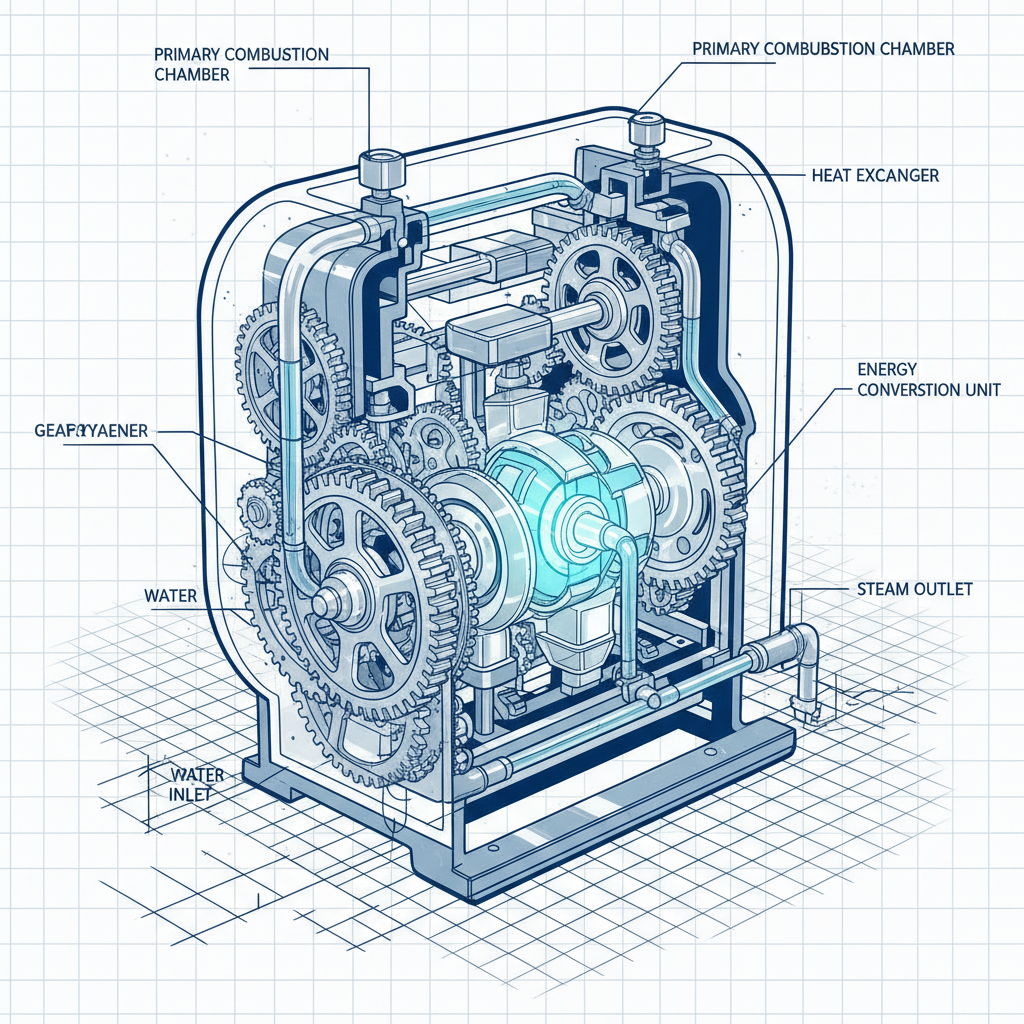
A diesel fired boiler operates on the principle of controlled combustion, where liquid diesel fuel is atomized into a fine mist and ignited within a combustion chamber. This process releases a tremendous amount of thermal energy, which is then transferred to the water or thermal oil circulating through the boiler tubes. The efficiency of this heat exchange is what determines the overall productivity of the system, making the design of the heat exchanger critical.
Modern iterations of these boilers utilize advanced burners that can modulate the fuel-to-air ratio in real-time. This ensures that the combustion process remains stoichiometric, reducing waste and minimizing the emission of soot and nitrogen oxides. By maintaining a precise flame geometry, the boiler can maximize the surface area contact between the fire and the tubes, ensuring that the maximum amount of energy is captured and utilized for the industrial process.
Global Industry Relevance and Demand
In the global industrial landscape, the demand for a diesel fired boiler often arises in regions where natural gas pipelines are non-existent or unreliable. According to data reflecting industrial energy trends, decentralized energy solutions are becoming more prominent in emerging economies across Southeast Asia and Africa. For these regions, the ability to transport fuel via tankers makes diesel systems the most viable option for rapid industrialization.
Moreover, the versatility of these boilers makes them indispensable as backup systems for larger coal or biomass plants. In critical sectors such as pharmaceuticals or food processing, a sudden loss of steam can result in millions of dollars in lost product. Having a diesel-powered standby system ensures that the facility remains operational during grid failures or primary fuel shortages, providing a layer of security that is non-negotiable in high-stakes manufacturing.
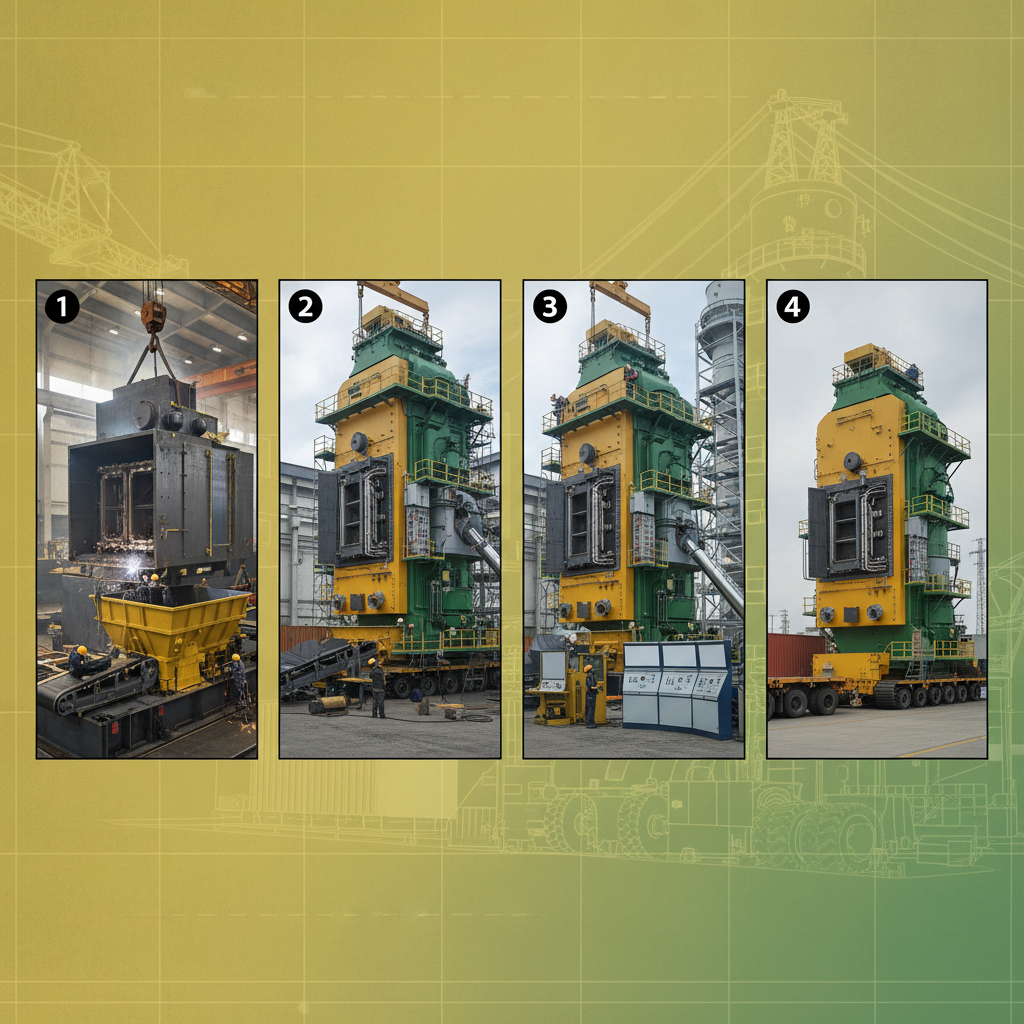
The industry is also seeing a shift toward modular diesel boilers. These prefabricated units can be shipped in containers and installed with minimal site work, significantly reducing the commissioning time. This agility is particularly valuable for temporary installations, such as remote mining camps or emergency disaster relief zones, where immediate thermal energy is required to support hygiene, heating, and sterilization processes.
Core Components for Maximum Efficiency
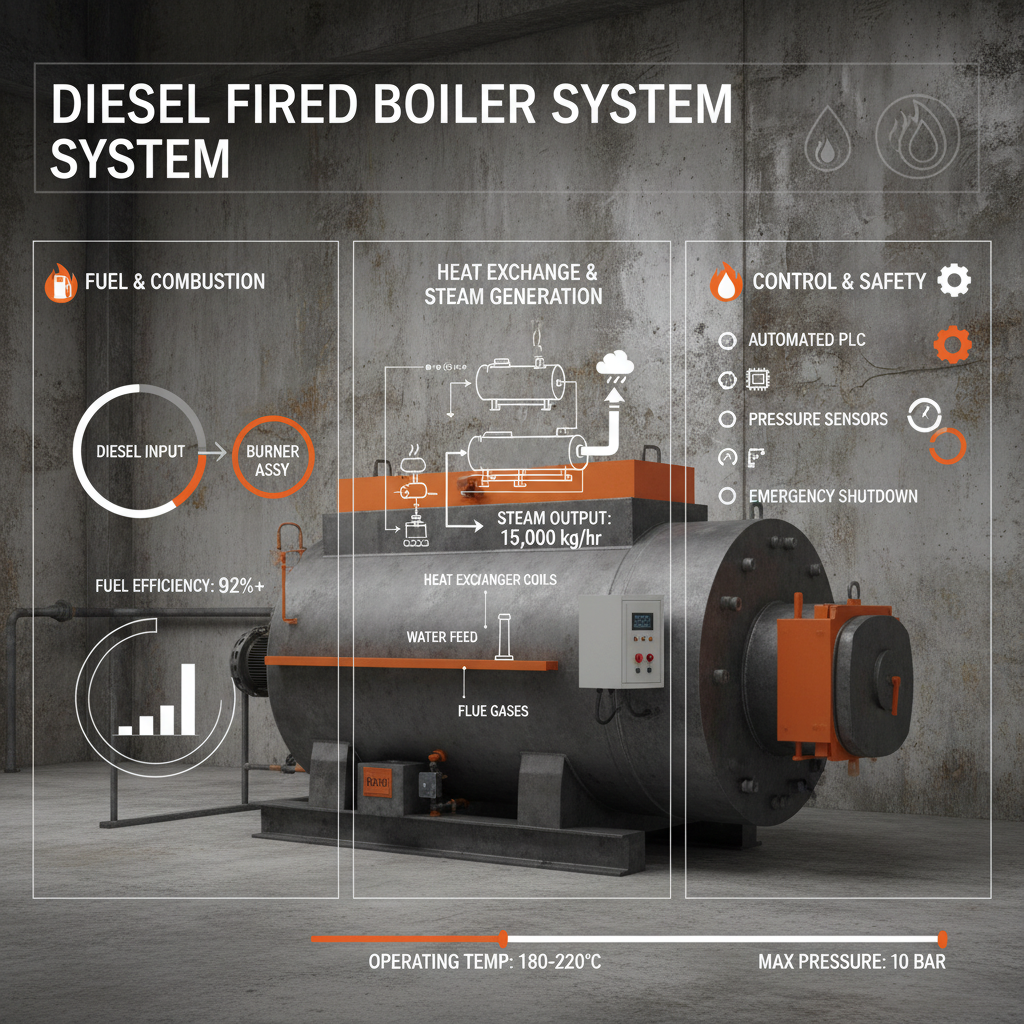
The heart of any diesel fired boiler is the burner assembly. This component is responsible for the precision atomization of the fuel, which is the primary driver of combustion efficiency. High-quality nozzles and blower motors ensure that the fuel is mixed with oxygen in the perfect proportion, preventing the formation of carbon deposits that can clog the heat exchange surfaces over time.
The pressure vessel and heat exchanger constitute the second vital element of a diesel fired boiler. Engineered from high-grade alloy steels to withstand extreme thermal cycling and pressure, these components are often treated with anti-corrosive coatings. The use of multi-pass designs allows the hot gases to travel through the boiler multiple times, extracting the maximum amount of heat before the exhaust leaves the stack.
Lastly, the automated control system acts as the brain of the diesel fired boiler. Modern PLC (Programmable Logic Controller) systems monitor water levels, steam pressure, and exhaust temperatures in real-time. These systems not only optimize fuel consumption but also implement rigorous safety protocols, such as automatic flame-out detection and emergency shut-off valves, to protect both the equipment and the personnel.
Performance Metrics and Comparative Analysis
When evaluating the performance of a diesel fired boiler, engineers focus on several key KPIs: thermal efficiency, ramp-up time, and emission levels. Unlike biomass boilers, which may take hours to reach operational temperature, diesel systems can reach full steam capacity in a fraction of the time. This "fast-start" capability is a primary reason why they are favored for intermittent or "on-demand" heating cycles.
Comparing different configurations of these boilers reveals that the integration of economizers—which use waste exhaust heat to pre-heat the feedwater—can increase overall efficiency by 5-10%. This small percentage translates into significant fuel savings over a fiscal year, particularly in plants operating 24/7. The balance between initial capital expenditure (CAPEX) and long-term operational expenditure (OPEX) is a critical consideration for any facility manager.
Comparative Performance Ratings of Diesel Fired Boiler Configurations
Strategic Global Applications
The practical application of a diesel fired boiler extends far beyond simple heating. In the textile and garment industry, these boilers provide the consistent high-pressure steam required for fabric dyeing and pressing, where temperature fluctuations can ruin entire batches of material. The reliability of diesel fuel ensures that these high-precision processes are never interrupted by fluctuating utility grids.
In the healthcare sector, particularly in remote clinics or field hospitals, diesel boilers are used for large-scale sterilization and laundry services. The ability to operate independently of a city's gas network means that essential medical services can be deployed in disaster-stricken areas or remote islands. In these contexts, the boiler is not just a piece of equipment, but a critical tool for maintaining sanitary standards and saving lives.
Long-Term Economic and Operational Value
Investing in a diesel fired boiler offers a unique blend of flexibility and durability. From an economic perspective, the lower initial installation cost—due to the absence of complex gas piping—allows companies to allocate capital to other areas of production. Over time, the value is realized through the system's ability to handle peak loads without straining the primary energy source, effectively lowering the risk of costly unplanned shutdowns.
Operationally, the simplicity of diesel fuel handling reduces the need for specialized utility technicians on-site. Regular maintenance, such as burner tuning and tube cleaning, is straightforward and can be performed by general maintenance staff with minimal training. This reduces the ongoing cost of ownership and ensures that the equipment maintains its peak efficiency throughout its lifecycle.
Beyond the numbers, there is a psychological value in the reliability of diesel systems. For a plant manager, knowing that they have a robust, independent heat source provides peace of mind. This trust in the equipment allows for more aggressive production scheduling and a greater ability to accept urgent, high-volume orders from clients, knowing that the thermal capacity is guaranteed.
Future Innovations in Diesel Thermal Systems
The future of the diesel fired boiler is being shaped by the dual pressures of digitalization and decarbonization. We are seeing the integration of IoT (Internet of Things) sensors that allow for predictive maintenance. Instead of following a rigid calendar for service, boilers can now "alert" technicians when a specific component shows signs of wear, reducing downtime and preventing catastrophic failures before they occur.
Furthermore, the industry is moving toward "dual-fuel" capabilities. New boiler designs allow for a seamless switch between diesel and LNG (Liquefied Natural Gas) or bio-diesel. This versatility allows operators to switch fuels based on current market prices or environmental regulations, ensuring that the plant remains economically viable and compliant with evolving green standards without needing to replace the entire system.
Lastly, breakthroughs in combustion chamber materials are allowing for higher operating temperatures with less thermal stress. The use of ceramic coatings and advanced alloys reduces heat loss through the boiler shell, pushing the thermal efficiency closer to theoretical limits. These innovations ensure that the diesel boiler remains a relevant and powerful tool in the global energy mix for decades to come.
Comparative Analysis of Diesel Boiler Technological Evolutions
| Technology Era |
Control Mechanism |
Avg. Efficiency |
Environmental Impact |
| Legacy Systems |
Manual Valves |
65-75% |
High Emissions |
| Early Automation |
Basic Analog Controllers |
75-82% |
Moderate Emissions |
| Modern PLC Era |
Digital PLC Logic |
85-90% |
Low-NOx Compliant |
| Smart Boilers |
AI-Driven Optimization |
92-95% |
Ultra-Low Emissions |
| Dual-Fuel Hybrid |
Automatic Fuel Switching |
88-93% |
Flexible Carbon Footprint |
| Future Concept |
Cloud-Based Autonomous |
96%+ |
Near-Zero Waste |
FAQS
Typically, a diesel fired boiler requires a basic inspection every 3 months and a comprehensive annual service. Key focus areas include burner nozzle cleaning, flame sensor calibration, and checking the integrity of the pressure vessel. Regular maintenance prevents soot buildup and ensures the fuel-to-air ratio remains optimal, which directly extends the life of the boiler and reduces fuel consumption.
On a per-unit of energy basis, diesel is generally more expensive than natural gas. However, the total cost of ownership can be lower if the facility is in an area where installing a gas pipeline would cost hundreds of thousands of dollars. For many, the flexibility and independence from utility grids outweigh the higher fuel cost, making it a more economically sound choice for specific geographic locations.
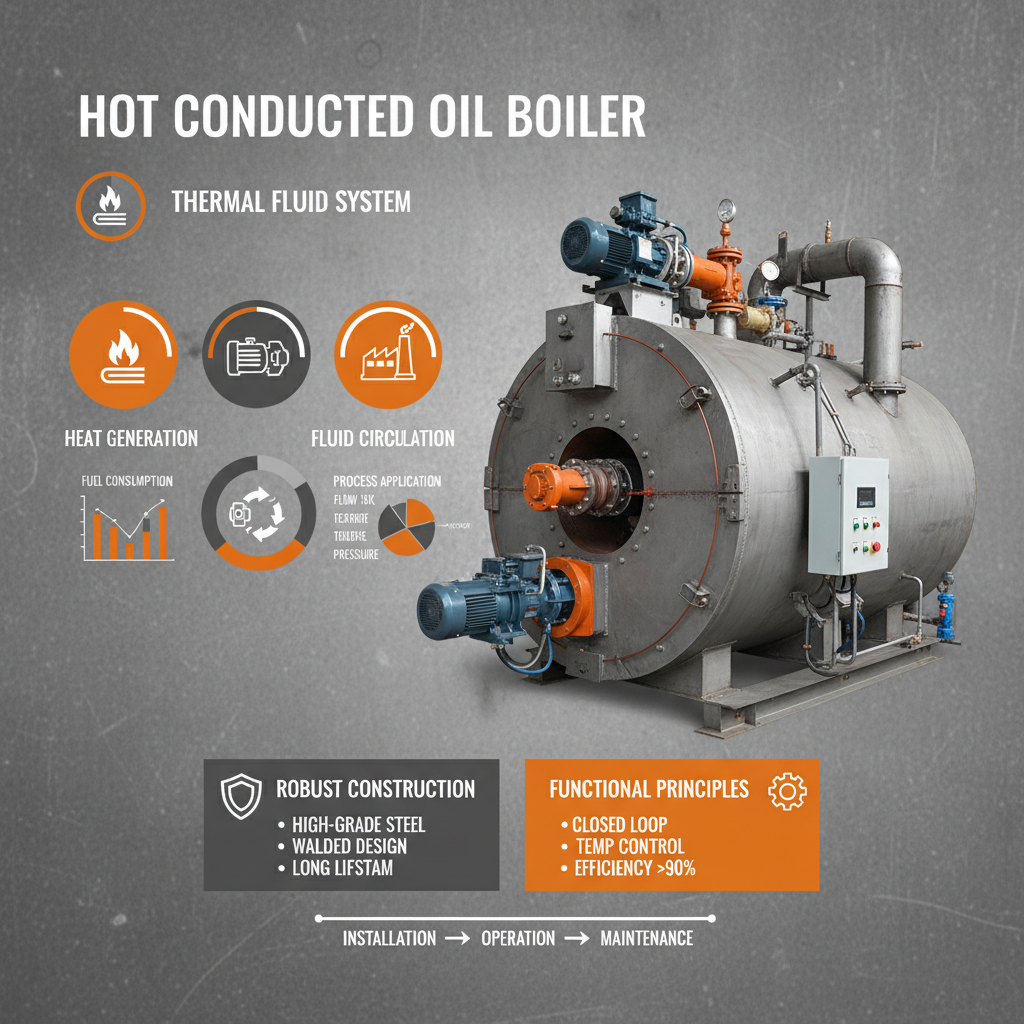
Yes, depending on the design. There are specific diesel fired boiler models engineered specifically for steam production (steam boilers) and others for heating water (hot water boilers). Additionally, thermal oil heaters use diesel to heat a specialized conductive oil. When ordering, it is critical to specify the required medium to ensure the pressure vessel is rated correctly.
Diesel combustion produces CO2 and NOx. However, modern high-efficiency boilers utilize advanced burner technology and exhaust scrubbing systems to minimize these emissions. Many plants are now transitioning to bio-diesel, which can be used in most diesel boilers with minimal modification, significantly reducing the net carbon footprint while maintaining the same thermal performance.
With proper water treatment and regular maintenance, a high-quality diesel fired boiler can last between 20 to 30 years. The primary factor in longevity is the prevention of scale and corrosion inside the tubes. Implementing a strict water softening and degassing protocol is the most effective way to ensure the boiler reaches its maximum theoretical lifespan.
Capacity is determined by calculating the total thermal load of your process, including peak demand and heat loss. It is generally recommended to size the boiler for 110-120% of your maximum expected load to provide a safety buffer. An undersized boiler will run constantly, leading to premature wear, while an oversized boiler may suffer from frequent "short-cycling," which reduces efficiency.
Conclusion
The diesel fired boiler remains an indispensable tool for global industry, offering a unique combination of power, portability, and reliability. By integrating advanced PLC controls, high-efficiency heat exchangers, and flexible fuel options, these systems bridge the gap between traditional energy needs and modern efficiency standards. Whether serving as a primary heat source in remote regions or a critical backup in a high-tech factory, the diesel boiler provides the thermal security necessary for uninterrupted industrial growth.
As we look toward a more sustainable future, the evolution of these systems toward dual-fuel and smart-monitoring technologies ensures they will continue to provide value without compromising environmental goals. For businesses seeking to optimize their thermal infrastructure, investing in a high-efficiency diesel system is a strategic move toward operational resilience. To explore our full range of high-performance heating solutions, visit our website: www.yinengboilers.com.