
BOILER EXPERT
Since 1983, more than 40 years boiler experience

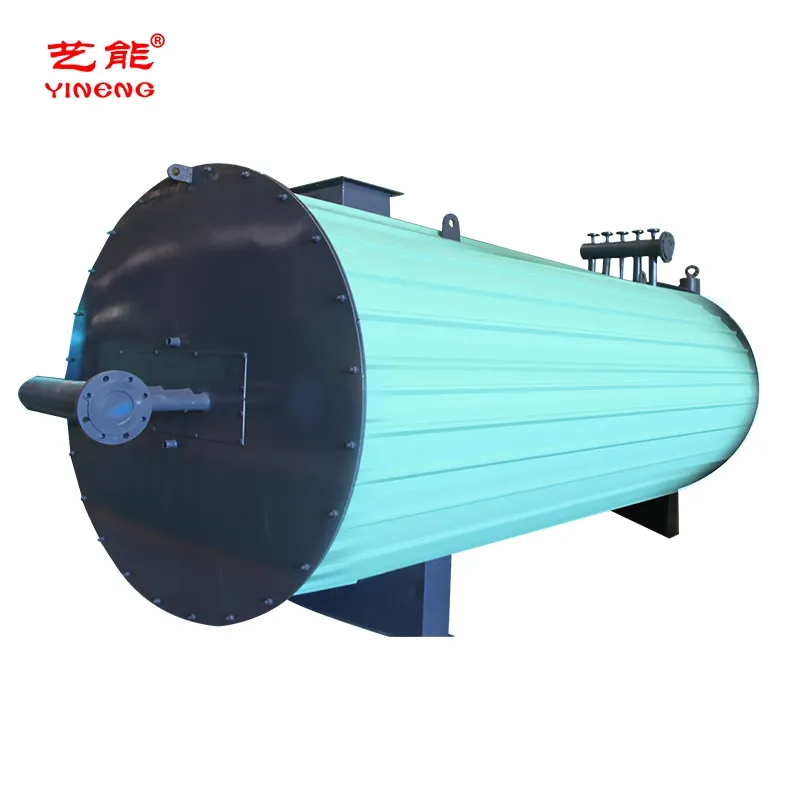
Industrial Heating Solutions for Equatorial Guinea: High-Efficiency thermal oil boiler

Optimizing energy efficiency for the oil, gas, and manufacturing sectors in Equatorial Guinea with world-class boiler technology.

Industrial Heating Solutions for Equatorial Guinea: High-Efficiency thermal oil boiler

Providing robust, high-pressure heating systems tailored to the humid tropical climate and industrial demands of Equatorial Guinea.

Current Industrial Boiler Landscape in Equatorial Guinea

Analyzing the intersection of energy infrastructure and tropical environmental challenges.

The industrial landscape of Equatorial Guinea is heavily dominated by the hydrocarbon sector. Consequently, the demand for a reliable boiler system is critical for refinery operations and petrochemical processing, where precise temperature control is non-negotiable.

Due to the high humidity and coastal salinity in cities like Malabo and Bata, traditional equipment often suffers from accelerated corrosion. This has led to a market shift toward stainless steel components and specialized protective coatings for every steam boiler installed in the region.

Currently, there is a growing transition from inefficient biomass burners to automated, low-emission systems. Local industries are increasingly seeking a high-performance water boiler to support the expanding food processing and hospitality sectors in the growing urban centers.
Technological Evolution of Heating Systems in Equatorial Guinea

From rudimentary combustion to intelligent, sustainable thermal energy management.

Market Development History

In the early 2000s, the market relied primarily on imported, manual-fire boilers with limited safety controls, primarily serving small-scale agricultural needs.

Between 2010 and 2020, the boom in oil and gas infrastructure introduced advanced waste heat boiler technology to recover energy from gas turbines, significantly reducing operational costs in the energy sector.

Since 2021, the focus has shifted toward digitalization. The integration of PLC systems and IoT monitoring has allowed plant managers in Equatorial Guinea to optimize fuel consumption and predict maintenance cycles remotely.

Future Development Trends

Hybrid Energy Integration

The shift toward integrating solar-thermal preheating with traditional boilers to reduce carbon footprints in accordance with global ESG standards.

Smart Emission Monitoring

Adoption of real-time NOx and SOx monitoring systems to meet stricter environmental regulations emerging within the Gulf of Guinea.

Modular Plant Design

A trend toward "skid-mounted" modular boilers that can be rapidly deployed to remote oil fields without extensive on-site civil works.

Industry Trends and Future Outlook

Strategic directions for thermal energy in the Equatorial Guinean market.

Decarbonization Transition
Rapid adoption of hydrogen-ready burners to align with Africa's green energy transition goals.
AI-Driven Optimization
Implementing AI algorithms to optimize air-fuel ratios, reducing waste in industrial boiler operations.
Corrosion Resistance
Advanced metallurgical coatings designed specifically for the humid Equatorial African coastline.
Waste Heat Recovery
Increasing integration of economizers to capture exhaust heat for preheating feed water.

Industry Outlook

Over the next 3-5 years, we expect a surge in demand for integrated thermal plants that combine energy generation with heating. As Equatorial Guinea diversifies its economy, the manufacturing of consumer goods will require more stable and scalable steam solutions.

Google search trends indicate a rising interest in "energy-efficient industrial boilers" across the region, signaling a shift from "lowest initial cost" to "lowest total cost of ownership" (TCO) logic among local procurement officers.

Localized Application Scenarios in Equatorial Guinea

Real-world implementations tailored to the local economic infrastructure.

01. Oil Refinery Heating Networks

Deploying large-scale thermal oil systems for crude oil heating and transportation, ensuring viscosity control in the extreme humidity of coastal refineries.

02. Tropical Food Processing Plants

Utilizing high-efficiency steam systems for sterilization and canning of local agricultural products, ensuring food safety and export quality.

03. Power Plant Waste Energy Recovery

Integrating waste heat recovery systems to convert exhaust gases from electricity generators into usable process steam for nearby industrial zones.

04. Hotel and Hospital Sanitation

Installing compact water heating systems for laundry and sterilization services in Malabo's expanding healthcare and tourism infrastructure.

05. Timber and Wood Processing

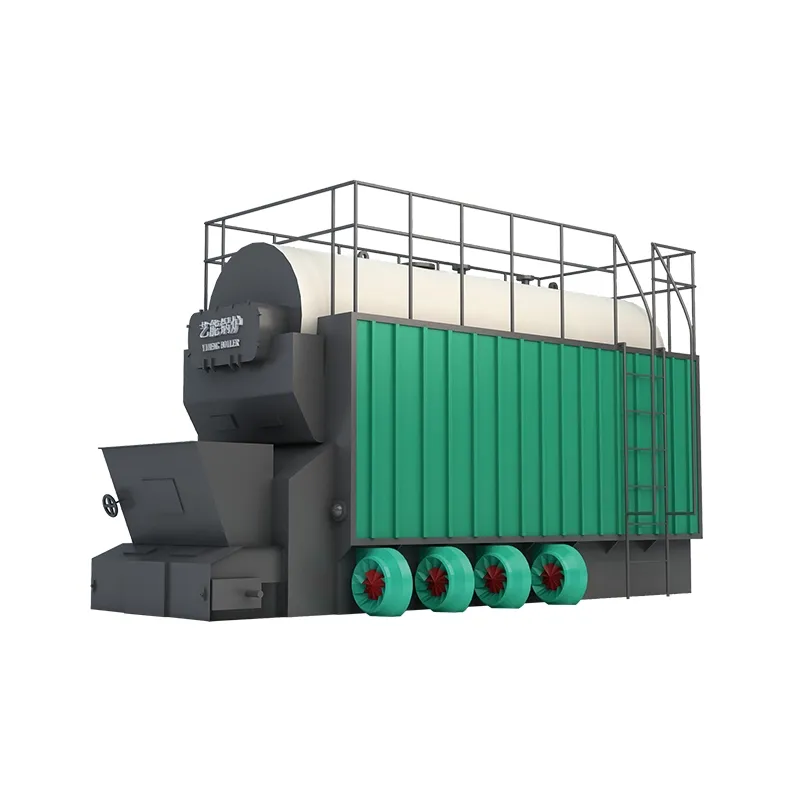
Implementing biomass-fired boilers to utilize wood waste for drying kilns, promoting a circular economy in the local forestry sector.

Brand Story

Global Development History of Hebei Yinen Boiler Co., Ltd.

Foundational Excellence

Established with a commitment to precision engineering, focusing on solving the core instability of industrial heat exchange.

Technological Breakthrough

Pioneered advanced combustion chambers that reduced fuel consumption by 15% compared to industry standards.

Global Expansion

Extended operations to Africa and Southeast Asia, adapting designs to withstand extreme climates and varied fuel qualities.

Sustainability Shift

Launched a dedicated R&D line for low-carbon and waste-heat recovery solutions to support global net-zero targets.

Future-Ready Industry 4.0

Integrating smart sensors and remote diagnostics to provide lifelong maintenance and efficiency optimization for our clients.

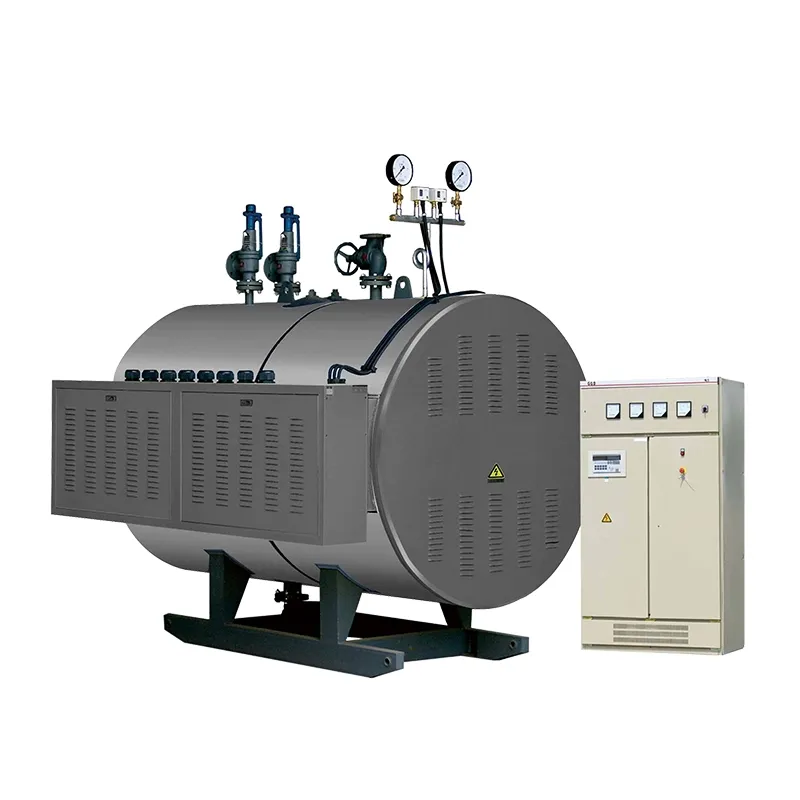
Comprehensive Thermal Product Portfolio for Equatorial Guinea

A complete range of heating equipment designed for reliability in the Gulf of Guinea.

Frequently Asked Questions for the Local Market

Technical guidance for operators and engineers in Equatorial Guinea.

How to prevent corrosion in a steam boiler in Malabo's humid climate?

We recommend using high-grade stainless steel for the shell and implementing a rigorous water treatment system to remove chlorides, combined with external anti-corrosive epoxy coatings.

What is the best thermal oil boiler for petrochemical applications?

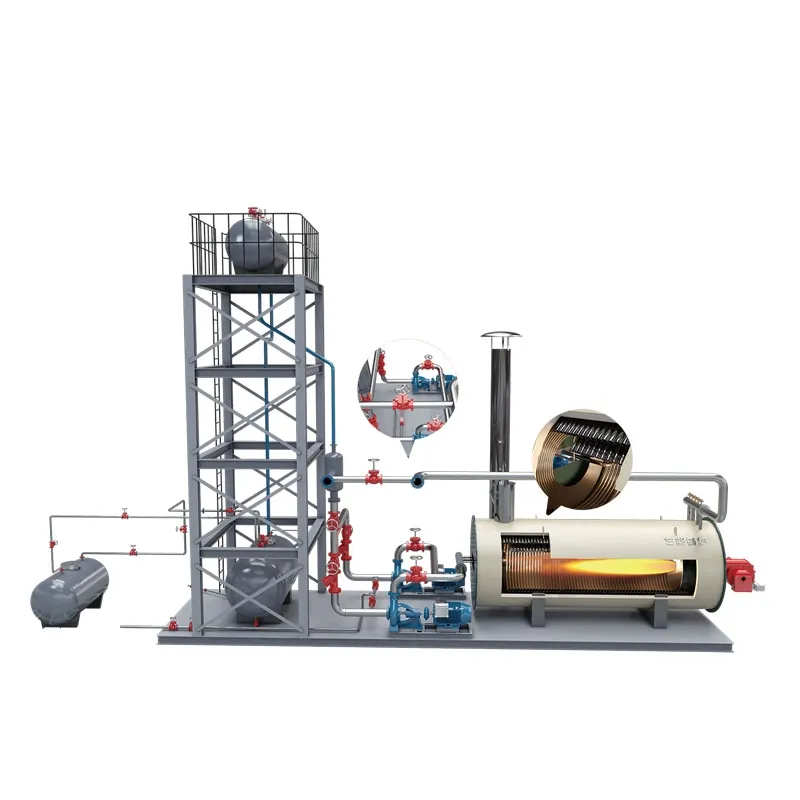
For petrochemical plants, a vertical thermal oil system with automatic temperature control and high-temperature safety valves is ideal to ensure stable heat transfer without the risk of high-pressure steam explosions.

Can a waste heat boiler be integrated into existing gas turbines?

Yes, our heat recovery steam generators (HRSG) are designed to be retrofitted to gas turbine exhaust streams, converting waste heat into process steam and increasing overall plant efficiency.

What fuel types are most efficient for a water boiler in Equatorial Guinea?

While natural gas is efficient for urban areas, many of our clients use dual-fuel burners (Gas/Diesel) to ensure continuous operation during fuel supply fluctuations.

How often should an industrial boiler undergo maintenance in tropical zones?

Due to high humidity and mineral deposits, we recommend a detailed inspection every 6 months, including scale removal and burner calibration.

What safety certifications are required for boilers in the Gulf of Guinea region?

We provide equipment meeting ISO 9001 and ASME standards, ensuring compliance with both international safety codes and local Equatorial Guinean industrial regulations.

Ready to Optimize Your Thermal Energy?

Contact our expert engineering team today for a customized boiler solution tailored to the specific industrial requirements of Equatorial Guinea.

Contact Us Now

If you are interested in our products, you can choose to leave your information here, and we will be in touch with you shortly.