BOILER EXPERT
Since 1983, more than 40 years boiler experience

Industrial thermal oil boiler Solutions for Sri Lanka

High-efficiency thermal energy systems engineered to power Sri Lanka's tea processing, textile, and rubber manufacturing industries with sustainable precision.

Industrial thermal oil boiler Solutions for Sri Lanka

Providing cutting-edge heating technology tailored to the tropical climate and industrial landscape of Sri Lanka, ensuring operational stability and energy optimization.

Current State of Thermal Energy in Sri Lanka

Analyzing the intersection of industrial growth and energy availability in the South Asian market.

The industrial landscape of Sri Lanka is characterized by a heavy reliance on traditional fuels for heating. Many factories still utilize legacy boiler systems that struggle with the high humidity and saline coastal air, leading to accelerated corrosion and efficiency drops in the garment and food processing sectors.

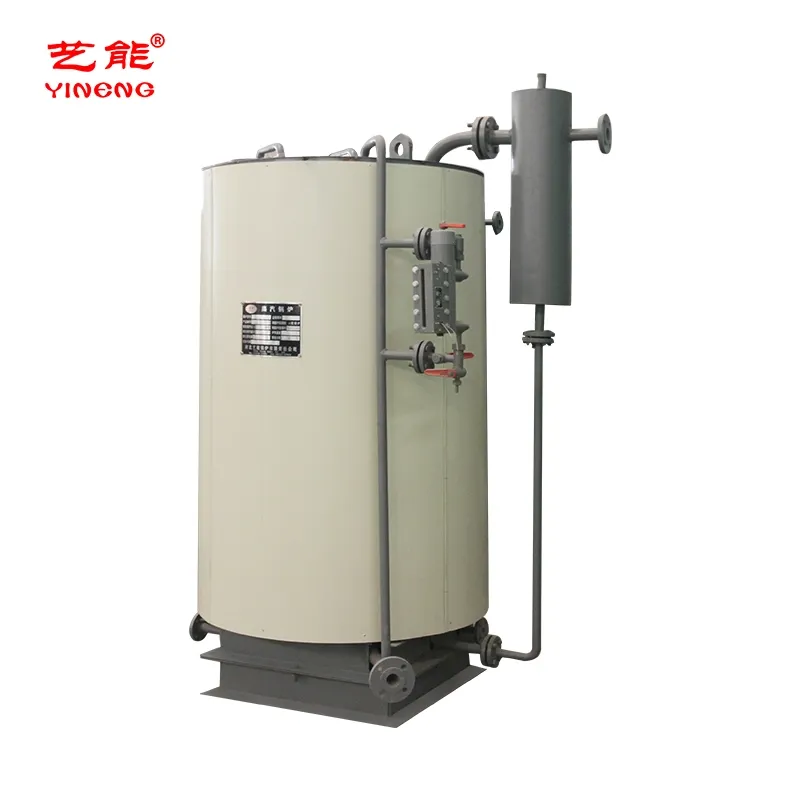
With the current economic shift towards sustainable energy, there is a growing demand for a reliable steam boiler that can integrate with biomass fuels, such as coconut shells and rice husks, to reduce dependence on expensive imported fossil fuels.

Furthermore, the lack of advanced heat recovery systems in older plants means significant energy waste. The adoption of a modern waste heat boiler is becoming a strategic priority for larger Sri Lankan enterprises aiming to lower their carbon footprint and operational costs.
Evolution and Development Trajectory

From manual fuel-fired units to automated, high-precision thermal systems.

Market Development History

In the 1980s and 90s, the Sri Lankan market was dominated by simple, manual-fire tube systems focused on basic steam generation for tea drying, where reliability was prioritized over efficiency.

Between 2000 and 2015, a transition occurred toward automated water boiler technologies. This period saw the introduction of better water treatment systems to combat the mineral-heavy water sources found in the central highlands.

From 2016 to the present, the market has pivoted toward specialized heating. The rise of precision chemical and rubber manufacturing has driven the adoption of high-temperature fluid systems to replace traditional steam in sensitive processes.

Future Development Trends

Biomass Hybridization

Integrating multi-fuel capabilities to utilize Sri Lanka's abundant agricultural waste, reducing the cost of thermal energy production.

Digital Twin Monitoring

The implementation of IoT-based remote monitoring to predict scale buildup and maintenance needs in coastal industrial zones.

Low-Emission Combustion

Shifting toward ultra-low NOx burners to meet emerging environmental regulations within the Asia-Pacific region.

Industry Trends and Future Outlook

Strategizing the next five years of thermal engineering for Sri Lankan industries.

Energy Decarbonization
Moving away from heavy fuel oil towards LNG and biomass to align with global green manufacturing standards.
Automation Integration
Deployment of PLC-controlled combustion systems to minimize human error and maximize fuel efficiency.
Corrosion Resistance
Using specialized alloy steels and coatings to withstand the humid, salty air of coastal Sri Lankan regions.
Modular Scalability
Developing modular boiler units that allow Sri Lankan SMEs to expand capacity as their production grows.

Industry Outlook

Google search trends in the region indicate a rising interest in "energy efficiency" and "biomass heating," suggesting that Sri Lankan manufacturers are actively seeking ways to lower overheads amid economic volatility.

Over the next 3-5 years, we expect a complete shift toward integrated energy centers where heat recovery and primary generation coexist, fundamentally changing the cost structure of the local manufacturing sector.

Localized Application Scenarios in Sri Lanka

Proven implementations of thermal technology across key Sri Lankan economic sectors.

01. Tea Processing and Drying

Utilization of a biomass-fired steam boiler to provide consistent heat for withering and drying tea leaves, ensuring flavor consistency while using local agricultural waste.

02. Rubber Latex Vulcanization

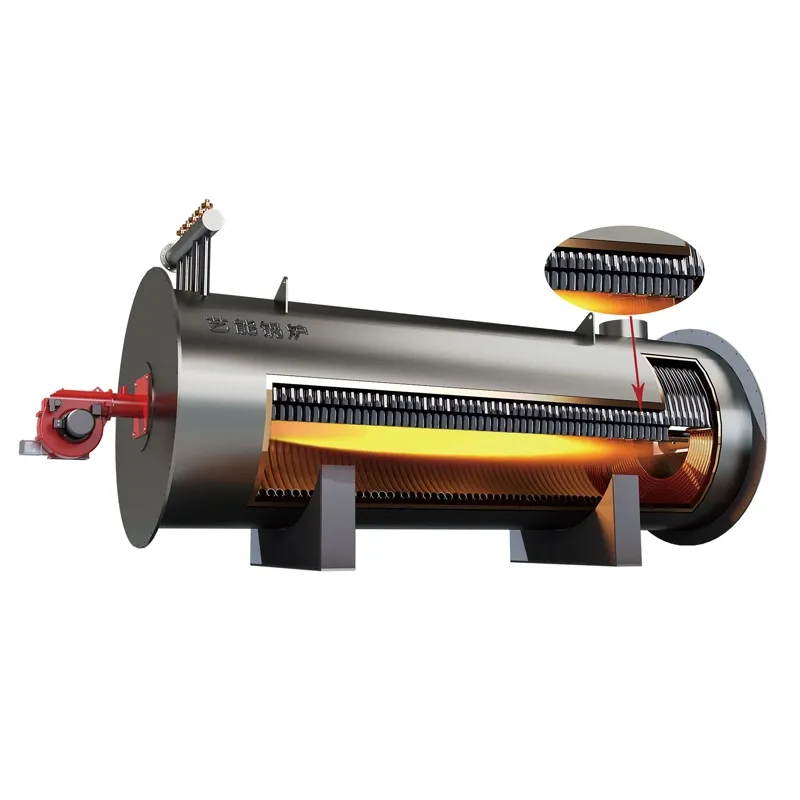
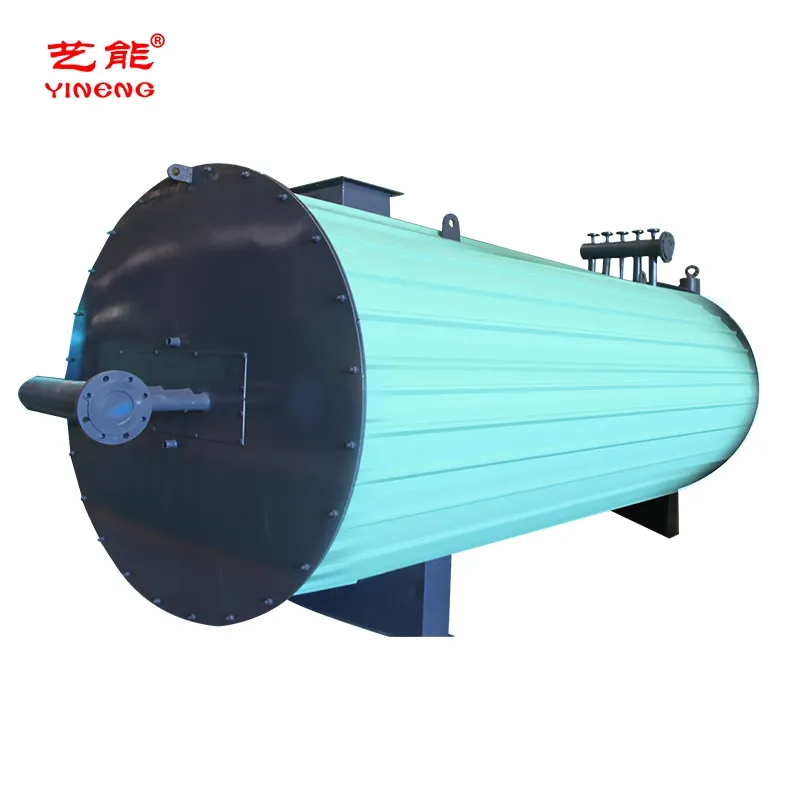
Implementation of high-precision thermal oil boiler systems to maintain exact temperatures for rubber curing, preventing overheating and improving material elasticity.

03. Apparel and Textile Dyeing

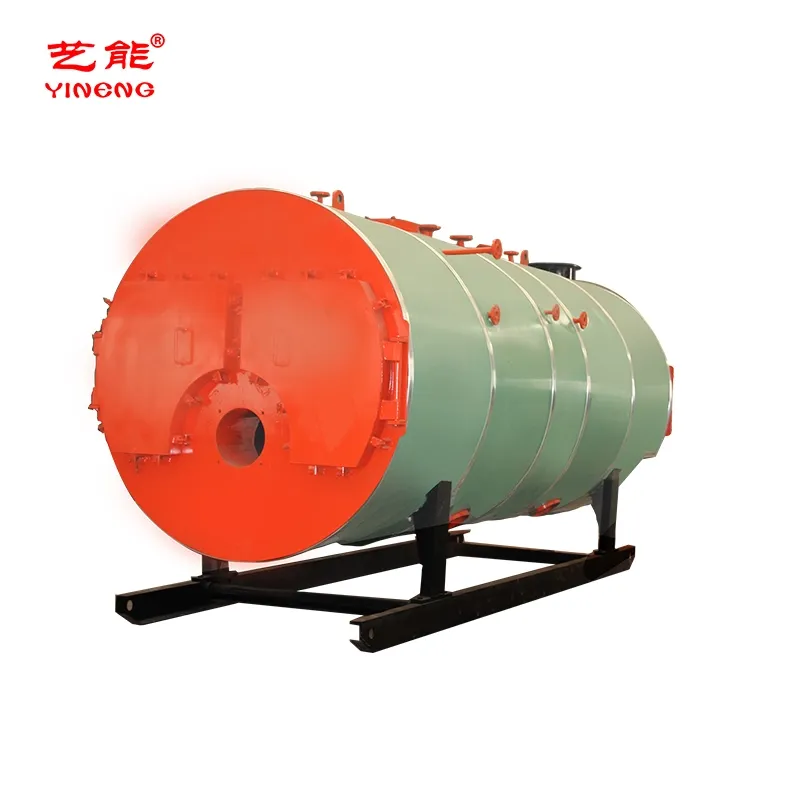
Large-scale water boiler installations for laundry and dyeing processes, optimized for rapid steam response to handle varied batch sizes in garment factories.

04. Palm Oil and Coconut Processing

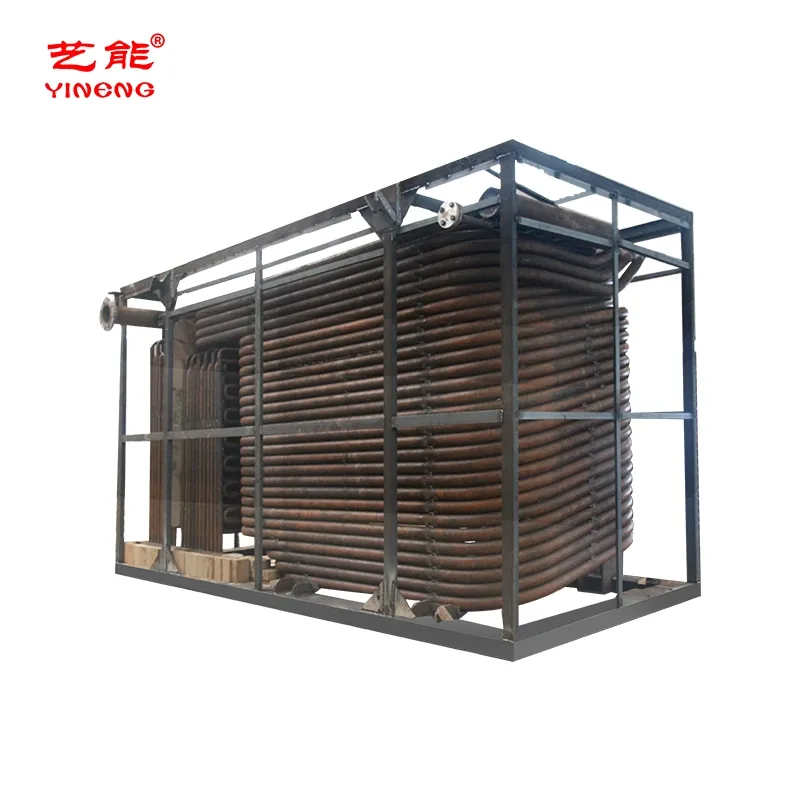
Installation of a waste heat boiler to capture energy from husk combustion, creating a circular energy loop that powers the refinery equipment.

05. Pharmaceutical and Food Grade Sterilization

Application of stainless steel boiler units for medical sterilization and food canning, ensuring hygienic steam production that meets international safety standards.

Brand Story

Global Development Journey of Hebei Yineng Boiler Co., Ltd.

Foundation and Core Focus

Established with a mission to solve the inherent inefficiency of industrial heating, focusing on high-durability combustion technology.

Technological Breakthroughs

Developed proprietary heat exchange patents that significantly reduced fuel consumption for mid-sized manufacturing plants.

International Expansion

Entered the Asia-Pacific market, adapting designs to suit tropical climates and diverse fuel sources across Southeast Asia.

Sustainability Pivot

Launched a comprehensive line of biomass and waste-heat recovery systems to lead the transition toward carbon-neutral heating.

Global Engineering Leader

Now providing end-to-end thermal solutions for thousands of factories worldwide, from simple steam to complex thermal oil grids.

Full Thermal Product Portfolio for Sri Lanka

A comprehensive range of heating equipment designed for reliability in South Asian industrial environments.

Common Questions for Sri Lankan Operators

Technical guidance for maintaining and selecting thermal systems in the region.

How to prevent scale buildup in a water boiler using Sri Lankan groundwater?

We recommend implementing a multi-stage water softening system and regular blowdown schedules to remove dissolved solids, which are common in local groundwater sources.

Can a steam boiler be converted to use coconut shell biomass?

Yes, by installing a specialized grate system and modifying the combustion chamber to handle the specific caloric value and ash content of coconut shells.

What is the advantage of a thermal oil boiler over steam for rubber processing?

Thermal oil allows for higher temperatures without high pressure, eliminating the risk of steam leaks and providing more uniform heating across the vulcanization molds.

How does a waste heat boiler reduce operational costs in food refineries?

It captures exhaust heat from primary furnaces to preheat feed water or generate low-pressure steam, reducing the primary fuel consumption by up to 20%.

What maintenance is required for boilers in coastal Sri Lankan regions?

Enhanced external corrosion protection, including epoxy coatings and regular inspections of the casing and piping to prevent salt-air degradation.

Which boiler type is best for small-scale garment factories in Sri Lanka?

A compact, automatic electric or gas-fired steam boiler is ideal for SMEs, offering quick start-up times and minimal footprint.

Ready to Optimize Your Thermal Energy?

Get a customized engineering consultation for your facility in Sri Lanka. Our experts are ready to help you reduce costs and increase efficiency.

Contact Us Now

If you are interested in our products, you can choose to leave your information here, and we will be in touch with you shortly.