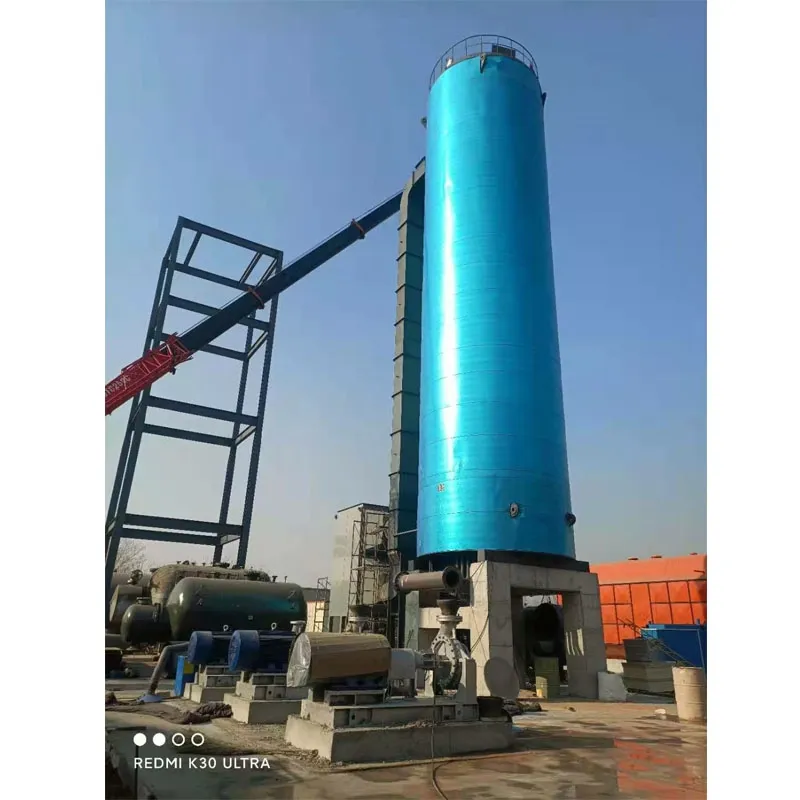
In the highly competitive feed processing industry, the consistency of steam supply directly dictates pellet quality, gelatinization rates, and overall production capacity. Manufacturers often struggle with fluctuating steam pressures that lead to uneven moisture content in feed, affecting the nutritional integrity of the final product. Addressing these thermal challenges requires more than just a heating vessel; it demands a partner who understands the intricate dynamics of feed milling loads.
Hebei Yineng Boiler Co., Ltd., founded in 1983, approaches this challenge by integrating over 40 years of thermal engineering experience into every solution. Recognizing that feed mills require rapid response to load changes, we leverage our team of over 120 engineering and technical personnel to design systems that maintain stability during peak operational shifts. Whether your facility utilizes biomass, coal, or gas, our Class A level manufacturing standards ensure that every unit delivers the precise thermal energy required for optimal conditioning and pelletizing.
With an average annual sales volume of 1,560 units and a massive production footprint spanning 80,000 square meters, our capacity to deliver robust, industrial-grade solutions is proven globally. By selecting a system backed by our "skid-mounted easy installation" design, feed mill operators can significantly reduce construction timelines and commence production faster, ensuring that technical reliability translates directly into operational readiness.
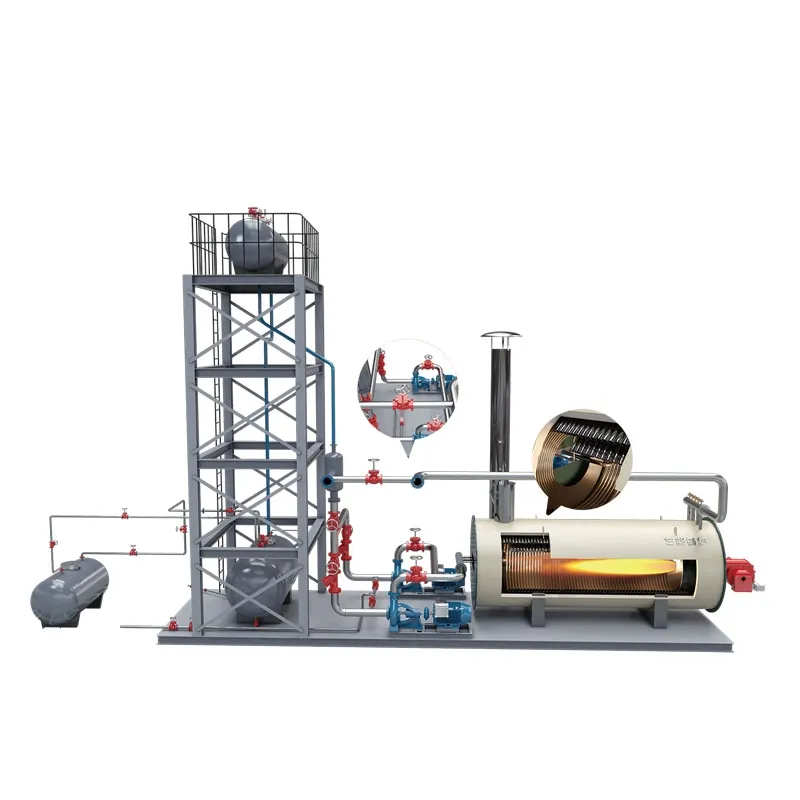
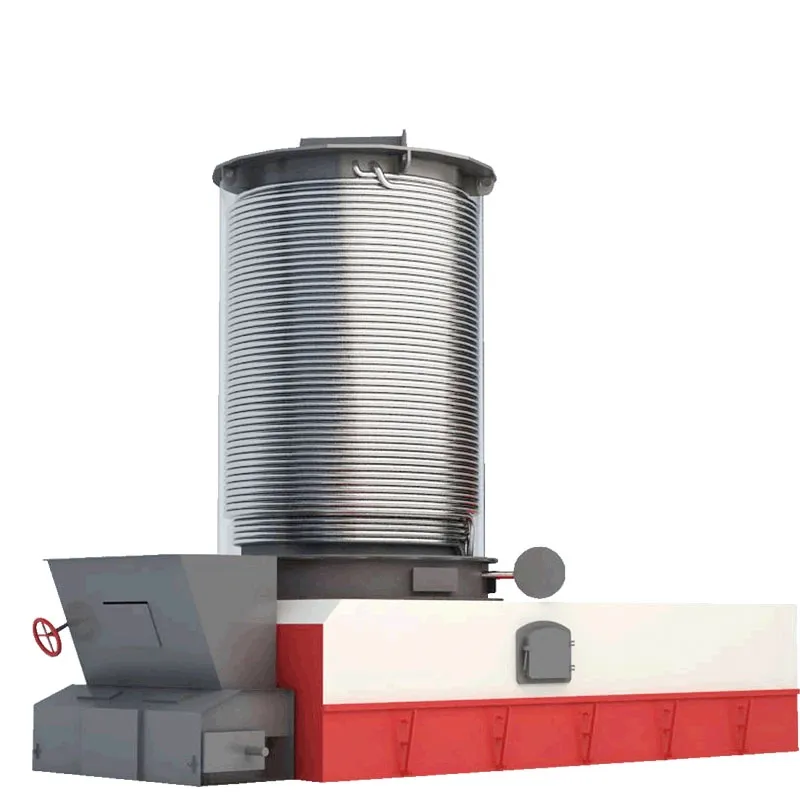
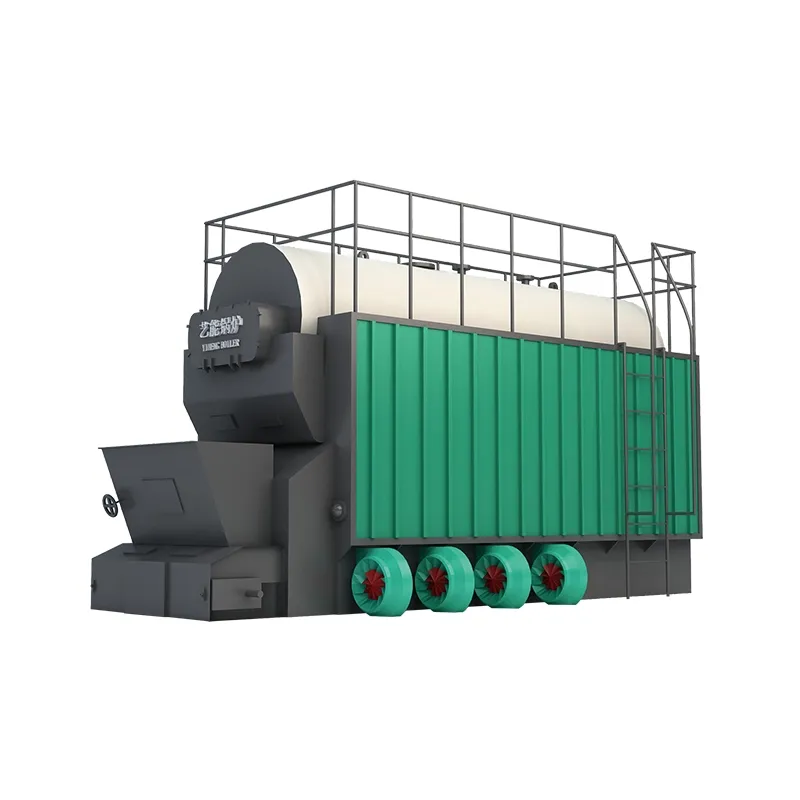
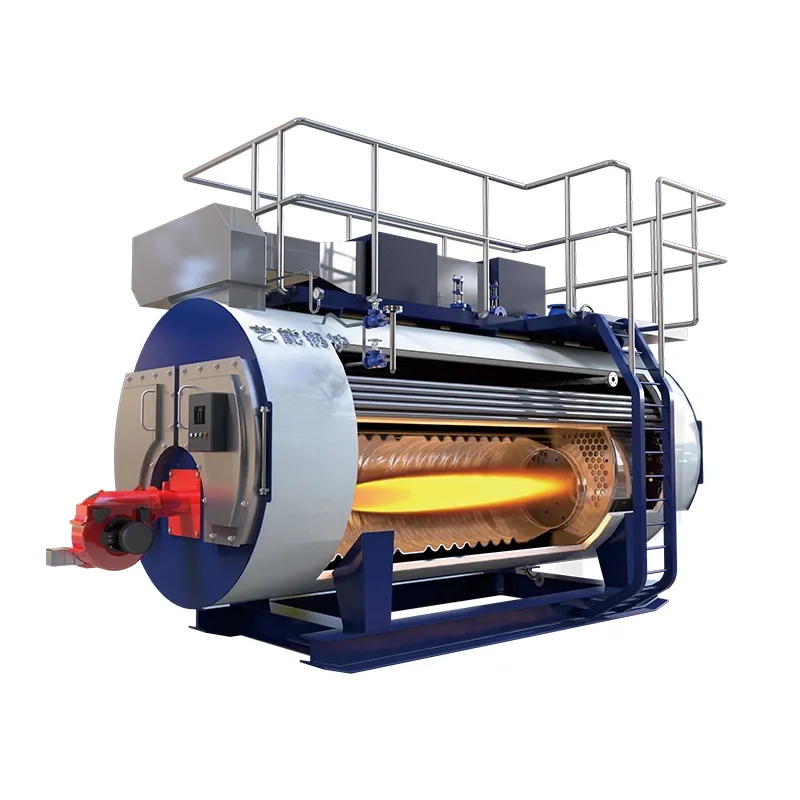
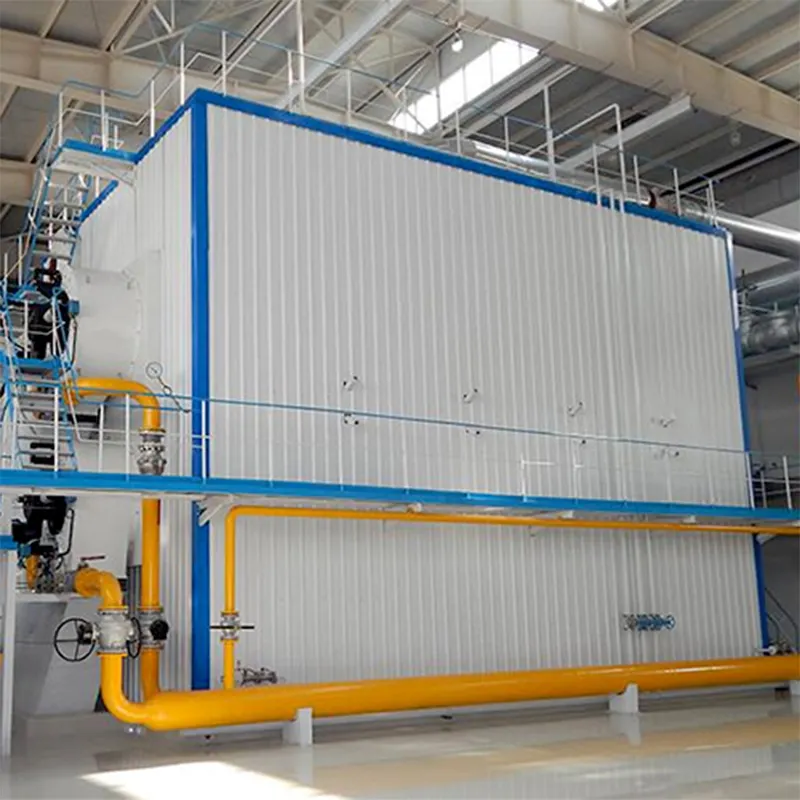
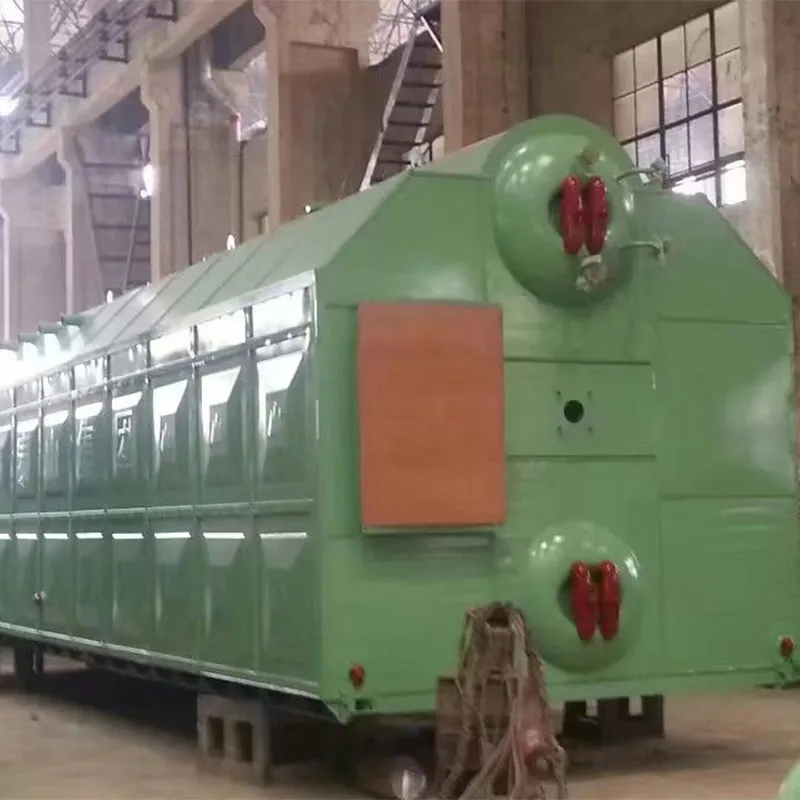
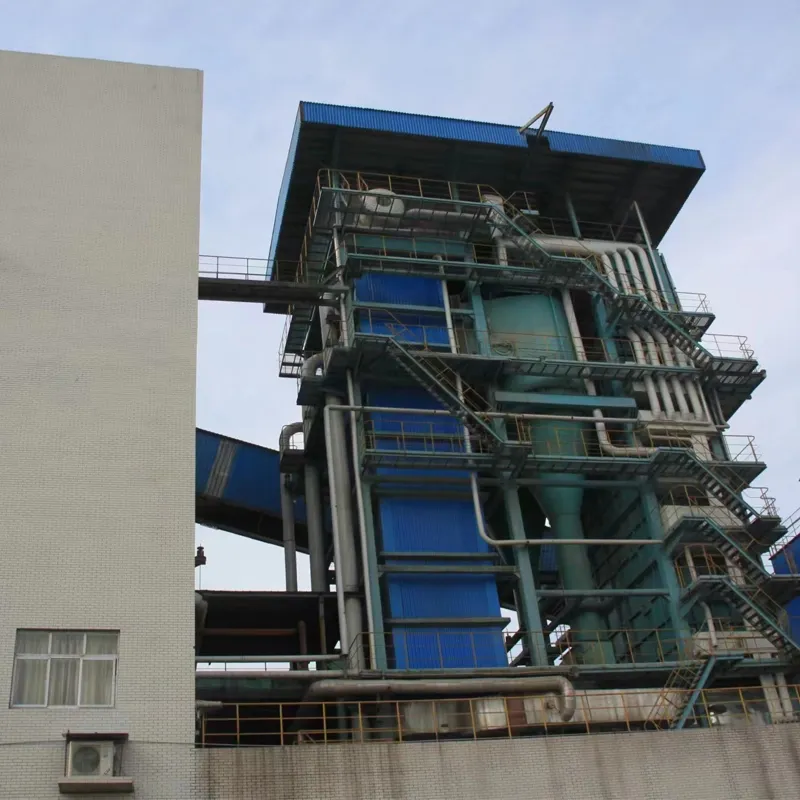
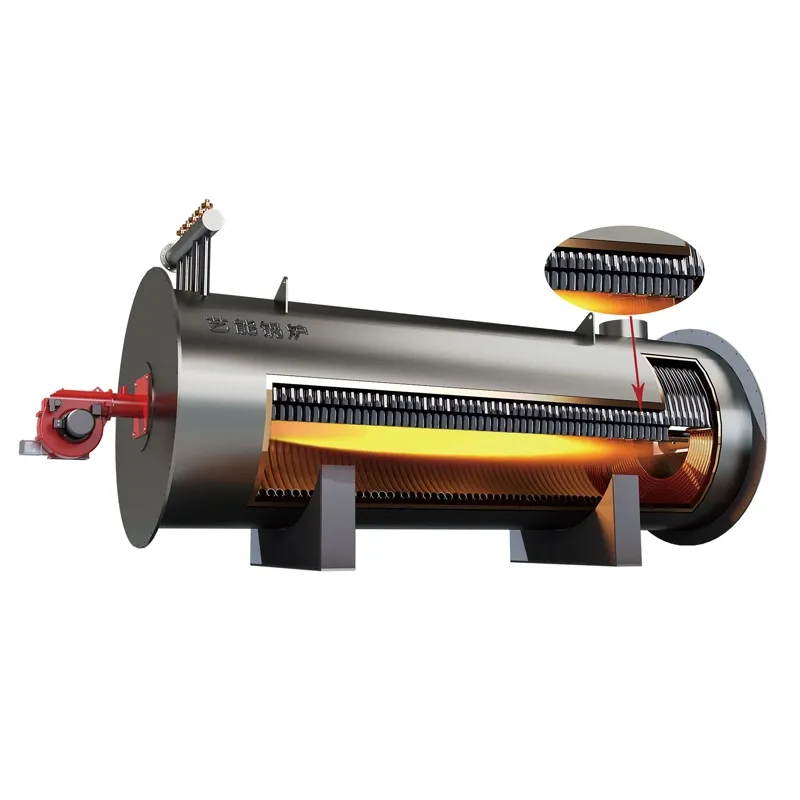
Achieving optimal feed conversion ratios begins with the boiler room. The technical specifications of a steam generator must align perfectly with the conditioning temperatures required for different feed types, from poultry to aquaculture feeds. At Hebei Yineng, we adhere to strict manufacturing protocols to ensure our WNS (gas/oil) and SZL (biomass/coal) series boilers meet the rigorous demands of the agriculture sector.
Our commitment to "high efficiency energy saving" is not merely a slogan but a quantifiable engineering metric. By utilizing advanced heat transfer technologies and waste heat recovery systems, we help feed mills minimize fuel consumption per ton of feed produced. Below is a breakdown of how our specific engineering standards translate into tangible advantages for feed mill operations.
| Performance Metric | Industry Significance | Our Engineering Standard | Advantage |
|---|---|---|---|
| Thermal Efficiency | Determines fuel cost per ton of feed. | Integration of Economizers & Condensers (WNS/SZS Series) | Significantly reduced fuel consumption and lower operational costs. |
| Load Response | Critical for maintaining conditioning temperature during start-stop cycles. | Large water volume design & Intelligent Control Systems | Stable steam pressure prevents "wet feed" and ensures uniform gelatinization. |
| Installation Velocity | Minimizes downtime during facility upgrades or expansion. | Skid-Mounted, Modular Assembly | Rapid deployment reduces on-site welding and installation time by up to 40%. |
| Manufacturing Quality | Ensures safety and longevity under high-pressure operations. | Class A Boiler Manufacturing License & 100% NDT Testing | Extended equipment lifespan exceeding 20 years with minimal maintenance downtime. |
Investing in thermal infrastructure is a capital-intensive decision where the Total Cost of Ownership (TCO) far outweighs the initial purchase price. For feed mill owners, the real value lies in long-term energy savings and uninterrupted production capability. By deploying a Hebei Yineng boiler, utilizing our proprietary energy-saving technologies, facilities can reclaim a significant portion of their operating budget that would otherwise be lost to thermal inefficiency.
Our dedicated focus on "reducing energy consumption," supported by 150 million yuan in fixed assets and advanced R&D, allows us to provide customized solutions that fit specific fuel availability and emission regulations. Whether retrofitting a waste heat recovery boiler to an existing line or installing a new SZS double drum system, the financial impact is measurable. The chart below illustrates the projected cumulative cost savings over a five-year period when upgrading to a high-efficiency Yineng system compared to standard industrial boilers.
Related products
Top Selling Products