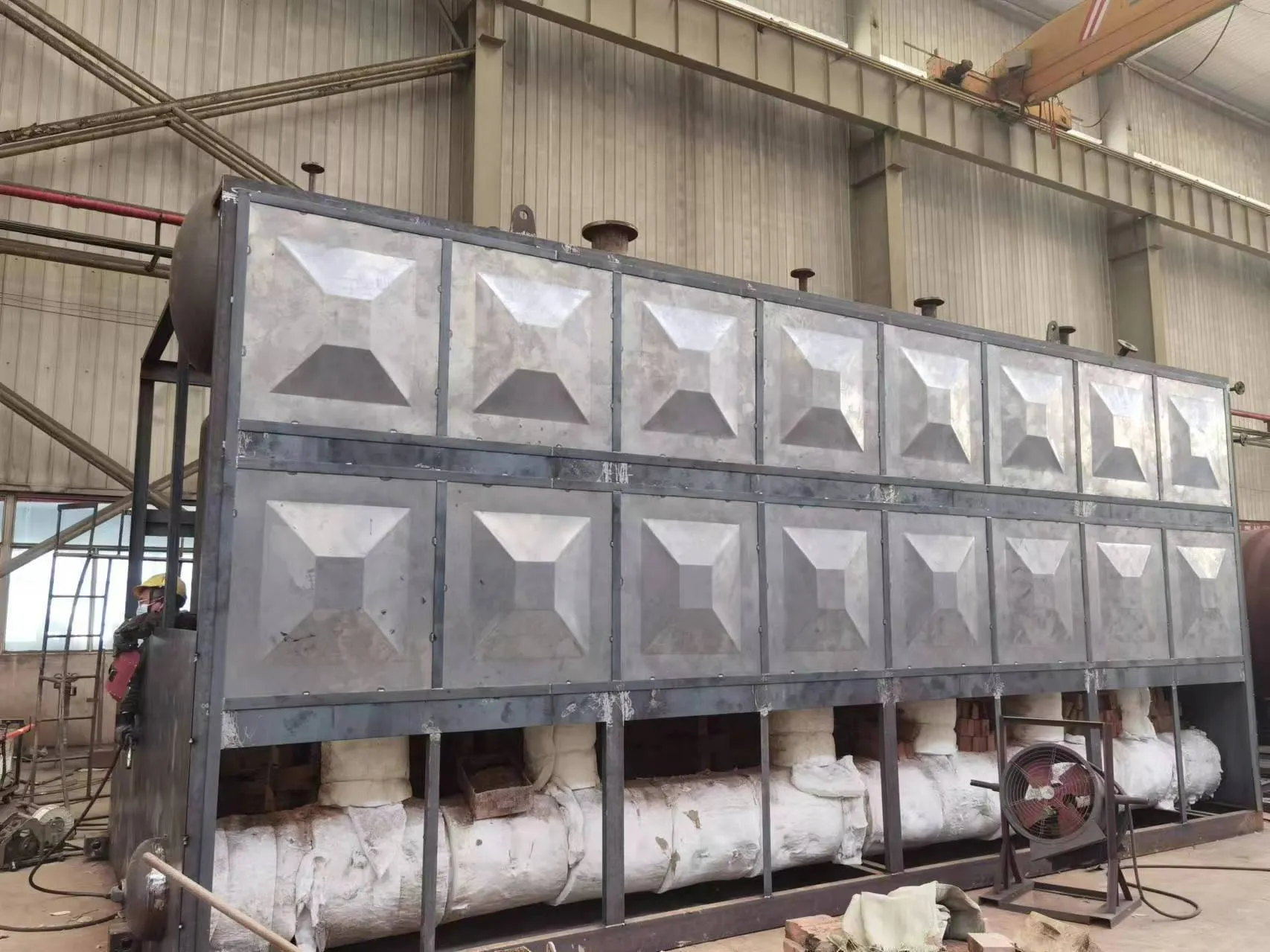
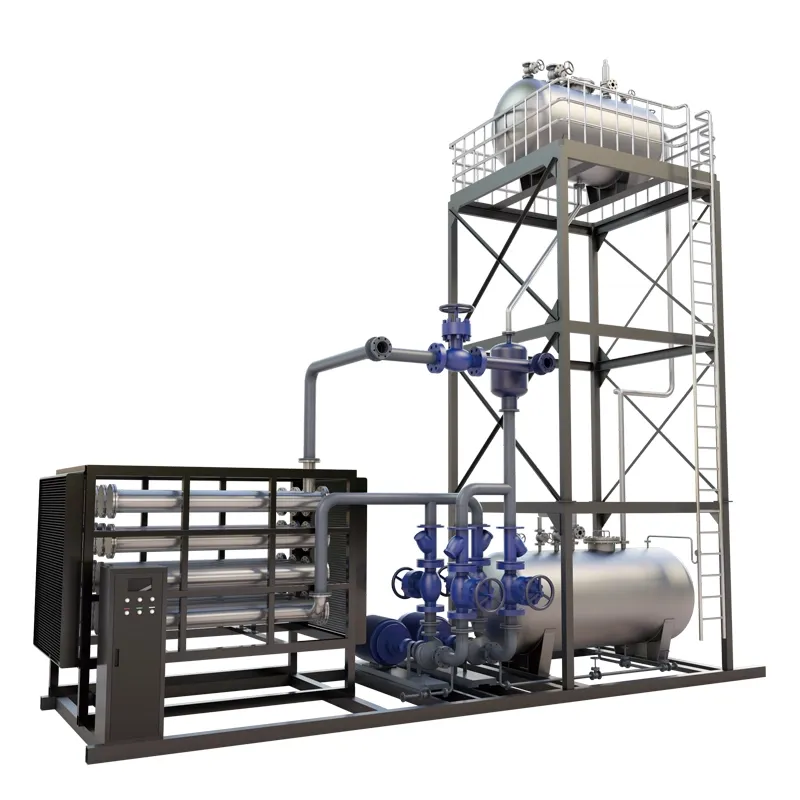
In the textile and apparel industry, the quality of the final finish relies heavily on the consistency and dryness of the steam supplied to the ironing lines. Fabric texture, color retention, and pressing sharpness are often compromised by fluctuating pressure or wet steam, leading to costly re-works and production delays. For facility managers, the challenge lies not only in securing a reliable heat source but also in integrating equipment that fits within limited spatial constraints while minimizing fuel consumption.
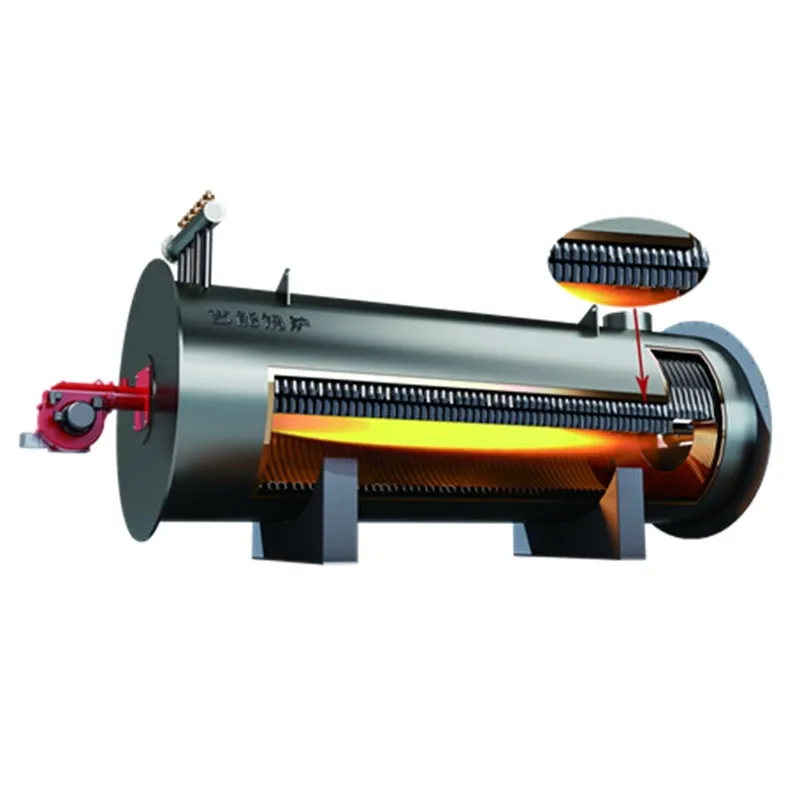
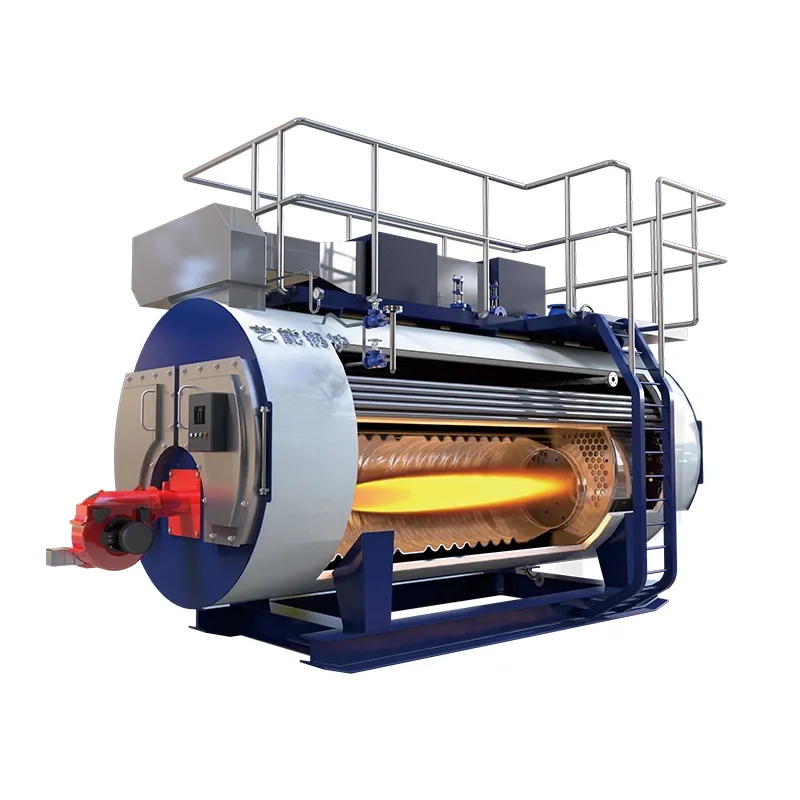
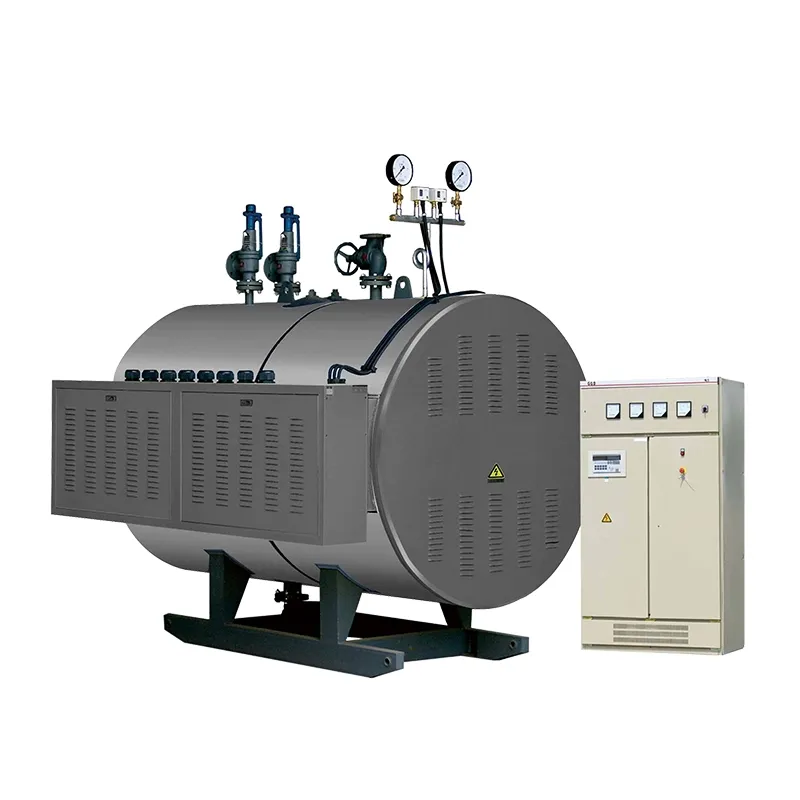
Addressing these specific operational pain points, Hebei Yineng Boiler Co., Ltd. leverages over 40 years of engineering experience (established in 1983) to deliver specialized heating solutions. As a professional Class A level boiler manufacturer, we understand that a steam boiler for garment factory use must be responsive to rapid load changes during peak ironing shifts. Our WNS series (gas/diesel) and WDR series (electric) are engineered to support multiple garment steam iron stations simultaneously, ensuring stable pressure delivery without the moisture carryover that damages delicate fabrics.
Furthermore, we recognize the logistical challenges faced by modern factories. By offering skid-mounted designs, we significantly reduce installation time and complexity, allowing for quicker integration into your existing production floor. With an average annual sales volume of 1,560 units, our technology is a trusted backbone for textile manufacturers globally.
When selecting a steam generator for textile applications, technical precision is non-negotiable. The boiler serves as the heart of the finishing department, directly powering every garment steam iron. A mismatch in capacity or thermal efficiency can result in energy wastage and "water spitting" at the iron soleplate.
Our manufacturing facility, covering 80,000 square meters and staffed by over 120 engineering personnel, adheres to strict quality protocols. We prioritize high thermal efficiency and intelligent automation to ensure that the steam produced is dry, saturated, and economically generated. Below is a breakdown of how our technical standards optimize performance for garment manufacturing environments.
| Performance Metric | Industry Significance | Our Engineering Standard | Advantage |
|---|---|---|---|
| Steam Dryness Fraction | Prevents water spots on fabrics during ironing. | Near 99% Dry Saturated Steam (WNS/WDR Series) | Ensures premium finish quality and protects garment steam iron components from scale/corrosion. |
| Thermal Efficiency | Determines fuel costs per garment finished. | High-efficiency design with waste heat recovery options. | Reduces fuel consumption significantly, lowering the operational cost per unit of clothing. |
| Load Response Time | Adapts to varying numbers of active irons. | Rapid startup and automatic load adjustment. | Maintains stable pressure even when multiple ironing stations are turned on/off simultaneously. |
| Installation footprint | Critical for crowded factory floors. | Skid-mounted, compact architecture (LSS/WNS). | Simplifies piping connection and minimizes civil engineering work required for installation. |
Investing in industrial heating infrastructure is a strategic decision that impacts the long-term profitability of a textile plant. While initial capital expenditure is a factor, the total cost of ownership—driven by fuel efficiency and maintenance requirements—is the true measure of value. Utilizing an outdated or inefficient steam boiler for garment factory applications can silently drain profits through excessive fuel usage and frequent downtime for repairs.
Hebei Yineng Boiler positions itself not just as a vendor, but as a partner in your factory's efficiency. With fixed assets of 150 million yuan and a global footprint extending to markets like Indonesia, we bring the stability and innovation required for long-term operations. Our energy-saving technologies, particularly in our WNS and SZS series, are designed to recapture heat that would otherwise be lost, directly translating to lower utility bills. The chart below illustrates the projected cumulative cost savings of utilizing a high-efficiency Yineng system compared to standard industry baselines over a five-year period.
Related products
Top Selling Products