
Comprehensive Guide to Industrial Water Boiler Systems and Applications
Industrial Water Boiler: A Comprehensive Guide
An industrial water boiler is a crucial component in many manufacturing, processing, and power generation facilities. These boilers generate steam or hot water used for a variety of applications, from heating and sterilization to powering turbines. Selecting the right boiler is vital for operational efficiency, safety, and cost-effectiveness. This article will provide a detailed overview of industrial water boilers, covering their types, applications, key considerations for choosing one, and the benefits of investing in a high-quality system. Understanding the nuances of these systems can empower businesses to make informed decisions that optimize their operations and achieve their goals.
Types of Industrial Water Boilers
Industrial water boilers come in several different types, each suited to specific applications and fuel sources. Fire-tube boilers are a common choice, known for their simplicity and lower initial cost. They circulate hot gases through tubes surrounded by water. Water-tube boilers, on the other hand, circulate water through tubes heated by combustion gases, offering higher pressure and steam capacity. Electric boilers provide clean and efficient heating, ideal for applications where electricity is readily available and emissions need to be minimized. Condensing boilers recover heat from exhaust gases, boosting efficiency. Choosing the right type requires careful consideration of your facility’s energy needs, fuel availability, and environmental regulations. Yineng Boilers provides a wide range of solutions to meet these diverse needs.
Key Takeaway: Understanding the different boiler types – fire-tube, water-tube, electric, and condensing – is the first step in selecting the optimal system for your industrial application.
Applications of Industrial Water Boilers
The applications of industrial water boilers are widespread across numerous sectors. In the power generation industry, boilers are used to produce steam to drive turbines and generate electricity. Manufacturing plants rely on boilers for process heating, powering equipment, and providing steam for various manufacturing processes. The food and beverage industry utilizes boilers for sterilization, cleaning, and heating. Healthcare facilities depend on boilers for sterilization, heating, and maintaining sanitary conditions. District heating systems distribute steam or hot water to multiple buildings for space heating and hot water supply. Furthermore, boilers play a vital role in chemical processing, textile manufacturing, and pulp and paper industries.
Diverse Applications:
• Power Generation
• Manufacturing Processes
• Food & Beverage Industry
• Healthcare Sterilization
Industrial Water Boiler Comparison: Key Features & Specifications
Selecting the correct industrial water boiler requires a thorough understanding of the different features and specifications. Here’s a comparative overview to help you evaluate your options:
Key Considerations When Choosing an Industrial Water Boiler
Several critical factors should influence your decision when selecting an industrial water boiler. Capacity is paramount – ensure the boiler can meet your peak demand. Fuel availability and cost are significant economic considerations. Efficiency directly impacts operating expenses. Environmental regulations may dictate fuel type or emission control technologies. Maintenance requirements and the availability of skilled technicians are also important. Furthermore, consider the boiler's footprint, installation costs, and the manufacturer’s reputation for reliability and support. Yineng Boilers offers expert guidance to help you navigate these considerations.
Benefits of Investing in a High-Quality Industrial Water Boiler
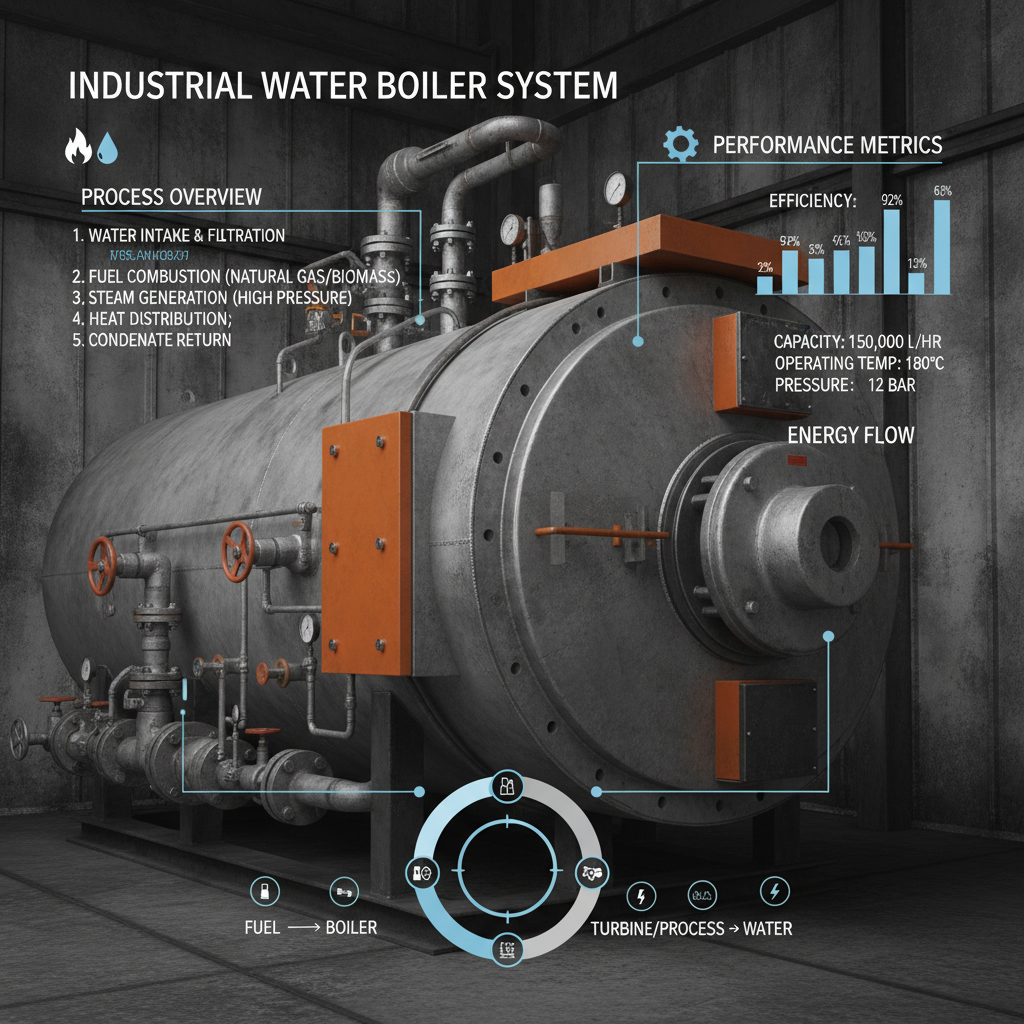
Investing in a high-quality industrial water boiler delivers numerous benefits. Increased energy efficiency reduces operating costs. Higher reliability minimizes downtime and production disruptions. Reduced emissions promote environmental sustainability. Improved safety protects personnel and facilities. Longer lifespan lowers long-term total cost of ownership. And, access to excellent technical support ensures optimal performance and problem resolution. A well-chosen boiler is a strategic asset that contributes to your company’s profitability and operational excellence.
Conclusion: Maximizing Efficiency and Reliability with the Right Boiler
Selecting the optimal industrial water boiler is a significant investment that directly impacts your organization’s performance and bottom line. By carefully considering your application, fuel options, and long-term goals, and by partnering with a reputable manufacturer like Yineng Boilers, you can ensure a safe, efficient, and reliable steam or hot water supply for years to come.
Frequently Asked Questions (FAQs)
What maintenance is required for an industrial water boiler?
Regular maintenance is crucial for ensuring the longevity and efficiency of your industrial water boiler. This includes daily checks for leaks and unusual noises, monthly inspections of the burner and combustion system, and annual professional servicing by a qualified technician. Key maintenance tasks involve cleaning the heat transfer surfaces, checking the water treatment system, and inspecting safety devices. Proper maintenance not only prevents breakdowns but also optimizes fuel consumption and reduces emissions. Neglecting maintenance can lead to costly repairs and premature boiler failure.
What is the importance of water treatment in a boiler system?
Water treatment is absolutely vital for the reliable operation of an industrial water boiler. Improper water chemistry can lead to scale buildup on heat transfer surfaces, reducing efficiency and potentially causing overheating. Corrosion can also occur, weakening boiler components and leading to leaks. A properly designed water treatment program removes impurities, controls pH levels, and adds corrosion inhibitors to protect the boiler system. This extends the boiler's lifespan, minimizes maintenance costs, and ensures consistent performance.
How long does it typically take to install a new industrial water boiler?
The installation time for a new industrial water boiler varies depending on the boiler's size, complexity, and existing infrastructure. A typical installation can range from a few days to several weeks. Key factors influencing the timeline include site preparation, boiler delivery, mechanical connections (piping, electrical), and commissioning. A thorough pre-installation assessment and careful planning are essential for minimizing disruption and ensuring a smooth and efficient installation process. Yineng Boilers offers comprehensive installation services to streamline this process.
What safety features are typically included in an industrial water boiler?
Industrial water boilers are equipped with several critical safety features to protect personnel and prevent accidents. These include pressure relief valves to prevent overpressure, low water cutoffs to shut down the boiler if water levels drop too low, flame scanners to detect flame failure, and automatic combustion controls to regulate fuel supply. Safety interlocks are also incorporated to prevent operation under unsafe conditions. Regular inspection and testing of these safety features are essential for ensuring their proper functioning.
-
Comprehensive Guide to Industrial Water Boiler Systems and ApplicationsNewsApr.04,2026
-
Comprehensive Guide to Skid Mounted Thermal Oil Boiler Systems and ApplicationsNewsMar.31,2026
-
Comprehensive Guide to Industrial Thermal Oil Heater Systems and ApplicationsNewsMar.28,2026
-
Understanding the Efficiency and Applications of a Thermo Oil HeaterNewsMar.26,2026
-
Understanding the Efficiency and Applications of a Thermo Oil Boiler SystemNewsMar.24,2026
-
Comprehensive Guide to Boiler Thermal Oil Systems and Industrial ApplicationsNewsMar.21,2026