

Comprehensive Guide to Skid Mounted Thermal Oil Boiler Systems and Applications
Skid Mounted Thermal Oil Boiler: A Comprehensive Guide
A skid mounted thermal oil boiler is a self-contained heating system widely used in various industrial applications requiring precise and efficient heat transfer. These boilers offer flexibility, ease of installation, and reliable performance. This article provides an in-depth look at thermal oil boilers, their benefits, applications, and key considerations when selecting a system. Understanding the nuances of these systems is vital for optimizing industrial processes and reducing operational costs. Yineng Boilers specializes in providing high-quality skid mounted thermal oil boilers tailored to diverse industrial needs.
What is a Skid Mounted Thermal Oil Boiler?
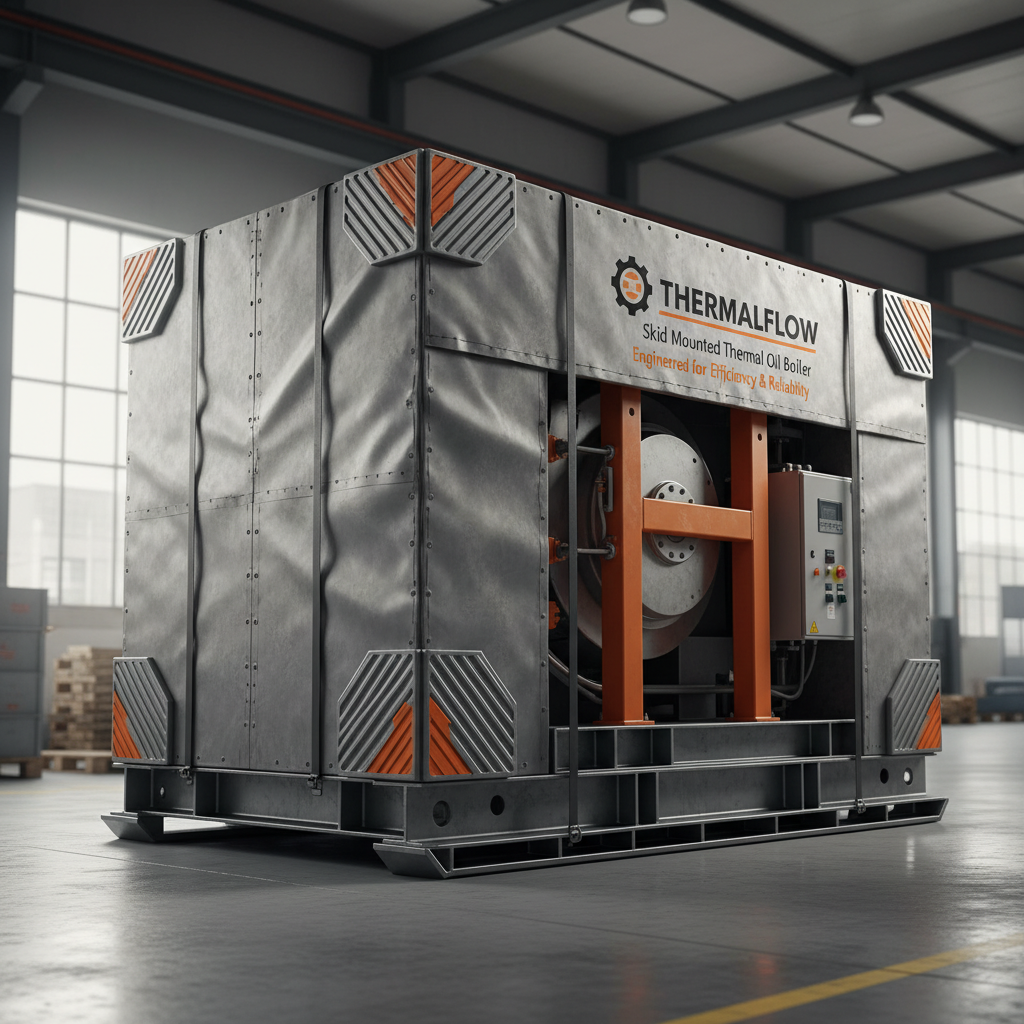
A skid mounted thermal oil boiler is a complete heating system assembled onto a steel skid, making it easily transportable and installable. It utilizes a thermal oil as the heat transfer medium, which is heated by a fuel source (typically natural gas, oil, or biomass) and then circulated through a closed-loop system to provide controlled heat to various industrial processes. The ‘skid mounted’ design incorporates all necessary components – the boiler itself, burner, pump, expansion tank, instrumentation, and control system – onto a single, robust frame. This minimizes on-site fabrication and installation time, reducing project costs and ensuring consistent performance. Yineng Boilers offers customized skid designs to fit specific space and operational constraints.
Key Highlights: Complete, self-contained system. Easy to transport and install. Precise temperature control. High efficiency and reliability.
Benefits of Using a Skid Mounted Thermal Oil Boiler
Thermal oil boilers offer several advantages over traditional steam or water-based systems. They operate at lower pressures, reducing safety risks and minimizing maintenance requirements. They provide precise temperature control, essential for applications like chemical processing, food production, and polymer manufacturing. The thermal oil’s excellent heat transfer characteristics ensure efficient energy utilization, lowering operating costs. Furthermore, the skid mounted design simplifies installation, reduces site work, and allows for rapid deployment. This combination of benefits makes them a compelling choice for businesses seeking reliable and cost-effective heating solutions. Choosing the right boiler from Yineng Boilers can be a significant investment in long-term operational efficiency.
Key Benefits:
• Lower operating pressures enhance safety.
• Precise temperature control for sensitive processes.
• High thermal efficiency minimizes energy waste.
• Skid mounted design for quick and easy installation.
Skid Mounted Thermal Oil Boiler vs. Other Heating Systems
When considering heating solutions, it's important to compare thermal oil boilers with alternatives like steam boilers and electric heaters. Steam boilers require higher operating pressures and more extensive maintenance, increasing safety concerns and downtime. Electric heaters, while clean, can be costly to operate, especially for high-heat applications. Thermal oil boilers strike a balance, offering high efficiency, precise temperature control, and reduced maintenance. Here’s a comparison table outlining the key differences:
Applications of Skid Mounted Thermal Oil Boilers
These boilers find wide application across various industries. Common uses include: chemical processing (reactor heating, distillation), food processing (sterilization, cooking), polymer manufacturing (extrusion, molding), pharmaceutical production (drying, synthesis), and textile processing (dyeing, finishing). The ability to maintain consistent and precise temperatures makes them ideal for processes where temperature control is critical. The compact skid mounted design also allows for easy integration into existing facilities. Yineng Boilers provides solutions for a broad range of applications.
Key Specifications & Considerations for Selection
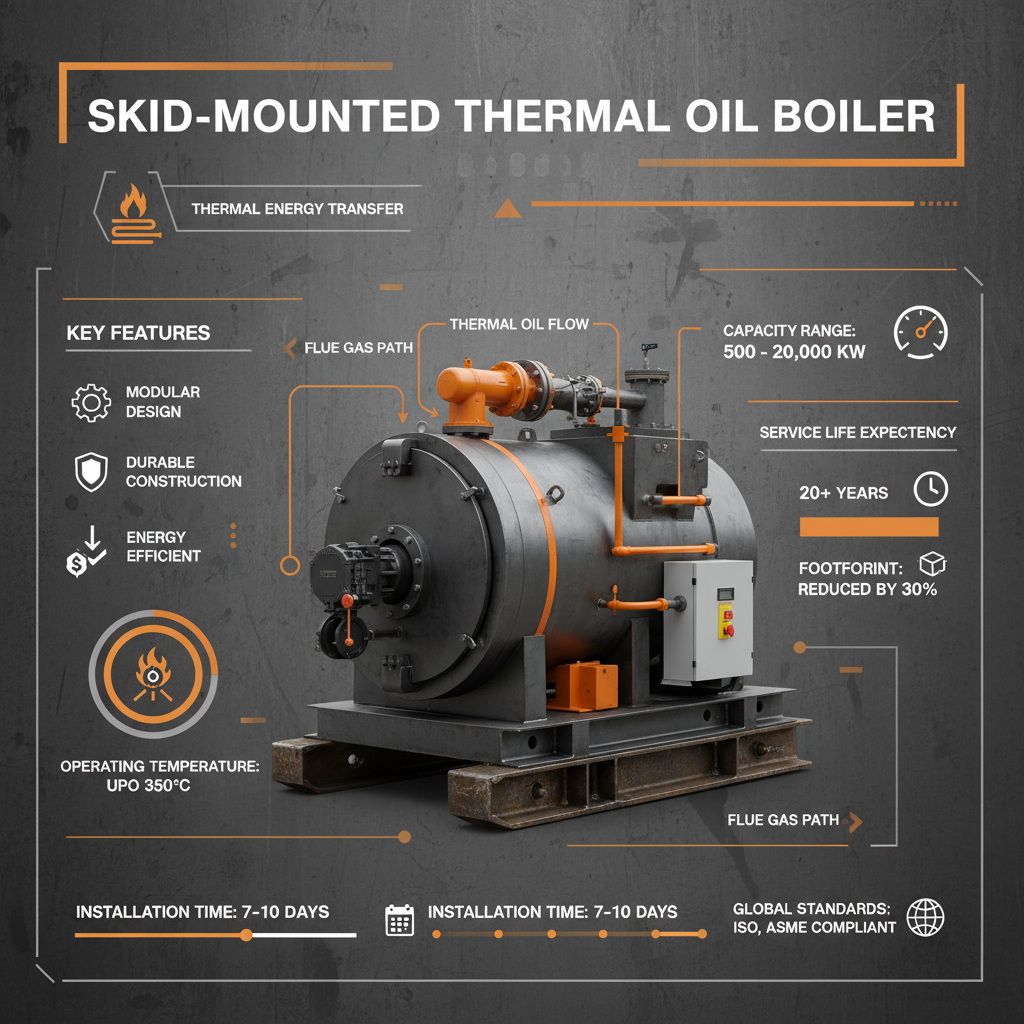
Selecting the right thermal oil boiler requires careful consideration of several factors, including heat output requirements, thermal oil type, fuel source, space constraints, and safety regulations. Yineng Boilers offers a range of models with varying capacities to meet specific needs. Here’s a typical specification table:
Conclusion: Choosing the Right Thermal Oil Boiler
Investing in a skid mounted thermal oil boiler from Yineng Boilers is a smart decision for businesses seeking efficient, reliable, and cost-effective heating solutions. By carefully considering your application requirements and partnering with a trusted supplier, you can optimize your processes and achieve significant operational benefits.
Frequently Asked Questions (FAQs)
What type of thermal oil is best suited for my application?
The choice between synthetic and mineral thermal oils depends on your operating temperature requirements and process conditions. Synthetic oils offer superior thermal stability and can withstand higher temperatures without degradation, making them ideal for demanding applications. Mineral oils are generally more cost-effective and suitable for lower-temperature processes. It's crucial to consult with a thermal oil specialist to determine the best option for your specific needs. Yineng Boilers can provide guidance on selecting the appropriate thermal oil.
How often does thermal oil need to be replaced?
Thermal oil degrades over time due to oxidation and thermal cracking. The frequency of replacement depends on the oil type, operating temperature, and system maintenance. Generally, synthetic oils have a longer lifespan than mineral oils. Regular oil analysis is recommended to monitor oil condition and determine when replacement is necessary. Typically, oil should be replaced every 3-5 years, but this can vary based on the analysis results.
What safety precautions should be taken when operating a thermal oil boiler?
Thermal oil operates at high temperatures and can pose a burn hazard. Proper personal protective equipment (PPE), such as gloves and safety glasses, should always be worn when working with the system. Regular inspections should be conducted to identify and address any leaks or potential hazards. Emergency shutdown procedures should be clearly defined and readily accessible. It’s also critical to follow the manufacturer's operating instructions and adhere to all relevant safety regulations.
What are the benefits of a skid-mounted design?
The skid-mounted design offers several advantages, including reduced installation time and cost, increased portability, and simplified maintenance. The pre-assembled system minimizes on-site fabrication and wiring, speeding up the commissioning process. The robust skid frame provides a stable and secure base for the boiler, facilitating easy transport and relocation. Furthermore, the compact design saves valuable floor space.
-
Comprehensive Guide to Skid Mounted Thermal Oil Boiler Systems and ApplicationsNewsMar.31,2026
-
Comprehensive Guide to Industrial Thermal Oil Heater Systems and ApplicationsNewsMar.28,2026
-
Understanding the Efficiency and Applications of a Thermo Oil HeaterNewsMar.26,2026
-
Understanding the Efficiency and Applications of a Thermo Oil Boiler SystemNewsMar.24,2026
-
Comprehensive Guide to Boiler Thermal Oil Systems and Industrial ApplicationsNewsMar.21,2026
-
Optimizing Industrial Processes with Advanced Organic Heating Transfer Material BoilersNewsMar.19,2026