
Optimizing Industrial Processes with Advanced Organic Heating Transfer Material Boilers
Optimizing Boiler Efficiency with Organic Heating Transfer Material
In the realm of industrial heating, maximizing efficiency and reliability is paramount. A crucial, often overlooked, element in achieving these goals is the choice of heating transfer material. Traditional methods often fall short, leading to inefficiencies and potential operational issues. Organic heating transfer materials offer a compelling alternative, particularly within boiler systems. This article will explore the benefits, applications, and considerations when implementing organic heating transfer materials in your boiler setup, focusing on how Yineng Boilers leverages this technology for superior performance.
Understanding Organic Heating Transfer Materials
Organic heating transfer materials are a class of synthetic fluids designed to efficiently transfer heat within closed-loop systems. Unlike water or steam, these materials operate at lower temperatures and pressures, offering significant safety advantages. They typically consist of glycol-based compounds, formulated to provide excellent thermal stability, low vapor pressure, and corrosion resistance. This makes them ideally suited for applications where precise temperature control and reliable operation are critical, such as in chemical processing, solar heating, and, importantly, modern boiler technology. Yineng Boilers specializes in integrating these materials to enhance boiler performance.
Key Benefits: Lower operating temperatures and pressures, enhanced safety, excellent thermal stability, corrosion resistance, and precise temperature control.
Organic Heating Transfer Material Boiler: Key Advantages
Employing an organic heating transfer material boiler offers several distinct advantages over traditional systems. Firstly, the lower operating temperatures reduce thermal stress on components, extending the boiler's lifespan and minimizing maintenance requirements. Secondly, the reduced pressure significantly enhances safety, lessening the risk of explosions or leaks. Furthermore, the improved heat transfer efficiency leads to lower fuel consumption and reduced operating costs. Finally, the precise temperature control allows for optimized process heating, crucial in industries requiring strict temperature regulation. Yineng Boilers prioritizes these benefits in its boiler designs.
Key Benefits Recap:
• Extended Boiler Lifespan
• Enhanced Operational Safety
• Reduced Fuel Consumption
• Optimized Process Heating
Organic vs. Water-Based Heating Systems: A Detailed Comparison
Choosing between organic and water-based heating systems is a critical decision. While water is inexpensive and readily available, it presents limitations in certain applications. Organic fluids excel where lower temperatures, higher safety, and corrosion resistance are required. Here's a comparative overview:
Applications of Organic Heating Transfer Materials in Boiler Systems
The versatility of organic heating transfer materials extends to a wide array of boiler applications. These include: Chemical processing plants, solar thermal systems, food processing facilities, pharmaceutical manufacturing, and district heating networks. Yineng Boilers offers customized solutions tailored to each industry’s specific heating needs, leveraging the unique properties of organic fluids to optimize performance and efficiency.
Selecting the Right Organic Heating Transfer Material and Boiler System
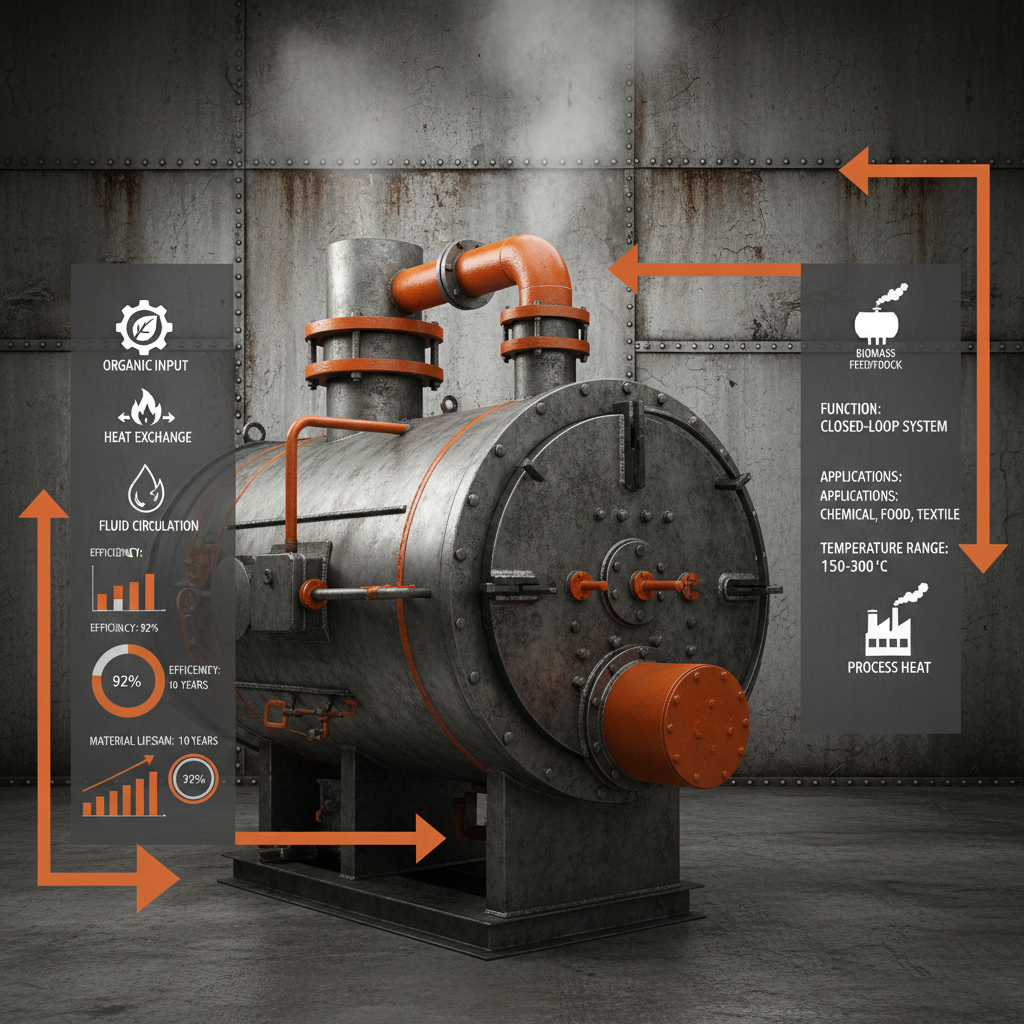
Choosing the appropriate organic fluid and boiler system requires careful consideration of several factors, including the operating temperature range, the compatibility with system materials, and the long-term stability of the fluid. Yineng Boilers provides expert guidance in selecting the optimal solution for your specific application, ensuring compatibility and maximizing performance. Proper maintenance, including regular fluid analysis and filter replacement, is crucial for maintaining the system's efficiency and longevity.
Conclusion: Embrace Efficiency with Organic Heating Transfer Materials
Investing in an organic heating transfer material boiler from Yineng Boilers represents a forward-thinking approach to industrial heating. The benefits – increased efficiency, enhanced safety, and reduced operational costs – translate to a significant return on investment. Contact us today to explore how we can tailor a solution to meet your specific needs and unlock the full potential of your heating system.
Frequently Asked Questions (FAQs)
What is the lifespan of organic heating transfer fluids?
The lifespan of organic heating transfer fluids varies depending on operating temperatures, system cleanliness, and fluid quality. Typically, these fluids require analysis and potential replenishment or complete replacement every 3-5 years. Factors like prolonged exposure to high temperatures, contamination from air or water, and degradation due to oxidation can shorten the lifespan. Regular monitoring, including pH, viscosity, and thermal stability tests, is vital to ensure optimal performance and prevent system corrosion. Yineng Boilers offers fluid analysis services to help you maintain your system effectively.
Are organic heating transfer materials environmentally friendly?
Many modern organic heating transfer fluids are designed with environmental considerations in mind. While not entirely benign, they generally have lower toxicity and VOC emissions compared to some older fluid types. They are also often biodegradable to a certain extent. Furthermore, the increased efficiency of systems using these fluids leads to reduced fuel consumption and lower greenhouse gas emissions overall. Yineng Boilers prioritizes offering environmentally responsible heating solutions.
What maintenance is required for a boiler system using organic fluids?
Regular maintenance is crucial for ensuring the long-term reliability of a boiler system using organic heating transfer materials. This includes periodic fluid analysis to monitor for degradation or contamination, filter replacement to remove particulates, and inspection of system components for leaks or corrosion. Annual system flushes may also be necessary to remove accumulated sludge or deposits. Yineng Boilers provides comprehensive maintenance programs to keep your system operating at peak performance.
Can organic heating transfer materials be used with existing boiler systems?
In some cases, yes. However, a thorough assessment of the existing system is essential to ensure compatibility. Factors such as material compatibility, pump capacity, and expansion tank size need to be evaluated. Often, modifications to the system may be required to optimize performance with organic fluids. Yineng Boilers offers system evaluation and retrofit services to facilitate a smooth transition to organic heating transfer technology.
-
Understanding the Efficiency and Applications of a Thermo Oil Boiler SystemNewsMar.24,2026
-
Comprehensive Guide to Boiler Thermal Oil Systems and Industrial ApplicationsNewsMar.21,2026
-
Optimizing Industrial Processes with Advanced Organic Heating Transfer Material BoilersNewsMar.19,2026
-
Comprehensive Guide to Hot Conduction Oil Boilers for Industrial Heating SolutionsNewsMar.17,2026
-
Choosing the Right Industrial Oil Heater for Efficient Space HeatingNewsMar.14,2026
-
Yineng Boilers A Leading Thermal Oil Boiler Supplier For Industrial NeedsNewsMar.12,2026