

Understanding the Efficiency and Applications of a Thermo Oil Boiler System
Understanding Thermo Oil Boilers: A Comprehensive Guide
Thermo oil boilers, also known as thermal fluid heaters, are specialized heating systems used in various industrial applications. They provide efficient and precise temperature control for processes requiring consistent heat transfer. Unlike traditional steam boilers, they utilize a thermal oil as the heat transfer medium, offering distinct advantages in terms of safety, efficiency, and operational flexibility. This article will explore the principles, benefits, applications, and key considerations when choosing a thermo oil boiler, offering valuable insights for engineers, plant managers, and anyone involved in industrial heating processes. Understanding these systems is crucial for optimizing operational efficiency and ensuring process reliability.
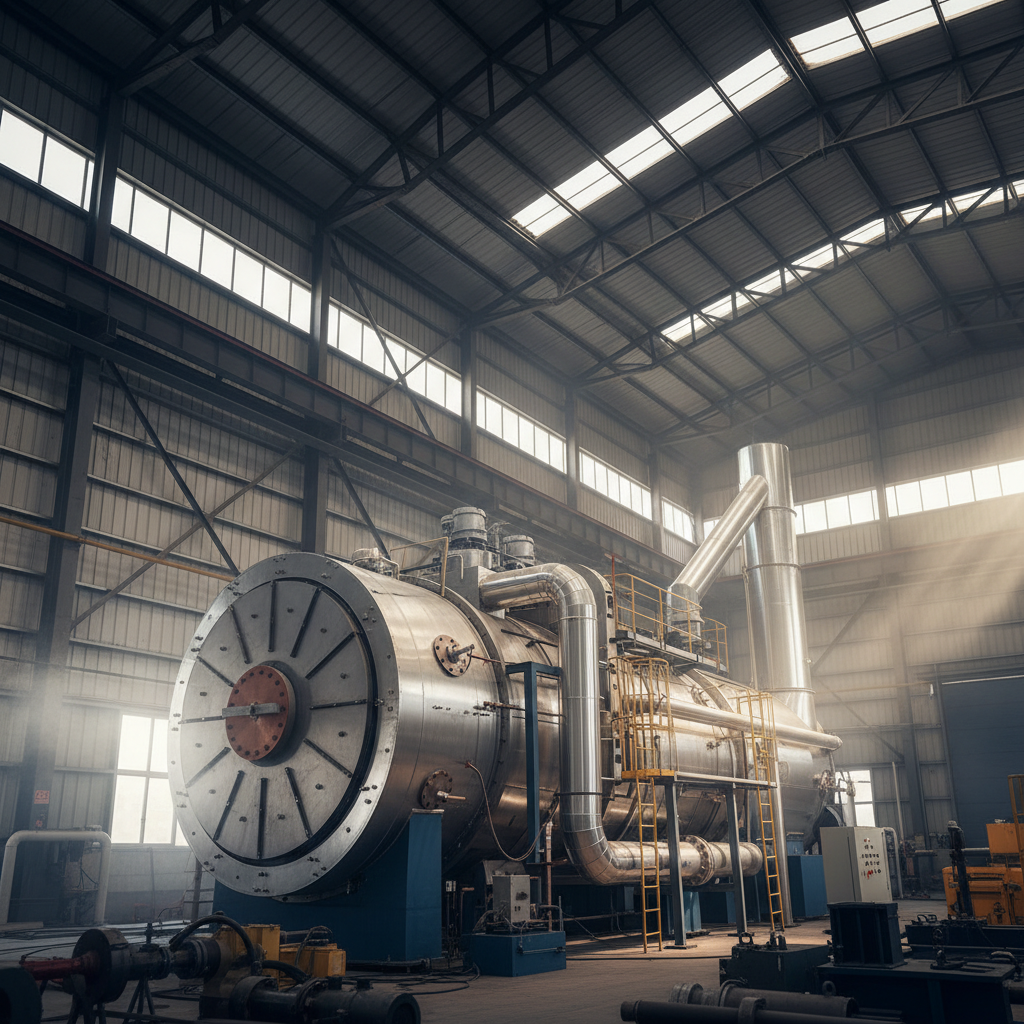
How Thermo Oil Boilers Work
At the core of a thermo oil boiler lies a heat transfer fluid – a specialized oil designed to operate at high temperatures without significant decomposition. This oil is circulated through a closed-loop system, absorbing heat from a fuel source (typically gas, oil, or electricity). A pump drives the hot oil through a network of pipes to the application requiring heat, such as a reactor, heat exchanger, or process equipment. After releasing its heat, the cooled oil returns to the boiler to be reheated, completing the cycle. The absence of steam generation eliminates the risks associated with steam pressure and significantly reduces energy losses inherent in steam systems.
Key Benefits: Precise temperature control, high thermal efficiency, safe operation, minimal maintenance, and versatile application.
Key Applications of Thermo Oil Boilers
Thermo oil boilers find application across a wide spectrum of industries. The chemical industry utilizes them for reactor heating, distillation processes, and maintaining precise temperatures in sensitive reactions. The food processing industry leverages their consistent heat for cooking, sterilization, and evaporation. Furthermore, they are indispensable in the plastics industry for mold heating, extrusion, and compounding. Other common applications include asphalt heating, textile processing, and district heating systems. The ability to provide stable and reliable heat makes them a preferred choice for processes demanding accuracy and efficiency.
Common Industries:
• Chemical Processing
• Food and Beverage
• Plastics Manufacturing
• Asphalt Heating
Thermo Oil Boiler vs. Steam Boiler: A Comparative Analysis
Choosing between a thermo oil boiler and a steam boiler depends on the specific application requirements. Steam boilers generate steam as the heat transfer medium, while thermo oil boilers utilize thermal oil. Steam systems involve higher operational pressures and potential water treatment costs. Thermo oil systems offer more precise temperature control, minimal maintenance, and eliminate the risk of steam-related incidents. However, thermal oil requires periodic analysis and replacement to maintain its properties. The initial investment for thermo oil boilers can be higher, but the long-term operational savings often offset this cost.
Selecting the Right Thermo Oil Boiler
When choosing a thermo oil boiler, consider factors such as heat capacity, operating temperature, flow rate, and fuel source. Proper sizing is crucial to ensure efficient operation and avoid performance issues. Consult with experienced boiler manufacturers, like Yineng Boilers, to determine the optimal boiler configuration for your specific needs. Additionally, prioritize boilers with robust safety features, efficient burners, and reliable control systems. Regular maintenance and oil analysis are essential for prolonging the lifespan and optimizing the performance of your thermo oil system.
Technical Specifications and Key Considerations
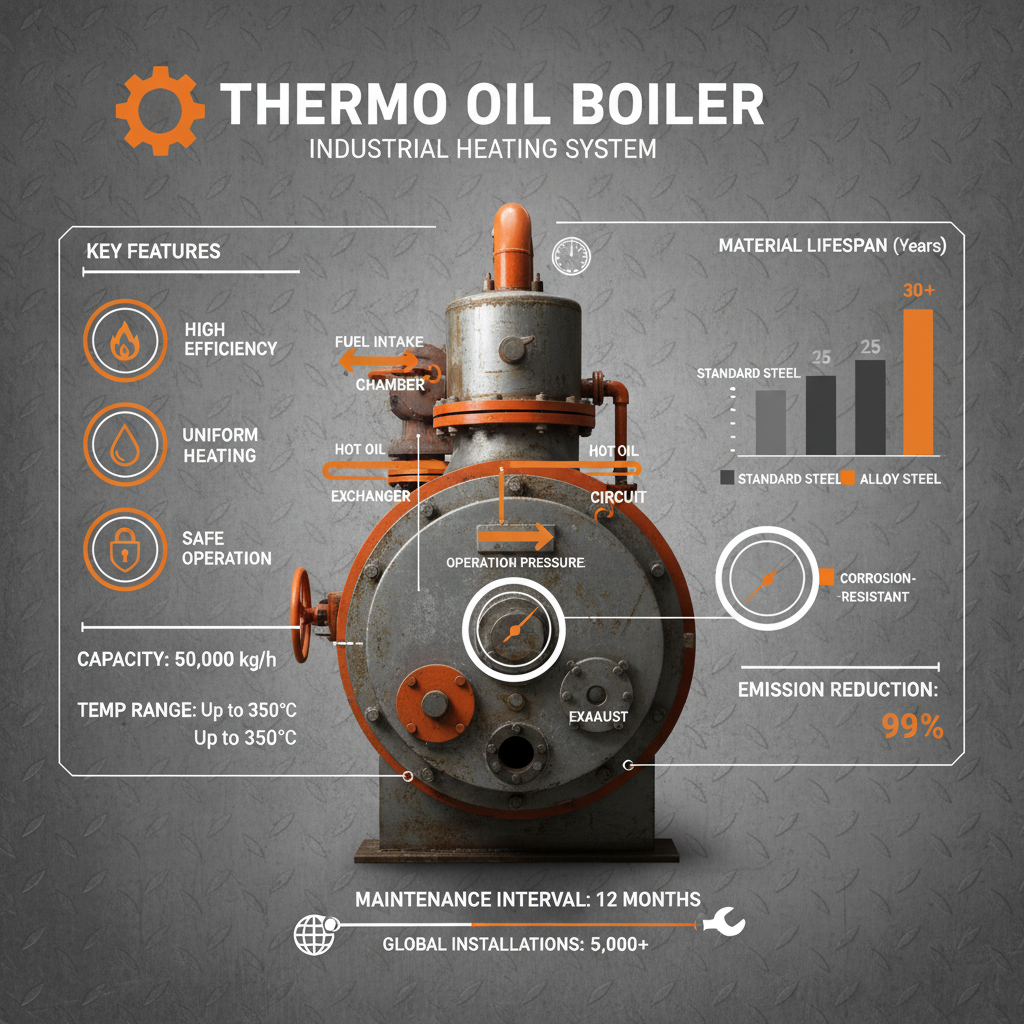
Thermo oil boilers are categorized based on their heat output, typically measured in BTU/hr or kW. Operating temperatures range from 150°C to 350°C, depending on the thermal oil used. Fuel options include natural gas, propane, oil, and electricity. Key considerations include the oil’s thermal stability, viscosity, and flash point. Regular oil analysis is vital for monitoring degradation and ensuring optimal performance. Proper insulation is also crucial for minimizing heat loss and improving overall efficiency.
Conclusion: Optimizing Industrial Heating with Thermo Oil
Thermo oil boilers offer a compelling solution for industrial heating needs, providing precision, efficiency, and safety. Selecting the right boiler and implementing a proactive maintenance program are crucial for maximizing performance and minimizing downtime. For reliable and customized solutions, explore the offerings from leading manufacturers like Yineng Boilers.
Frequently Asked Questions (FAQs)
What type of thermal oil is best for my application?
The best thermal oil depends on your specific operating temperature requirements and the process involved. Synthetic oils generally offer higher thermal stability and longer lifespan at higher temperatures. Mineral oils are typically more cost-effective for lower-temperature applications. Consider factors like viscosity, flash point, and thermal expansion when selecting an oil. It's crucial to choose an oil specifically designed for use in thermo oil boilers and to follow the manufacturer's recommendations for oil type and maintenance. Consult with Yineng Boilers for guidance on selecting the appropriate thermal oil for your needs.
How often should I analyze the thermal oil?
Regular thermal oil analysis is crucial for monitoring its condition and preventing premature degradation. A typical schedule involves analysis every 6-12 months, or more frequently for high-temperature applications. Analysis checks for properties like viscosity, acidity, oxidation, and contamination. Identifying changes early allows for timely oil replacement or treatment, maximizing system performance and preventing costly repairs.
What safety features should I look for in a thermo oil boiler?
Essential safety features include high-temperature cut-offs, low-level alarms, pressure relief valves, and leak detection systems. A properly designed burner management system is also critical for safe and reliable operation. Ensure the boiler complies with relevant safety standards and regulations. Regular inspections and maintenance by qualified personnel are vital for maintaining the integrity of safety features.
What are the benefits of using a modulating burner in a thermo oil boiler?
A modulating burner automatically adjusts its firing rate to match the heat demand, optimizing efficiency and reducing fuel consumption. This eliminates the on-off cycling associated with traditional burners, resulting in more stable temperatures and lower emissions. Modulating burners also contribute to a longer boiler lifespan by reducing thermal stress on components.
-
Understanding the Efficiency and Applications of a Thermo Oil Boiler SystemNewsMar.24,2026
-
Comprehensive Guide to Boiler Thermal Oil Systems and Industrial ApplicationsNewsMar.21,2026
-
Optimizing Industrial Processes with Advanced Organic Heating Transfer Material BoilersNewsMar.19,2026
-
Comprehensive Guide to Hot Conduction Oil Boilers for Industrial Heating SolutionsNewsMar.17,2026
-
Choosing the Right Industrial Oil Heater for Efficient Space HeatingNewsMar.14,2026
-
Yineng Boilers A Leading Thermal Oil Boiler Supplier For Industrial NeedsNewsMar.12,2026