BOILER EXPERT
Since 1983, more than 40 years boiler experience

High-Efficiency Thermal Oil Boiler Solutions for Nigeria's Industrial Growth

Engineered for durability and maximum heat transfer to power Nigeria's expanding manufacturing and energy sectors.

High-Efficiency Thermal Oil Boiler Solutions for Nigeria's Industrial Growth

Providing advanced thermal energy systems tailored to the unique climatic and operational demands of the Nigerian industrial landscape, ensuring stable production and energy efficiency.

Industrial Heating Landscape in Nigeria

Analyzing the current state of thermal energy application across West Africa's largest economy.

The industrial sector in Nigeria currently faces a dual challenge: fluctuating energy costs and the need for rapid scaling in food processing and petrochemicals. Many facilities still rely on outdated boiler units that suffer from low efficiency and high maintenance costs due to unstable power grids and water quality issues.

In regions like Lagos and Kano, the demand for consistent heat is surging. However, the prevalence of hard water in many Nigerian districts often leads to scale buildup in a standard water boiler, necessitating more robust water treatment integration and high-grade alloy materials to prevent premature corrosion.

Consequently, there is a significant shift toward diversified heating mediums. Nigerian enterprises are increasingly adopting specialized systems to replace inefficient diesel burners, seeking solutions that can handle local biomass or natural gas to reduce operational expenditures while maintaining high output.
Evolution of Thermal Engineering in Nigeria

From basic combustion to intelligent, energy-integrated thermal systems.

Market Development History

From the 1980s to the early 2000s, the Nigerian market was dominated by simple fire-tube steam boiler installations, primarily used in textile mills and early breweries. These systems were manually operated and lacked precise temperature control, leading to significant energy waste.

Between 2010 and 2020, the introduction of automated control systems saw a transition toward higher pressure vessels. The rise of the oil and gas downstream sector pushed the adoption of high-capacity units capable of continuous 24/7 operation with integrated safety valves and automated feed-water systems.

Recently, the focus has shifted toward sustainability. The integration of waste heat boiler technology has emerged as a critical trend, allowing factories to recapture exhaust heat from generators or furnaces to preheat water, significantly cutting fuel consumption.

Future Development Trends

Hybrid Fuel Adaptation

Integrating LNG and biomass burners to hedge against volatile diesel prices in the Nigerian market.

IoT-Driven Remote Monitoring

Deployment of cloud-based sensors to monitor boiler health remotely, reducing downtime in remote industrial zones.

Emission Reduction Compliance

Transitioning toward low-NOx burners to meet emerging environmental regulations in Nigeria's urban industrial hubs.

Future Trends and Strategic Outlook

Predicting the trajectory of Nigeria's energy equipment sector over the next 5 years.

Energy Recovery Optimization
Increased implementation of heat exchangers to maximize the lifecycle of every BTU generated.
Digital Twin Integration
Using virtual models to predict maintenance cycles for boiler systems in Nigeria's harsh environments.
Modular Plant Design
Shift toward skid-mounted, prefabricated boilers for faster deployment in new industrial zones.
Low-Carbon Transition
Integration of solar-thermal preheating to reduce the carbon footprint of steam generation.

Industry Outlook

Based on Google search trends for "industrial energy efficiency" in Nigeria, there is a clear upward trajectory in demand for systems that offer lower total cost of ownership (TCO). The market is moving away from cheap, low-quality imports toward certified, E-E-A-T compliant engineering solutions.

We anticipate that within 3-5 years, the Nigerian market will see a standardized adoption of intelligent combustion controls, as the government pushes for more sustainable manufacturing practices to boost non-oil exports.

Local Application Scenarios in Nigeria

Tailored thermal solutions for the most demanding Nigerian industries.

01. Palm Oil Processing Plants

Using high-capacity steam generation for sterilization and extraction, optimized for biomass fuel sources common in rural Nigerian plantations.

02. Lagos-Based Pharmaceutical Hubs

Precision-controlled steam systems for autoclave sterilization and chemical synthesis, ensuring strict compliance with healthcare standards.

03. Petrochemical Refineries in Port Harcourt

Deployment of large-scale thermal oil systems for high-temperature heating without the risk of high-pressure steam leaks in volatile environments.

04. Food and Beverage Bottling Lines

Integrated water heating and steam cleaning systems to maintain hygiene standards in large-scale beverage production plants.

05. Textile Manufacturing in Kano

Efficient heat distribution using steam networks for dyeing and finishing processes, reducing fuel consumption per unit of fabric.

Brand Story

Global Development Journey of Hebei Yineng Boiler Co., Ltd.

Founding Excellence

Established with a mission to solve the core inefficiency of industrial heating, focusing on high-durability boiler designs.

Technical Innovation

Developed proprietary heat transfer technologies that reduced fuel consumption by 15% across diverse industrial applications.

Global Expansion

Extended engineering services to the African market, specializing in equipment that withstands extreme climates and varied water quality.

Quality Certification

Achieved international safety and efficiency certifications, ensuring every unit delivered meets rigorous global standards.

Future Commitment

Dedicated to powering Nigeria's industrialization through sustainable, low-emission thermal energy solutions.

Comprehensive Thermal Equipment Portfolio for Nigeria

A complete range of boilers engineered for the Nigerian industrial environment.

Industrial Boiler FAQs for Nigerian Clients

Expert answers to the most common technical queries in the West African region.

How to handle hard water issues in a Nigerian water boiler?

We recommend installing a dedicated water softening system and using automatic blow-down valves to prevent scale buildup and extend the boiler's lifespan.

Which is better for Nigeria's petrochemical plants: steam or thermal oil?

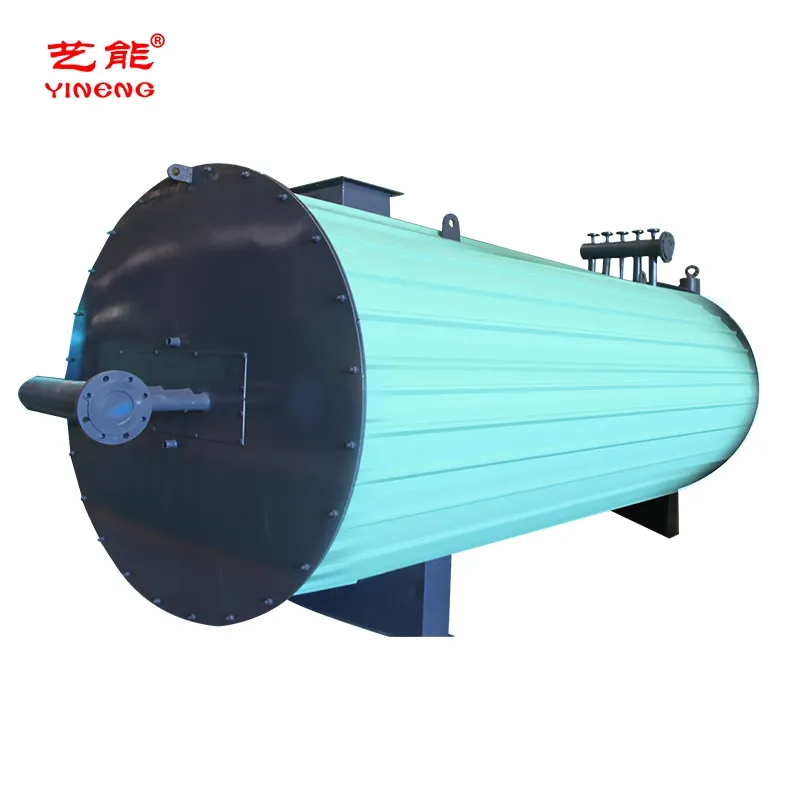
For high-temperature requirements without high pressure, a thermal oil boiler is safer and more efficient, reducing the risk of explosive decompression.

Can a waste heat boiler be integrated into existing diesel generator setups?

Yes, by installing a heat recovery unit in the exhaust stream, you can generate hot water or low-pressure steam for industrial use.

What is the average lifespan of a steam boiler in the Nigerian climate?

With proper water treatment and monthly maintenance, our industrial units are designed to operate efficiently for 15-20 years.

Do you provide remote technical support for installations in Nigeria?

Yes, we offer comprehensive remote diagnostics and video-guided commissioning to ensure your system is running optimally.

How to choose the right boiler capacity for a new factory in Lagos?

We analyze your peak hourly steam/heat demand and factor in a 20% growth margin to ensure the system can scale with your business.

Get Expert Thermal Consultation

Ready to optimize your industrial heating? Contact our engineering team for a customized solution tailored for Nigeria.

Contact Us Now

If you are interested in our products, you can choose to leave your information here, and we will be in touch with you shortly.