BOILER EXPERT
Since 1983, more than 40 years boiler experience

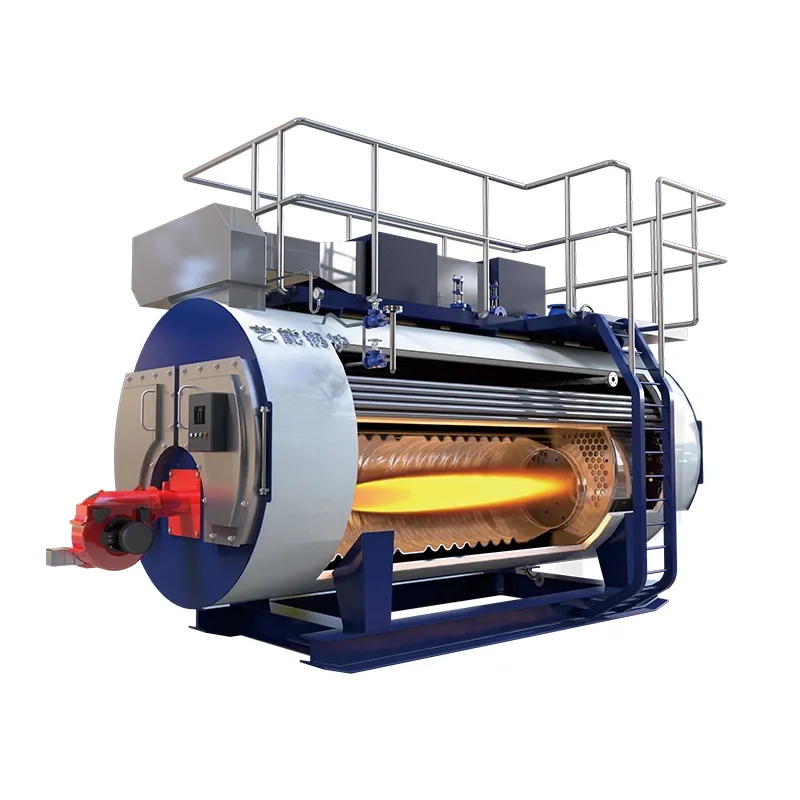
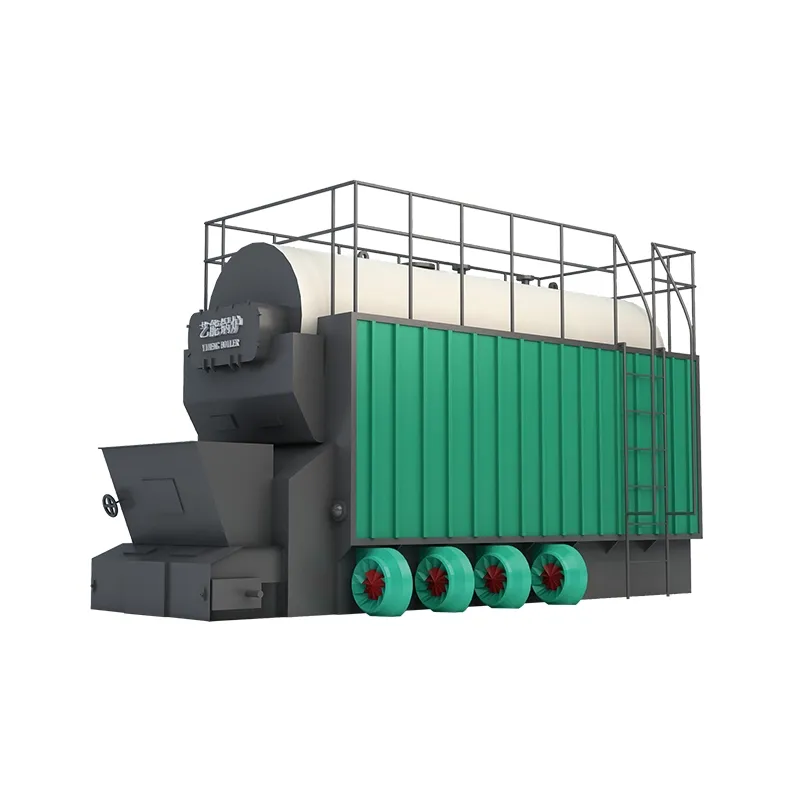
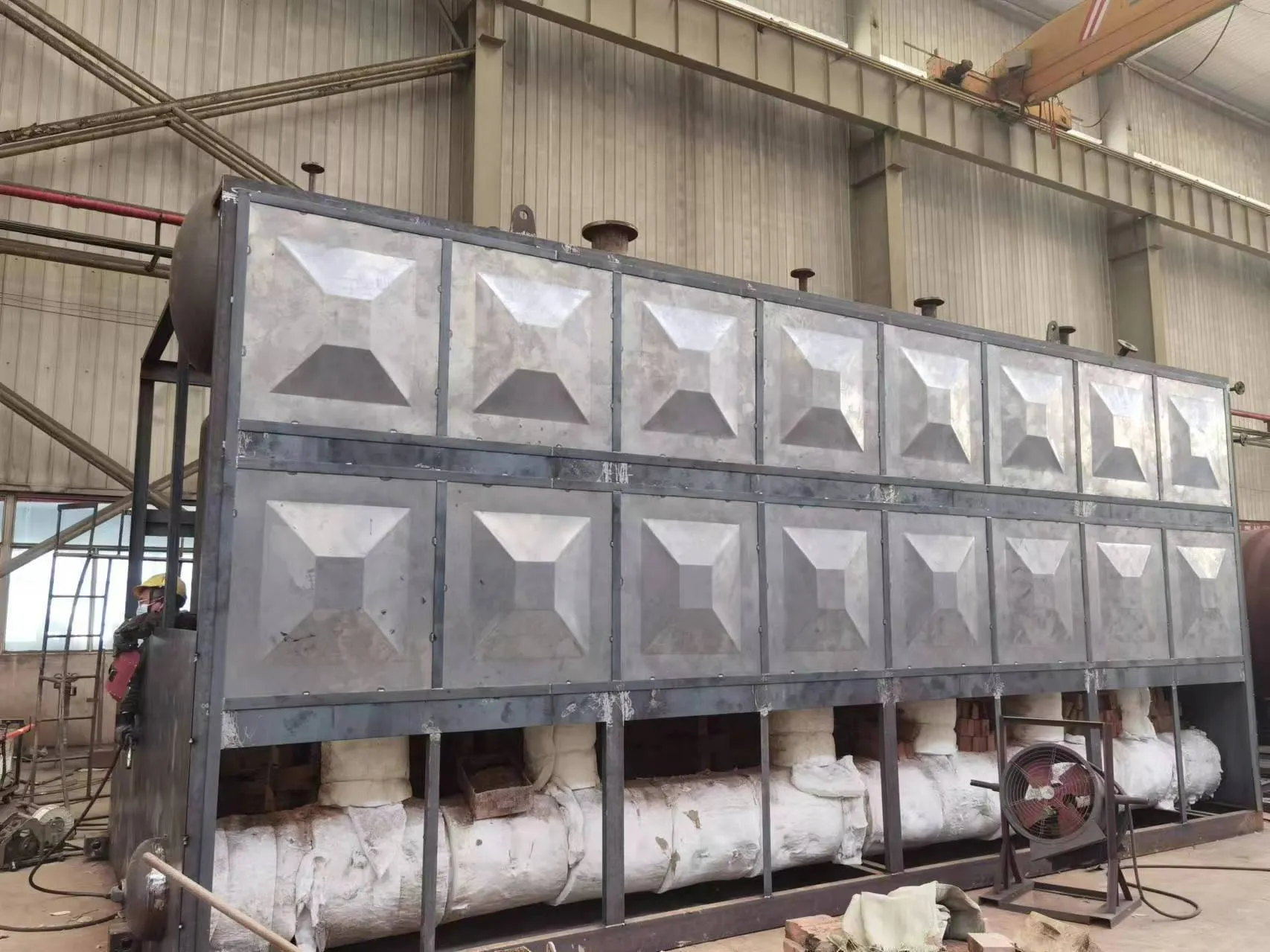
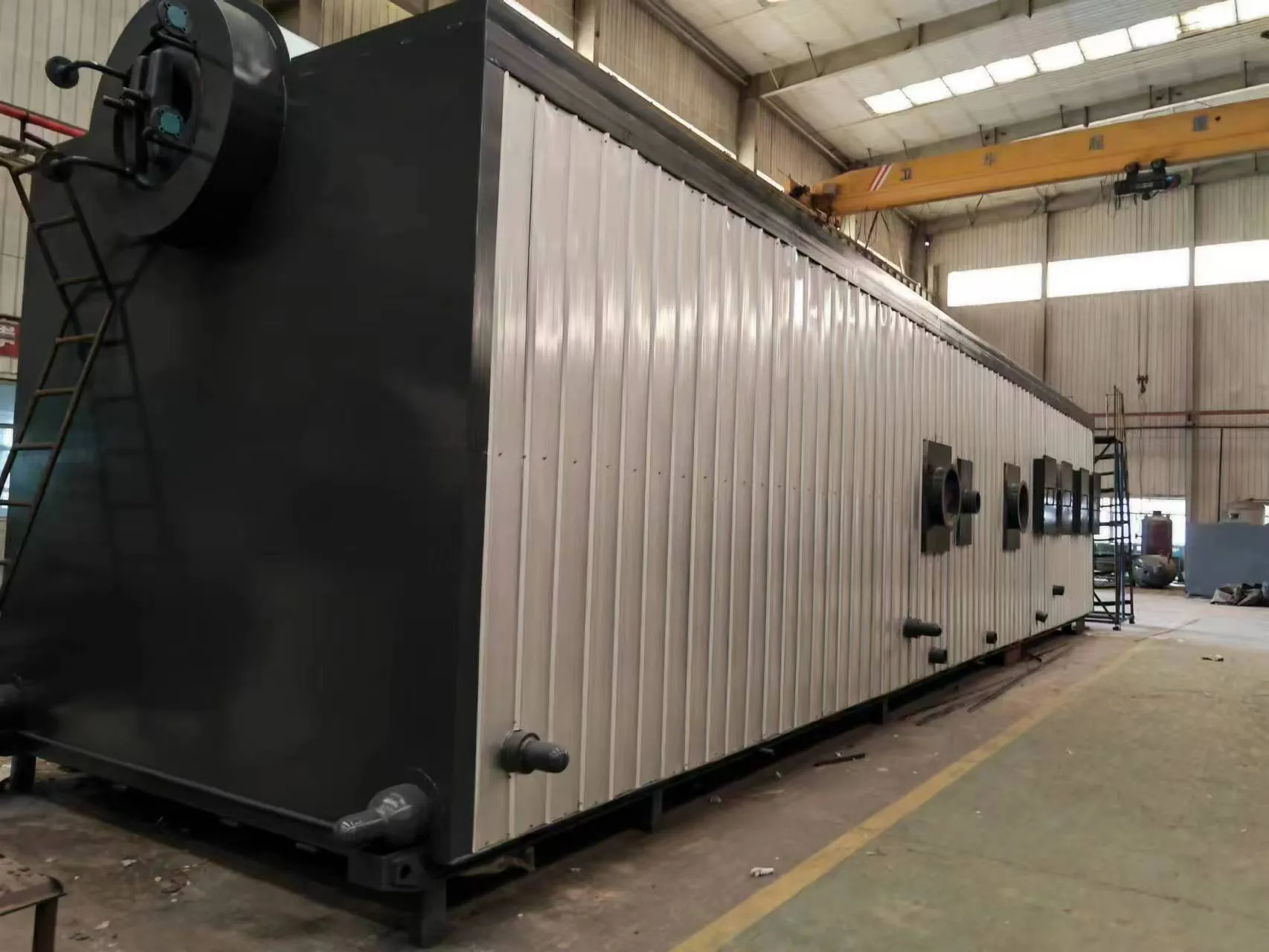
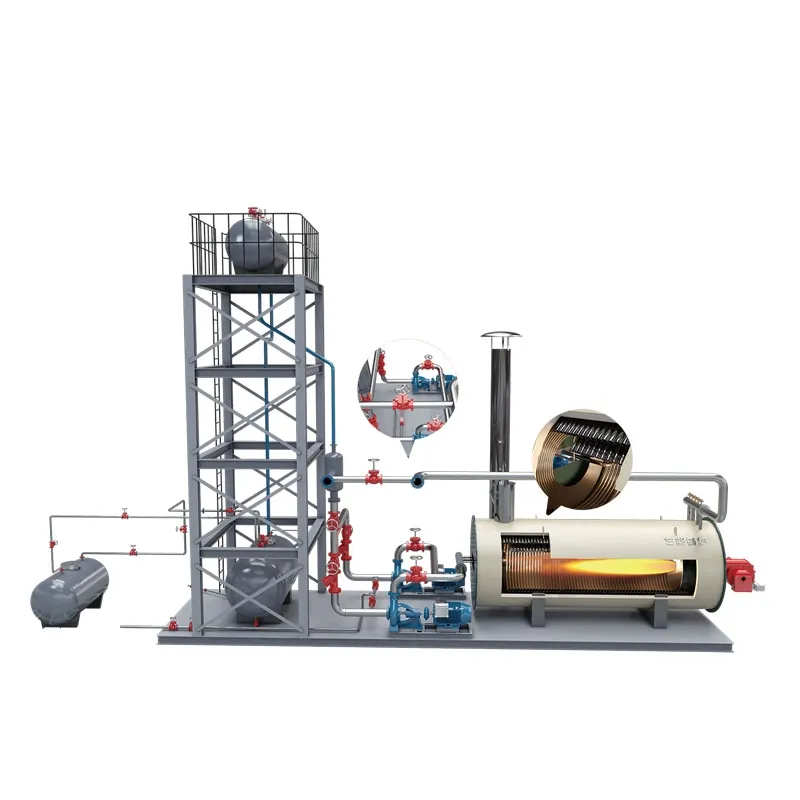
High-Efficiency thermal oil boiler Solutions for Portugal's Industrial Sector

Engineered for the Iberian Peninsula's demanding thermal requirements, combining sustainable energy recovery with precision heat control.

High-Efficiency thermal oil boiler Solutions for Portugal's Industrial Sector

Providing cutting-edge thermal energy systems designed to optimize industrial productivity across Portugal, focusing on low-emission technology and maximum heat transfer efficiency.

The Current State of Industrial Heating in Portugal

Analyzing the intersection of EU environmental directives and Portuguese manufacturing needs.

Portugal's industrial landscape is currently undergoing a massive energy transition. Due to the Mediterranean climate and a strong push toward the "European Green Deal," factories are moving away from outdated boiler units toward smarter, electrified, or biomass-integrated systems to reduce carbon footprints.

In regions like Setúbal and Porto, the demand for a reliable steam boiler has evolved. Companies are no longer just looking for heat generation but for integrated energy management that can withstand fluctuating energy prices while maintaining strict EU emissions standards.

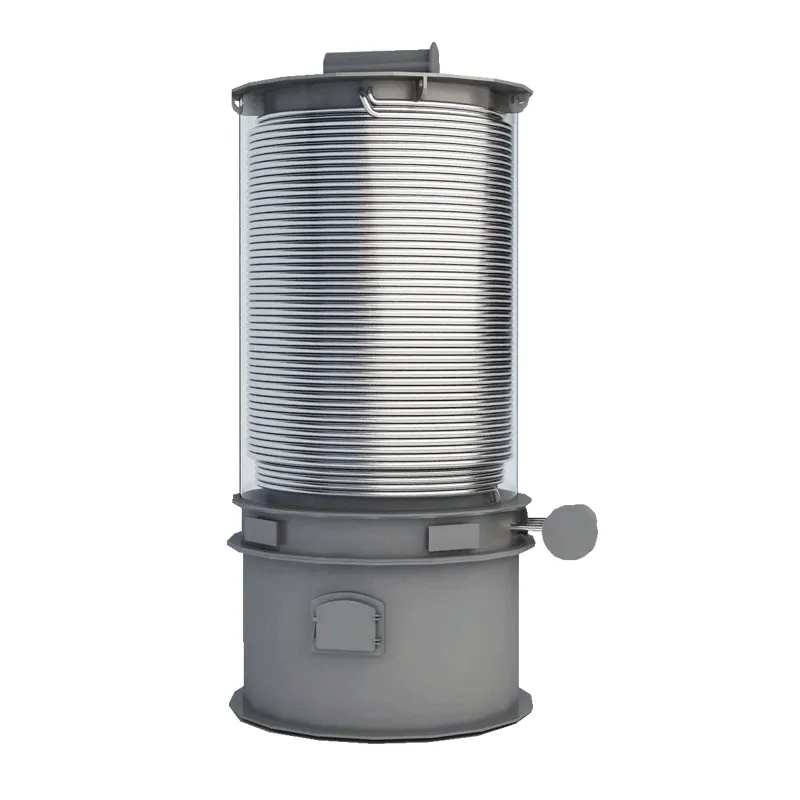
The rise of the cork, textile, and food processing industries in Portugal has increased the necessity for specialized heat carriers. This has led to a surge in the adoption of high-stability thermal fluids and precision-engineered water boiler systems for climate-controlled facilities.
Technological Evolution and Trajectory

From basic combustion to intelligent heat recovery systems.

Market Development History

From 1990 to 2010, the Portuguese market relied heavily on traditional fuel-oil systems. The primary focus was on raw capacity, where the standard boiler was a simple combustion chamber with minimal efficiency recovery.

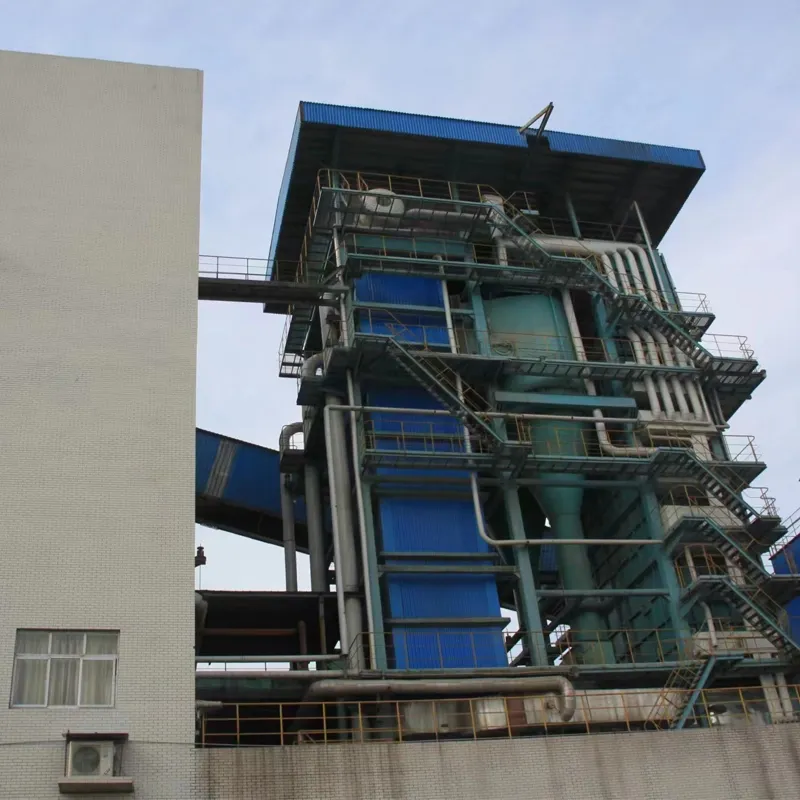
Between 2010 and 2020, the shift toward natural gas and biomass gained momentum. This era saw the introduction of advanced condensing technologies and the widespread adoption of the waste heat boiler to capture flue gas energy, drastically reducing operational costs.

From 2020 onwards, the industry has entered the "Digital Thermal Era." Integration with IoT and AI-driven combustion control has become the norm, allowing Portuguese plants to modulate heat output in real-time based on production demand.

Future Development Trends

Hydrogen-Ready Combustion

Future systems are being designed to transition from natural gas to green hydrogen, aligning with Portugal's national hydrogen strategy to achieve net-zero emissions.

Hybrid Heat Integration

The combination of electric heat pumps and traditional thermal systems to balance peak loads and optimize energy consumption during off-peak hours.

Predictive Maintenance AI

Moving from scheduled maintenance to sensor-based predictive analytics to prevent downtime in critical steam and oil heating loops.

Future Trends and Industry Outlook

Navigating the next 5 years of thermal engineering in the EU market.

Decarbonization of Heat
Rapid shift towards zero-carbon fuels and high-efficiency electrification to meet EU 2030 climate targets.
Circular Heat Economy
Increased implementation of waste heat recovery systems to feed secondary industrial processes.
Modular System Design
Transition from massive monolithic plants to scalable modular units for flexible production expansion.
Smart Grid Integration
Syncing thermal generation with national energy grids to optimize cost through demand-response logic.

Industry Outlook

Based on Google search trends in the EU, there is a significant increase in queries regarding "Low NOx combustion" and "Carbon Capture for Boilers." This indicates that the Portuguese market is moving toward a phase where regulatory compliance is the primary driver for equipment upgrades.

We expect the next three years to be dominated by the replacement of traditional combustion units with hybrid systems that utilize renewable electricity and high-efficiency thermal storage, ensuring energy security for Portugal's industrial hubs.

Localized Application Scenarios in Portugal

Tailored thermal solutions for Portugal's key economic sectors.

1. Cork Processing & Agglomeration

Utilizing high-pressure steam boiler units to provide the precise thermal energy required for the steaming and softening of cork oak bark in the Alentejo region.

2. Wine & Olive Oil Distilleries

Implementation of specialized water boiler systems for temperature-controlled fermentation and distillation processes, ensuring consistent product quality across Douro valley vineyards.

3. Textile & Garment Manufacturing

Deployment of thermal oil boiler systems to provide stable, high-temperature heating for fabric dyeing and drying without the risks associated with high-pressure steam.

4. Pulp and Paper Mills

Integration of a waste heat boiler to recover energy from the chemical recovery cycle, drastically reducing the plant's reliance on external fuel sources.

5. Seafood Processing & Canning

Compact, efficient thermal units for sterilization and canning lines in coastal regions, ensuring rapid heat-up times and strict adherence to food safety standards.

Brand Story

Global Development Journey of Hebei Yineng Boiler Co., Ltd.

Foundation of Excellence

Started with a commitment to solving the efficiency gap in traditional industrial heating, focusing on durable and high-output thermal designs.

Technological Breakthrough

Developed advanced combustion chamber geometries that reduced fuel consumption by 15% while increasing heat transfer rates.

Global Expansion

Extended our engineering reach to Europe, adapting our designs to meet the stringent CE and PED certifications required for the EU market.

Sustainability Focus

Pioneered integrated waste-heat recovery modules, helping global clients transform exhaust gases into valuable energy assets.

Future Vision

Striving to lead the transition toward hydrogen-powered industrial heating, ensuring a cleaner planet for future generations.

Comprehensive Thermal Portfolio for Portugal

A full spectrum of energy equipment designed for the Iberian industrial environment.

Industrial Heating FAQ - Portugal

Expert answers to common technical and regulatory questions.

How do I choose between a steam boiler and a thermal oil boiler for my factory in Portugal?

The choice depends on the required temperature and pressure. Steam is ideal for sterilization and humidification, while thermal oil is preferred for high-temperature processes (above 200°C) where low pressure and high safety are critical.

Are your waste heat boiler systems compliant with EU emissions directives?

Yes, all our systems are engineered to meet and exceed the European Medium Combustion Plant Directive (MCPD) and CE standards for NOx and SOx emissions.

What is the average maintenance cycle for a water boiler in a coastal environment like Lisbon?

Due to higher salinity in coastal air, we recommend quarterly inspections of the external cladding and monthly water quality analysis to prevent scale and corrosion in the tubes.

Can I upgrade my existing fuel-oil boiler to a biomass or gas system?

In many cases, yes. We provide retrofit kits and burner replacements that allow existing shells to operate on sustainable fuels, though a full system audit is required first.

How does a waste heat boiler improve my plant's overall ROI?

By capturing heat from exhaust gases or process streams, you reduce the primary fuel load on your main burner, typically resulting in a 10-25% reduction in monthly energy costs.

What safety certifications are mandatory for installing a boiler in Portugal?

Systems must comply with the Pressure Equipment Directive (PED) 2014/68/EU and be inspected by a certified local body (such as those approved by the Portuguese government) before commissioning.

Ready to Optimize Your Thermal Energy?

Our engineering team is ready to provide customized heat solutions for your industrial facility in Portugal.

Contact Us Now

If you are interested in our products, you can choose to leave your information here, and we will be in touch with you shortly.