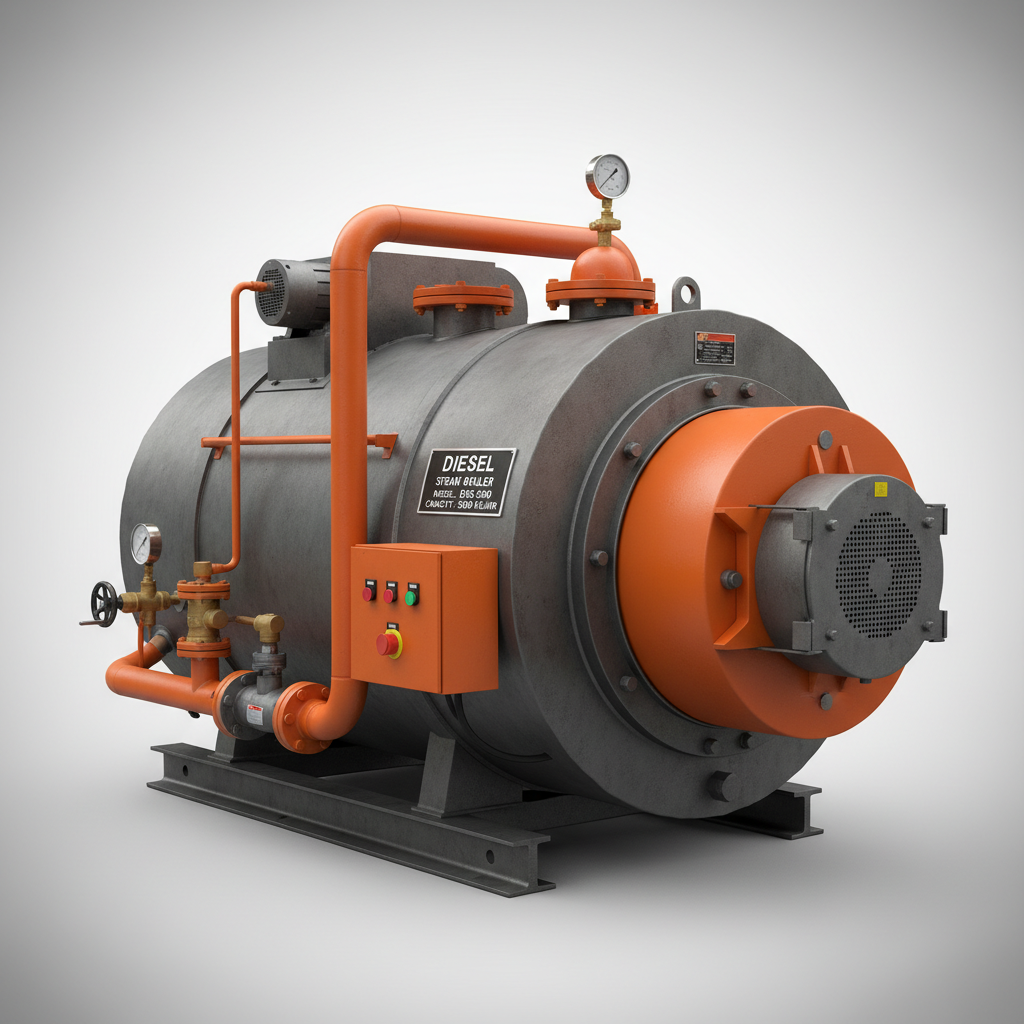
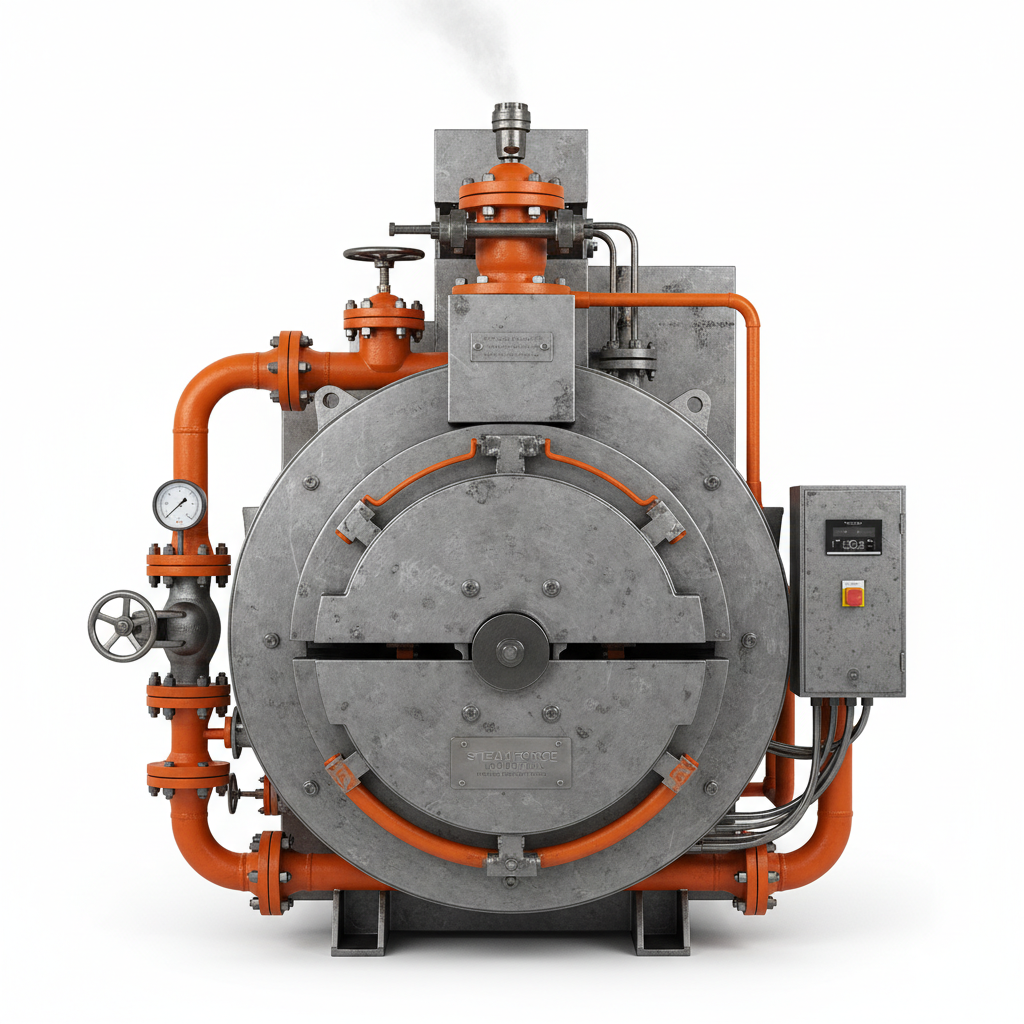
The global transition toward sustainable energy has placed the biomass boiler at the forefront of industrial heating solutions. As industries strive to reduce their carbon footprint and move away from volatile fossil fuel markets, these systems offer a viable path to carbon neutrality by utilizing organic materials. Understanding the mechanics and benefits of these boilers is no longer just an environmental choice but a strategic economic imperative for modern manufacturing.
From a global perspective, the adoption of biomass heating technology is accelerating, driven by stringent emissions regulations and the availability of agricultural and forestry waste. By converting renewable organic matter into high-pressure steam or thermal energy, companies can significantly lower their operational costs while contributing to a circular economy. This shift is particularly critical in energy-intensive sectors where thermal demand is constant and high.
However, implementing a biomass boiler requires a nuanced understanding of fuel quality, combustion efficiency, and emission control. This guide explores the technical intricacies, global applications, and future trajectories of biomass combustion technology, providing a comprehensive roadmap for engineers and procurement managers looking to optimize their energy infrastructure.
Understanding the Mechanics of Biomass Boilers
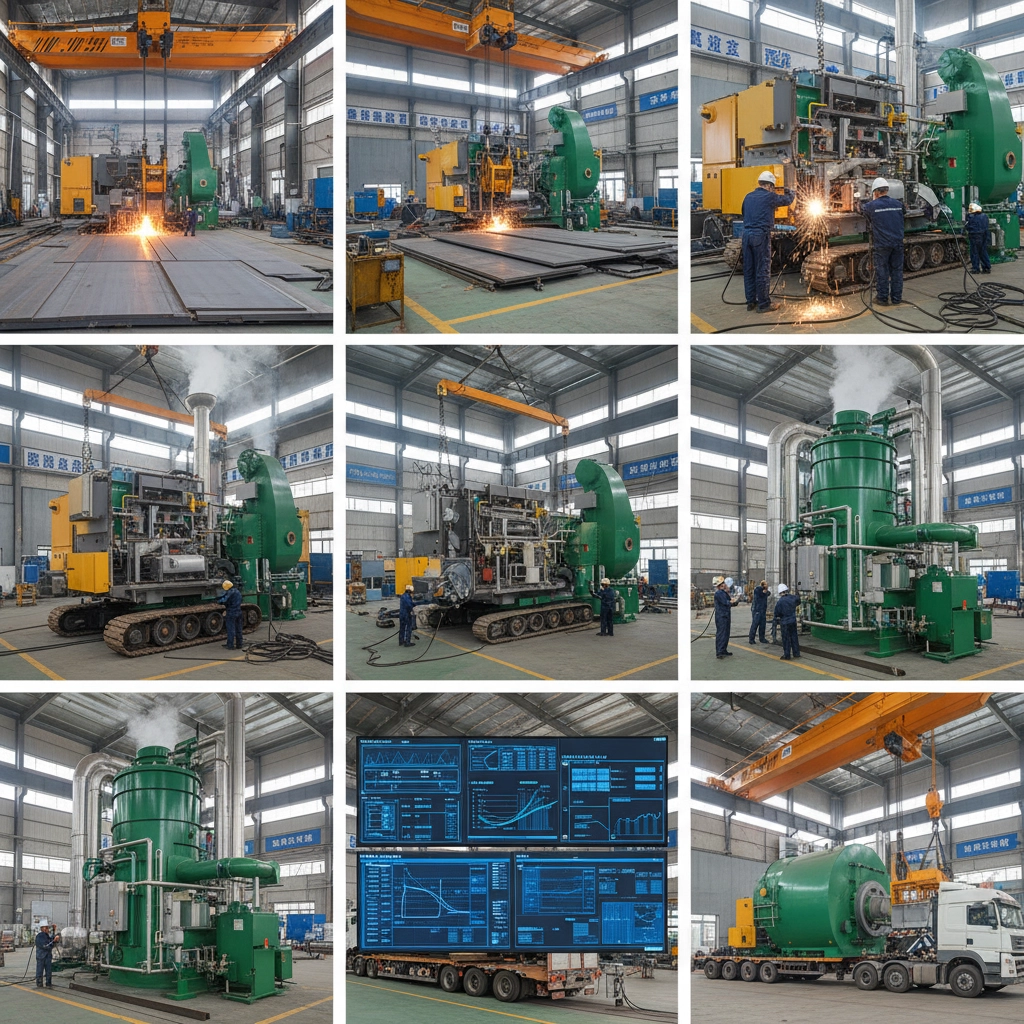
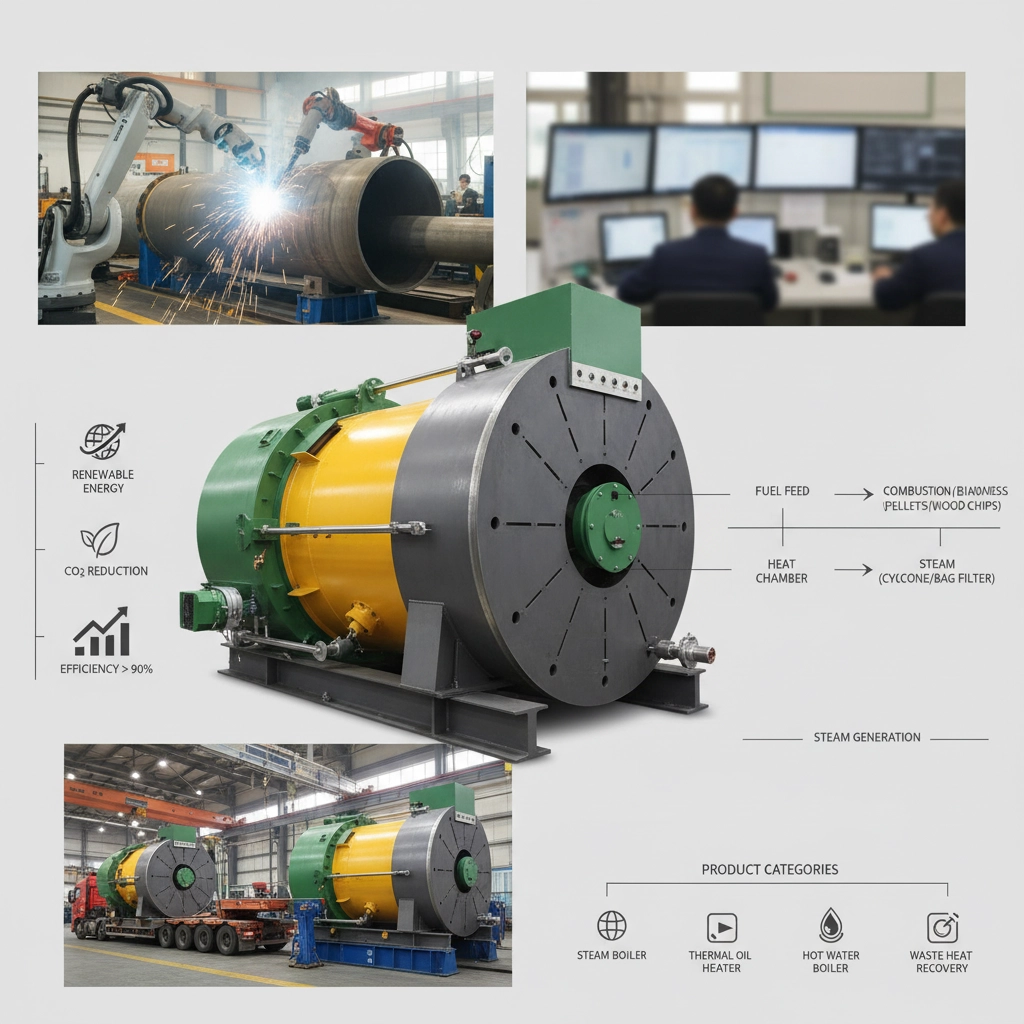
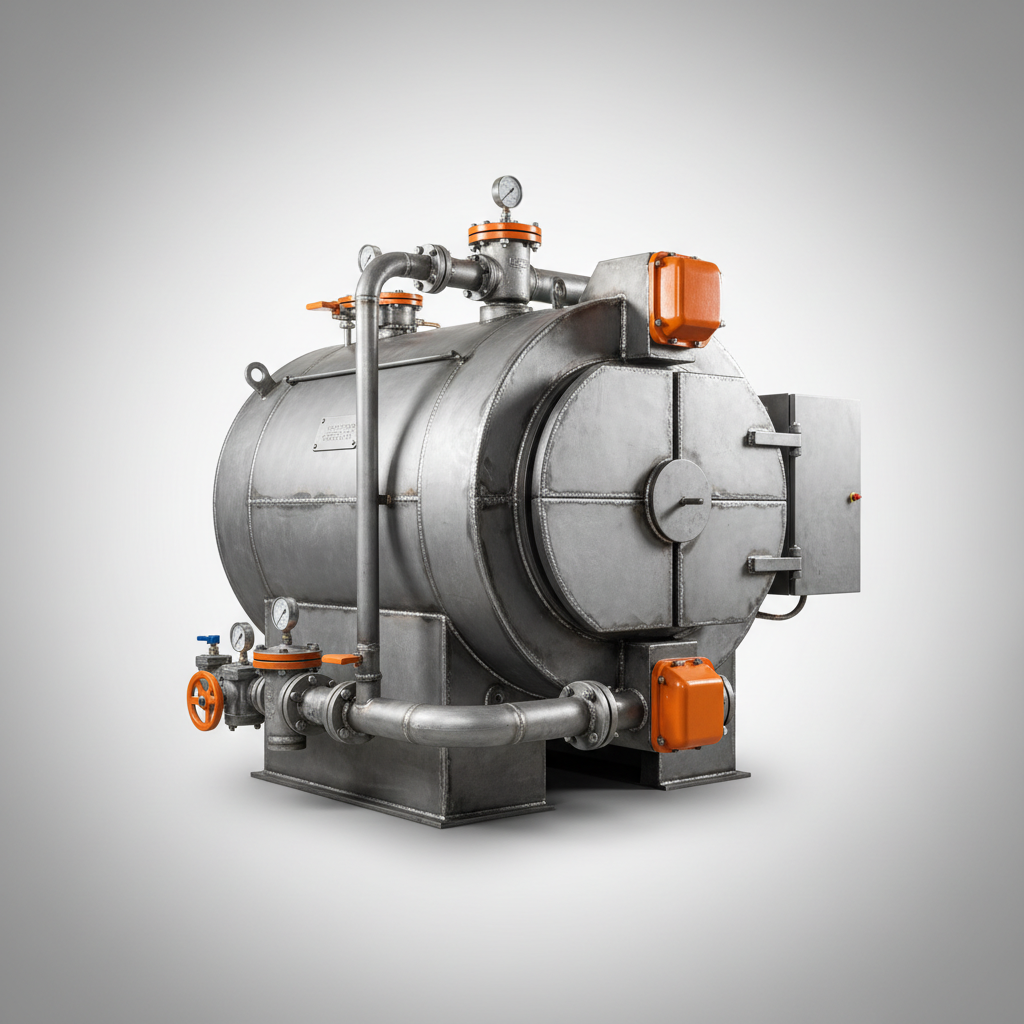
A biomass boiler is a specialized heating system designed to burn organic materials—such as wood pellets, agricultural husks, or forestry residues—to produce steam or hot water. Unlike traditional coal boilers, these systems are engineered to handle the specific combustion characteristics of biomass, which often includes higher moisture content and different caloric values. The process involves a controlled combustion chamber where the biomass is ignited, transferring heat through a heat exchanger to the working fluid.
The versatility of these systems allows them to be integrated into various industrial frameworks, from small-scale textile mills to large-scale chemical plants. By optimizing the air-to-fuel ratio and employing advanced grate systems, modern biomass boilers achieve high thermal efficiency while minimizing the release of particulate matter. This makes them a cornerstone of the transition toward "Green Steam" in the manufacturing sector.
Global Industry Context and Energy Shift
The global energy landscape is undergoing a seismic shift, with the International Energy Agency (IEA) highlighting the critical role of bioenergy in reaching net-zero targets. In many regions, the biomass boiler serves as the primary alternative to heavy fuel oil and coal, particularly in areas with abundant agricultural waste. The economic volatility of natural gas has further accelerated the demand for localized, renewable fuel sources that provide energy security and price stability.
Industries are facing unprecedented pressure from global environmental standards, such as the ISO 14001, which mandate a reduction in GHG emissions. The challenge lies in replacing legacy fossil-fuel systems without sacrificing the high-pressure steam capabilities required for industrial processes. Biomass technology bridges this gap by providing a drop-in replacement that utilizes existing steam distribution networks while radically altering the carbon input.
Statistically, the move toward bio-based heating has led to a measurable decrease in industrial CO2 emissions in European and Southeast Asian markets. By leveraging a biomass boiler, companies are not only complying with laws but are gaining a competitive edge in "green procurement" chains, where end-customers demand a low-carbon footprint for the products they purchase.
Core Components for Maximum Efficiency
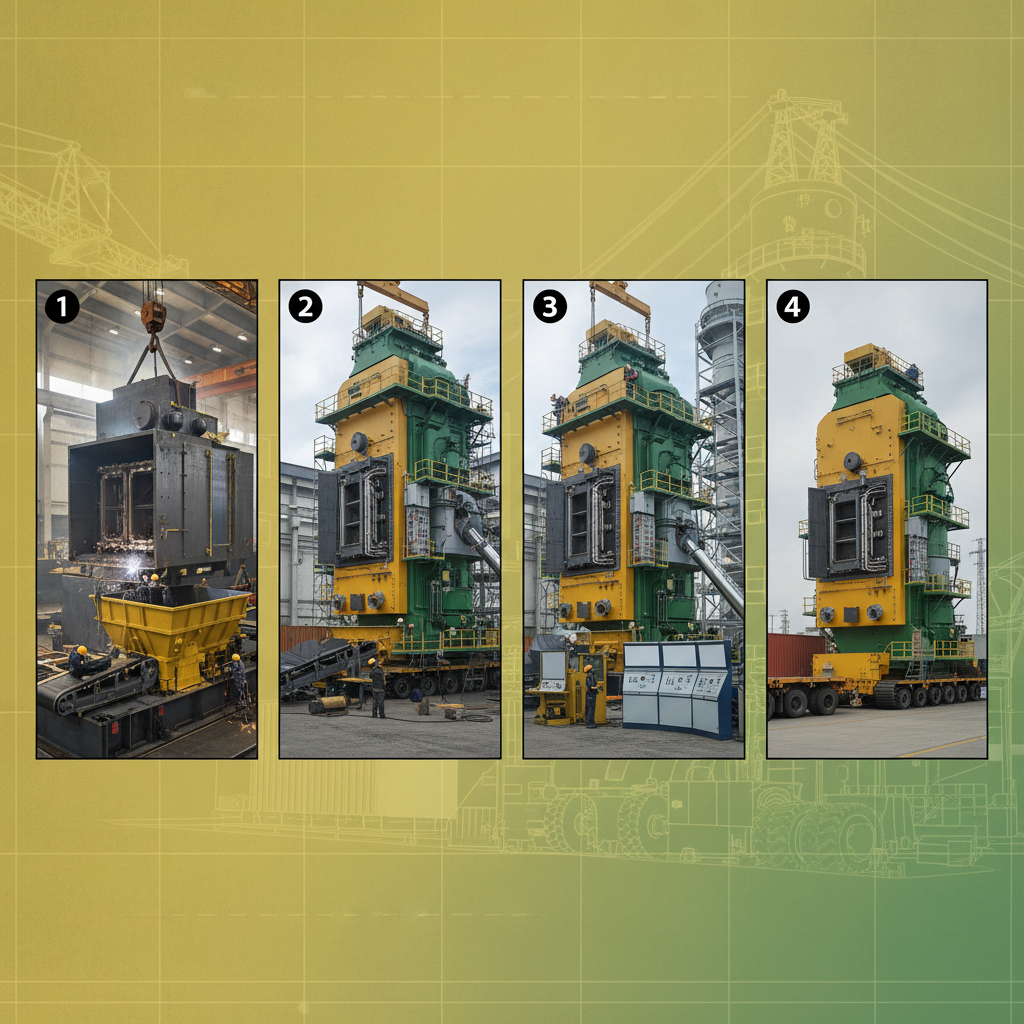
The heart of a high-performance biomass boiler lies in its combustion grate and fuel feeding system. Whether using a reciprocating grate or a fluidized bed, the ability to consistently move fuel and provide adequate primary air is essential for complete combustion and the prevention of "clinkering"—the fusion of ash into hard masses.
Durability is another critical factor, as the corrosive nature of some biomass fuels requires the use of high-grade alloys and refractory materials. A robust biomass boiler integrates advanced heat exchanger surfaces that maximize heat transfer while resisting the abrasive effects of fly ash and chemical corrosion.
Finally, the emission control suite—comprising cyclones, bag filters, or electrostatic precipitators—ensures that the output meets strict air quality standards. An integrated biomass boiler system doesn't just focus on heat production but treats the entire process as a closed-loop system of energy recovery and environmental protection.
Operational Factors and Performance Metrics
When evaluating the effectiveness of a biomass boiler, operators must look beyond simple fuel consumption. Key performance indicators (KPIs) include the combustion efficiency percentage, the moisture content of the fuel, and the specific steam production rate. Optimizing these factors requires a balance between fuel throughput and oxygen levels to avoid incomplete combustion and CO emissions.
Scalability also plays a role; a system must be able to handle fluctuations in fuel quality without significant drops in steam pressure. Modern control systems utilize AI-driven logic to adjust the feeding rate in real-time, ensuring that the biomass boiler maintains a steady state regardless of whether the fuel is dry wood chips or damp agricultural residues.
Efficiency Comparison of Biomass Boiler Technologies
Real-World Global Applications
In remote industrial zones, such as palm oil plantations in Indonesia or timber mills in Canada, the biomass boiler is more than an eco-friendly choice—it is a survival strategy. By utilizing the waste shells and sawdust produced on-site, these facilities eliminate the massive cost and risk of transporting diesel or gas to secluded areas, creating a self-sufficient energy loop.
Furthermore, in the food and beverage industry, steam is essential for sterilization and cooking. Companies are increasingly switching to biomass-fired steam boilers to meet "Net Zero" corporate pledges. For example, a large-scale dairy processor might use a biomass boiler powered by local corn stover, effectively turning an agricultural byproduct into high-value industrial heat.
Long-Term Value and Sustainability
The long-term value of investing in a biomass boiler extends far beyond the initial fuel savings. There is a profound social impact involved; by creating a market for agricultural residues, these boilers provide additional income streams for local farmers. This creates a symbiotic relationship between the industrial plant and the surrounding community, fostering local economic resilience.
From a technical perspective, the reliability of these systems has improved dramatically. Modern automation ensures that the risk of downtime is minimized, and the ability to switch between different biomass fuel types provides a hedge against supply chain disruptions. The peace of mind that comes from owning your energy source is an intangible but powerful business asset.
Ultimately, the shift toward a biomass boiler represents a commitment to innovation and stewardship. It signals to stakeholders and investors that a company is forward-thinking and prepared for a future where carbon taxes and environmental audits will be the norm rather than the exception.
Future Trends in Biomass Combustion
The future of biomass technology is leaning heavily toward digitalization and "Smart Combustion." We are seeing the integration of IoT sensors within the biomass boiler that can predict fuel depletion or identify slagging in the heat exchanger before it leads to a shutdown. Predictive maintenance is transforming the way these boilers are operated, shifting from reactive repairs to proactive optimization.
Another emerging trend is the move toward biomass gasification. Instead of direct combustion, the biomass is converted into a synthetic gas (syngas), which can be burned more cleanly and efficiently. This evolution allows the biomass boiler to achieve even lower emission levels, potentially reaching near-zero particulate output when combined with advanced scrubbing technology.
As government policies shift toward awarding "Carbon Credits," the economic incentive to deploy biomass systems will only grow. The integration of biomass boilers with waste heat recovery systems will further push the efficiency boundaries, ensuring that every single BTU of energy from the organic fuel is captured and utilized.
Analysis of Biomass Boiler Technology Variants
| Boiler Type |
Fuel Flexibility |
Emission Level |
Maintenance Need |
| Reciprocating Grate |
High (Waste/Wood) |
Moderate |
Medium |
| Fluidized Bed |
Very High (Mixed) |
Low |
High |
| Pellet Boiler |
Low (Pellets only) |
Very Low |
Low |
| Gasification Boiler |
Medium |
Lowest |
High |
| Stoker-fired |
Medium |
Moderate |
Medium |
| Fixed Grate |
Low |
High |
Low |
FAQS
A biomass boiler can utilize a wide range of organic materials, including wood chips, wood pellets, agricultural waste (like rice husks or corn cobs), sawdust, and even some types of processed organic waste. The choice of fuel depends on the specific boiler design—for instance, pellet boilers require uniform fuel, while fluidized bed boilers can handle more diverse, low-quality biomass materials.
In many cases, yes. While the initial capital expenditure for a biomass boiler can be higher than a gas boiler, the operational costs are significantly lower if you have access to cheap or free local biomass waste. Over a 5-10 year period, the reduction in fuel expenditure and the potential for carbon credits often result in a much lower Total Cost of Ownership (TCO).
Modern biomass boilers employ a multi-stage cleaning process. This typically includes a cyclone separator to remove heavy particles, followed by a baghouse filter or an electrostatic precipitator to capture fine particulate matter. Some advanced systems also include SCR (Selective Catalytic Reduction) to reduce NOx emissions, ensuring the system meets strict local environmental regulations.
With proper maintenance, a high-quality biomass boiler can last between 20 to 30 years. The key to longevity is the regular cleaning of heat exchanger tubes to prevent soot buildup and the timely replacement of refractory linings in the combustion chamber, which bear the brunt of high temperatures and chemical wear.
While some modifications are possible, a direct "swap" is rarely efficient because biomass has different combustion properties than coal. However, many companies perform a "retrofit" where the fuel feeding system and the grate are replaced. In most cases, installing a dedicated biomass boiler is more efficient and provides better emission control than modifying an old coal unit.
Biomass is less energy-dense than oil or gas, meaning you need more physical storage. Depending on the fuel type (e.g., bulky wood chips vs. dense pellets), you may need dedicated silos or warehouses. For a continuous industrial operation, we recommend storing at least 15-30 days of fuel to mitigate supply chain interruptions.
Conclusion
Integrating a biomass boiler into industrial operations is a powerful strategy for achieving both economic efficiency and environmental sustainability. By converting organic waste into reliable thermal energy, businesses can decouple their production costs from fossil fuel volatility while drastically reducing their carbon footprint. From the technical precision of fluidized bed combustion to the social benefits of supporting local agriculture, biomass technology represents a holistic approach to modern industrial heating.
As we move toward a future defined by the "Green Economy," the adoption of renewable heating systems is no longer optional—it is a prerequisite for long-term viability. We encourage industrial managers to evaluate their waste streams and energy needs to identify the ideal biomass solution for their facility. For professional consultation and high-efficiency equipment, visit our website: www.yinengboilers.com