The global transition toward renewable energy has accelerated the adoption of sustainable heating solutions, with the biomass pellet boiler emerging as a cornerstone for industrial decarbonization. By leveraging compressed organic matter, these systems provide a carbon-neutral alternative to fossil fuels, significantly reducing greenhouse gas emissions while maintaining high thermal efficiency.
For modern manufacturers and facility managers, integrating a biomass pellet boiler is no longer just an environmental statement but a strategic economic move. The ability to utilize agricultural waste and forestry by-products transforms a waste stream into a valuable energy resource, stabilizing operational costs against the volatility of natural gas and oil markets.
Understanding the technical nuances and operational advantages of these systems is essential for any organization aiming to align with ISO 14001 standards and global net-zero targets. From precision combustion control to automated fuel feeding, the evolution of the biomass pellet boiler represents a perfect synergy between traditional thermal engineering and modern green technology.
Global Relevance of Biomass Pellet Boiler Systems
Across the globe, the urgency to mitigate climate change has pushed industries toward the "Circular Economy" model. According to reports from the International Energy Agency (IEA), bioenergy is currently the largest source of renewable energy globally. The biomass pellet boiler plays a pivotal role in this shift, allowing sectors such as textiles, food processing, and chemical manufacturing to replace carbon-intensive coal boilers with sustainable alternatives.
In regions like Northern Europe and North America, strict emission regulations (such as the EU's RED II directive) have made the transition to pellet-fired systems a legal necessity. The challenge has always been the inconsistency of raw biomass; however, the standardization of wood pellets has solved this, providing a high-energy-density fuel that allows the biomass pellet boiler to operate with a reliability previously reserved for fossil fuel systems.
Defining the Modern Biomass Pellet Boiler
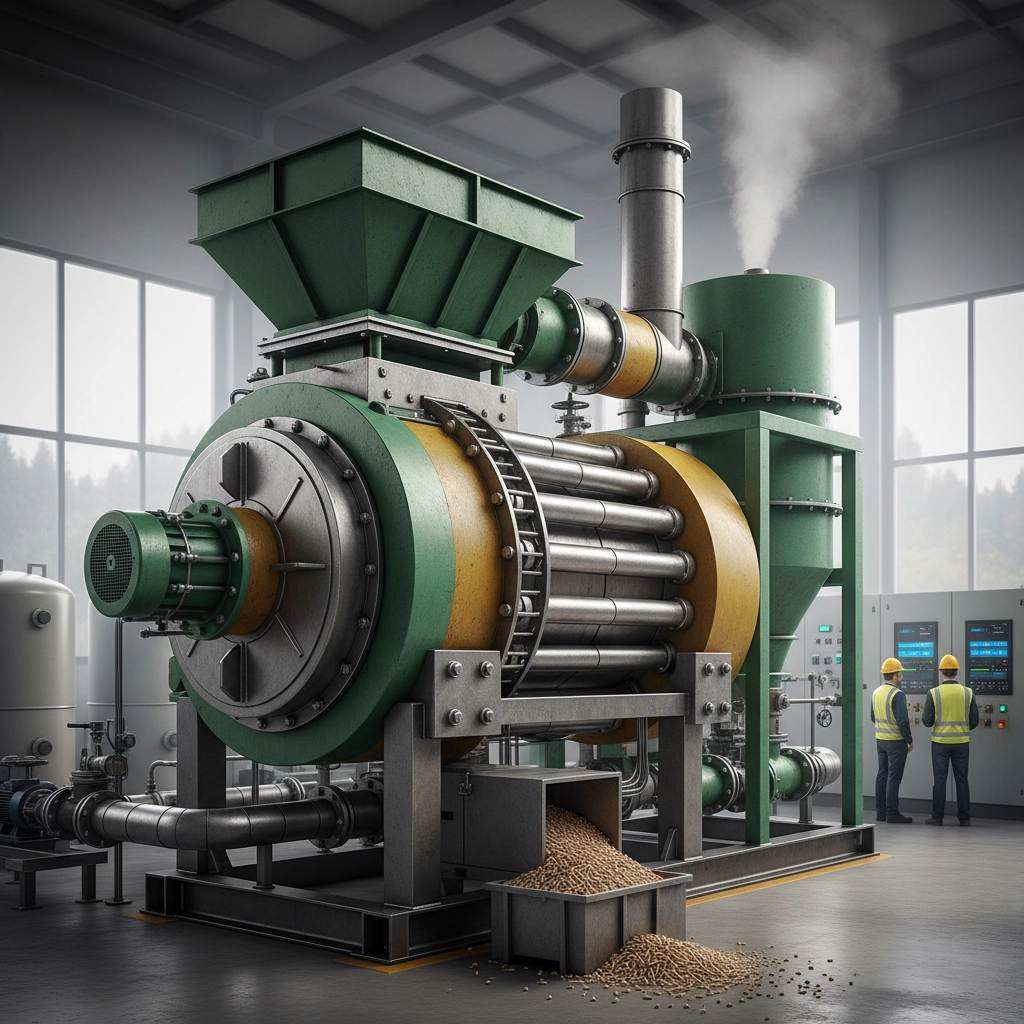
At its core, a biomass pellet boiler is a sophisticated thermal energy system designed to combust compressed organic pellets—typically made from sawdust, straw, or agricultural husks—to produce steam or hot water. Unlike traditional biomass stoves, these industrial-grade boilers utilize automated fuel delivery systems, ensuring a consistent burn rate and precise temperature control, which is critical for high-demand industrial processes.
The connection to modern industry lies in the ability to decouple energy production from volatile global oil and gas markets. By utilizing localized biomass resources, companies can create a closed-loop energy system. This is particularly vital for humanitarian needs in remote areas where grid electricity is unstable, as a biomass pellet boiler can provide essential heating and sterilization steam for clinics and community centers using local waste.
Technologically, these systems are characterized by their multi-stage combustion chambers and advanced filtration units. By optimizing the air-to-fuel ratio, the biomass pellet boiler minimizes the production of NOx and particulate matter, ensuring that the pursuit of renewable energy does not come at the cost of local air quality.
Core Components and Engineering Factors
The durability of a biomass pellet boiler depends heavily on the materials used in the combustion chamber. High-grade refractory ceramics are employed to withstand the intense heat and the mildly corrosive nature of organic ash, ensuring that the boiler shell maintains its structural integrity over decades of continuous operation.
Scalability is another critical factor. Whether a facility requires a small-scale thermal oil heater or a massive industrial steam generator, the modular design of the biomass pellet boiler allows for easy expansion. This means businesses can start with a baseline capacity and add additional boiler units as their production volume increases, avoiding massive upfront capital expenditures.
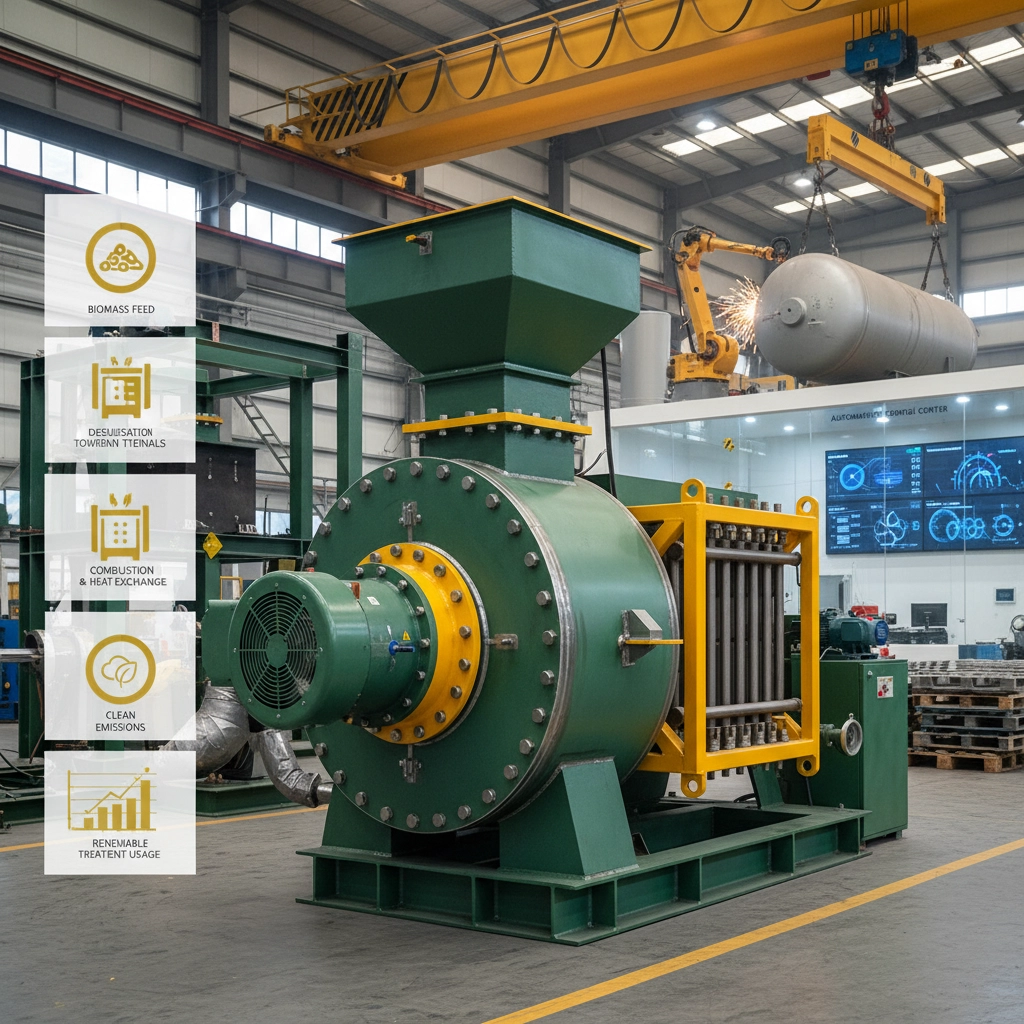
Cost efficiency is realized through automated fuel handling and high thermal efficiency. Modern systems integrate PLC (Programmable Logic Controller) systems that monitor the combustion process in real-time, adjusting the pellet feed rate to match the steam demand exactly. This precision prevents fuel waste and reduces the labor costs associated with manual stoking.
Industrial Applications and Use Cases
In real-world contexts, the biomass pellet boiler is utilized across a diverse array of sectors. In the agricultural industry, for instance, rice mills and corn processing plants use their own husks and stalks to fuel their boilers, creating a self-sufficient energy loop. This is particularly prevalent in Southeast Asia and South America, where biomass availability is high and energy costs are a significant burden on profit margins.
Beyond agriculture, remote industrial zones and post-disaster relief operations benefit from the portability and reliability of modular biomass units. In areas where diesel logistics are compromised, a biomass pellet boiler can provide the necessary heat for water purification and temporary housing, leveraging locally sourced organic debris to restore basic infrastructure and dignity to affected populations.
Efficiency Comparison of Biomass Pellet Boiler Configurations
Long-Term Economic and Environmental Value
The tangible benefits of switching to a biomass pellet boiler extend far beyond a simple reduction in fuel costs. While the initial investment may be higher than a traditional oil boiler, the long-term ROI is driven by the significantly lower cost per BTU of biomass pellets. Furthermore, companies can often claim carbon credits or government subsidies for reducing their carbon footprint, turning a utility cost into a financial asset.
From an emotional and logical standpoint, adopting biomass technology builds trust with consumers and stakeholders. In an era where "Greenwashing" is heavily scrutinized, the deployment of a verifiable carbon-neutral heating system demonstrates a genuine commitment to innovation and safety. It provides the dignity of knowing that industrial growth does not come at the expense of the planet's future.
Future Trends in Biomass Combustion Technology
The next frontier for the biomass pellet boiler is the integration of Artificial Intelligence and the Industrial Internet of Things (IIoT). Predictive maintenance algorithms are now being developed to analyze vibration and temperature data, allowing operators to identify potential failures before they cause downtime. This digital transformation ensures that biomass systems can compete with the extreme reliability of gas-fired plants.
Furthermore, we are seeing a shift toward "carbon-negative" operations through the integration of Carbon Capture and Storage (CCS). When a biomass pellet boiler is paired with CCS, the system actually removes CO2 from the atmosphere—since the pellets absorbed carbon during their growth—creating a powerful tool for reversing global warming.
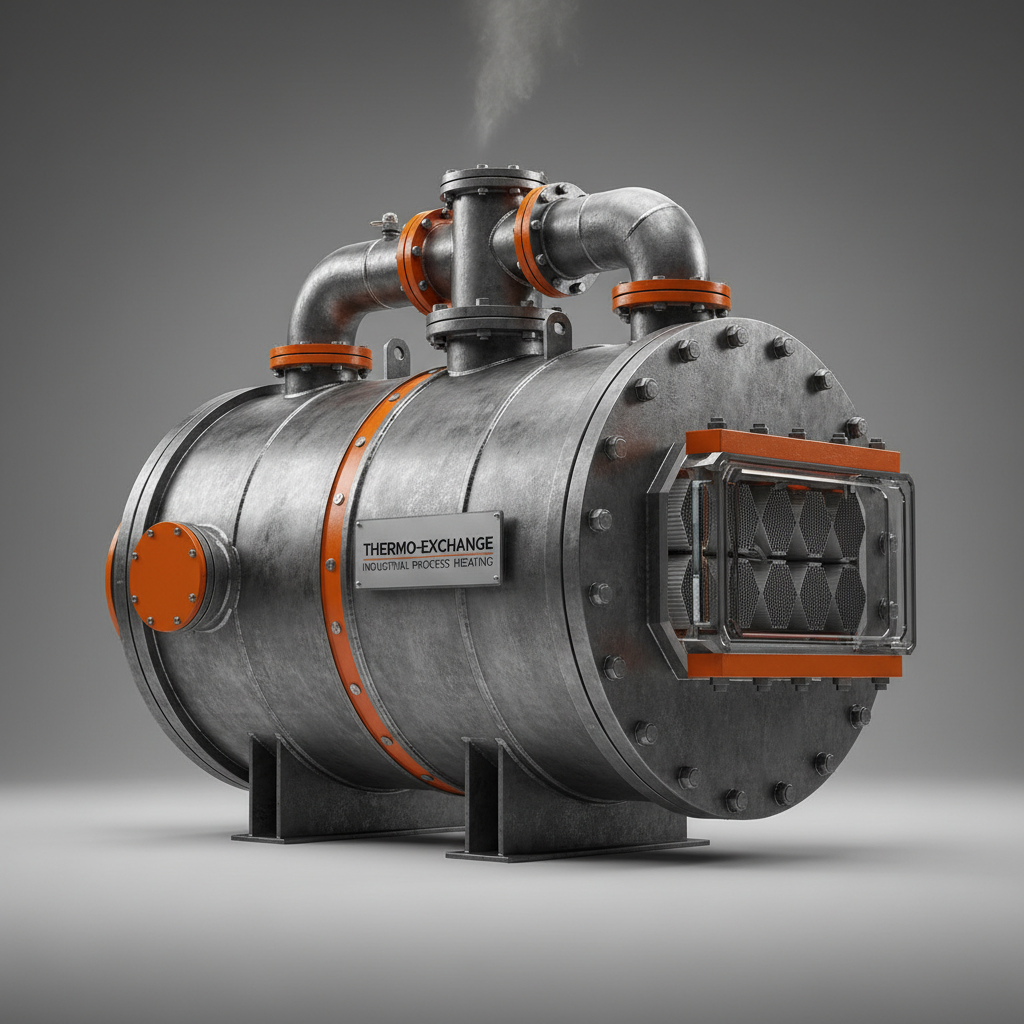
Advancements in material science are also producing new alloys for heat exchangers that are virtually immune to the corrosive effects of alkaline ash. This innovation increases the lifespan of the biomass pellet boiler and allows for higher operating temperatures, which in turn boosts the overall efficiency of steam production.
Overcoming Operational Challenges
Despite the advantages, users often face challenges regarding fuel storage and ash management. Pellets must be kept dry to prevent swelling and decomposition, which can lead to feeding jams. The solution lies in the installation of automated, moisture-controlled silos and vacuum-sealed transport systems that ensure the biomass pellet boiler receives consistent, high-quality fuel.
Another common concern is the accumulation of slag or clinkers in the grate. This is typically caused by using pellets with high mineral content. Expert insights suggest the use of automated reciprocating grates and periodic "de-ashing" cycles, which physically break up deposits without requiring a full system shutdown.
Finally, emission control remains a priority. While pellets are cleaner than raw wood, some particulate matter is inevitable. The implementation of multi-cyclone separators and electrostatic precipitators allows the biomass pellet boiler to meet the most stringent environmental codes, ensuring that the air exiting the stack is clean and safe.
Comparison of Biomass Pellet Boiler Operational Solutions
|
Challenge Category
|
Common Limitation
|
Innovative Solution
|
Impact Score (1-10)
|
| Fuel Logistics |
Moisture sensitivity |
Climate-controlled silos |
9 |
| Combustion |
Ash clinkering |
Reciprocating grate system |
8 |
| Air Quality |
Particulate emissions |
Electrostatic precipitators |
10 |
| Maintenance |
Unexpected downtime |
IIoT Predictive Sensors |
7 |
| Control |
Temperature fluctuation |
PID-based PLC Control |
9 |
| Efficiency |
Heat loss in flue gas |
Economizer integration |
8 |
FAQS
Modern biomass pellet boilers often match or exceed the efficiency of traditional coal boilers, typically reaching 85-92% thermal efficiency. Because pellets are standardized and energy-dense, they allow for a more complete and controlled combustion process, reducing the amount of wasted heat and fuel compared to the uneven burning often seen in low-grade coal systems.
The primary maintenance tasks include the regular removal of ash from the collection bin and the periodic cleaning of the heat exchanger tubes to prevent soot buildup. Additionally, the fuel feeding screw and sensors should be inspected monthly to ensure no pellet bridging or moisture contamination is hindering the automated delivery system.
While many organic materials can be pelletized, the boiler requires pellets with a specific moisture content (usually below 10%) and a consistent caloric value. Using non-standardized pellets or raw biomass in a system designed for pellets can lead to feeding failures and increased clinker formation. It is recommended to use certified ENplus or similar standard pellets.
The initial capital expenditure is generally higher than that of a gas boiler due to the need for fuel storage silos and automated feeding systems. However, when factoring in the lower cost of biomass fuel and available government green-energy subsidies, the total cost of ownership (TCO) is typically much lower over a 5-to-10-year period.
When operated correctly with a high-quality fuel and an advanced combustion system, biomass pellet boilers emit significantly fewer pollutants than coal or oil. By utilizing secondary air combustion and filtration systems like cyclones, they can meet strict emission standards for NOx and particulate matter, making them suitable for use even in urban-industrial zones.
With proper maintenance and the use of high-grade refractory materials, an industrial biomass pellet boiler can last between 20 and 30 years. The longevity depends largely on the quality of the combustion chamber materials and the consistency of the fuel used, as highly corrosive fuels can shorten the lifespan of the heat exchanger.
Conclusion
The transition to a biomass pellet boiler represents a critical intersection of economic pragmatism and environmental stewardship. By integrating automated combustion, sustainable fuel sources, and advanced thermal engineering, these systems provide a reliable, scalable, and carbon-neutral path for industrial heating. We have seen that while operational challenges like ash management exist, they are easily overcome through modern engineering solutions and digital monitoring.
Looking forward, the continued evolution of biomass technology—particularly in the realms of AI-driven optimization and carbon capture—will further solidify its role as a primary energy source for the 21st century. For businesses seeking to future-proof their operations against rising carbon taxes and volatile fuel prices, the adoption of biomass technology is not merely an option, but a strategic necessity for sustainable growth. Visit our website for more professional solutions: www.yinengboilers.com