In the complex landscape of modern industrial thermal management, the heat exchanger stands as a cornerstone of energy efficiency. By facilitating the seamless transfer of thermal energy between two or more fluids, these systems ensure that waste heat is recovered and redirected, reducing the overall carbon footprint of heavy manufacturing processes.
Understanding the mechanics of a high-performance heat exchanger is no longer just a technical requirement for engineers, but a strategic necessity for businesses aiming to lower operational costs. As global energy prices fluctuate and environmental regulations tighten, the ability to optimize thermal exchange directly impacts the bottom line and corporate sustainability goals.
From the massive condensers in power plants to the precise cooling systems in chemical reactors, the versatility of the heat exchanger enables the operation of critical machinery. This guide explores the intricate balance of thermodynamics, material science, and industrial application that makes these components indispensable in the modern era.
Global Relevance of Heat Exchanger Technology
On a global scale, the implementation of an efficient heat exchanger is critical for meeting the International Organization for Standardization (ISO) energy management standards. As the world pivots toward decarbonization, the industrial sector is under immense pressure to reduce thermal pollution and maximize the lifecycle of every BTU produced.
The challenge lies in the vast amount of energy lost as waste heat in traditional boiler systems. By integrating advanced thermal recovery units, industries can reduce their fuel consumption by up to 30%, directly contributing to the UN Sustainable Development Goals regarding affordable and clean energy.
Defining the Modern Heat Exchanger
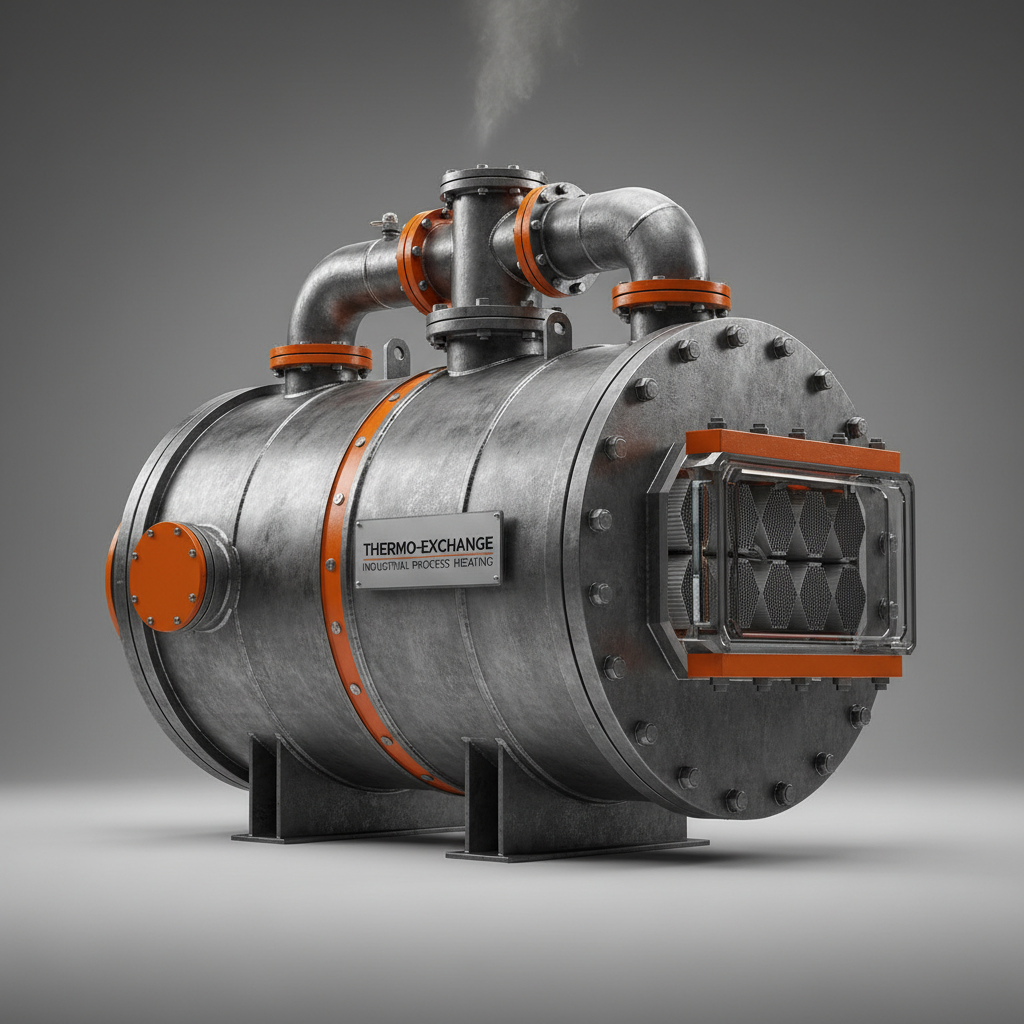
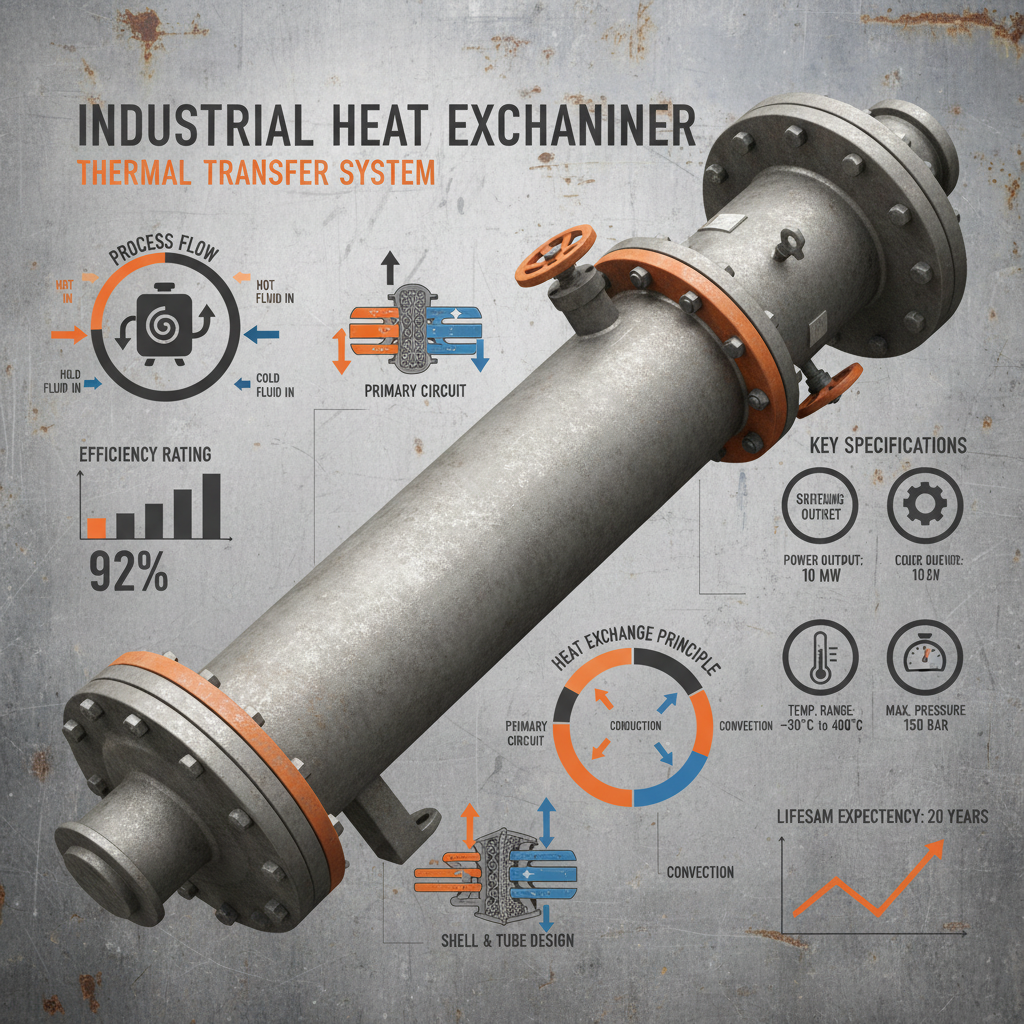
At its most basic level, a heat exchanger is a device designed to transfer heat between two or more fluids of different temperatures without them mixing. This can be achieved through direct contact or, more commonly in industrial settings, through a conductive wall—such as a tube or a plate—that allows heat to flow from the hotter medium to the colder one.
In the context of modern manufacturing, these devices are not merely accessories but are integral to the heartbeat of the facility. Whether it is a shell-and-tube design for high-pressure steam or a plate-and-frame system for precise temperature control, the goal remains the same: maximizing the heat transfer coefficient while minimizing pressure drop.
Beyond the technical definition, these systems represent a humanitarian need for efficiency. By reducing the amount of fuel required to generate steam or heat water, companies reduce the environmental degradation caused by extraction and combustion, creating a safer and more sustainable industrial ecosystem for local communities.
Core Components of Thermal Efficiency
Material durability is the first pillar of a reliable heat exchanger. Given the corrosive nature of many industrial fluids and the extreme temperature cycles, the use of high-grade stainless steel, titanium, or specialized alloys is essential to prevent pitting and stress-corrosion cracking over decades of use.
Scalability and modularity allow a heat exchanger to grow alongside a business. Modular designs enable operators to add plates or tube bundles as production capacity increases, ensuring that the system remains efficient without requiring a complete redesign of the thermal plant.
Finally, cost efficiency is measured not by the initial purchase price, but by the Total Cost of Ownership (TCO). A well-engineered system reduces fouling—the buildup of deposits on the heat transfer surface—thereby decreasing the frequency of expensive shutdowns and chemical cleaning cycles.
Global Applications and Industrial Use Cases
The practical application of the heat exchanger spans every continent and industry. In the pharmaceutical sectors of Europe and North America, precise temperature control in jacketed vessels ensures the stability of sensitive biochemical reactions. In the energy-intensive mining zones of Australia and Brazil, massive heat exchangers are used to cool heavy machinery and process minerals.
Furthermore, in remote industrial zones or post-disaster relief operations, compact thermal units are used to provide clean hot water and sterilized steam for medical facilities. These portable solutions demonstrate how the fundamental principles of heat transfer can be scaled down to save lives and maintain dignity in the most challenging environments.
Comparative Efficiency of Heat Exchanger Types
Long-term Value and Sustainability Benefits
Investing in a high-tier heat exchanger provides tangible economic advantages through drastic reductions in fuel expenditures. By capturing waste heat from flue gases or condensate, plants can effectively "create" energy from nothing, leading to a faster return on investment (ROI) and improved competitive pricing in the global market.
Beyond the financial metrics, there is a powerful emotional and social component: trust. When a company implements reliable thermal systems, it ensures the safety of its workers by preventing overheating and reducing the risk of catastrophic pressure failures. This commitment to innovation and safety builds long-term trust with stakeholders and the surrounding community.
Future Trends in Heat Exchange Innovation
The future of the heat exchanger is being shaped by the digital transformation of the factory floor. The integration of IoT sensors allows for "predictive maintenance," where AI algorithms can detect the onset of fouling or a hairline crack before it leads to a system failure, transforming maintenance from reactive to proactive.
Additionally, new materials such as graphene-enhanced coatings and 3D-printed additive manufacturing are revolutionizing heat transfer surfaces. These innovations allow for the creation of complex, biomimetic internal geometries that maximize turbulence and surface area, achieving heat transfer rates previously thought impossible.
Finally, the shift toward green energy is driving the development of specialized exchangers for molten salts and supercritical CO2. These systems are essential for the next generation of concentrated solar power and high-efficiency power cycles, positioning the heat exchanger as the primary tool for the global energy transition.
Overcoming Technical Challenges in Implementation
One of the most persistent challenges in operating a heat exchanger is the issue of fouling and scaling. Minerals in hard water or organic deposits in oil systems create an insulating layer that severely degrades thermal performance, forcing pumps to work harder and increasing energy consumption.
Expert insights suggest a multi-pronged approach to overcome this: combining advanced chemical water treatment with periodic mechanical cleaning. Furthermore, the adoption of "wide-gap" plate designs can significantly reduce the likelihood of clogging in systems handling slurries or high-viscosity fluids.
Another limitation is the trade-off between thermal efficiency and pressure drop. To achieve higher heat transfer, one often increases turbulence, which in turn requires more pumping power. The solution lies in computational fluid dynamics (CFD) modeling, which allows engineers to optimize the internal flow paths for the perfect balance of efficiency and energy use.
Technical Analysis of Heat Exchanger Implementation Strategies
| Challenge Dimension |
Conventional Method |
Innovative Solution |
Impact Score (1-10) |
| Scaling/Fouling |
Manual Acid Wash |
Ultrasonic Descaling |
9 |
| Corrosion Control |
Standard Carbon Steel |
Titanium Grade 2 Alloy |
8 |
| Energy Loss |
Single-Pass Flow |
Counter-Current Design |
10 |
| Maintenance Downtime |
Scheduled Annual Stops |
IoT Predictive Monitoring |
9 |
| Space Constraints |
Bulk Shell-and-Tube |
Compact Plate-Frame |
7 |
| Pressure Drop |
Standard Baffles |
CFD Optimized Flow |
8 |
FAQS
Plate heat exchangers generally offer higher heat transfer coefficients and a much smaller footprint. They are ideal for applications requiring precise temperature control and ease of expansion. However, shell-and-tube designs are typically better for extremely high pressures or very dirty fluids that would clog the narrow channels of a plate system.
Maintenance frequency depends on the fluid quality and operating conditions. Typically, a visual inspection and performance audit should be conducted quarterly. Full cleaning or descaling usually occurs annually or biannually, though IoT-enabled systems can now tell you exactly when fouling has reached a critical threshold, reducing unnecessary downtime.
Yes, significantly. By recovering waste heat from processes that would otherwise be vented into the atmosphere, you reduce the load on your primary boiler or heater. In many industrial setups, this "free" energy can reduce fuel consumption by 15% to 30%, leading to substantial monthly savings on gas, oil, or electricity.
For highly corrosive environments, Titanium, Hastelloy, or high-nickel alloys are the gold standard. These materials resist pitting and stress corrosion. For less aggressive but still corrosive environments, 316L Stainless Steel is a cost-effective and durable choice. Always match the material to the specific pH and chemical composition of your fluid.
Absolutely. Retrofitting is one of the most effective ways to modernize an existing plant. By adding an economizer or a condensate recovery heat exchanger to an older boiler system, you can improve efficiency without replacing the entire boiler, making it a highly cost-effective upgrade for older facilities.
Counter-flow designs, where fluids enter from opposite ends, are almost always more efficient because they maintain a consistent temperature difference across the entire length of the exchanger. Parallel-flow is rarely used unless the goal is to rapidly bring both fluids to a common, intermediate temperature at the start of the process.
Conclusion
The heat exchanger is far more than a mechanical component; it is a critical instrument for industrial sustainability and economic viability. From the fundamental laws of thermodynamics to the cutting-edge applications of AI and additive manufacturing, these systems allow us to harness energy with unprecedented precision, reducing waste and protecting our environment.
As we move toward a future defined by green energy and smart manufacturing, the role of efficient thermal management will only grow. We encourage plant managers and engineers to audit their current thermal losses and consider the long-term value of upgrading to high-efficiency exchange technology. For world-class thermal solutions and expert guidance, visit our website: www.yinengboilers.com.