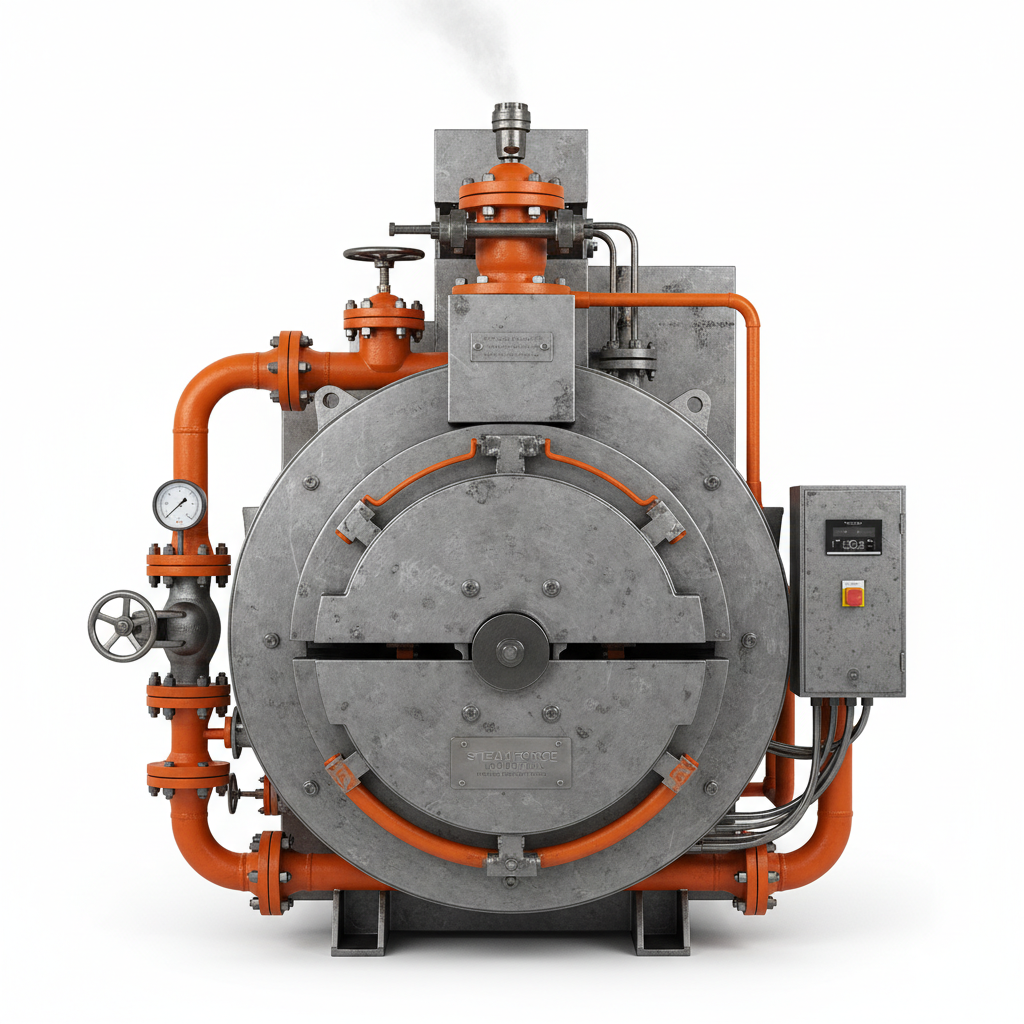
In the modern industrial landscape, efficiency is no longer just a competitive advantage but a necessity for survival. A waste heat steam generator serves as a critical bridge between energy loss and operational productivity, capturing thermal energy that would otherwise be vented into the atmosphere and converting it into usable high-pressure steam.
Globally, the push toward decarbonization and the stringent enforcement of ESG (Environmental, Social, and Governance) criteria have pushed manufacturers to rethink their thermal cycles. By implementing a sophisticated waste heat steam generator, enterprises can significantly reduce their reliance on primary fuel sources, thereby lowering both their carbon footprint and their monthly utility expenditures.
Understanding the mechanics and strategic deployment of these systems allows plant managers to optimize their energy balance. Whether integrated into a chemical plant, a steel mill, or a biomass facility, the waste heat steam generator transforms "waste" into a valuable asset, driving a circular economy within the industrial plant.
Global Relevance of Waste Heat Recovery
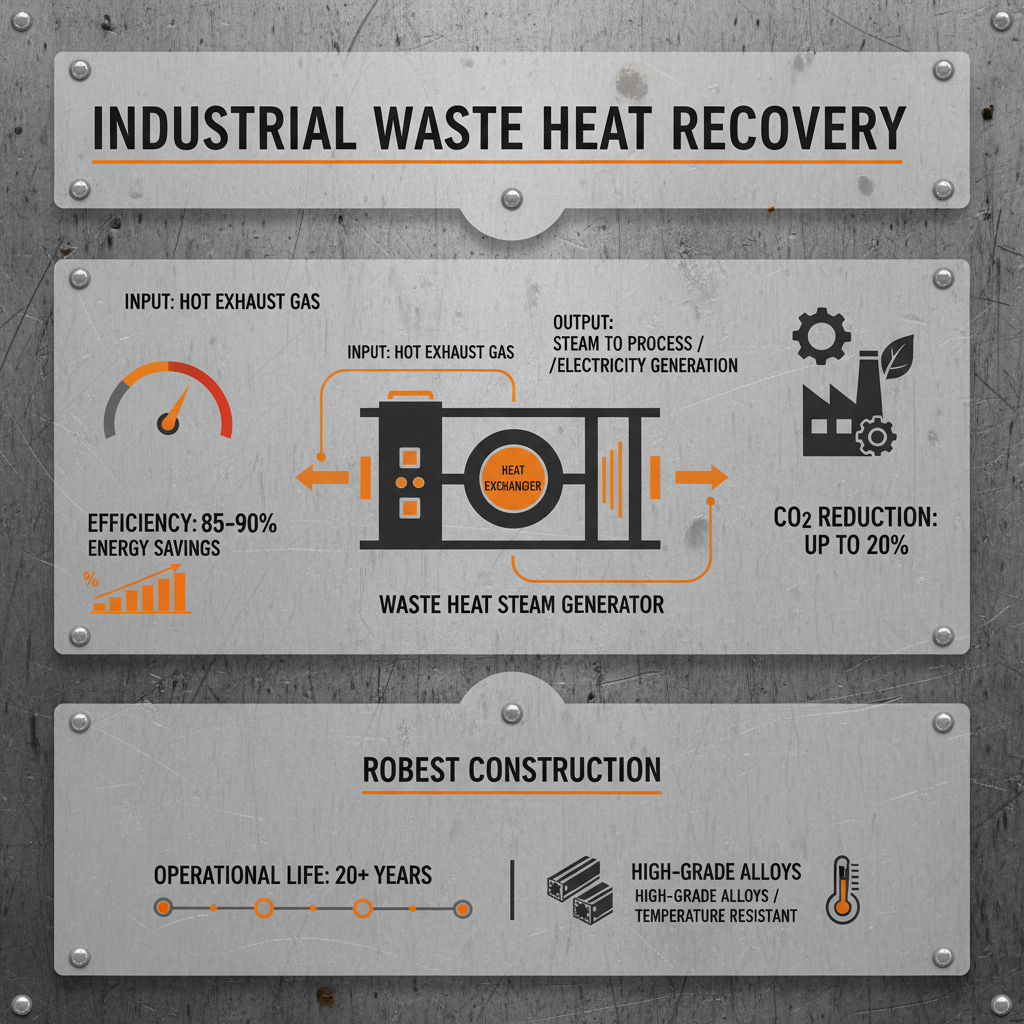
Across the globe, industrial heat loss remains one of the most significant inefficiencies in manufacturing. According to data aligned with ISO 50001 energy management standards, nearly 20% to 50% of industrial energy consumption is lost as waste heat. The introduction of a waste heat steam generator addresses this crisis by capturing exhaust gases or hot process fluids, effectively recycling energy that was previously discarded.
This global shift is driven not only by cost but by necessity. With the World Bank and various UN climate initiatives urging a reduction in greenhouse gas emissions, the ability to generate steam without burning additional coal or gas is paramount. By integrating these generators, industries in Europe, Asia, and North America are drastically reducing their thermal pollution and moving toward a more sustainable operational model.
Defining the Waste Heat Steam Generator
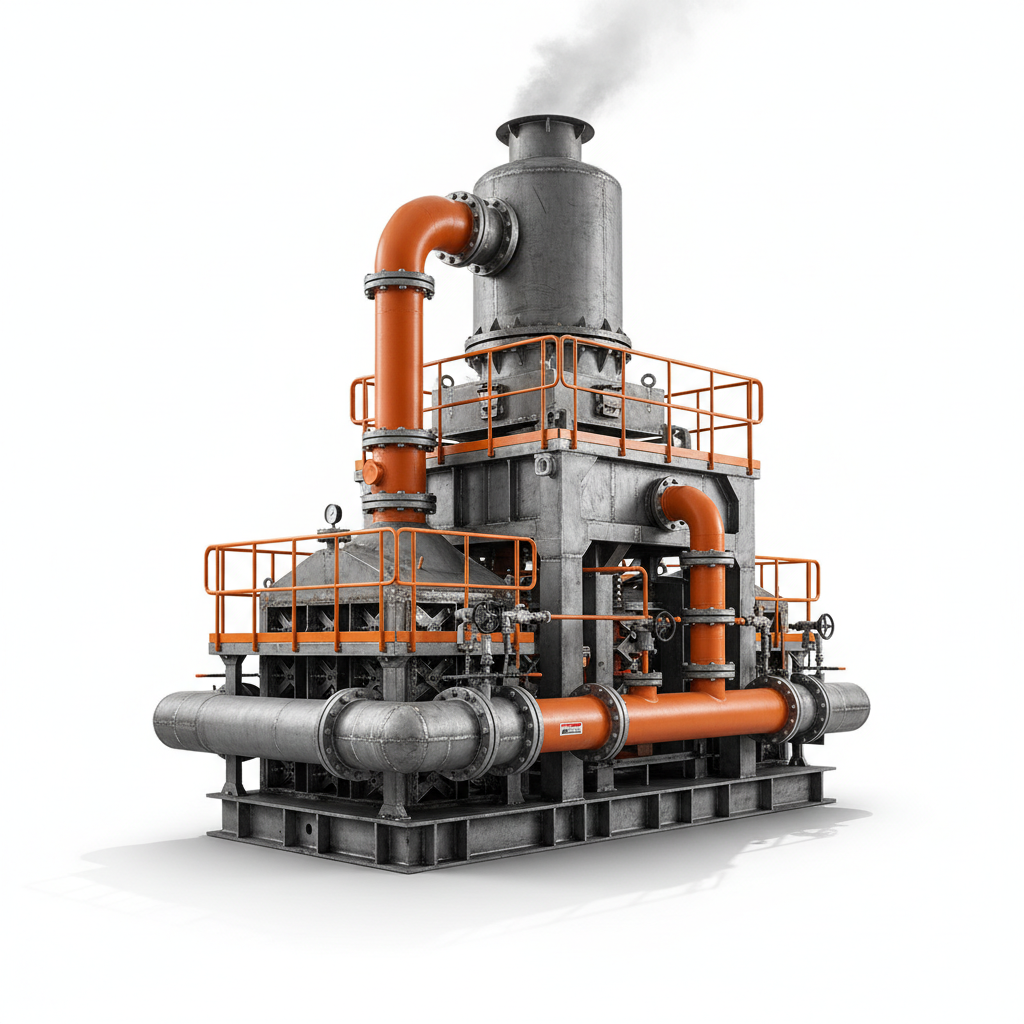
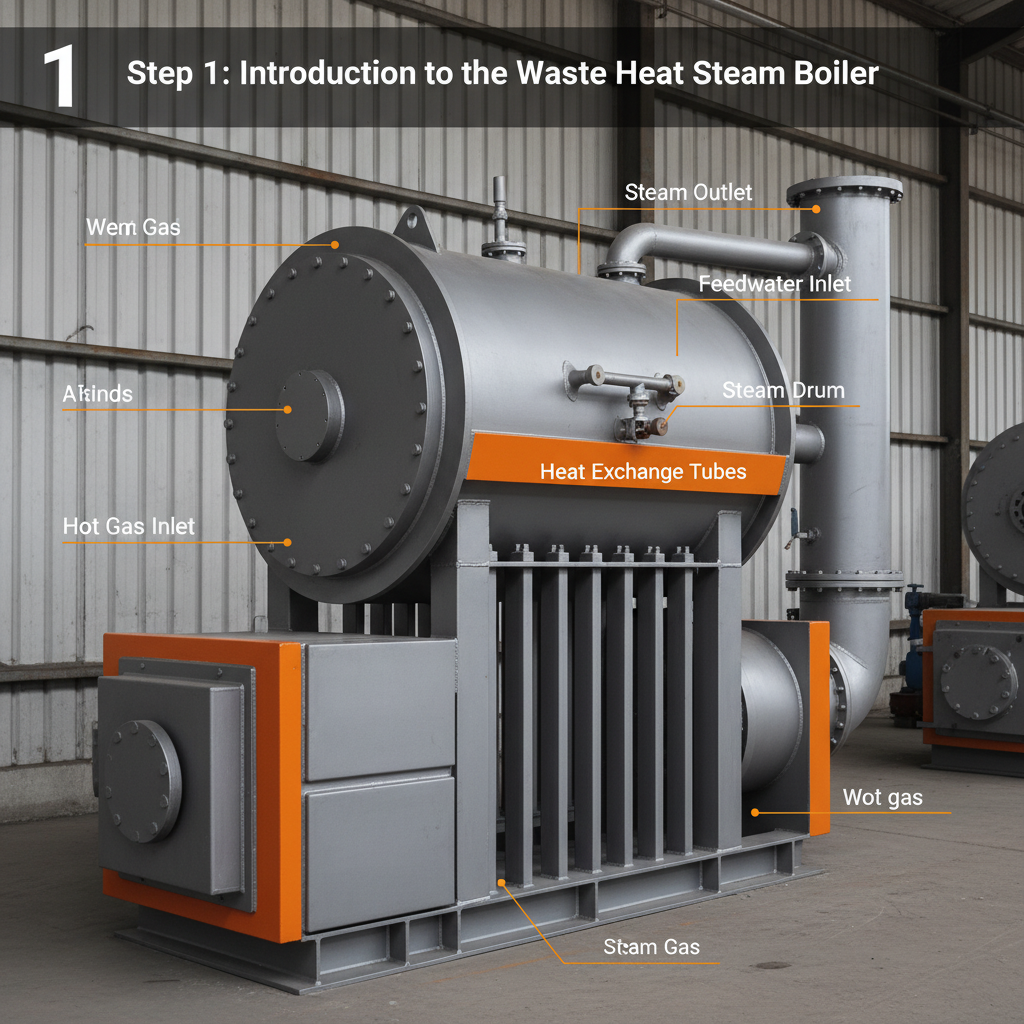
At its most fundamental level, a waste heat steam generator is a heat exchanger designed to transfer thermal energy from a hot waste stream (such as flue gas, turbine exhaust, or chemical reaction heat) to water, resulting in the production of steam. Unlike traditional boilers that require a primary combustion chamber to create heat, these systems act as "recuperators," utilizing existing energy flows to achieve phase change.
In the context of modern industry, this technology is the cornerstone of Combined Heat and Power (CHP) systems. By converting waste heat into steam, factories can power turbines, provide space heating, or supply the necessary thermal energy for chemical processes, thereby creating a symbiotic relationship between different stages of production.
For humanitarian and remote industrial needs, these generators provide a pathway to energy independence. In regions where fuel logistics are complex or expensive, leveraging the waste heat from existing machinery via a waste heat steam generator ensures that critical steam-based sterilization or heating processes can continue without relying on unstable external fuel chains.
Core Components for Maximum Efficiency
The effectiveness of a waste heat steam generator relies heavily on its material durability. Because waste heat streams often contain corrosive elements or operate at extreme temperatures, the use of high-grade alloy steels and specialized coatings is essential to prevent tube erosion and ensure a long operational lifespan.
Scalability and modularity are equally critical. A well-designed waste heat steam generator should be capable of adapting to fluctuating heat loads. By employing a modular tube-and-shell or finned-tube architecture, engineers can scale the capacity of the generator as the main production line expands, ensuring that no thermal energy goes to waste.
Finally, the integration of automated control systems ensures optimal heat transfer coefficients. By utilizing real-time sensors to monitor flow rates and temperature differentials, the system can automatically adjust water feed rates, maximizing the steam quality and preventing the risk of dry-out or overheating in the heat exchange bundles.
Industrial Applications and Use Cases
The deployment of a waste heat steam generator spans a vast array of sectors. In the petrochemical industry, the exothermic heat from chemical reactors is captured to produce low-pressure steam, which is then used for pre-heating raw materials. Similarly, in the glass and ceramics industry, the intense heat from kilns is recovered, reducing the total fuel required for the melting process.
In more specialized contexts, such as remote mining operations or post-disaster industrial recovery, these systems are integrated with diesel or gas generators. The heat from the engine exhaust is diverted through the generator to provide hot water and steam for worker housing and sanitation, demonstrating that thermal recovery is as much about human dignity and safety as it is about industrial profit.
Efficiency Comparison of Waste Heat Recovery Methods
Long-Term Economic and Environmental Value
The primary logic for investing in a waste heat steam generator is the dramatic reduction in OpEx (Operating Expenses). By lowering the demand for natural gas or biomass, companies see a direct increase in their profit margins. Over a five-to-ten-year horizon, the system typically pays for itself multiple times over through fuel savings alone.
Beyond the balance sheet, there is a profound psychological and social value. Companies that adopt waste heat recovery signal a commitment to innovation and environmental stewardship. This builds trust with shareholders and consumers alike, transforming the image of the factory from a "polluter" to a "sustainable producer," which is invaluable in the modern green economy.
Future Innovations in Thermal Capture
The future of the waste heat steam generator lies in the integration of Nanotechnology and AI. Advanced nano-coatings are being developed to increase the heat transfer coefficient of tubes, allowing generators to be smaller and more efficient. Meanwhile, AI-driven predictive maintenance can identify scaling or fouling within the generator before it impacts performance, ensuring 100% uptime.
Digital twins are also becoming standard. By creating a virtual replica of the steam generator, operators can simulate different load scenarios to find the "sweet spot" of energy recovery without risking actual hardware. This digital transformation allows for a level of precision in thermal management that was previously impossible.
Moreover, the shift toward "Green Hydrogen" is creating new opportunities. Future generators may be designed to work in tandem with electrolyzers, using waste heat to improve the efficiency of hydrogen production, further intertwining waste heat recovery with the global energy transition.
Overcoming Implementation Challenges
Despite the benefits, implementing a waste heat steam generator often faces the challenge of "integration friction." Many plants are legacy facilities with limited space, making the retrofitting of large heat exchangers difficult. The solution lies in custom-engineered, compact designs and the use of high-flux tubes that maximize surface area in a smaller footprint.
Another common hurdle is the issue of fluid fouling—the buildup of deposits on the heat transfer surfaces. Expert insights suggest the implementation of automated soot-blowing systems or sonic cleaners that remove deposits in real-time without requiring a complete system shutdown, thus maintaining high thermal efficiency.
Finally, the initial capital expenditure (CapEx) can be a deterrent. However, by analyzing the "Levelized Cost of Steam," companies can see that the cost per kg of steam produced by a waste heat generator is significantly lower than that of a traditional boiler, justifying the investment through a rigorous ROI analysis.
Comparative Analysis of Waste Heat Steam Generator Configurations
| Configuration Type |
Heat Transfer Rate |
Maintenance Complexity |
Investment ROI |
| Shell and Tube |
Moderate |
Low |
High |
| Finned Tube |
High |
Moderate |
Very High |
| Plate Heat Exchanger |
Very High |
High |
Moderate |
| Heat Pipe Array |
Extreme |
Low |
Moderate |
| Spiral Coil |
Moderate |
Moderate |
High |
| Modular Compact |
High |
Low |
High |
FAQS
A regular boiler creates heat through the combustion of fuel (like gas or coal). In contrast, a waste heat steam generator does not have its own fuel source; it recovers thermal energy from an existing waste stream of another process to boil water into steam. It is essentially an energy recovery tool rather than an energy creation tool.
Yes, provided the materials are chosen correctly. For corrosive environments, we utilize high-nickel alloys, stainless steel, or specialized ceramic coatings. Proper chemical analysis of the waste stream is performed during the design phase to ensure the generator's longevity and prevent premature corrosion.
While it varies by industry and energy costs, most industrial users see a full ROI within 18 to 36 months. The payback is driven by the drastic reduction in fuel consumption for steam production and potential carbon tax credits available in many jurisdictions.
Not necessarily. By using modular designs and strategic tie-ins, much of the installation can occur offline. The final integration typically requires a short, planned outage, which can be synchronized with annual maintenance schedules to minimize production loss.
The primary maintenance task is preventing fouling and scaling. This involves regular water quality checks for the feed water and periodic cleaning of the heat exchange surfaces. Automated systems like soot blowers can significantly reduce the need for manual cleaning.
Depending on the temperature of the waste heat source, yes. High-temperature exhaust can produce superheated steam suitable for power generation. However, many systems produce saturated steam, which is ideal for process heating, sterilization, and climate control.
Conclusion
The integration of a waste heat steam generator represents a strategic evolution in industrial engineering, turning the liability of waste heat into a tangible economic asset. By focusing on high-grade materials, modular scalability, and intelligent control systems, manufacturers can achieve a rare synergy: increasing their profitability while simultaneously decreasing their environmental impact.
Looking forward, as the global community moves toward a net-zero future, thermal recovery will transition from an "optional upgrade" to a mandatory standard for industrial viability. We encourage plant operators to audit their thermal losses and explore the potential of waste heat recovery to secure a sustainable and cost-effective operational future. Visit our website: www.yinengboilers.com