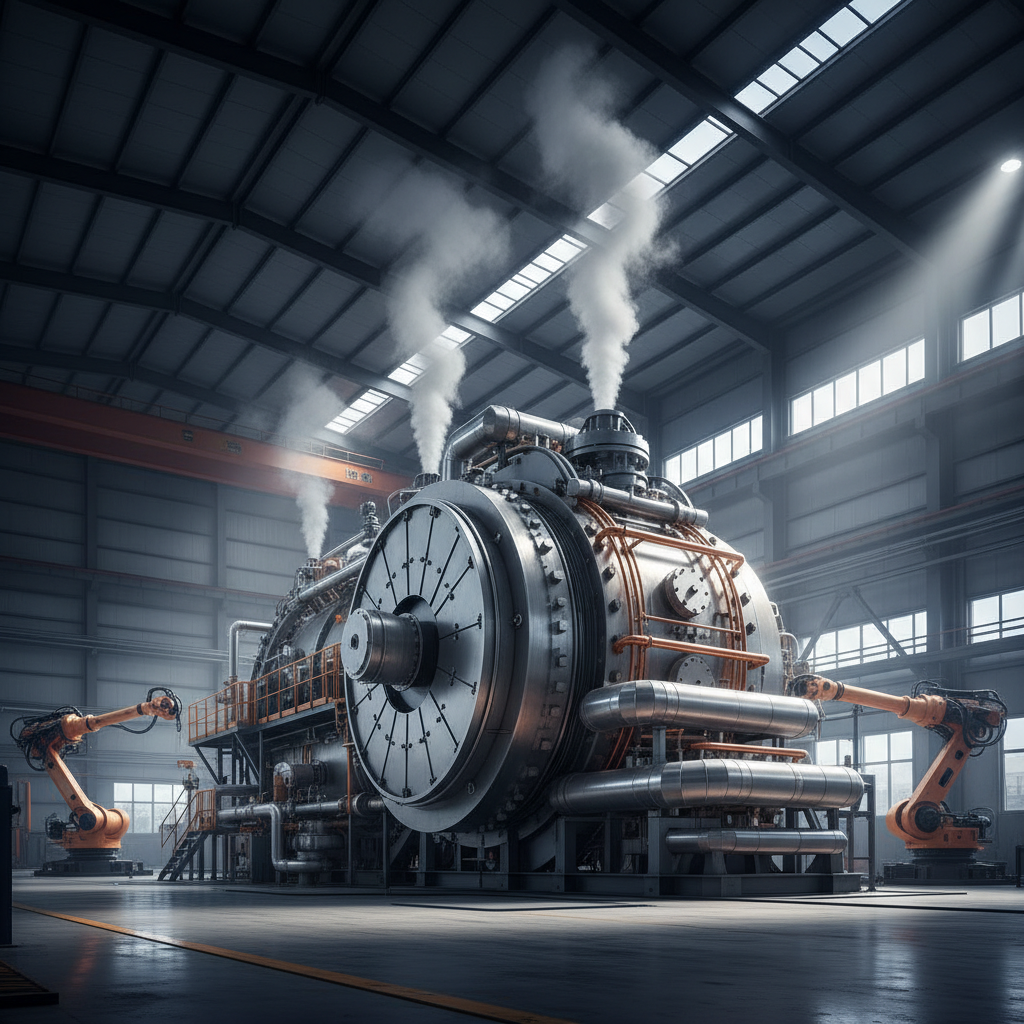
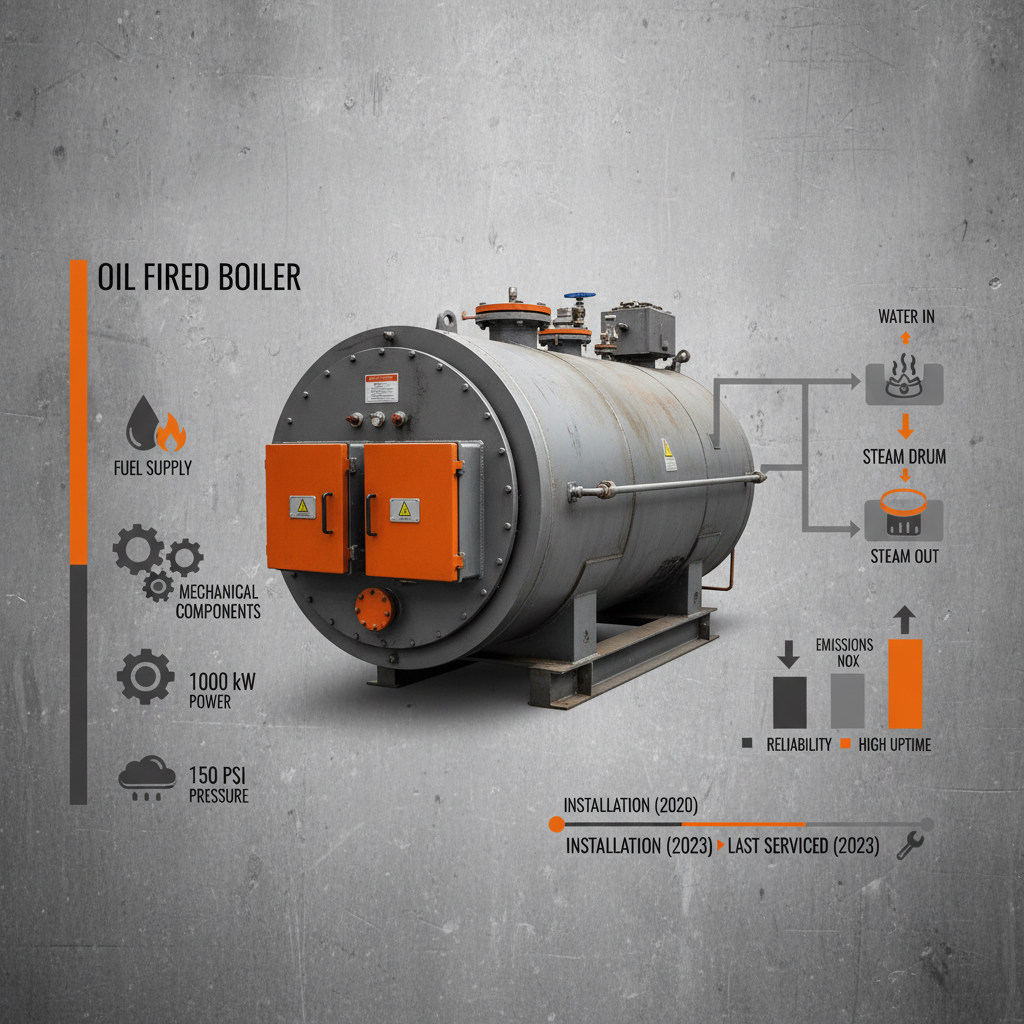
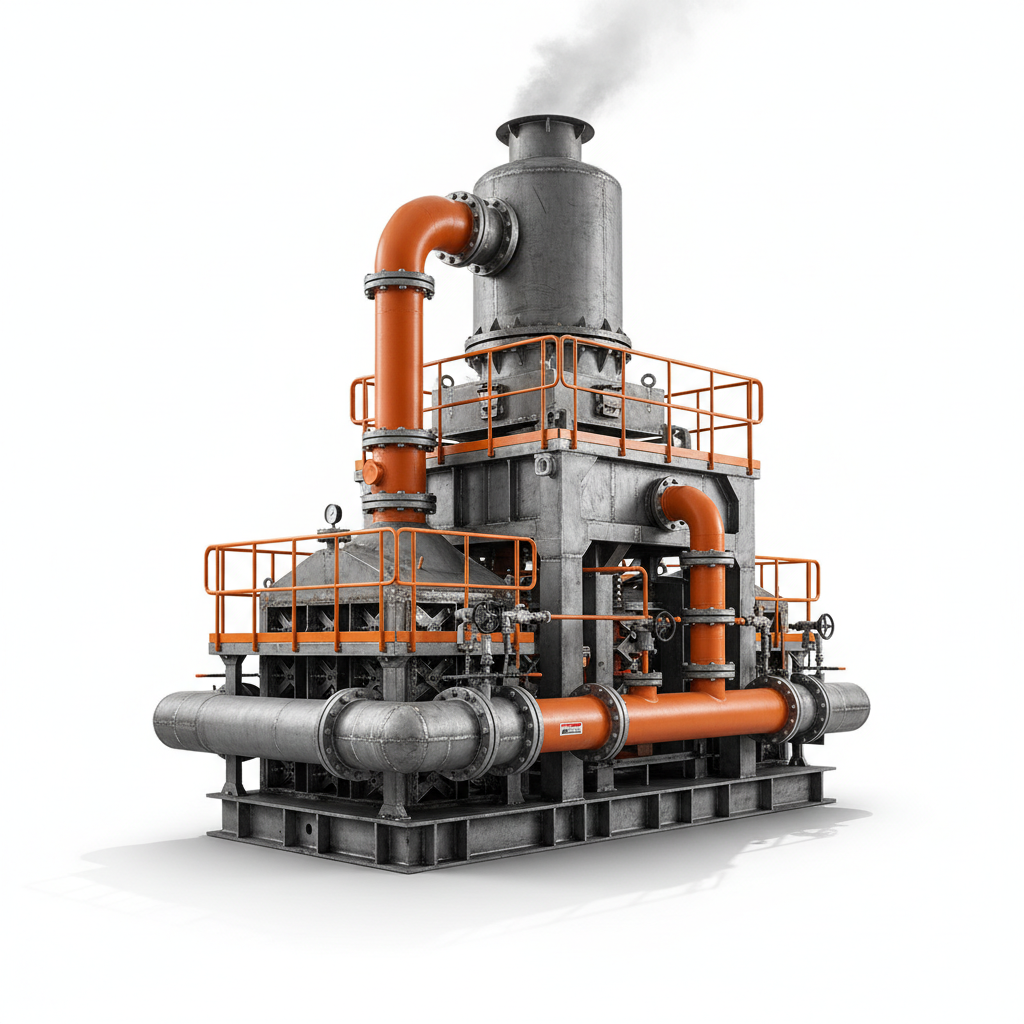
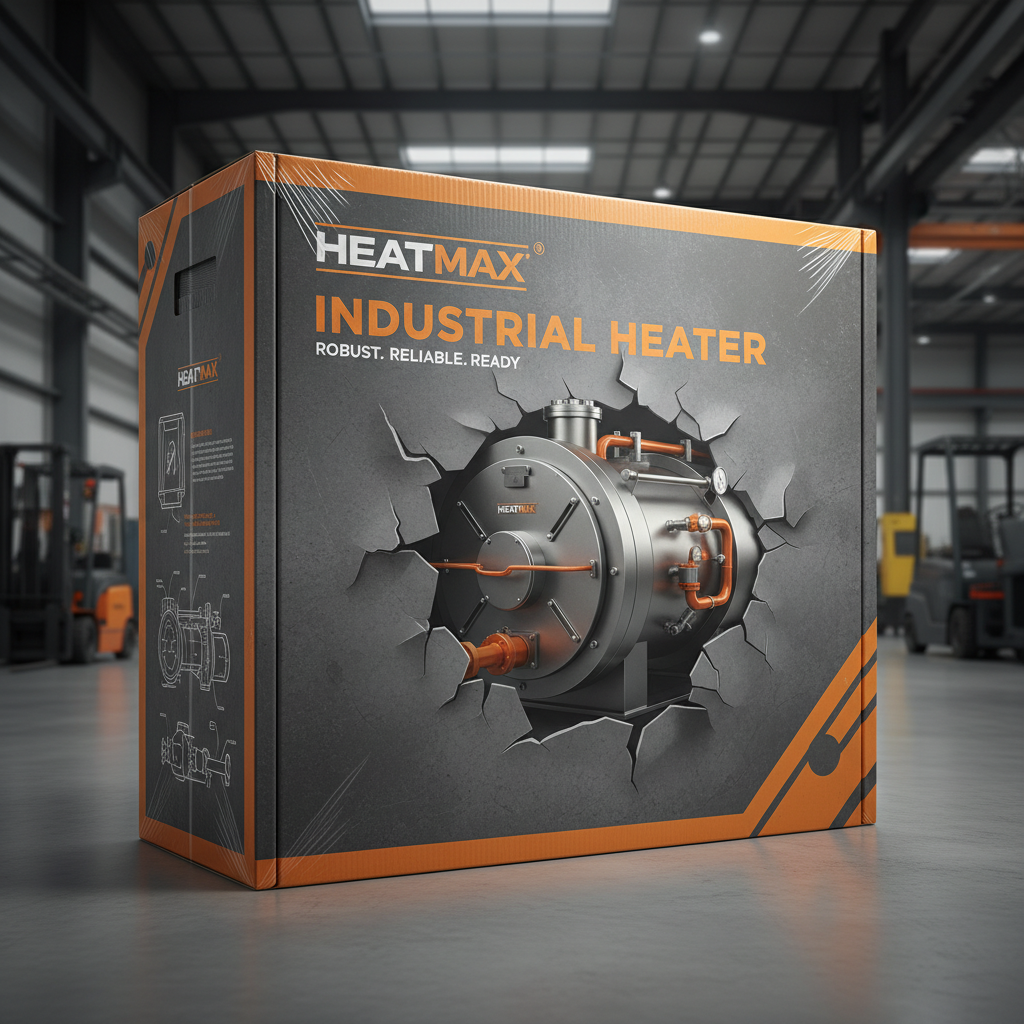
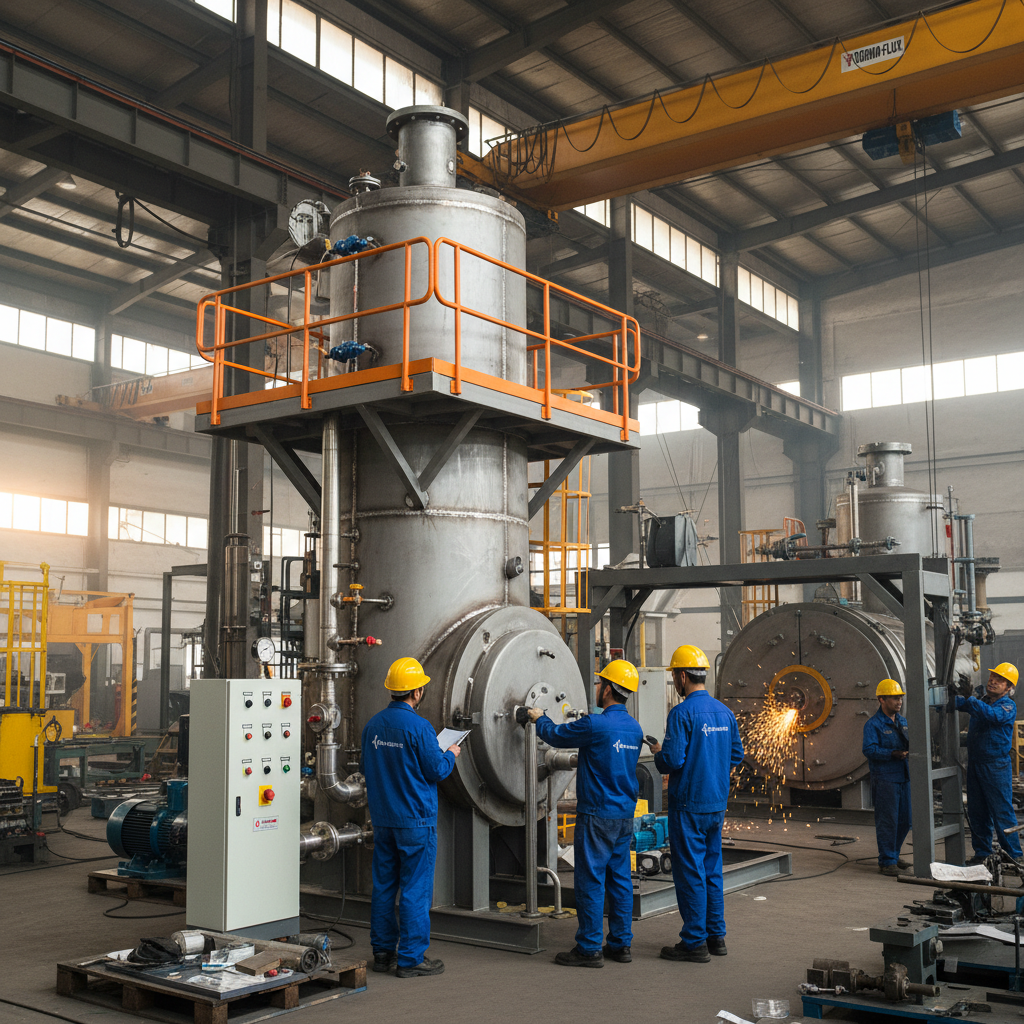
In the demanding landscape of industrial heating, the oil fired boiler remains a cornerstone of reliability and high-energy output. These systems are engineered to provide consistent thermal energy by combusting liquid fuels, making them indispensable for sectors that require rapid steam generation or precise temperature control. Understanding the nuances of these boilers is essential for facility managers looking to optimize their energy expenditure while maintaining rigorous production standards.
Globally, the shift toward more efficient thermal solutions has repositioned the role of oil-based heating. While the world moves toward electrification, the energy density and portability of oil fuels ensure that these boilers remain the primary choice for remote industrial sites and heavy-duty manufacturing plants. The ability to scale capacity quickly and the lower initial infrastructure cost compared to extensive gas pipelines make them a strategic asset in global industrial logistics.
For professionals in the environmental and energy equipment sector, mastering the operation of an oil fired boiler means balancing high-performance output with evolving emission standards. By integrating modern burner technology and advanced heat recovery systems, industries can leverage the power of oil combustion while significantly reducing their environmental footprint, ensuring a sustainable bridge between traditional fuel reliability and future green energy goals.
Global Context and Industrial Relevance of Oil Fired Boilers
On a global scale, the demand for high-pressure steam and thermal oil is driven by the relentless pace of the manufacturing sector. According to industrial energy benchmarks, oil-fired systems are often preferred in regions where natural gas infrastructure is absent or unreliable. The oil fired boiler solves the critical problem of energy independence for factories located in remote zones, providing a portable and potent energy source that keeps production lines moving without reliance on municipal grids.
Furthermore, the flexibility of these systems allows them to handle varying grades of fuel, from light diesel to heavy fuel oil (HFO). This versatility is crucial in volatile energy markets, allowing companies to pivot their fuel sourcing based on cost and availability. By integrating sophisticated control systems, modern industrial plants can maintain a steady thermal output, ensuring that precision processes—such as chemical synthesis or food sterilization—are never interrupted by energy fluctuations.
Defining the Modern Oil Fired Boiler System
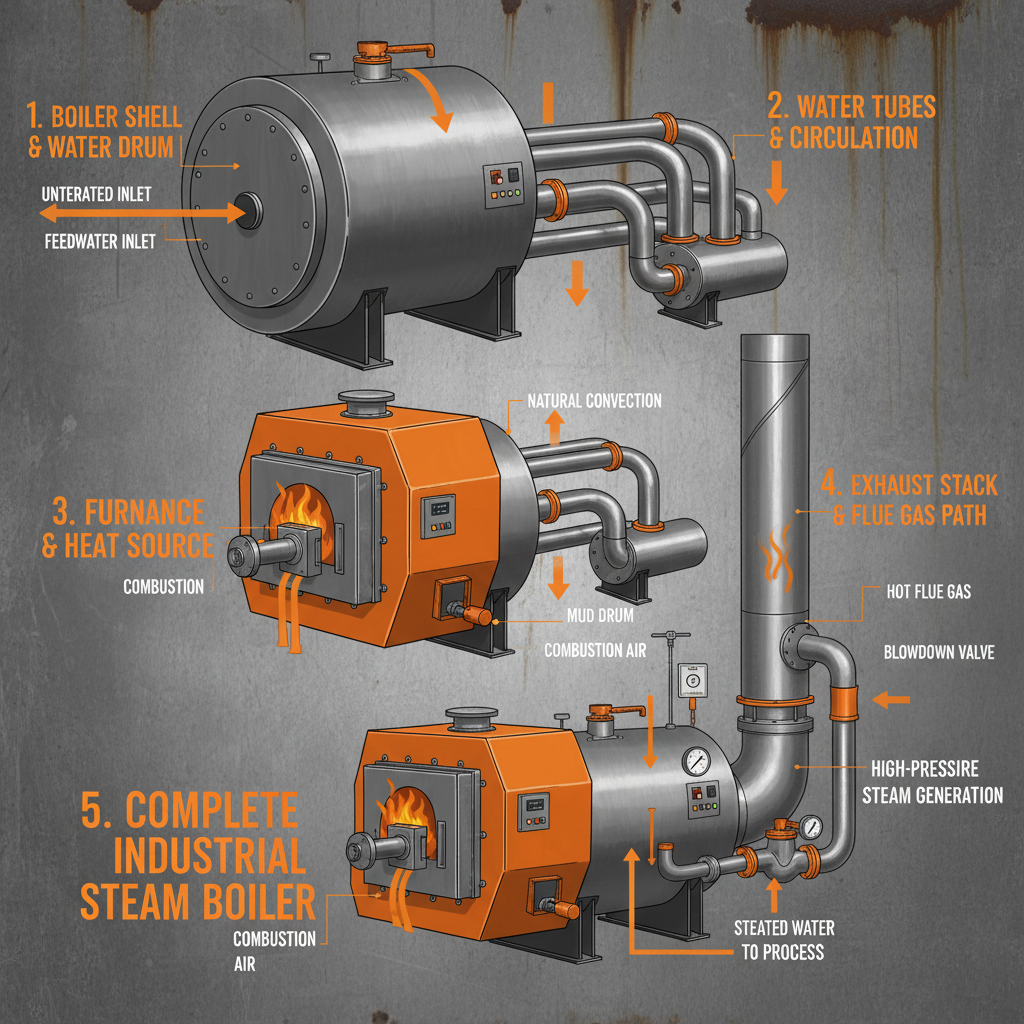
At its most fundamental level, an oil fired boiler is a closed-pressure vessel designed to transfer heat from the combustion of liquid fuel to a working fluid, typically water or thermal oil. Unlike coal-fired systems, which require extensive ash handling, or electric boilers, which can be prohibitively expensive in terms of operational electricity costs, oil boilers offer a compact footprint and a high rate of heat release.
In modern industry, these systems are no longer seen as simple "burners and tanks." They are now complex thermal plants incorporating automated fuel atomization, precision airflow control, and multi-stage heat exchangers. This evolution ensures that the combustion process is as complete as possible, maximizing the BTU output per gallon of fuel and minimizing the discharge of unburnt hydrocarbons into the atmosphere.
Beyond the technical definition, these boilers represent a critical link in humanitarian and emergency infrastructure. In post-disaster recovery zones where power grids have collapsed, mobile oil-fired steam units are often deployed to provide sterilization for medical equipment and heating for temporary shelters, proving that the reliability of liquid fuel combustion is a vital safety net for global resilience.
Core Components for Maximum Operational Efficiency
The heart of any high-performing oil fired boiler is the burner assembly. This component is responsible for the precise atomization of fuel, turning thick liquid oil into a fine mist that can ignite rapidly and evenly. When paired with a high-efficiency blower, the burner ensures an optimal air-to-fuel ratio, which is the primary factor in preventing soot buildup and reducing fuel waste.
Durability is further enhanced by the selection of heat exchanger materials. Modern boilers utilize specialized alloys and reinforced tube sheets to withstand the corrosive nature of combustion by-products and the intense thermal stress of rapid cycling. This focus on structural integrity ensures that the boiler can operate for decades with minimal downtime, providing a stable ROI for the industrial operator.
Finally, the integration of an automated control system (PLC) allows for real-time modulation of the flame based on the actual steam demand. This "intelligent" approach to heating prevents the common problem of over-firing, which not only saves fuel but also extends the lifespan of the refractory lining and the pressure vessel, making the oil fired boiler a sustainable choice for long-term industrial use.
Performance Metrics and Scalability Analysis
When evaluating the efficiency of an oil fired boiler, operators typically look at the "combustion efficiency" and the "thermal response time." Because liquid fuels ignite almost instantaneously compared to solid fuels, these boilers can reach target temperatures in a fraction of the time. This rapid scalability is a key advantage for batch processing industries where heat is required in bursts rather than a constant stream.
To better understand how different configurations perform, we analyze the ratings of various design approaches. From traditional fire-tube designs to advanced water-tube systems, each offers a different balance of pressure capacity and fuel economy. The following data highlights the performance ratings of various oil fired boiler configurations across key industrial metrics.
Efficiency Ratings by Oil Fired Boiler Configuration
Global Applications across Diverse Industries
The versatility of the oil fired boiler allows it to be deployed in a vast array of environments. In the textile industry, for instance, these boilers provide the high-pressure steam necessary for dyeing and finishing fabrics, where precise temperature control is non-negotiable for quality consistency. Similarly, in the food and beverage sector, they are used for large-scale pasteurization and cooking processes, ensuring hygiene and efficiency.
Beyond traditional factories, these systems are vital in remote industrial zones, such as offshore oil platforms or mining camps in the Arctic. In these regions, where the environment is hostile and infrastructure is non-existent, the oil fired boiler serves as the primary source of heat for both industrial processing and personnel habitation, proving its worth as a rugged, all-weather energy solution.
Long-Term Value and Reliability Advantages
Investing in a high-quality oil fired boiler is often a decision based on risk mitigation. The inherent reliability of oil combustion means that enterprises are not subject to the price spikes or supply chain interruptions that often plague natural gas or biomass markets. This stability allows for more accurate long-term budgeting and operational planning.
From a psychological perspective, the "trust factor" associated with oil boilers is significant. Engineering teams value the simplicity of the fuel delivery system—tanks and pumps—which are far easier to maintain and repair than complex gas pipelines or biomass conveyor systems. This reduction in technical complexity translates to fewer unplanned outages and a higher sense of security for plant operators.
Moreover, the long-term value is realized through the system's ability to be upgraded. Many oil fired boiler units can be retrofitted with dual-fuel burners, allowing them to switch between oil and gas. This future-proofs the investment, ensuring that as local energy policies change, the facility can adapt without needing to replace the entire boiler infrastructure.
Future Innovations in Oil Combustion Technology
The future of the oil fired boiler is being shaped by the drive toward "Ultra-Low Emission" (ULE) standards. We are seeing the introduction of advanced SCR (Selective Catalytic Reduction) systems that drastically reduce NOx emissions, making oil combustion compatible with the strictest environmental regulations in Europe and North America.
Digital transformation is also playing a pivotal role. The integration of IoT sensors allows for predictive maintenance, where AI algorithms can detect a drop in combustion efficiency or a slight increase in flue gas temperature before a failure occurs. This transition from reactive to proactive maintenance ensures that the oil fired boiler operates at peak performance throughout its entire lifecycle.
Furthermore, the emergence of biofuels and synthetic "green" oils is transforming the carbon footprint of these systems. By replacing traditional petroleum-based fuels with carbon-neutral alternatives, the industrial sector can maintain the high-energy density and reliability of the oil-fired system while aligning with global net-zero targets.
Comparison of Oil Fired Boiler Technology Evolutions
| Technology Era |
Control Mechanism |
Emission Level |
Efficiency Score (1-10) |
| Traditional Mechanical |
Manual Valve/Dial |
High |
5 |
| Early Automated |
Basic PID Controller |
Moderate |
7 |
| Modern Digital |
PLC/SCADA System |
Low |
8 |
| IoT Integrated |
AI-Driven Optimization |
Ultra-Low |
9 |
| Bio-Fuel Ready |
Smart Fuel Blending |
Carbon Neutral |
9 |
| Next-Gen Hybrid |
Adaptive Energy Mgmt |
Minimum |
10 |
FAQS
While the initial installation of an oil fired boiler is often lower because it doesn't require expensive gas pipeline infrastructure, the operational cost depends on current fuel market prices. Oil typically offers higher energy density, which can be more cost-effective for high-load, intermittent applications, whereas gas is often cheaper for constant, low-load heating in urban areas.
Yes, emissions can be significantly reduced by upgrading the burner to a low-NOx model or installing an economizer to recover waste heat from the flue gases. Additionally, switching to high-quality low-sulfur diesel or certified biofuels can drastically lower the environmental impact of your oil fired boiler without replacing the entire unit.
Key maintenance tasks include regular cleaning of the soot from the heat exchanger surfaces, checking the fuel nozzle for carbon buildup, and calibrating the air-to-fuel ratio. A well-maintained oil fired boiler can operate at peak efficiency for years, preventing costly emergency repairs and reducing fuel consumption.
Absolutely. Depending on the design, an oil fired boiler can be configured as a steam boiler for industrial processes or a hot water boiler for space heating. Most industrial units are versatile, and many manufacturers offer configurations that can be adapted based on the specific thermal requirements of the facility.
With proper water treatment and regular maintenance, a high-quality oil fired boiler can last between 20 to 30 years. The longevity depends largely on the quality of the pressure vessel materials and how well the system is protected against internal corrosion and external environmental wear.
The primary risks include fuel leaks and incomplete combustion leading to carbon monoxide buildup. However, modern oil fired boiler systems incorporate multiple safety layers, including flame sensors, automatic shut-off valves, and pressure relief valves, which virtually eliminate these risks when the equipment is installed by certified professionals.
Conclusion
The oil fired boiler remains an essential tool in the global industrial toolkit, offering a unique blend of energy density, rapid response, and operational independence. By focusing on high-efficiency burners, durable materials, and intelligent control systems, companies can ensure that their thermal energy needs are met with maximum reliability and minimum waste. From remote mining operations to precision textile plants, the ability to generate consistent heat regardless of external infrastructure is a competitive advantage that cannot be overlooked.
Looking forward, the integration of green fuels and AI-driven maintenance will further solidify the relevance of oil-fired technology in a decarbonizing world. We recommend that industrial operators begin auditing their current systems for upgrade potential—particularly in the realm of low-emission burners—to balance productivity with environmental stewardship. For those seeking high-performance thermal solutions tailored to their specific industrial needs, we invite you to explore our range of advanced equipment. Visit our website: www.yinengboilers.com