BOILER EXPERT
Since 1983, more than 40 years boiler experience

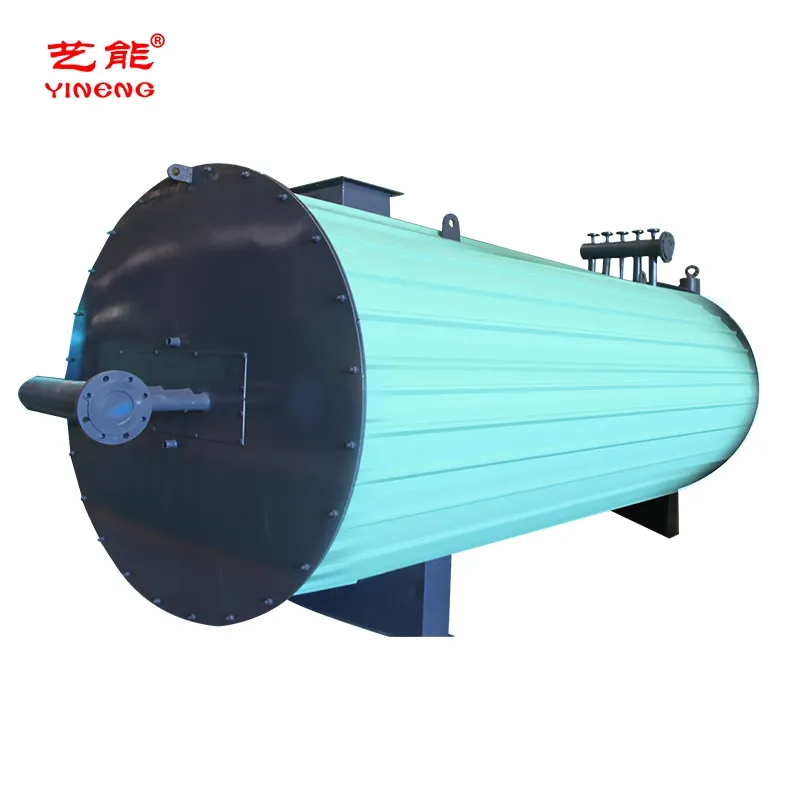
Industrial thermal oil boiler Solutions for Kenya's Manufacturing Sector

Providing high-efficiency thermal energy systems tailored to the unique industrial landscape of East Africa to drive productivity and sustainability.

Industrial thermal oil boiler Solutions for Kenya's Manufacturing Sector

Advanced heating solutions designed to optimize energy consumption and maximize operational stability for Kenyan factories, from tea processing to chemical manufacturing.

Current State of Industrial Heating in Kenya

Analyzing the intersection of energy accessibility and industrial demand in the Kenyan market.

Kenya's manufacturing sector, particularly in Nairobi and Mombasa, relies heavily on thermal energy. However, the market is currently characterized by a mix of aging legacy systems and a growing demand for modern boiler technology that can handle fluctuating fuel costs and inconsistent power grids.

Environmental regulations in Kenya are becoming stricter, pushing industries to move away from inefficient biomass burning toward a specialized steam boiler setup that reduces carbon emissions while maintaining high output for textile and food processing plants.

The geographic diversity of Kenya, from the highlands to the coast, means that water quality varies significantly, creating a critical need for robust water boiler systems with integrated treatment to prevent scaling and corrosion in harsh operational environments.
Evolution and Trajectory of Thermal Equipment

From traditional fuel combustion to intelligent energy recovery systems.

Market Development History

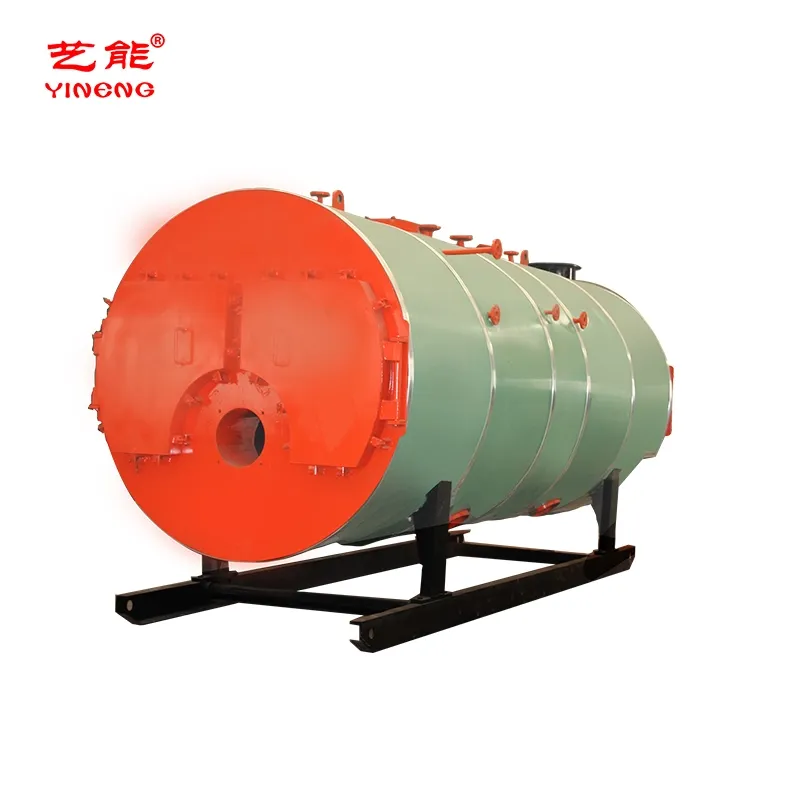
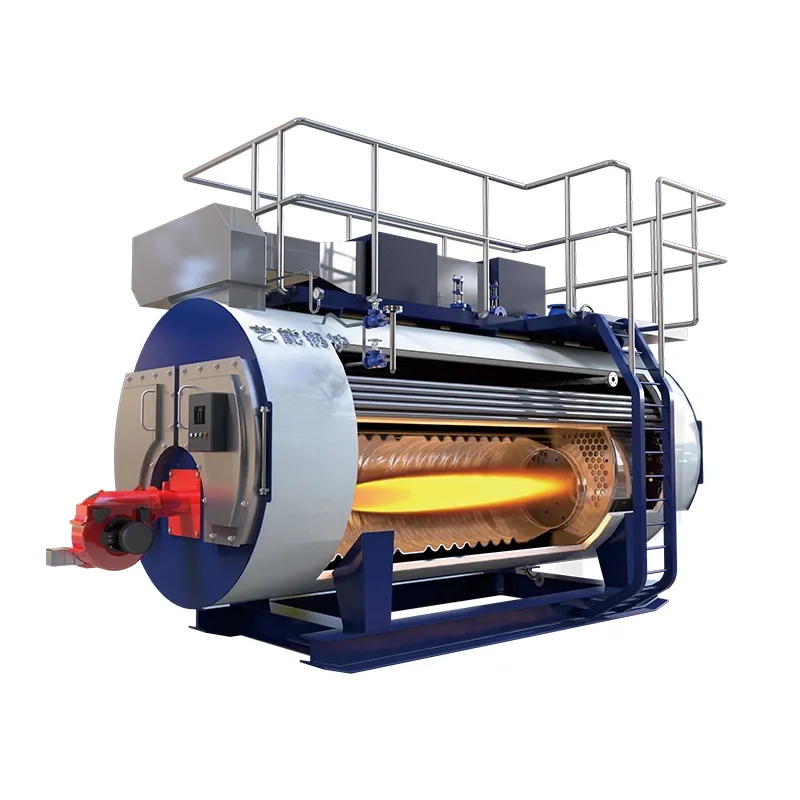
From 1990 to 2010, the Kenyan market was dominated by basic fire-tube boilers focusing on simple steam generation for small-scale agriculture. Efficiency was low, and manual control was the norm.

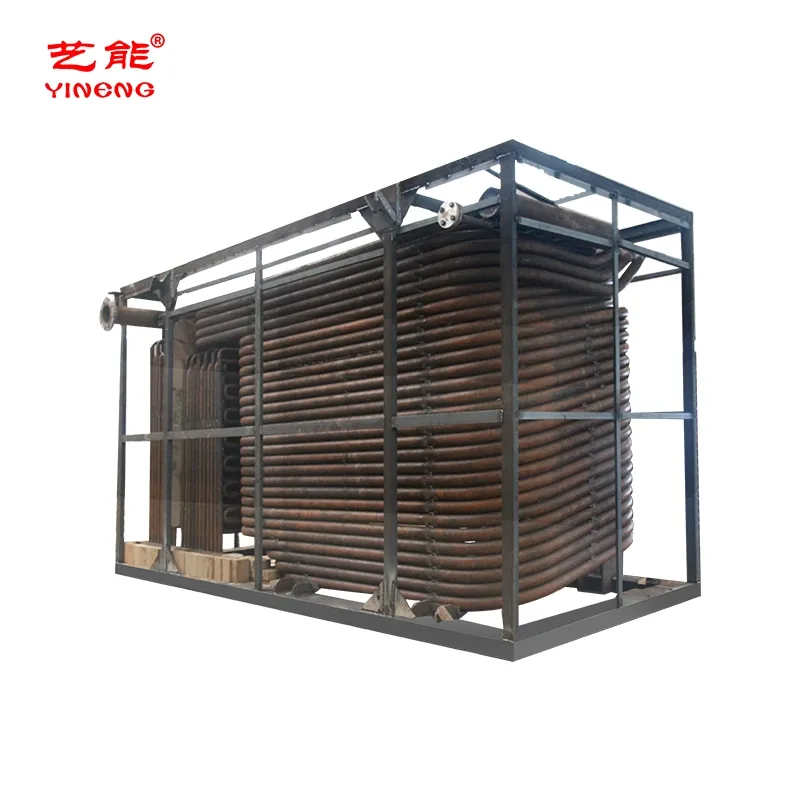
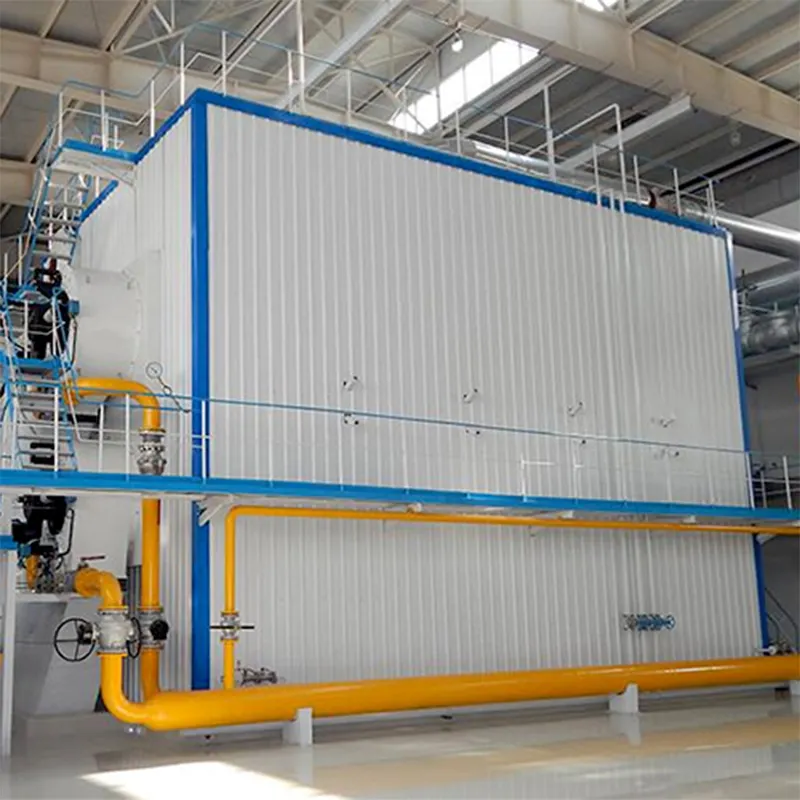
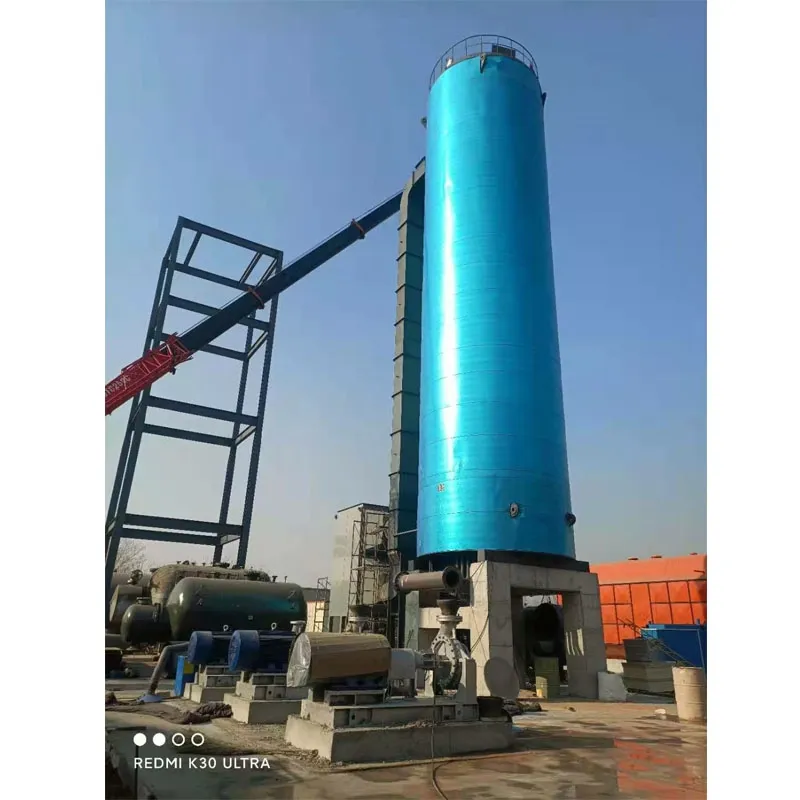
Between 2011 and 2020, there was a shift toward automation and the introduction of the waste heat boiler to recover energy from existing industrial exhausts, reflecting a growing awareness of operational costs.

Since 2021, the trend has accelerated toward "Smart Thermal Management," integrating IoT sensors and high-pressure capacities to support the "Big Four Agenda" for industrialization in Kenya.

Future Development Trends

Hybrid Fuel Integration

Moving toward systems that can switch between LPG, biomass, and electricity to ensure continuous operation regardless of fuel supply chain disruptions.

Digital Twin Monitoring

The adoption of remote monitoring systems allowing Kenyan engineers to predict maintenance needs and prevent costly downtime in real-time.

Zero-Emission Thermal Cycles

Integration of carbon capture and heat pumps to create a closed-loop energy system, aligning with Kenya's vision for a green economy.

Industry Trends and Future Outlook

Strategic forecasts for the thermal energy sector in East Africa.

Energy Efficiency Optimization
Implementing high-efficiency burners and insulation to reduce fuel consumption by up to 20% in Kenyan plants.
Automated Control Systems
Transitioning from manual valves to PLC-based automated systems for precise temperature and pressure control.
Waste Heat Recovery
Widespread installation of economizers and air preheaters to utilize exhaust gas, lowering total fuel costs.
Sustainable Fuel Transition
Shifting from heavy fuel oils to clean-burning biomass pellets and LNG for environmental compliance.

Industry Outlook

Based on regional search trends, there is a surge in interest for "modular boiler systems" in Kenya, suggesting a move toward scalable installations that grow with the business rather than massive upfront investments.

The future will see a convergence of thermal engineering and digital infrastructure, where the "Internet of Boilers" allows for centralized energy management across multiple factory sites in East Africa.

Localized Application Scenarios in Kenya

Practical implementations of thermal equipment across key Kenyan industries.

1. Tea Processing Plants in Kericho

Utilization of high-capacity steam systems for the withering and drying process, ensuring consistent leaf quality despite altitude variations.

2. Textile Mills in Nairobi

Implementation of precise thermal oil systems for fabric dyeing and finishing, where uniform temperature control is critical for color consistency.

3. Dairy and Beverage Production

Integration of food-grade steam boilers for pasteurization and sterilization, meeting international health and safety standards for export.

4. Cement and Steel Fabrication

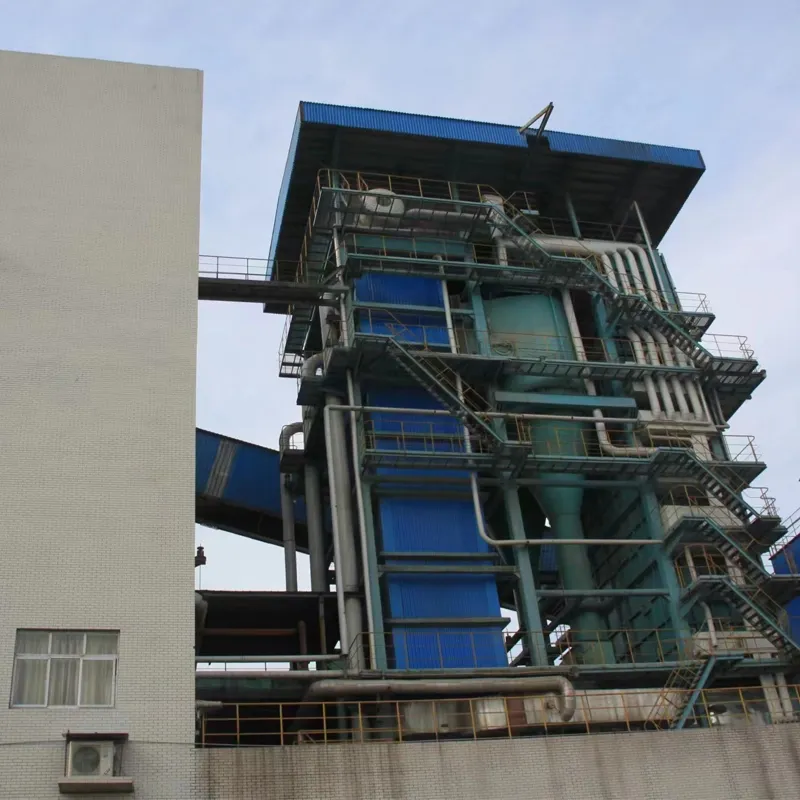
Deployment of waste heat recovery systems to capture furnace exhaust, significantly reducing the operational cost of heavy material processing.

5. Hotel and Hospitality in Mombasa

Installation of efficient water heating systems for large-scale laundry and guest services, optimizing energy use in coastal humidity.

Brand Story

Global Development History of Hebei Yinen Boiler Co., Ltd.

Foundation and Technical Roots

Established with a mission to solve the core inefficiencies of industrial heating, focusing on the durability of boiler shells and combustion precision.

Innovation in Thermal Fluid

Pioneered advanced thermal oil designs that eliminated the risk of high-pressure explosions, providing a safer alternative for chemical plants.

Global Market Expansion

Extended operational footprints into Africa and Southeast Asia, adapting equipment to work with local fuels and water conditions.

Commitment to Green Energy

Developed a comprehensive line of waste heat recovery systems to help global clients achieve carbon neutrality goals.

Industry Leadership Today

Now recognized as a leading provider of integrated thermal solutions, bridging the gap between traditional manufacturing and Industry 4.0.

Complete Thermal Equipment Portfolio for Kenya

A full range of industrial heating solutions tailored for the East African manufacturing environment.

Common Questions for Kenyan Industrialists

Expert answers to the most frequent technical and logistical queries in the region.

How to choose the right steam boiler for tea processing in Kenya?

You should evaluate the total steam demand per hour and the available fuel source. For tea factories, we recommend boilers with high-efficiency burners that can handle biomass or diesel interchangeably to avoid supply chain risks.

What are the benefits of a thermal oil boiler over steam for chemical plants?

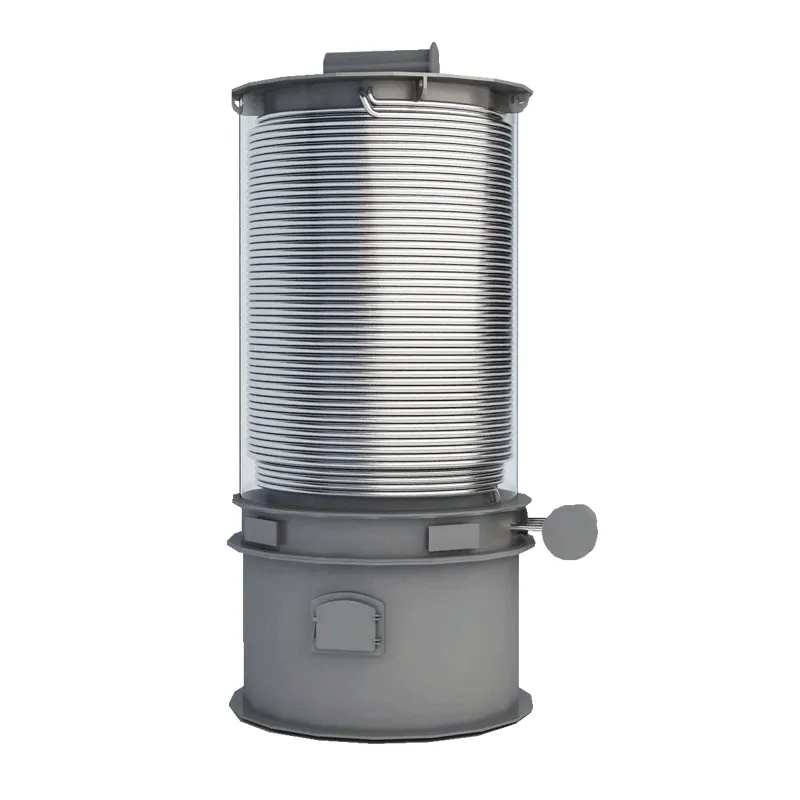
Thermal oil systems operate at higher temperatures with much lower pressures, reducing the risk of explosions and eliminating the need for extensive water treatment, which is often a challenge in various Kenyan regions.

Can a waste heat boiler significantly reduce electricity costs in Nairobi factories?

Yes, by capturing exhaust heat from primary furnaces or generators, a waste heat boiler can preheat feed water or provide space heating, potentially reducing fuel and electricity overheads by 15-30%.

How do I prevent scaling in my water boiler with Kenyan hard water?

We recommend installing a professional water softening system and implementing a regular blowdown schedule. Using a water boiler with an integrated desalination module is highly effective for coastal areas like Mombasa.

What maintenance cycle is recommended for industrial boilers in East Africa?

Due to dust and fuel impurities, we suggest a quarterly inspection of burners and a comprehensive annual overhaul of the heat exchanger surfaces to maintain peak efficiency.

Are your boiler systems compliant with Kenya's environmental laws?

Absolutely. Our equipment is designed to meet international emission standards, helping Kenyan businesses comply with NEMA regulations through low-NOx burners and optimized combustion.

Get Your Customized Thermal Energy Plan

Our engineers are ready to help you optimize your industrial heating efficiency in Kenya. Let's build a sustainable future together.

Contact Us Now

If you are interested in our products, you can choose to leave your information here, and we will be in touch with you shortly.