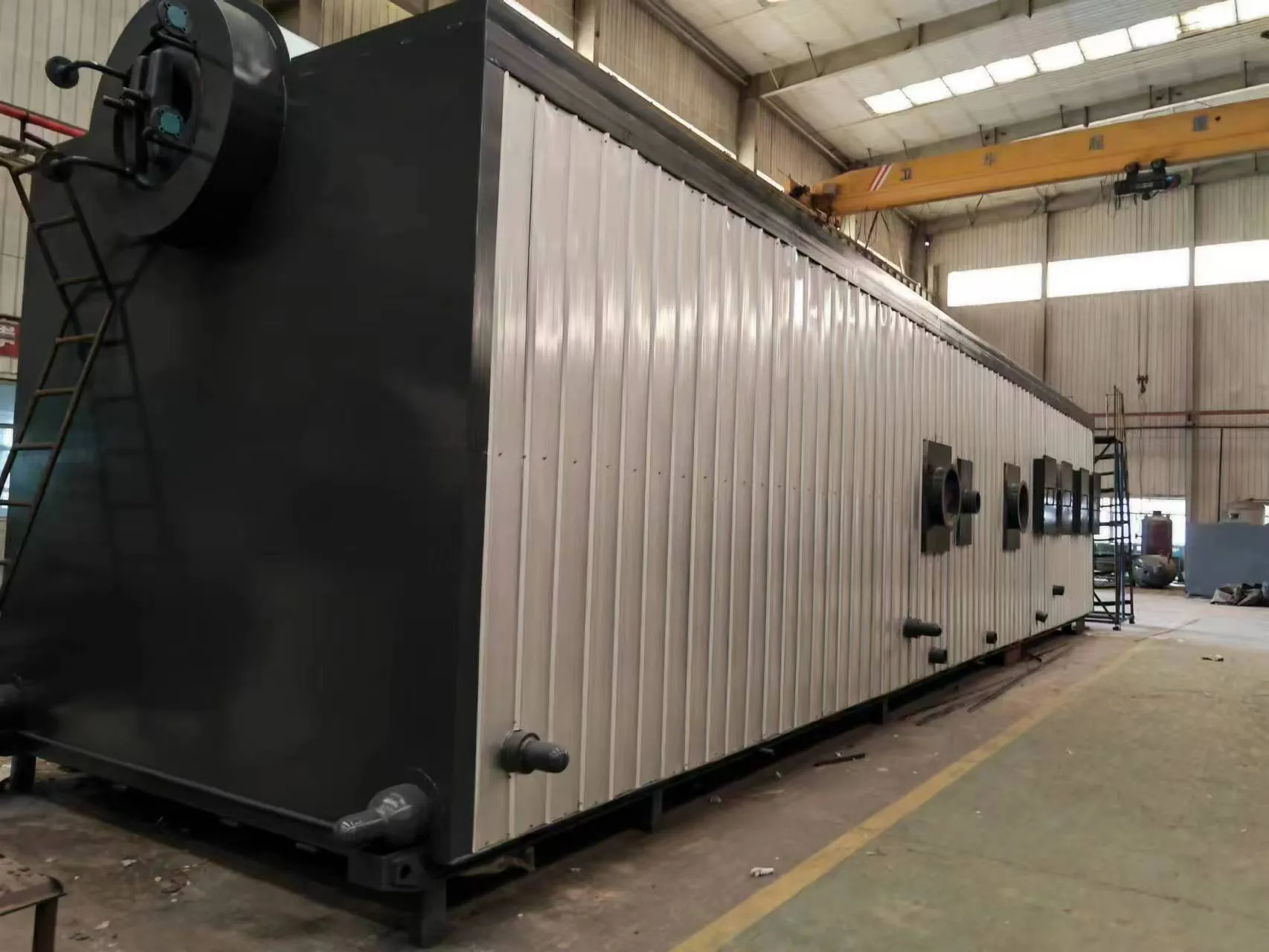
In the competitive landscape of rubber manufacturing, precise temperature control during vulcanization and molding processes is not merely an operational requirement—it is the primary determinant of product integrity. Fluctuating steam pressure or wet steam can lead to defective batches, wasted raw materials, and inconsistent elasticity in the final product. Manufacturers often struggle to balance high thermal demand with strict energy consumption regulations, a challenge that requires more than just standard heating equipment.
Hebei Yineng Boiler Co., Ltd. addresses these specific friction points by delivering engineered heating solutions rooted in over 40 years of industry experience. Established in 1983, we understand that a steam boiler for rubber industry applications must deliver constant pressure and high thermal efficiency to ensure uniform curing. With an average annual sales volume of 1,560 units and a dedicated team of over 120 engineers, we transition rubber manufacturers from outdated, fuel-heavy systems to modern, Class A-level energy-saving infrastructures. Our approach ensures that your facility benefits from the reliability of a manufacturer holding top-tier Special Equipment Production Licenses.
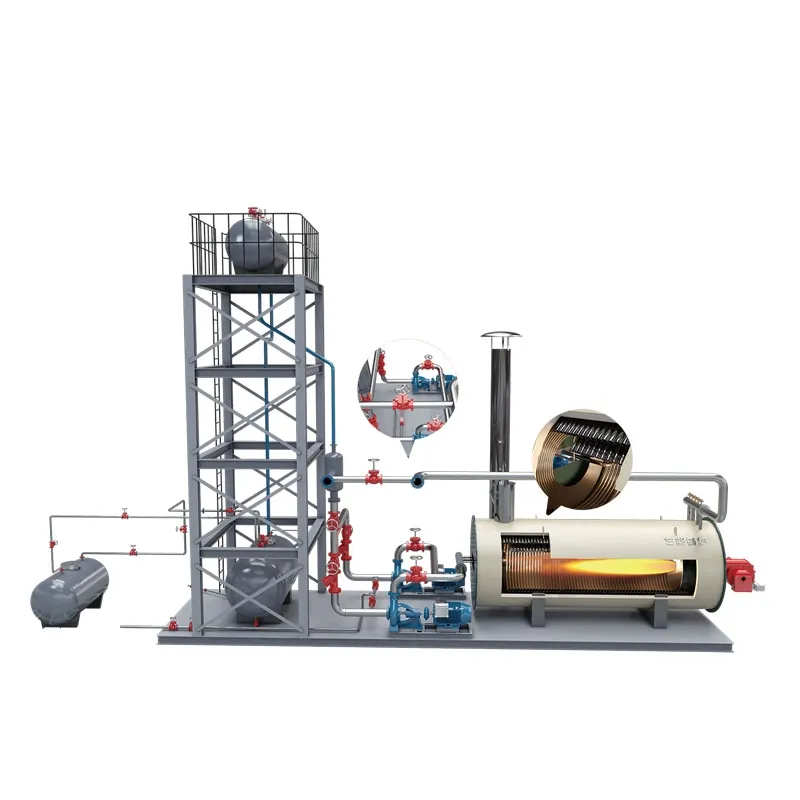
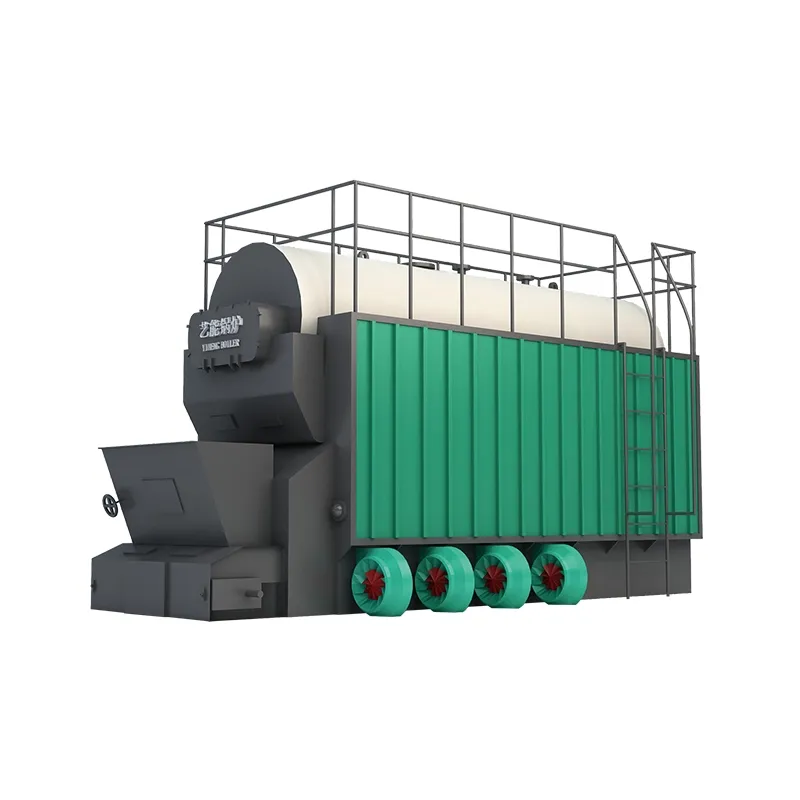
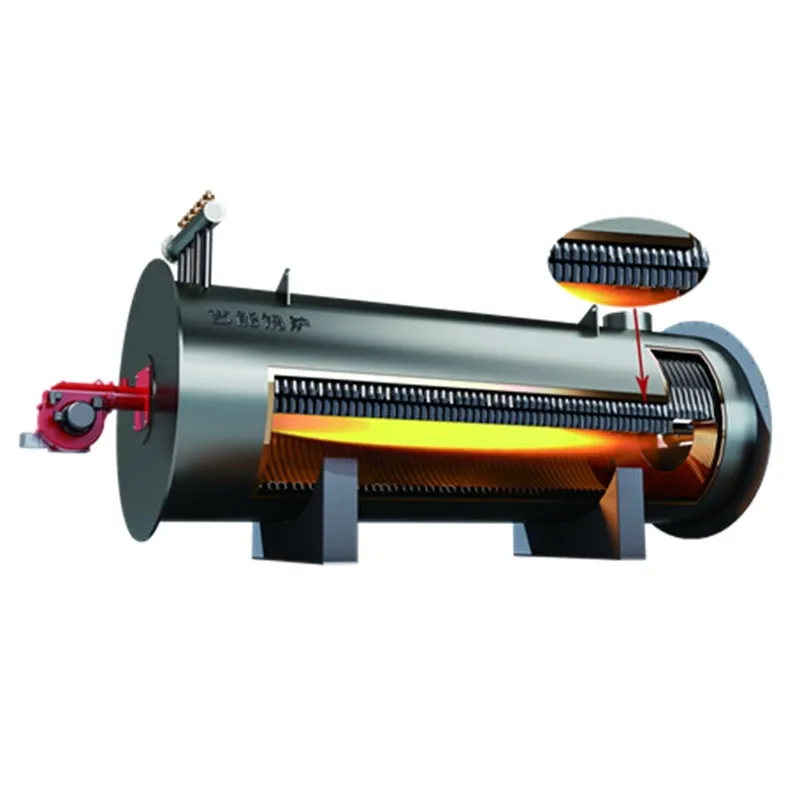
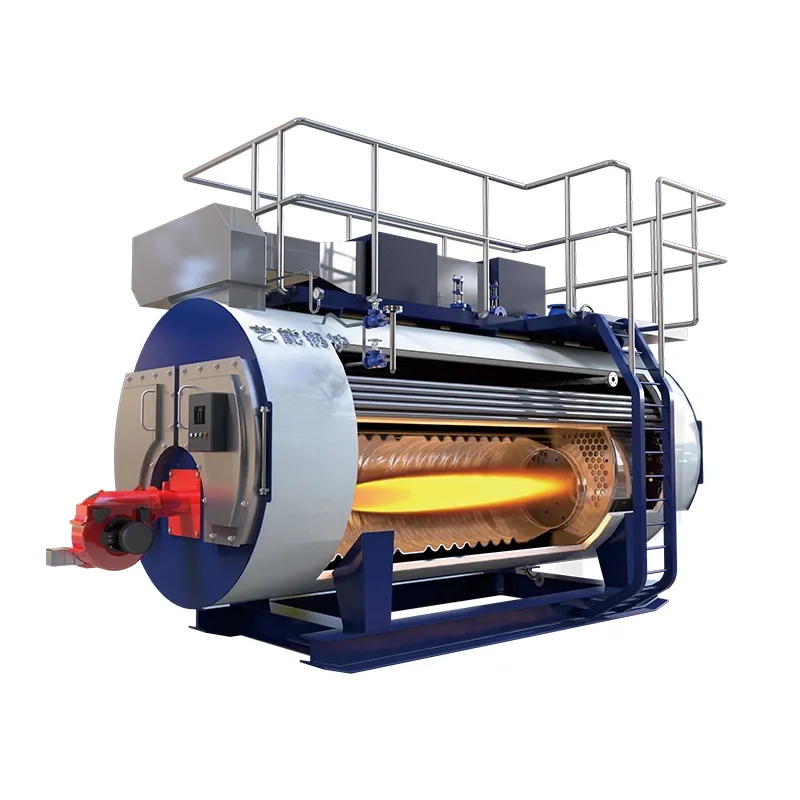
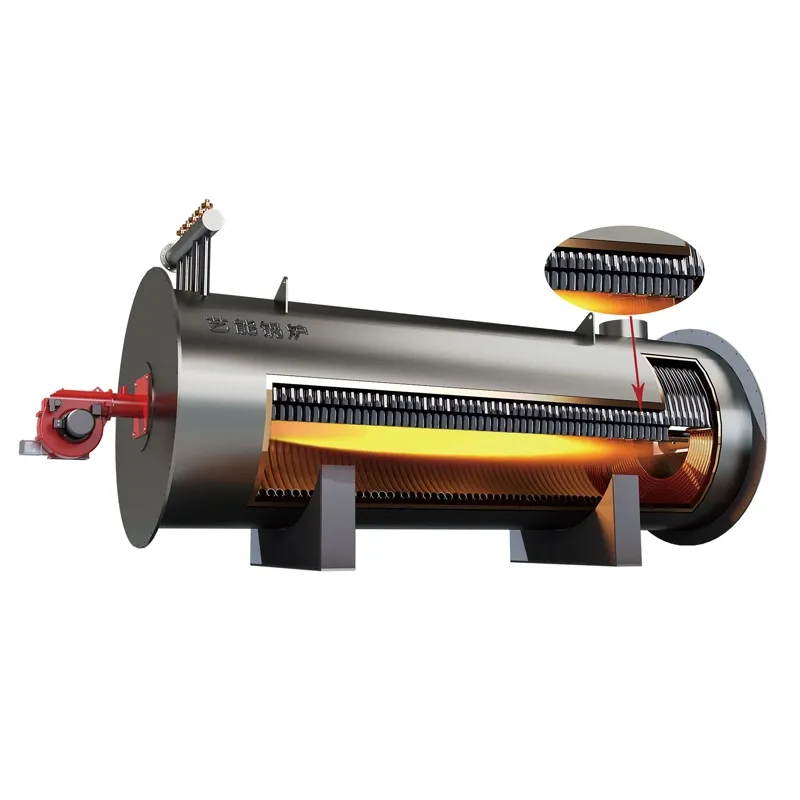
Reliability in rubber processing hinges on the mechanical stability of the steam supply. Whether utilizing our WNS series (gas/diesel) or SZL series (biomass/coal), the engineering focus remains on maximizing thermal transfer while minimizing fuel waste. A superior steam boiler for rubber industry facilities must integrate seamlessly with vulcanizing autoclaves and plate presses, providing the rapid load response necessary for batch processing.
At Yineng Boiler, we leverage a production workshop spanning 80,000 square meters to fabricate systems that exceed standard regulatory requirements. Below is a breakdown of how our technical specifications directly impact rubber manufacturing outcomes:
| Performance Metric | Industry Significance | Our Engineering Standard | Advantage |
|---|---|---|---|
| Thermal Efficiency | Directly impacts fuel costs per ton of rubber produced. | WNS/SZS Series with Waste Heat Recovery (>98% efficiency). | Significant reduction in operational overhead and carbon footprint. |
| Steam Quality (Dryness) | Wet steam causes uneven vulcanization and surface defects. | Optimized steam separation technology and large steam space. | Consistently high-quality rubber products with fewer rejections. |
| Pressure Stability | Essential for maintaining uniform curing temperatures. | Intelligent automatic control systems (PLC). | Precise temperature adherence within ±1°C for critical molding. |
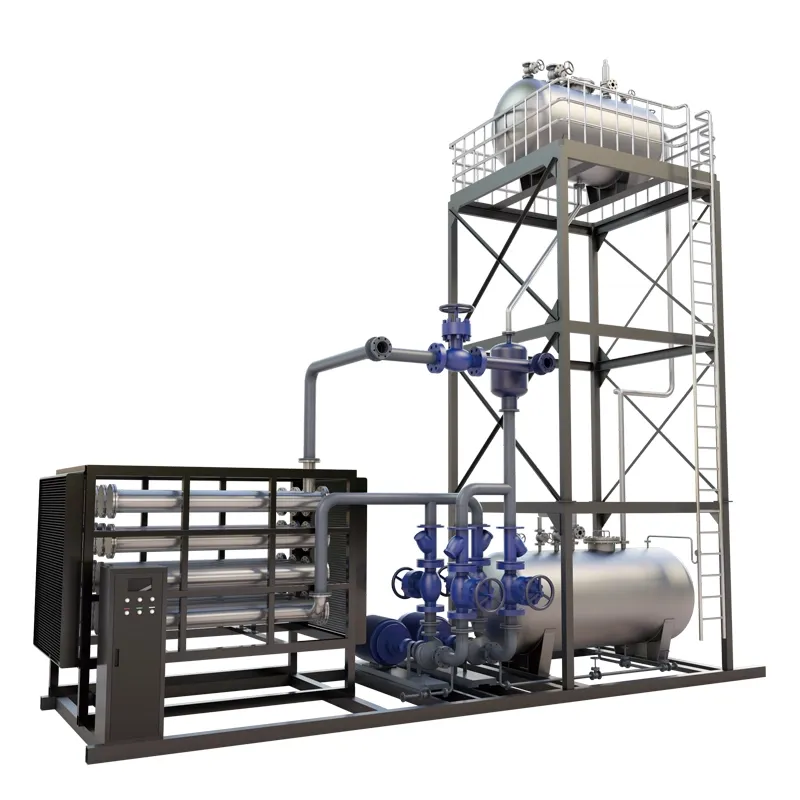
| Installation & Mobility | Minimizing downtime during facility upgrades. | Skid-mounted design for rapid deployment. | Reduces on-site installation time by up to 40%. |
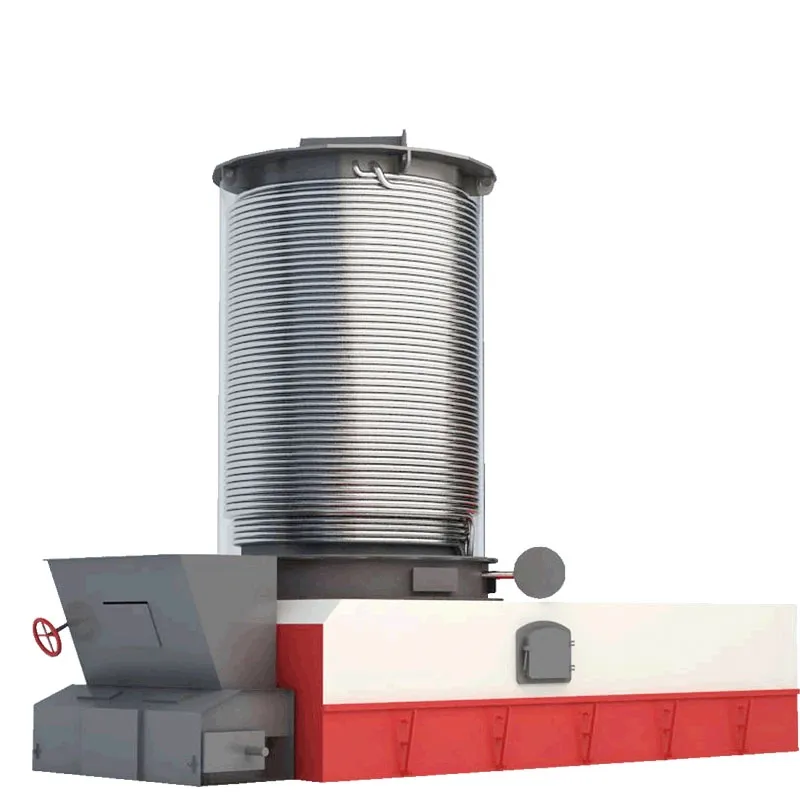
Our technical capacity, backed by fixed assets of 150 million yuan, allows us to customize these parameters. For instance, for facilities with specific fuel constraints, we offer versatile firing options ranging from biomass to automated chain grate systems, ensuring the steam boiler for rubber industry usage aligns perfectly with local resource availability.
Investments in thermal infrastructure should be viewed through the lens of long-term value engineering rather than immediate capital expenditure. A generic boiler may offer a lower upfront price, but the hidden costs of inefficiency, frequent maintenance, and unplanned downtime can erode profit margins rapidly. By deploying a Hebei Yineng steam boiler for rubber industry production lines, manufacturers unlock compounded savings.
Our commitment to "High efficiency energy saving" is not just a slogan; it is a measurable financial advantage. The integration of skid-mounted structures reduces civil engineering costs, while our advanced combustion technologies lower fuel consumption significantly over the equipment's lifecycle. The chart below illustrates the projected cumulative operational savings when upgrading to a Yineng high-efficiency system compared to standard industry alternatives, highlighting the financial impact of improved thermal efficiency in a high-demand rubber plant.
Related products
Top Selling Products