

Understanding the Efficiency and Applications of a Thermo Oil Heater
Understanding the Efficiency of a Thermo Oil Heater
A thermo oil heater is a highly efficient and versatile heating solution widely used across various industries. This system utilizes a heat transfer fluid – thermal oil – to deliver consistent and controlled heating. Unlike direct-fired systems, thermo oil heaters offer significant advantages in terms of temperature control, safety, and efficiency. This article delves into the workings, benefits, applications, and key considerations when selecting a thermo oil heater. Choosing the right heating system is vital for optimizing processes and minimizing operational costs. Yineng Boilers specializes in providing high-quality thermo oil heating solutions tailored to your specific needs.
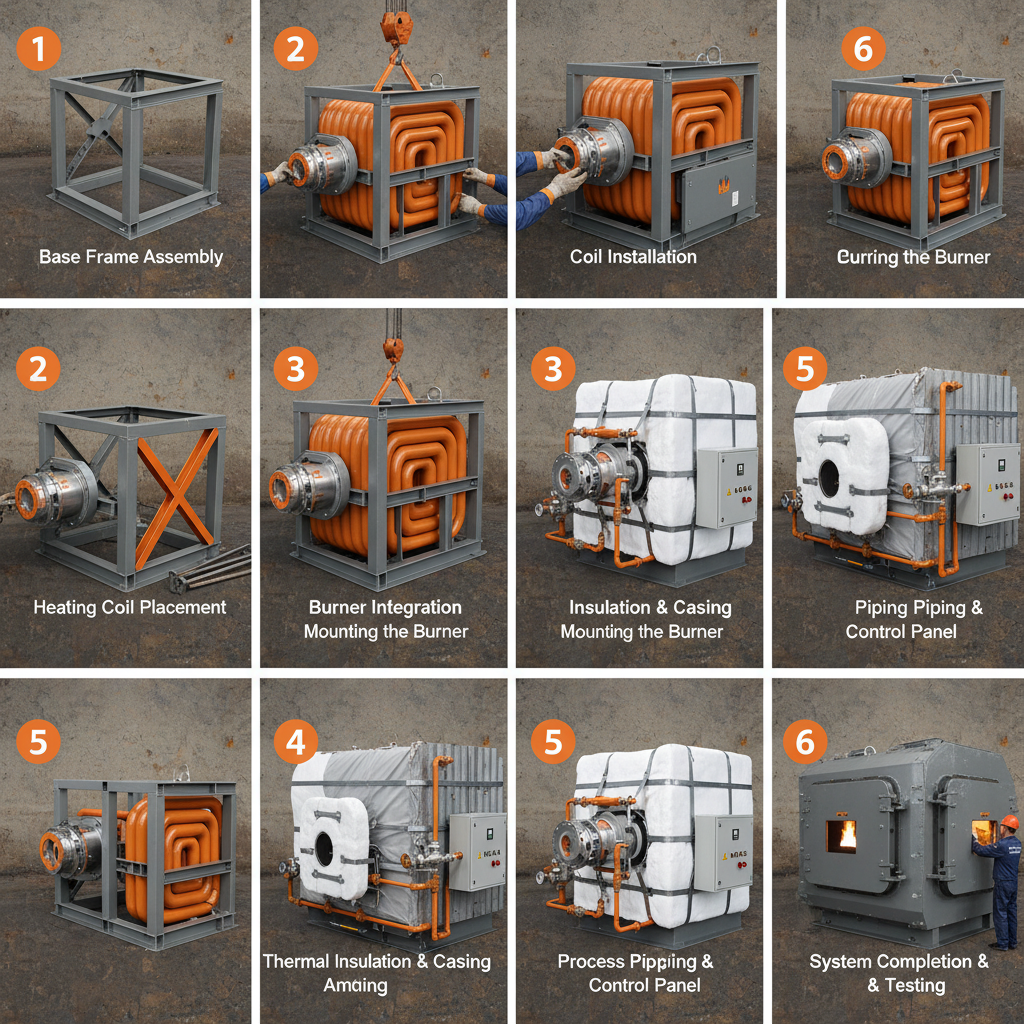
How Does a Thermo Oil Heater Work?
The fundamental principle behind a thermo oil heater involves circulating thermal oil through a closed-loop system. A heat source – typically gas, oil, or electricity – heats the thermal oil within the heater. This heated oil is then pumped through pipelines to various process applications requiring heat. After transferring its heat, the cooled oil returns to the heater to be reheated, creating a continuous cycle. Crucially, thermal oil has a high thermal stability, allowing it to operate at high temperatures (up to 350°C) without significant degradation. This makes it ideal for processes demanding precise and consistent heat delivery.
Key Benefits of Utilizing a Thermo Oil Heating System
Thermo oil heaters offer a compelling array of benefits compared to other heating methods. First and foremost is precise temperature control. The high thermal capacity of the oil ensures a stable and consistent temperature, even with fluctuating heat demands. Secondly, safety is paramount. Because the oil operates within a closed-loop system, there’s no risk of combustion gases directly contacting the process medium. Third, they provide uniform heating, avoiding hot spots. Finally, thermo oil heaters are highly efficient, minimizing energy waste and reducing operating costs. They require less maintenance than other systems due to the stable nature of thermal oil and robust construction.
Key Highlights: Precise temperature control, Enhanced Safety, Uniform heating, High Efficiency, Reduced Maintenance
Thermo Oil Heater Applications Across Diverse Industries
The versatility of a thermo oil heater lends itself to numerous applications across a broad spectrum of industries. In the chemical industry, they’re crucial for reactor heating and process temperature maintenance. The plastics industry utilizes them for precise mold temperature control. The food processing sector benefits from their sanitary and consistent heating for cooking, pasteurization, and sterilization. Other applications include district heating, textile finishing, and pharmaceutical manufacturing. The ability to maintain stable, high temperatures makes them indispensable for processes demanding precision and reliability.
Industry Applications:
• Chemical Processing
• Plastics Manufacturing
• Food & Beverage Processing
• Pharmaceutical Production
Comparing Thermo Oil Heaters to Other Heating Systems
Understanding the differences between a thermo oil heater and alternative heating systems is crucial for making an informed decision. Compared to steam boilers, thermo oil heaters provide higher operating temperatures and eliminate the risk of water hammer. They outperform electric heaters in terms of efficiency and cost-effectiveness for high-temperature applications. Direct-fired gas heaters, while potentially cheaper initially, lack the precise temperature control and safety features of a thermo oil system. The following table highlights a direct comparison:
Selecting the Right Thermo Oil Heater: Key Considerations
Choosing the appropriate thermo oil heater involves careful consideration of several factors. First, determine your specific heating requirements – temperature, capacity, and flow rate. Next, assess the type of thermal oil best suited for your application. Consider the heater's fuel source and efficiency. Finally, prioritize safety features and compliance with relevant industry standards. Yineng Boilers offers expert guidance and customized solutions to help you select the ideal thermo oil heater for your needs.
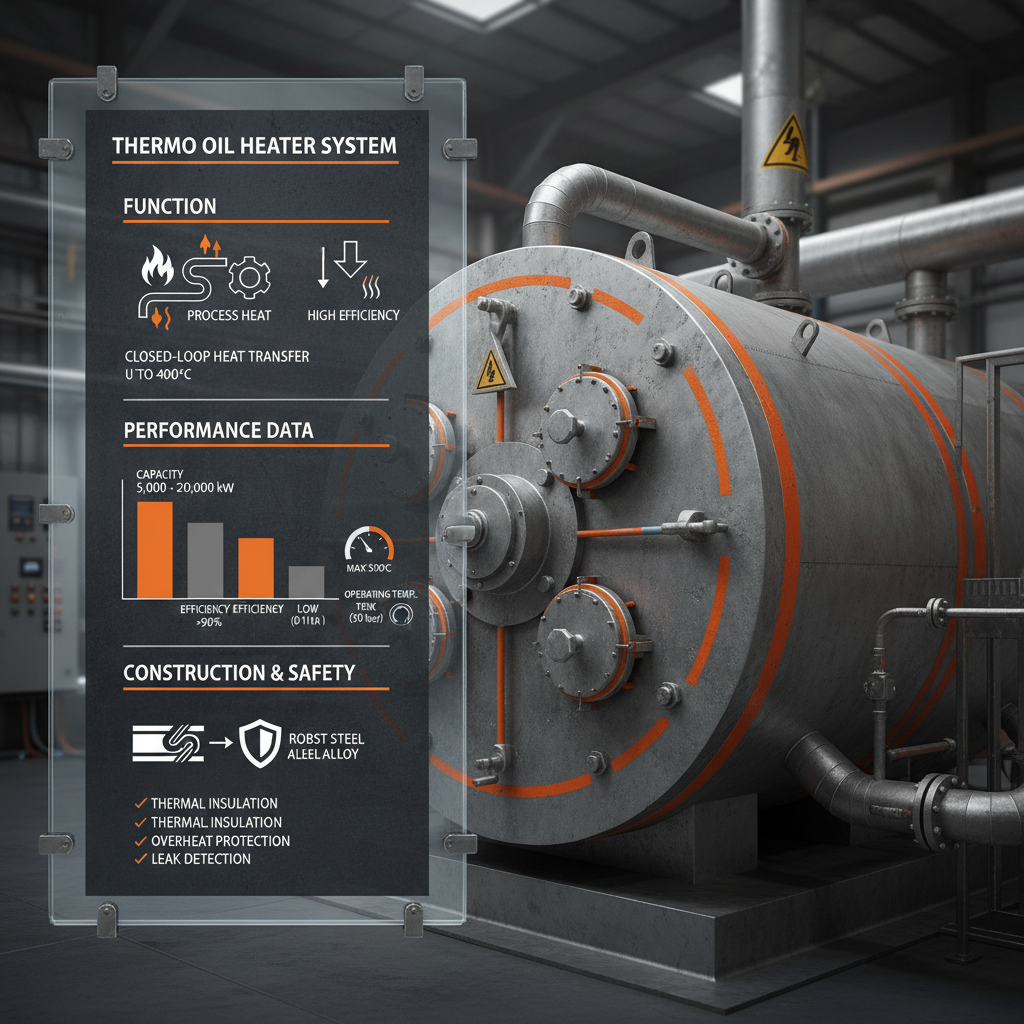
Conclusion: Embrace Efficiency with Thermo Oil Heating
Conclusion
A thermo oil heater represents a significant advancement in industrial heating technology. Its efficiency, precision, and safety features make it a superior choice for a wide range of applications. By investing in a quality thermo oil system from a trusted provider like Yineng Boilers, you can optimize your processes, reduce energy costs, and ensure a safer working environment.
Frequently Asked Questions (FAQs)
What is the typical lifespan of thermal oil in a heater?
The lifespan of thermal oil is influenced by operating temperature and system maintenance. Generally, thermal oil can last 5-10 years with proper care. Regular oil analysis is crucial to monitor its condition and identify any degradation. Factors like oxidation and contamination can shorten the oil's lifespan. It's essential to follow the manufacturer's recommendations for oil change intervals and maintain a clean system to maximize its longevity. Prolonged exposure to high temperatures will significantly reduce the lifespan.
What safety precautions should be taken when operating a thermo oil heater?
Safety is paramount when operating a thermo oil heater. Ensure the system is equipped with appropriate safety controls, including high-temperature alarms and pressure relief valves. Regularly inspect the system for leaks and ensure all connections are secure. Never exceed the maximum operating temperature specified by the manufacturer. Proper ventilation is essential to prevent the accumulation of flammable vapors. Personnel should receive adequate training on the safe operation and maintenance of the heater. Regular maintenance is vital.
How does the size of the thermo oil heater affect its efficiency?
Selecting the correctly sized thermo oil heater is critical for optimal efficiency. An undersized heater will struggle to meet demand, leading to reduced performance and increased operating costs. An oversized heater will cycle on and off frequently, resulting in energy waste and potential wear and tear. A properly sized heater will provide consistent and efficient heat delivery, minimizing energy consumption and maximizing the system's lifespan. A detailed heat load calculation is essential to determine the appropriate heater capacity.
What maintenance is required for a thermo oil heating system?
Regular maintenance is crucial for ensuring the reliable and efficient operation of a thermo oil heating system. This includes periodic oil analysis to monitor its condition, inspection of all components for leaks or damage, cleaning of heat transfer surfaces, and verification of safety controls. It's also important to maintain proper insulation to minimize heat loss and regularly check the expansion tank. Following the manufacturer's recommended maintenance schedule will help prevent costly repairs and extend the system's lifespan.
-
Understanding the Efficiency and Applications of a Thermo Oil HeaterNewsMar.26,2026
-
Understanding the Efficiency and Applications of a Thermo Oil Boiler SystemNewsMar.24,2026
-
Comprehensive Guide to Boiler Thermal Oil Systems and Industrial ApplicationsNewsMar.21,2026
-
Optimizing Industrial Processes with Advanced Organic Heating Transfer Material BoilersNewsMar.19,2026
-
Comprehensive Guide to Hot Conduction Oil Boilers for Industrial Heating SolutionsNewsMar.17,2026
-
Choosing the Right Industrial Oil Heater for Efficient Space HeatingNewsMar.14,2026